

More news on this day
As demand for second homes and short term rentals continues to grow, owners are discovering that maintaining a holiday property requires the same discipline as a primary residence, along with added safety, regulatory and guest experience pressures.
Get the latest news straight to your inbox!
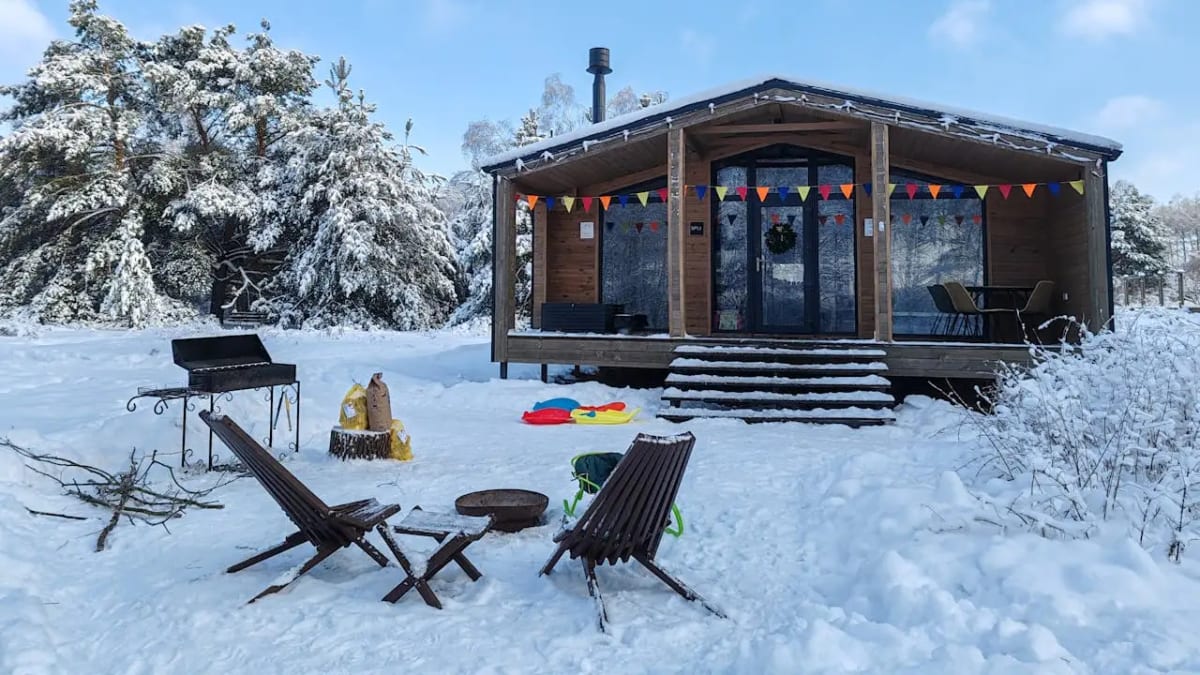
Image by Focus on Travel News
Why Holiday Homes Need a Dedicated Maintenance Strategy
Publicly available market research indicates that the global short term vacation rental sector surpassed 130 billion dollars in value in 2024 and is forecast to keep expanding over the rest of the decade. That growth brings more guest turnover, heavier wear on fixtures and furnishings, and closer scrutiny from insurers and local regulators. For owners, a casual approach to maintenance increasingly carries financial and legal risk.
Unlike primary homes, holiday properties may sit empty for weeks, then host several groups in rapid succession. Small issues that would normally be spotted quickly, such as minor leaks or faulty alarms, can go unnoticed until they become expensive emergencies. At the same time, guests expect hotel level reliability, from heating and cooling to Wi-Fi and hot water, regardless of the season.
Industry guidance on rental management emphasizes that a written maintenance plan is now standard practice. This typically combines seasonal checklists, scheduled servicing of key systems, and documented inspections before and after each stay. Treating maintenance as an operating system rather than an occasional chore helps owners preserve property value and reduce unplanned downtime.
Recent guidance from housing and health agencies also highlights how basic upkeep supports safety and habitability, which in turn protects property values and reduces long term repair costs. For second home owners, those same principles apply, even if the property is used primarily by family and friends.
Seasonal and Routine Checks That Prevent Costly Repairs
Homeownership resources from financial institutions and insurers consistently promote seasonal checklists as a practical way to stay ahead of problems. For holiday homes, such lists are particularly important because owners are not always on site to see early warning signs like staining, drafts or unusual noises from mechanical equipment.
In colder climates, winter preparation typically focuses on protecting plumbing and the building envelope. Common recommendations include servicing heating systems annually, insulating exposed pipes, checking weatherstripping and sealing gaps where rodents or moisture could enter. In warmer regions, pre summer routines often emphasize air conditioning service, pest control and inspection of decks, railings and outdoor kitchens that see heavier use in high season.
Newer guidance aimed at second home owners has started to promote weekly or monthly remote check routines, especially for properties in areas prone to storms, wildfires or flooding. Some owners contract local caretakers to perform regular walk through inspections using structured checklists that cover electrical panels, windows and doors, rooflines visible from the ground, and signs of water intrusion or mold.
Basic but easily overlooked tasks such as cleaning gutters, flushing rarely used toilets, and running taps to keep traps filled are frequently cited as low cost measures that can prevent larger structural or plumbing issues. When these tasks are integrated into a calendar and documented, they help demonstrate to insurers and local authorities that the property is being actively maintained.
Safety, Inspections and Local Requirements
Municipalities in tourism heavy regions across North America and Europe continue to tighten rules for vacation rentals and second homes, particularly around fire and life safety. Recent guidance published by several city and county governments outlines requirements for working smoke alarms, carbon monoxide detectors and fire extinguishers as conditions for operating permits or safety certifications.
Local fire protection districts and housing departments often publish inspection checklists that specify where alarms must be installed, how often they should be tested, and when units must be replaced. Common recommendations include smoke alarms in every bedroom and adjoining hallway, carbon monoxide alarms on each level of the home, and documented testing after each guest stay and at set intervals during the year.
National consumer safety agencies likewise advise travelers to verify the presence of smoke and carbon monoxide alarms and at least one accessible fire extinguisher when staying in a vacation property. For owners, aligning with these recommendations is now seen as a baseline expectation rather than an optional upgrade.
Some jurisdictions have also introduced initial and periodic safety inspections for short term rentals, focusing not only on alarms but also on clear exits, handrails, electrical safety and pool barriers where applicable. Owners are encouraged to consult current local codes and retain records of all inspections and maintenance activities, as documentation can be important in the event of an incident or insurance claim.
Protecting Assets With Smart Technology and Reliable Vendors
Technology firms and property management platforms increasingly promote smart home devices as maintenance and risk management tools for holiday homes. Smart thermostats, leak sensors, connected smoke and carbon monoxide alarms, and Wi Fi enabled security cameras and locks can provide alerts when something is wrong, even if the owner is in another country.
Maintenance specialists note that remote monitoring does not replace in person inspections but can dramatically shorten the time between a problem arising and a response. For example, a water sensor near a hot water heater or under a sink can send an alert at the first sign of a leak, reducing the chance of widespread damage in a vacant property.
Smart locks and code based entry systems have also become popular among short term rental hosts. These devices simplify key management between guests, cleaners and contractors, while access logs help confirm who entered the property and when. When combined with property management software, they can be integrated into workflows for cleaning, inspection and maintenance tasks.
At the same time, published advice for second home owners stresses the value of relationships with local vendors. Engaging licensed electricians, plumbers, heating and cooling technicians and chimney sweeps on a recurring basis is presented as a way to spot issues early and ensure compliance with changing codes. Many owners now create a small, vetted network of tradespeople who can respond quickly when smart devices or caretakers flag an issue.
Balancing Guest Experience With Long Term Durability
Travel industry coverage shows that guest expectations for holiday homes are converging with boutique hotels, particularly around cleanliness, comfort and reliability of core amenities. Operators of short term rentals report that maintenance failures, even minor ones such as malfunctioning lights or inconsistent hot water, can quickly translate into negative reviews and refund claims.
Maintenance guidance for rental properties therefore increasingly emphasizes durable, easy to clean finishes and furnishings that can withstand frequent turnover. Hard wearing flooring, stain resistant textiles and commercial grade mattresses and appliances are recommended as ways to reduce replacement cycles while still meeting guest comfort standards.
Guest facing information can also play a role. Clear house manuals that explain how to operate heating, cooling, fireplaces, hot tubs and safety equipment help prevent misuse that might damage systems. Some operators incorporate simple check out instructions that prompt guests to report issues such as drips, unusual noises or tripped breakers before departure, giving owners an early opportunity to intervene.
Ultimately, reports from professional managers suggest that the most successful holiday homes are treated as actively managed assets rather than passive investments. By combining structured maintenance plans, compliance with safety requirements, selective use of smart technology and a focus on durable design, owners can protect both guest experience and long term property value.