

More news on this day
Dense fog over Auckland led to widespread disruption at the city’s main airport, with at least 33 flights cancelled and many more delayed as visibility dropped to levels that forced pilots and air traffic controllers to pause operations.
Get the latest news straight to your inbox!
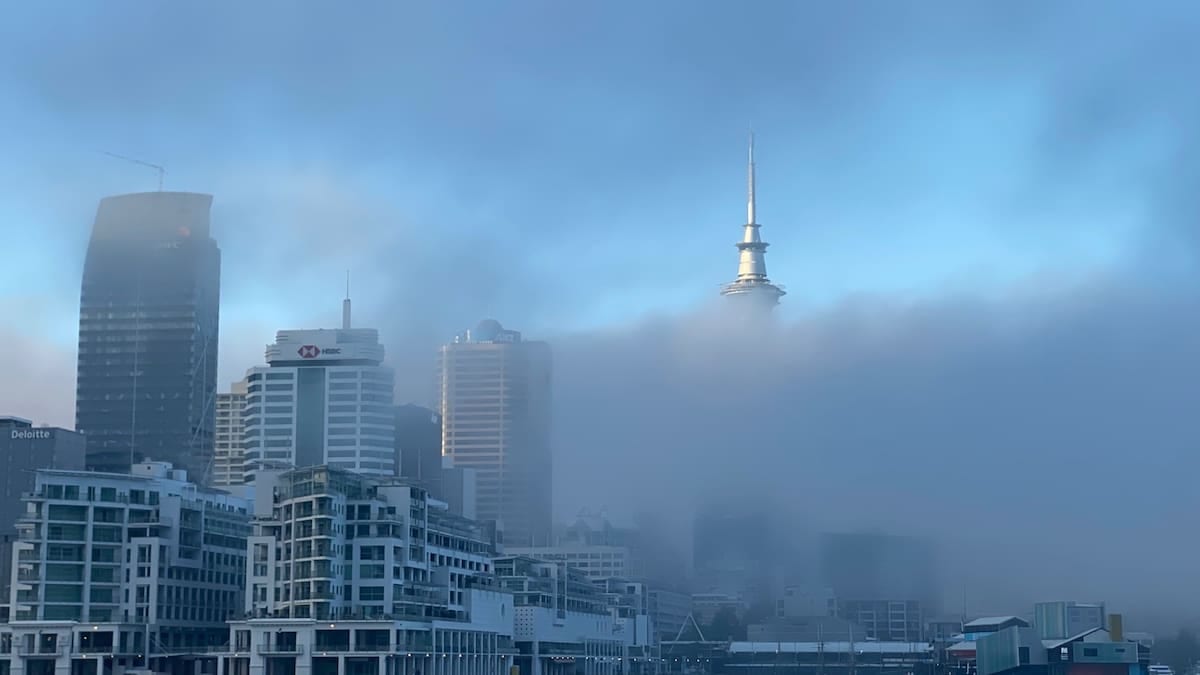
Image by nzherald.co.nz
Low Visibility Halts Morning Operations
Early-morning services bore the brunt of the disruption as a thick blanket of fog settled across Auckland and surrounding suburbs, reducing runway visibility to well below normal operating thresholds. Publicly available flight tracking data and local media reports indicate that departures were held on the ground while several inbound aircraft were placed into holding patterns or diverted.
By mid-morning, at least 33 domestic and short-haul international flights had been cancelled outright, affecting both outbound and inbound services. Additional flights faced rolling delays as airport operations staff worked to sequence arrivals and departures into the limited windows when visibility briefly improved.
Passengers reported queues at check-in desks and rebooking counters as airlines attempted to consolidate services and redistribute travellers onto later flights. Airport live updates showed disrupted services on popular domestic routes connecting Auckland with Wellington, Christchurch and regional centres, alongside a small number of affected trans-Tasman services.
The disruption unfolded during a busy travel period, amplifying the impact on business travellers and holidaymakers with onward connections. As the fog lingered longer than early forecasts suggested, morning delays began to cascade into the afternoon schedule.
Weather Conditions Drive Safety Decisions
The fog event developed under calm, moist overnight conditions that allowed low cloud to thicken rapidly before dawn. Meteorological observations showed visibility dropping to a few hundred metres at times, a threshold at which many commercial operations must be reduced or temporarily suspended.
Publicly accessible aviation guidance highlights that modern aircraft are equipped to operate in low visibility, but safe operations depend on a combination of pilot training, instrument landing systems and minimum visibility standards on specific runways. When any of these factors are constrained, airlines and air navigation providers typically reduce movements until conditions improve.
In Auckland’s case, reports indicate that the heaviest fog coincided with the peak morning bank of domestic departures, forcing airlines to defer multiple flights simultaneously. Approaching aircraft were required to conduct additional holding circuits or divert to alternative airports where conditions were clearer, adding to network complexity and later knock-on delays.
Weather-driven disruption of this kind is not uncommon in New Zealand’s largest city, particularly during seasonal transitions when cooler nights and relatively warm sea temperatures encourage fog formation. However, the number of cancellations associated with this episode places it among the more disruptive recent fog events affecting the hub.
Knock-on Effects Across New Zealand Network
The impact of the Auckland fog was felt well beyond the city’s boundaries, as cancellations and delays rippled through the national network. Aircraft and crew scheduled for later services around the country were left out of position, leading to secondary delays on routes that were not directly affected by the morning’s low visibility.
Public timetables and airline updates showed adjustments to services linking regional centres such as Queenstown, Dunedin and Napier with Auckland. In several cases, flights were combined or retimed to ensure that priority routes retained coverage, while lower-demand services were trimmed or cancelled altogether.
Travel industry observers note that New Zealand’s domestic network operates with relatively tight aircraft utilisation, which means that any significant disruption at Auckland can take hours to unwind. When an early bank of flights is cancelled, the knock-on effect often persists into late afternoon, particularly for regional airports that rely on a limited number of daily frequencies.
Some long-haul passengers connecting through Auckland also faced missed onward connections, especially those booked on separate tickets. Travel agents and consumer groups typically recommend allowing generous connection windows in winter and shoulder seasons when fog and heavy rain can threaten punctual operations.
Airlines Urge Passengers To Monitor Flight Status
As information about the extent of cancellations became clearer, airlines used their websites, mobile apps and social media channels to advise customers to check flight status before heading to the airport. Published guidance encouraged travellers whose flights were cancelled to rebook online where possible, in order to relieve pressure on airport service desks.
Flexible rebooking policies were advertised on several affected routes, reflecting standard practice when weather disruption prevents flights from operating as scheduled. In many cases, passengers were offered the option to move to alternative flights on the same day or later in the week at no additional fare, subject to seat availability.
Consumer advocates generally advise affected travellers to keep all receipts for additional expenses such as meals and accommodation incurred during disruption. While weather-related cancellations are typically classified as events outside airline control, and therefore not always eligible for compensation, travel insurance policies may cover some out-of-pocket costs depending on individual terms.
Travel planners emphasise that passengers with time-sensitive commitments should closely monitor local forecasts and airline alerts in the days leading up to departure, particularly during seasons when fog events are more frequent around Auckland.
Fog Highlights Ongoing Resilience Challenges
The latest disruption underscores the ongoing challenge of building resilience into air travel systems that remain highly sensitive to weather. Although modern navigation and landing technologies have improved the ability of aircraft to operate in marginal conditions, airports like Auckland still face physical and regulatory limits linked to visibility and runway infrastructure.
Recent aviation performance reports for New Zealand show that, under normal conditions, on-time departure and arrival rates through Auckland compare favourably with similar regional hubs. However, events such as dense fog, heavy rain and strong winds can quickly erode those metrics, especially when they coincide with peak travel periods.
Infrastructure planners and industry analysts frequently reference the role of schedule padding, spare aircraft and improved real-time communication in mitigating the worst impacts of such events. Yet these measures carry cost implications, and airlines must balance operational resilience with commercial realities in a competitive market.
For travellers, the fog-affected morning served as a reminder that even short domestic journeys can be vulnerable to sudden weather shifts. As Auckland’s aviation network continues to grow, pressure is likely to remain on airlines, airport operators and regulators to refine contingency plans that keep people moving while prioritising safety when visibility suddenly drops.