

Laos works on a slower rhythm than many of its Southeast Asian neighbors, but that unhurried pace hides a remarkable range of things to do. From gilded hilltop stupas and riverside monasteries to dramatic karst mountains, emerald waterfalls, and Mekong islands where water buffalo outnumber cars, the country rewards travelers who linger.
With tourism infrastructure expanding and new river cruises and rail links making once-remote corners more accessible, this is an ideal moment to explore Laos through its temples, rivers, and outdoor adventures.
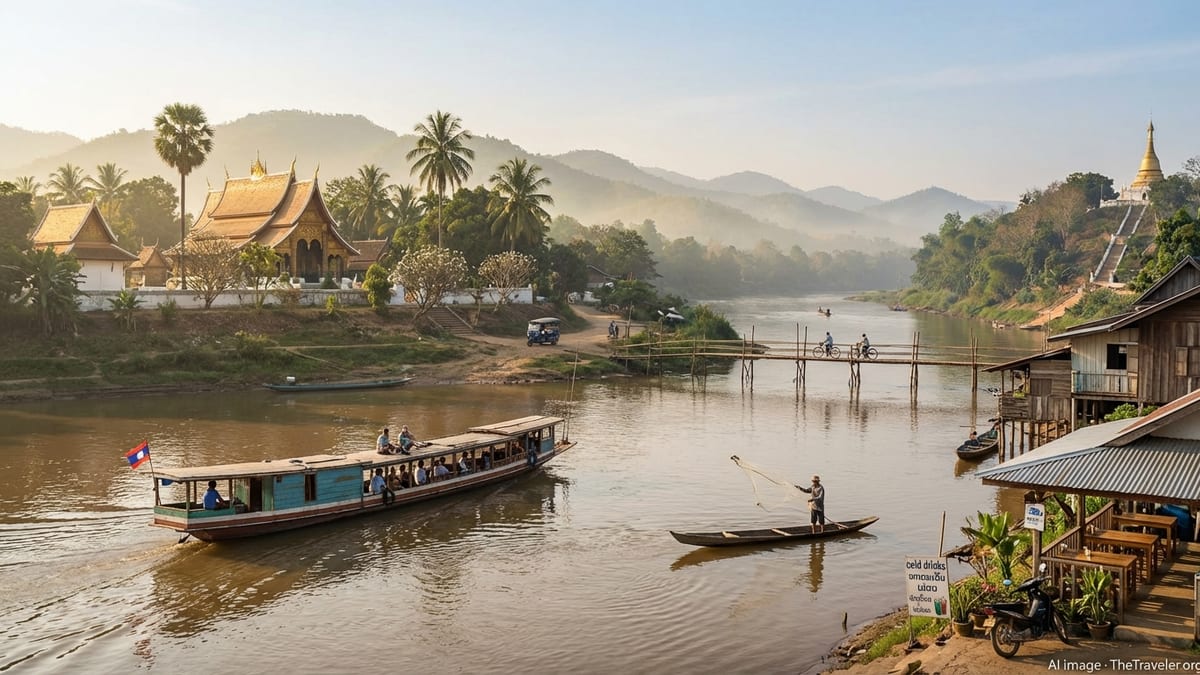
Planning Your Trip to Laos
Before you head for jungle trails or temple courtyards, it helps to understand how to get in, move around, and stay safe. Laos has seen a steady rise in international arrivals over the last few years, and its tourism authorities are actively promoting adventure, nature, and culture-focused travel while trying to keep the country’s low-key character intact. Entry rules have recently shifted back to standard policies, and transport options such as the Laos China Railway and boutique river cruises are reshaping classic itineraries between Vientiane, Vang Vieng, and Luang Prabang.
Visitors from many countries, including the United States and much of Europe, can typically obtain a 30 day visa on arrival or apply in advance at a Lao embassy, following regulations that reverted to pre 2024 rules after a temporary tourism promotion year ended on 1 January 2025. Overland crossings from Thailand, Vietnam, and Cambodia remain popular, while new flight routes and train services are shortening travel times inside the country.
Entry Requirements and Practical Basics
Laos reinstated its standard visa regime on 1 January 2025 after ending the special exemptions and extended stays that had been introduced during Visit Laos Year 2024. For most travelers, that means planning around a 30 day visa on arrival or a pre arranged single entry or multiple entry visa, and checking the latest updates with a Lao consulate before departure.
Upon arrival, you will typically need at least six months of passport validity and one blank page. Having passport photos and cash in small denominations ready for visa processing can help speed things up at land borders and airports. Many visitors still enter via Thailand, either by crossing the Friendship Bridge near Nong Khai into Vientiane or by flying directly into Luang Prabang or the capital.
Getting Around the Country
Travel distances in Laos can look short on a map but feel long on winding mountain roads, which makes planning your route around the main north south corridor useful. The high speed Laos China Railway now links Vientiane, Vang Vieng, and Luang Prabang in just a few hours, transforming what used to be an all day bus ride into a comfortable, scenic journey past rice paddies and forested hills.
For more remote adventures, buses and minivans still run from major hubs to smaller towns, while pickups and songthaews handle local routes. River travel remains part of the experience, especially on the Mekong and Nam Ou, where slow boats, speedboats, and a growing number of boutique river cruisers connect villages and tourist stops. In towns, you can rely on tuk tuks, bicycles, and your own two feet, particularly in compact historical centers such as Luang Prabang.
Safety, Seasons, and Responsible Travel
Laos is generally considered a safe destination, with low levels of violent crime. Petty theft can occur in busy markets or bus stations, so keep valuables close and use hotel safes. In rural areas, unexploded ordnance left from the conflicts of the 1960s and 1970s can still be found off established paths, particularly in eastern and southern provinces. When trekking or biking in these areas, always stay on marked trails and follow the guidance of local guides.
The best time to visit is during the dry season from roughly November to March, when temperatures are cooler and river levels usually remain high enough for boat trips. April and May can be very hot, while the rainy season from June to October brings lush landscapes, heavier showers, and sometimes landslides or transport delays in mountainous regions. Wherever you go, consider supporting community based tourism projects that share income with local villages, choose refillable water bottles to cut down on plastic, and dress modestly at temples and in small towns.
Temples, Rituals, and Spiritual Life
Laos is a deeply Buddhist country, and its monasteries are far more than architectural showpieces. They still shape daily routines, education, and community events, especially in the former royal capital of Luang Prabang, which sits at the confluence of the Mekong and Nam Khan rivers and is listed as a UNESCO World Heritage city. Visiting temples and observing rituals is one of the most meaningful ways to experience Laos, provided you do so with sensitivity and respect.
From gold stenciled sim (ordination halls) and sloping roofs in Luang Prabang to riverside temples in Vientiane, each site offers a slightly different window into Lao beliefs and aesthetics. Many travelers also find that dawn and dusk provide the most atmospheric times to explore, as sunlight warms the lacquer and gilding and the sound of chanting drifts from within the cloisters.
Wat Xieng Thong, Luang Prabang’s Golden Temple
Wat Xieng Thong, often described as the Temple of the Golden City, is one of the most important monasteries in Laos. Founded in the sixteenth century near the tip of Luang Prabang’s peninsula, it served both as a royal temple and a showcase for classic Lao religious architecture, with sweeping multi tiered roofs and richly decorated wooden panels.
Visitors today encounter a complex of halls and stupas arranged around a peaceful courtyard. The main sim is notable for its low, layered roofline and intricate gold stenciling. On the rear, a mosaic of a stylized tree glitters in colored glass, especially striking in the late afternoon. Smaller chapels shelter a rare reclining Buddha figure and other relics that link the site to the town’s royal past.
Dress codes are enforced at Wat Xieng Thong, as at other major temples in Laos. Cover shoulders and knees, remove shoes before entering the halls, and keep your voice low. Photography is usually permitted outside but may be restricted in certain interiors, so look for signs and ask if you are unsure.
Morning Alms and Everyday Monastic Life
One of Luang Prabang’s defining experiences unfolds shortly before sunrise, when lines of saffron robed monks walk barefoot through the streets collecting alms. Known locally as tak bat, this daily procession is both a spiritual discipline and a way for laypeople to earn merit by offering sticky rice and simple food.
In recent years, the popularity of the ritual with visitors has raised concerns about crowding and inappropriate behavior. If you choose to witness or participate, stand or sit quietly on one side of the street, dress modestly, and avoid flash photography or intrusive close ups. If you offer alms, buy fresh rice from a local market or reputable provider rather than pre packed tourist sets, and follow local etiquette such as kneeling and placing offerings respectfully.
Away from the main streets, smaller wats around Laos give an everyday glimpse of monastic life. In the afternoons, novices may gather under trees to study English or chant, and older monks attend to repairs or garden work. Many are open to a brief, polite conversation if you approach respectfully and avoid interrupting rituals or mealtimes.
Vientiane’s Temples and the Festival of Lights
The capital, Vientiane, offers a more spread out but equally rewarding temple circuit. Its most recognizable landmark is That Luang, a towering golden stupa regarded as the national symbol. Other key sites include Wat Sisaket, with its hundreds of Buddha images, and the richly carved Haw Pha Kaeo. These temples sit alongside remnants of French colonial architecture and modern riverfront promenades, illustrating how the city balances heritage with growth.
If you time your visit for the end of Buddhist Lent, usually in October, you may witness the festival known locally as Boun Lai Heua Fai, or the Festival of Lights. In Luang Prabang, candlelit paper boats and lanterns are set afloat on the Mekong to honor water spirits and mark the close of the rainy season. In Vientiane and other towns, streets and temples glow with lanterns and candles, creating one of the most evocative evenings on the Lao calendar.
Mekong, Nam Khan, and River Life
Rivers are the original highways of Laos, and they remain central to both local livelihoods and modern tourism. The Mekong in particular shapes many classic itineraries, from slow boat journeys between northern border towns and Luang Prabang to sunset cruises with drinks and live music. Smaller rivers such as the Nam Khan in Luang Prabang and the Nam Song in Vang Vieng offer more intimate encounters with the landscape, whether by kayak, inner tube, or simple bamboo bridge crossing.
As hydropower dams and new diversions alter water levels and flows along some stretches, operators have been adapting routes and timing. Even so, river travel continues to offer perspectives impossible to gain from the highway, passing fishing villages, forested banks, and limestone cliffs at a pace that suits Laos’ unhurried soul.
Slow Boats and Boutique Cruises on the Mekong
Many travelers first arrive in Laos via a two day Mekong slow boat journey from the Thai border to Luang Prabang. Wooden passenger boats glide downstream past jungle murals of banana groves and bamboo stands, stopping overnight in small river towns. Facilities are simple, but the experience frames Laos as a country best seen in motion, with the river as constant companion.
At the more comfortable end of the spectrum, boutique river cruisers with a small number of suites have begun operating multi day itineraries between Luang Prabang and the capital. These vessels typically feature local textiles, regional menus, and shore excursions to waterfalls, caves, and craft villages. Days pass in a quiet rhythm of drifting, dining, and exploring, appealing to travelers who prefer to unpack once and let the landscape come to them.
Mekong Sunset Cruises and Pak Ou Caves
If your time is limited, a shorter sunset cruise from Luang Prabang offers a gentle introduction to Mekong life. In the late afternoon, boats head upstream, passing fishermen casting nets and children swimming along the banks. As the sun drops behind the hills, the sky often shifts through gold, pink, and deep purple, reflecting off the broad brown river.
Many cruises combine a sunset sail with a visit to the Pak Ou Caves, a revered pilgrimage site where thousands of Buddha images crowd into limestone chambers above the river. The caves are accessible by boat or road, but approaching from the water preserves their traditional aura. Inside, remember that this is a religious site: speak quietly, dress respectfully, and watch your footing on the sometimes damp rock stairs.
Nam Khan River Experiences
In Luang Prabang itself, the Nam Khan curves gently around the old town, feeding a network of wooden footbridges and small riverside cafés. Dry season often brings the reappearance of seasonal sandbars and low key bamboo spans that villagers rebuild each year, charging a small toll to cross. Walking these bridges at sunrise or sunset offers a sense of how intimately the town remains tied to its waterways.
Kayaking excursions on the Nam Khan range from gentle half day paddles suitable for beginners to longer runs that include minor rapids when water levels allow. Outfitters typically provide life jackets, basic instruction, and transport, and often combine kayaking with hiking or visits to nearby ethnic minority villages. During or after heavy rains, currents can strengthen, so choosing reputable guides and listening to their safety advice is essential.
Waterfalls, Caves, and Natural Wonders
Laos’ mountainous interior is laced with rivers that spill over escarpments into turquoise pools or vanish into limestone caverns. Some of these landscapes are now staples of tourist itineraries, with well developed trails and picnic areas, while others remain partly wild, visited mainly by trekkers and cavers. Whether you are looking for an easy day trip from a major town or a multi day expedition, you will find natural sites that suit your level of adventure.
Environmental concerns are increasingly central to how these places are managed. Entrance fees to popular waterfalls often fund local maintenance and conservation work, and in some communities, revenue is shared between villagers and authorities. As a visitor, you can support these efforts by packing out your rubbish, avoiding off trail shortcuts that cause erosion, and respecting posted rules on swimming or cliff jumping.
Kuang Si Falls: Turquoise Terraces in the Forest
Kuang Si Falls, located about 30 kilometers south of Luang Prabang, is arguably Laos’ best known natural attraction. A forest trail leads past a series of milky blue pools and smaller cascades to the main drop, a multi tiered waterfall tumbling around 60 meters into a broad basin. The pools owe their color to mineral rich water flowing over limestone, especially vivid after the rains have cleared silt from the system.
Most visitors come on half day tours or by rented tuk tuk or minivan. Early morning or late afternoon offers softer light and fewer crowds, and in the cool season the water can be refreshing enough to justify an invigorating swim. Modest swimwear is accepted here, but always check local signage for areas where bathing is permitted, and avoid scrambling up slippery rocks around the main cascade.
Near the entrance, a small sanctuary houses rescued Asiatic black bears, offering an educational detour that underscores the links between tourism, habitat protection, and wildlife welfare. Buying snacks or souvenirs from vetted stalls inside the site can help keep income local, but consider bringing your own refillable water bottle to minimize single use plastic.
Caves and Karst Landscapes
Laos’ karst topography has created extensive cave systems, some of which have been mapped only in recent years. In provinces north and east of Vientiane, explorers have identified river caves and multi level caverns that attract both scientists and adventure travelers. These landscapes often host underground rivers, bat colonies, and delicate formations that require careful management to protect.
Commercially accessible caves near Vang Vieng and other hubs range from well lit chambers with concrete paths to more rugged river passages that require headlamps, helmets, and sometimes inner tubes or kayaks. Tour companies increasingly emphasize safety, providing basic gear and trained guides, but visitors should still assess their comfort level and physical abilities, especially if a tour involves swimming or climbing.
Wherever you go caving in Laos, avoid touching stalactites and stalagmites, which can take centuries to form, and heed any instructions about areas off limits for conservation or religious reasons. In some caves, locals still hold ceremonies or maintain shrines, and your guide can explain how to behave respectfully around these spaces.
Mountain Viewpoints and Short Hikes
Not all natural highlights in Laos require a long trek. In many towns, short hikes to nearby viewpoints reward relatively modest effort with wide panoramas. In Luang Prabang, a staircase of several hundred steps leads to the summit of Mount Phousi, a central hill that offers 360 degree views over the temples, rivers, and surrounding hills. Sunset is the most popular time to climb, though those willing to go early in the morning can avoid the crowds.
Elsewhere, small provincial towns have carved trails up nearby ridges, often marked with handmade signs and simple handrails. These paths can be steep and occasionally slippery, especially after rain, so good footwear is important. At the top, expect improvised viewpoints with bamboo platforms or modest shrines, reflecting the way local spirituality and everyday life are interwoven with the landscape.
Adventure in Vang Vieng and Beyond
Vang Vieng, about halfway between Vientiane and Luang Prabang, has reinvented itself over the last decade. Once known mostly for raucous tubing parties, the town now markets its karst scenery and outdoor activities to a broader range of travelers, including families and older visitors. The Nam Song River, framed by sheer cliffs and green rice paddies, remains the main stage for kayaking and tubing, but zip lines, hot air balloons, and mountain bike trails have expanded the menu.
Other regions of Laos are also building reputations for soft adventure, from trekking around hill villages to cycling through quiet valleys. In many cases, community based tourism projects link these activities to homestays and local guides, providing income alternatives to subsistence farming and encouraging the preservation of forests and traditional culture.
Kayaking and Tubing on the Nam Song
The Nam Song River flows right past Vang Vieng, and spending time on its water is practically a rite of passage. Tubing, once infamous for unchecked riverside bars and accidents, has been significantly regulated. Today, the experience is more about lazily drifting downstream, stopping at a few designated spots for drinks or snacks, and soaking up the cliff side scenery.
Kayaking offers a more active way to explore. Half day and full day trips typically combine stretches of gentle paddling with a few minor rapids, depending on the season. Guides provide basic instruction for beginners, making these outings accessible even if you have never held a paddle before. Dry bags for phones and cameras are usually available, but it is still wise to dress in quick drying clothing and secure anything you cannot afford to lose.
Hiking, Cycling, and Hot Air Ballooning
Beyond the river, Vang Vieng’s valleys and hills lend themselves to day hikes and mountain biking. Trails weave through rice fields, cross small streams, and climb into low mountains for sweeping views back over the karst skyline. Local agencies can arrange routes tuned to your fitness, as well as provide bikes, helmets, and guides.
For a different perspective, hot air balloon flights at dawn or late afternoon have become one of Vang Vieng’s signature experiences. On clear days, balloons drift above the Nam Song and the limestone formations, with baskets limited to small groups. Flights are weather dependent, and safety standards can vary among operators, so choose companies that prioritize pilot training and equipment maintenance.
Trekking and Homestays in Rural Laos
Outside Vang Vieng, provinces such as Luang Namtha, Oudomxay, and Phongsaly offer multi day treks that stay overnight in ethnic minority villages. These routes typically pass through secondary forest, upland fields, and streams, and may involve simple homestay accommodation with bucket showers and shared meals cooked over open fires.
Responsible trekking companies coordinate with village committees to set fair prices and distribute income. As a traveler, you can contribute by asking how your payment is shared, following guidance on photography and dress, and being mindful of local customs. These journeys often become some of the most memorable parts of a Laos trip, not because of spectacular peaks, but thanks to evenings spent talking, however haltingly, with your hosts around the fire.
Southern Laos and the 4000 Islands
While northern Laos often captures the spotlight, the south offers a different mix of river life, history, and nature. The stretch of the Mekong near the Cambodian border fans into a maze of channels and islets known as Si Phan Don, or the 4000 Islands, a relaxed region where hammocks, bicycles, and sunset views set the tone. Inland, the Bolaven Plateau hosts coffee plantations and waterfalls that provide welcome relief from the lowland heat.
Infrastructure in the south is less developed than in the north, but that is part of its appeal. Guesthouses tend to be simple, motorbike rentals common, and days punctuated by swims, waterfall visits, and slow bicycle rides along dirt paths.
Island Hopping in Si Phan Don
The 4000 Islands region centers on a handful of main islets that offer accommodation and services. Don Det and Don Khon are the most popular, linked by an old French railway bridge that hints at the Mekong’s role in colonial ambitions. Paths circle the islands, passing wooden houses on stilts, small temples, and riverside restaurants where grilled fish and sticky rice dominate the menu.
Cycling is the easiest way to explore. Bikes are widely available for rent, and the terrain is mostly flat, though midday heat can be intense. Along the way, you will find spots to swim in calmer stretches of the Mekong, as well as viewpoints over broad rapids that roar during the wet season. Simple boat trips can take you to smaller, less developed islets if you want more isolation.
Waterfalls and Coffee on the Bolaven Plateau
East of the Mekong, the Bolaven Plateau rises to an elevation where temperatures cool and coffee thrives. Plantations here have long supplied beans to domestic and international markets, and some now offer tours and tastings, explaining how Arabica and Robusta varieties are cultivated, processed, and roasted.
The plateau is also known for dramatic waterfalls that plunge off its edges into forested gorges. Tad Fane, Tad Yuang, and other falls can be visited on day trips from the regional hub of Pakse or on multi day motorbike loops that circle the highlands. Roads can be rough in places, especially after rain, so cautious riding is vital, but the combination of cool air, green fields, and thunderous water rewards the effort.
Khmer Temples and Cross Border History
Southern Laos also preserves remnants of the Khmer empire. The most significant is Wat Phou, a temple complex set on a hillside overlooking the Mekong that predates and in some ways anticipates the layout of Angkor in neighboring Cambodia. Stone causeways, reservoirs, and shrines climb toward a spring that still feeds ritual ablutions.
Visiting Wat Phou offers a chance to consider how Laos has always sat at a crossroads of cultures and kingdoms. The site is less crowded than more famous Khmer ruins to the south, and its riverside setting and long views lend it a contemplative atmosphere, especially in the cooler hours of the morning.
Cultural Etiquette and Responsible Adventure
Experiencing temples, rivers, and outdoor adventures in Laos is inseparable from engaging with the country’s culture and communities. Tourism has brought new income but also pressures, from strain on fragile ecosystems to shifts in village life. Approaching your trip with cultural sensitivity and an eye for responsible choices can help ensure that Laos remains a place where slow travel and natural beauty still thrive.
Simple decisions such as hiring local guides, avoiding exploitative wildlife attractions, and learning a few words of Lao can deepen your experience while supporting the communities you visit. Remember that many of the landscapes you move through are working environments, not just backdrops, and treat farmers, fishers, and monks with the same respect you would extend at home.
Dress, Manners, and Temple Conduct
Laos is relatively relaxed, but expectations around modesty remain conservative, especially away from the most touristy beaches and bars. When visiting temples, government buildings, or villages, aim for clothing that covers shoulders and knees. Removing shoes before entering homes and holy sites is standard, and you may be offered slippers or asked to walk barefoot.
Public displays of affection are discouraged, and raising your voice or losing your temper in public is considered poor form. A slight bow of the head and hands pressed together in a simple greeting is appreciated, though a friendly smile and a quiet “sabaidee” go a long way on their own. When dealing with officials or elders, patience and politeness often yield better results than hurrying or demanding.
Choosing Ethical Tours and Activities
As adventure travel has expanded in Laos, so has the range of tours and activities on offer. Not all are created equal. When evaluating a trek, homestay, or river tour, ask how guides are trained, whether safety equipment meets international standards, and how income is shared with local communities. Transparent answers are a good sign that a company takes both safety and sustainability seriously.
Wildlife experiences require particular care. Seek out sanctuaries and projects that prioritize animal welfare and do not offer rides, performances, or direct interaction that stresses the animals. Support reforestation or conservation initiatives where possible, and avoid buying products made from endangered species or old growth hardwoods. What you choose not to do can be as important as the activities you join.
Health, Environment, and Staying Flexible
Outdoor adventures in Laos unfold in a tropical environment, which means heat, humidity, insects, and the occasional leech in wetter forest areas. Basic precautions such as staying hydrated, using insect repellent, and wearing sun protection will make most days more comfortable. For treks and river trips, sturdy footwear, a light rain jacket, and a dry bag for electronics are worthwhile additions.
Infrastructure is improving but can still be fragile. Landslides may close mountain roads, sudden storms can swell rivers, and power cuts occasionally darken smaller towns. Building some flexibility into your itinerary and carrying a bit of extra food, water, and patience will help you roll with these changes. In return, you gain access to a country where, in many places, life still moves at the pace of the river and the temple bell.
The Takeaway
Laos is not a destination you rush. Its greatest rewards often come in quiet moments: watching monks file past in the half light of dawn, paddling between green banks on the Nam Song, feeling the cool mist from Kuang Si Falls, or pausing on a bamboo bridge over the Nam Khan as the sun slips behind the hills. The country’s temples, rivers, and outdoor adventures form a tapestry rather than a checklist, inviting you to move slowly, look closely, and listen.
As transport links improve and new cruises, treks, and tours appear, Laos is becoming easier to reach without losing its essential calm. Travelers willing to balance comfort with curiosity, and excitement with respect, will find a country that offers both memorable landscapes and genuine human encounters. Whether you come for a week along the classic Vientiane Vang Vieng Luang Prabang route or venture farther to the 4000 Islands and beyond, Laos has a way of lingering long after you have left its riverbanks behind.
FAQ
Q1: Do I still get a visa on arrival in Laos, and how long can I stay?
Most travelers from countries such as the United States, Australia, and much of Europe can obtain a visa on arrival for around 30 days at major airports and some land borders. Special extended stay and exemption schemes linked to Visit Laos Year 2024 ended on 1 January 2025, so you should now plan around the standard 30 day stay or apply in advance at a Lao embassy if you need more time.
Q2: When is the best time of year to visit Laos for outdoor activities?
The most comfortable period is generally from November to March, during the dry season, when temperatures are cooler and humidity lower. This is ideal for trekking, river trips, and exploring temples. The hot season around April and May can be intense, while the rainy season from June to October brings greener landscapes and fuller waterfalls but also heavier showers and occasional travel disruptions.
Q3: Is Laos safe for solo travelers, including women?
Laos is widely regarded as safe for solo travelers, and petty crime rates are relatively low compared with many destinations. Normal precautions apply: keep valuables secure, avoid walking alone down unlit lanes late at night, and use registered transport where possible. Solo women travelers report feeling comfortable in most areas, especially in tourist hubs like Luang Prabang and Vang Vieng, though dressing modestly and respecting local norms is important.
Q4: What should I wear when visiting temples in Laos?
When visiting temples, both men and women should cover shoulders and knees. Lightweight long trousers or skirts and a short or long sleeved shirt are ideal. You will need to remove your shoes before entering temple buildings, so sandals that slip on and off easily are convenient. Avoid clothing with offensive slogans or very tight or revealing outfits, particularly in smaller towns and rural areas.
Q5: Can beginners safely go kayaking or tubing in Vang Vieng?
Yes, most kayaking and tubing trips in Vang Vieng are designed with beginners in mind, focusing on gentle sections of the Nam Song River. Reputable operators provide life jackets, basic instruction, and guides who know the currents. Conditions vary with the season, so listen carefully to safety briefings, avoid alcohol while on the river, and choose companies that prioritize safety over party atmosphere.
Q6: Are there health risks I should be aware of when trekking or exploring caves?
The main health considerations are heat, dehydration, minor cuts, insect bites, and occasionally leeches in wetter forest areas. Wearing sturdy footwear, long lightweight clothing, and using insect repellent reduces most risks. In caves, helmets and headlamps supplied by responsible operators are essential. Before your trip, consult a travel clinic about recommended vaccinations and any anti malarial precautions, and always carry any personal medications you might need.
Q7: How can I travel responsibly and support local communities in Laos?
You can travel responsibly by hiring local guides, staying in guesthouses or homestays owned by residents, and choosing tours that clearly explain how income is shared with villages. Buying handicrafts directly from artisans, avoiding exploitative wildlife attractions, carrying a reusable water bottle, and minimizing plastic waste also make a difference. Showing respect for local customs, asking permission before taking close up photos, and learning a few words of Lao further demonstrate your goodwill.
Q8: Is it possible to combine temple visits with outdoor adventures in one itinerary?
Yes, in fact many classic itineraries in Laos blend the two. A typical route might include temples and museums in Vientiane, river cruises and waterfalls around Luang Prabang, and kayaking, hiking, or ballooning in Vang Vieng. In the south, you can pair Khmer ruins such as Wat Phou with waterfall hikes and coffee plantation visits on the Bolaven Plateau or slow days in the 4000 Islands region.
Q9: Do I need travel insurance for activities like trekking and river trips?
Comprehensive travel insurance is strongly recommended for Laos, especially if you plan to join treks, river activities, or motorbike tours. Make sure your policy explicitly covers adventure sports, medical evacuation, and treatment in neighboring countries in case specialist care is required. Carry a digital and paper copy of your policy details, and know the procedure for contacting your insurer in an emergency.
Q10: How many days should I plan for a first trip to Laos?
For a first visit focused on temples, rivers, and light outdoor adventure, around 10 to 14 days works well. That allows time for a few days each in Vientiane, Vang Vieng, and Luang Prabang, plus perhaps a short side trip to Kuang Si Falls or a visit to the 4000 Islands or Bolaven Plateau. With only a week, concentrating on Luang Prabang and Vang Vieng still delivers a rich introduction to the country’s cultural and natural highlights.