

More news on this day
Air travelers across the United States faced another day of frustration as more than 3,200 flights were delayed and at least 145 were cancelled, with major hubs including Las Vegas, Atlanta, Denver, Houston, Phoenix, and Washington reporting widespread disruption affecting American, SkyWest, Spirit, Frontier, Delta, and other carriers.
Get the latest news straight to your inbox!
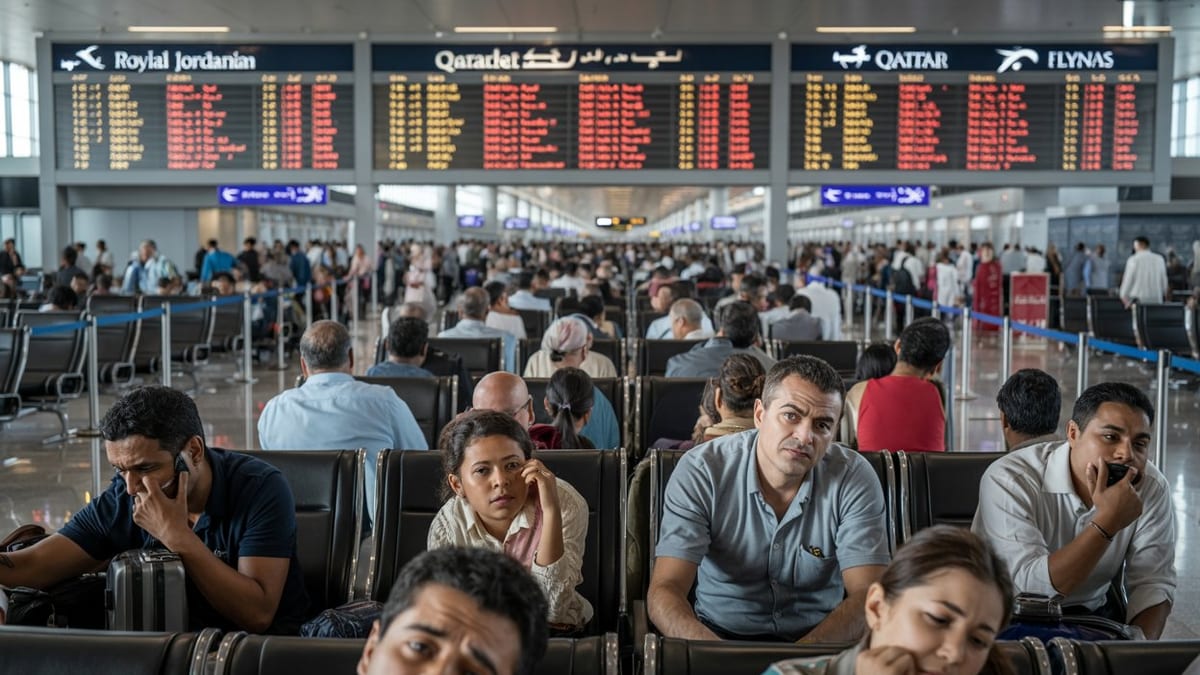
Major Hubs Across the Country Struggle With Backlogs
Publicly available tracking data and aviation dashboards show that delays have rippled across several of the nation’s busiest airports, including the primary hubs in Las Vegas, Atlanta, Denver, Houston, Phoenix, and the Washington area. The combined effect has been thousands of late departures and arrivals, straining tight schedules at already congested terminals.
Las Vegas and Phoenix, both key markets for leisure and low cost carriers, experienced particularly heavy late departures, complicating evening banked schedules and pushing some arrivals into the early hours of the morning. Travelers reported long lines, gate changes, and rolling departure times that made connections difficult to maintain.
In Atlanta and Denver, which serve as central connecting points for large national networks, the knock-on effect of earlier delays created arrival waves that exceeded gate and ramp capacity. When aircraft cannot be turned quickly, departures from those hubs tend to cascade behind schedule, drawing in flights from smaller regional cities and creating broader system-wide disruption.
In the Washington region and Houston, a mix of local weather constraints, traffic management initiatives, and high demand periods left traffic managers sequencing departures more conservatively. That produced longer taxi queues and airborne holding patterns that added to total delay minutes without necessarily appearing as formal cancellations.
American, Delta, SkyWest, Spirit, Frontier Among Most Affected
The disruption cut across several major brands, with American Airlines and Delta Air Lines experiencing high absolute numbers of delayed flights because of their large domestic operations. Regional operator SkyWest, which flies under multiple mainline brands, was also drawn into the disruption as its feeder flights relied on delayed mainline aircraft and congested hub airports.
Ultra low cost carriers Spirit and Frontier, which run dense schedules with limited spare aircraft on key routes such as Denver to Las Vegas and Phoenix and into Atlanta, appeared particularly sensitive to any operational disturbance. With fewer backup aircraft and tight turn times, a single extended delay earlier in the day can ripple across many later departures in their networks.
Historical performance data from government summaries and aviation analytics platforms indicates that, even in normal conditions, cancellation rates for many large U.S. airlines sit around low single digit percentages for domestic operations. When weather or system constraints tighten capacity, the probability of cancellations and lengthy delays tends to rise, especially during peak travel periods and at already congested hubs.
SkyWest’s role as a regional partner for several mainline carriers also complicates the overall picture. Disruptions on one brand can quickly spread across others when regional flights are cross-utilized, leaving passengers booked under different airline codes competing for the same limited aircraft and crew resources.
Weather, Air Traffic Constraints, and Tight Schedules Drive Disruption
Analysis of delay patterns suggests that several familiar factors are combining to drive the current wave of disruption. Weather remains a primary driver, as low clouds, storms, and high winds force air traffic managers to reduce arrival and departure rates at key airports, particularly in Denver and the mid-Atlantic region around Washington.
National aviation system constraints, including en route airspace congestion and temporary traffic management initiatives, can further limit capacity even when local weather at a departure airport appears calm. Public aviation reports describe these national system delays as distinct from extreme weather or airline controllable issues such as maintenance or crew availability, but passengers experience them in the same way, with late pushbacks and missed connections.
Operational data also highlight the role of tightly timed schedules. Many airlines design their networks around banked arrivals and departures to maximize connections at hub airports. When a mid-morning arrival bank runs late, ground and gate resources are stretched, and subsequent departure waves often leave behind schedule. By afternoon and evening, the result can be a rolling delay pattern that is difficult to recover without cancelling flights.
In addition, staffing and fleet utilization choices made over recent years, including lean reserve levels for pilots, cabin crew, and spare aircraft, leave some carriers with limited flexibility to recover from early day disruptions. That vulnerability is especially visible at carriers operating high-density point to point networks linking cities such as Las Vegas, Phoenix, and Denver.
Passenger Impact and Options for Disrupted Travelers
For travelers, the practical impact of 3,281 delays and 145 cancellations is measured in missed connections, overnight stays, and rearranged plans. Passengers transiting through major hubs are especially exposed, since a single late inbound segment can strand them far from home or their final destination when subsequent flights fill quickly.
Consumer advocates and travel industry guides advise passengers facing significant delays or cancellations to monitor airline apps and airport information screens closely, as rebooking options can change rapidly when large numbers of flights are disrupted. Same day alternatives on American, Delta, and other large carriers may be available in some cases, but high load factors during busy periods limit the number of open seats.
U.S. regulations and airline customer service commitments distinguish between controllable and uncontrollable causes of disruption, such as extreme weather. In general, passengers are entitled to a refund if a flight is cancelled and they choose not to travel, while additional compensation, meal vouchers, or hotel support may depend on the cause of the delay and each airline’s specific policies.
Travel planning experts frequently recommend building longer connection times when flying through weather sensitive or highly congested hubs, especially during peak seasons. For trips involving airports such as Denver, Atlanta, or Washington, allowing extra time between flights and avoiding the last departure of the day on a route can reduce the risk of being stranded when operational disruptions develop.
Ongoing Monitoring as Airlines Work to Restore Schedules
As carriers work through the latest wave of delays and cancellations, operations teams are adjusting schedules, reassigning aircraft, and repositioning crews in an effort to restore more normal patterns. Recovery can take longer than a single day, particularly when crews reach duty time limits or when aircraft are positioned far from where they are next needed.
Industry data providers and real time tracking services show that airlines typically prioritize restoring core hub connections and high demand routes first, while lower frequency services and late night departures are more likely to face extended disruption. Travelers booked over the coming days may therefore continue to see schedule changes even after the worst of the current delays subsides.
Aviation analysts note that the pattern of widespread delays across multiple hubs, from the desert Southwest to the East Coast, underlines the sensitivity of the U.S. air travel system to concentrated weather events and peak demand surges. With passenger volumes remaining high, even modest capacity reductions at a handful of major airports can quickly translate into thousands of delayed flights nationwide.
For now, passengers planning trips through Las Vegas, Atlanta, Denver, Houston, Phoenix, Washington, and other busy hubs are being encouraged by travel experts to check flight status repeatedly on the day of departure, arrive early at the airport, and prepare for potential disruptions as airlines and airports manage the ongoing operational challenges.