

More news on this day
Thousands of passengers across Asia are facing hours-long waits and unexpected overnight stays as at least 2,399 flights are delayed and 86 cancelled across key hubs including Hong Kong, Singapore, mainland China, Japan, India, Malaysia and Saudi Arabia, disrupting operations at major carriers such as Cathay Pacific, AirAsia, SpiceJet, IndiGo and others.
Get the latest news straight to your inbox!
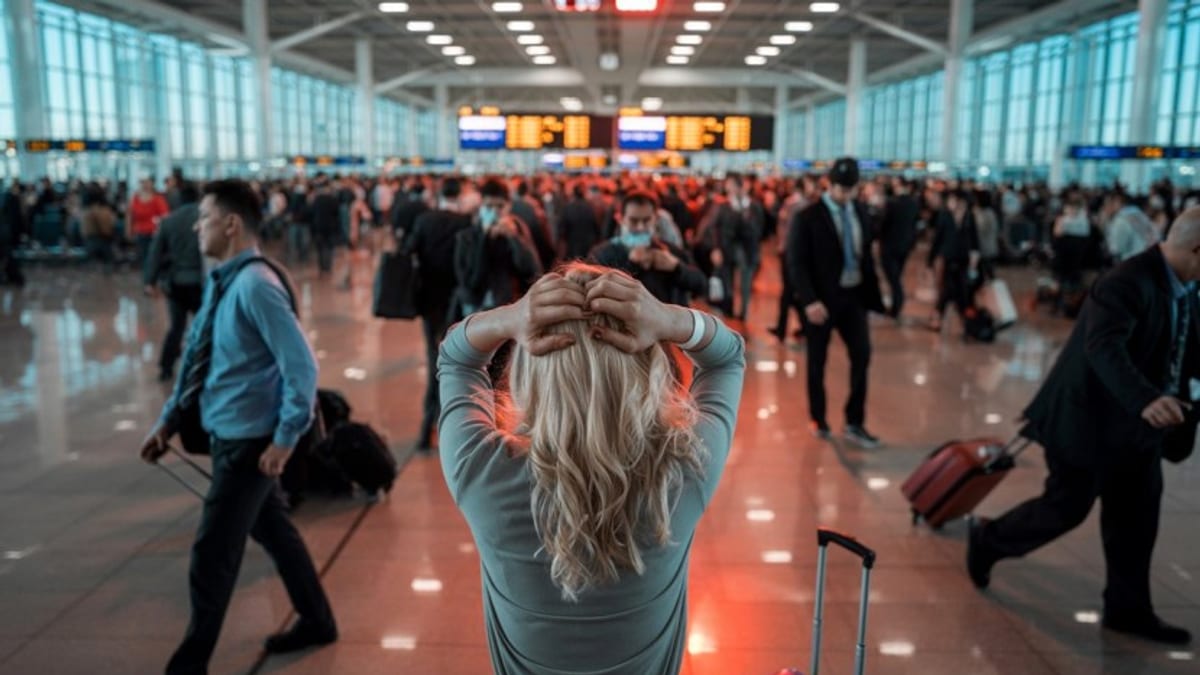
Image by Travel And Tour World
Major Asian Hubs Grapple With Widespread Disruption
Airports in Delhi, Hong Kong, Singapore, Kuala Lumpur, Tokyo and major Saudi gateways are reporting heavy operational strain as delays ripple through domestic and international schedules. Publicly available flight-tracking data and local media coverage indicate that the bulk of the 2,399 delayed services are concentrated on busy regional routes linking South Asia, Southeast Asia and North Asia, where tight aircraft rotations leave little margin for disruption.
Airlines serving these hubs are contending with congested airspace, weather-related constraints and knock-on effects from earlier schedule disruptions. When aircraft and crew are held up at one airport, subsequent rotations across the network are pushed back, compounding delays throughout the day. Reports indicate that ground handling teams in several airports are working close to capacity as they attempt to clear backlogs of arriving and departing flights.
In Delhi and Mumbai, delays to early morning departures have spilled into the afternoon and evening banks, with carriers adjusting departure times and, in some cases, trimming frequencies to stabilize their schedules. Similar patterns are being reported at Kuala Lumpur International Airport and Singapore Changi Airport, where high volumes of connecting traffic magnify the impact of each delayed or cancelled service.
Japan’s major airports, including Tokyo, are also seeing extended turnaround times as aircraft arrive off-schedule from other Asian cities. Passengers arriving on late inbound flights are frequently missing onward connections, adding further pressure on rebooking desks and call centers already stretched by the day’s irregular operations.
Flag Carriers And Low-Cost Airlines Under Pressure
Full-service and low-cost airlines alike have been pulled into the disruption. According to published coverage and operational updates, Hong Kong based Cathay Pacific has experienced rolling delays on regional services, forcing schedule adjustments on routes to and from key Asian cities. The airline’s complex long-haul and regional network means late arrivals can have outsized effects on subsequent departures.
In Southeast Asia, AirAsia and its affiliated brands have seen busy short-haul corridors particularly affected. High aircraft utilization across their fleets means that any unexpected ground time in Kuala Lumpur, Bangkok or Manila limits flexibility to recover schedules quickly. Publicly available information shows that some flights have been retimed by several hours, while others have been consolidated or cancelled where demand and crew availability allow.
Indian carriers SpiceJet and IndiGo are facing parallel challenges. IndiGo, which already operates an intensive domestic and regional schedule, continues to manage the aftermath of past operational strains while also navigating the current wave of delays. SpiceJet, operating a smaller network, has nonetheless reported disruption on routes connecting Delhi and other Indian metros with Gulf and Southeast Asian destinations.
Regional and secondary airlines are also being drawn into the turmoil. Carriers operating feeder services into major hubs report that delayed arrivals from larger partners have forced them to adjust their own timetables, creating a cascading effect for passengers travelling to smaller cities around Asia.
Knock-On Effects For Passengers Across The Region
The impact for travellers has been immediate and widespread. Thousands of passengers have been left waiting in terminal buildings for revised departure times, while others have been forced to seek last minute accommodation when evening flights were eventually cancelled. Social media posts and travel forum discussions from Delhi, Kuala Lumpur, Tokyo and other cities describe crowded check in halls, long queues at transfer and ticketing counters, and difficulty accessing up to date information on revised departure times.
In some cases, passengers on multi segment itineraries have reached transit hubs only to find that onward connections have already departed or been cancelled. With limited spare seats available at short notice, rebooking options on the same day can be scarce, particularly on routes already operating near capacity at peak travel periods.
Families and business travellers alike are reporting missed events, disrupted holidays and added costs. Travellers who booked non refundable hotels or tours at their destination are struggling to adjust plans, while those without comprehensive travel insurance are bearing additional expenses for meals, transport and overnight stays during unexpected layovers.
Airport services are also under noticeable pressure. Lounge access, seating near gates and customer service desks are in high demand as delayed passengers seek rest areas and assistance. Some airports have advised travellers through public announcements and digital displays to arrive early, stay updated on flight status and be prepared for potential last minute gate changes.
Operational And Geopolitical Factors Behind The Chaos
While each airline and airport is facing its own mix of challenges, a combination of operational and geopolitical factors underpins the current disruption. Airlines with dense schedules across Asia have limited slack in their fleets, meaning minor delays can quickly grow into multi hour hold ups when compounded by air traffic restrictions or ground congestion.
Airspace limitations linked to regional tensions and conflict zones are also reshaping flight paths. Publicly available route data shows that some carriers operating between Asia and the Middle East or Europe are flying longer, more northerly or southerly tracks to avoid sensitive areas, adding time to journeys and narrowing turnaround windows at Asian hubs. When these longer sectors arrive late into cities such as Hong Kong, Singapore or Delhi, subsequent departures are frequently forced to wait for aircraft and crew.
Weather related constraints, including seasonal storms and low visibility conditions at certain airports, have further reduced runway capacity at busy times of day. Even short ground stops for lightning or heavy rainfall can leave aircraft queued for takeoff or unable to land, pushing schedules out of alignment. With major holidays and event periods increasing travel demand in several markets, many flights are operating with high load factors, leaving little opportunity to redistribute passengers when services fail to operate as planned.
Maintenance and crew rostering rules add another layer of complexity. Once extended delays push pilots and cabin crew beyond allowable duty limits, airlines must find replacement teams or cancel flights altogether. Public information from several carriers indicates that last minute crew shortages have contributed to the tally of cancellations, especially on overnight and early morning departures.
What Travellers Can Do As Disruptions Continue
With irregular operations still affecting multiple hubs, travellers across Asia are being urged by airlines and airport operators, through public advisories, to stay as informed and flexible as possible. Checking flight status frequently on official airline channels and airport information boards remains essential, particularly in the 24 hours before departure.
Passengers already at airports are finding that rebooking via mobile apps or websites, where available, can sometimes be faster than queuing at service desks. Travel insurance with disruption coverage and flexible booking options are proving valuable for some travellers, allowing them to adjust itineraries without incurring full change penalties when schedules shift by several hours or more.
Observers note that while airlines are gradually restoring parts of their schedules, the backlog created by thousands of delayed flights and dozens of cancellations may take several days to fully resolve. Travellers with non essential journeys are, in some cases, opting to postpone trips until load factors moderate and flight patterns stabilize, in the hope of avoiding the most acute peaks of congestion.
For now, the scale of delays and cancellations across Hong Kong, Singapore, China, Japan, India, Malaysia and Saudi Arabia underlines how interconnected Asia’s aviation networks have become. Disruption starting in one part of the region can rapidly reverberate through others, leaving passengers far from the original flashpoint waiting for aircraft and crews that never quite arrive on time.