

More news on this day
Thousands of travelers across the United States faced hours-long delays and abrupt cancellations as a wave of disruptions rippled through major hubs in Chicago, Los Angeles, Washington D.C., Austin, New York and Fort Lauderdale, with data showing 2,791 flights delayed and 159 canceled across carriers including Republic, Southwest, Spirit and United.
Get the latest news straight to your inbox!
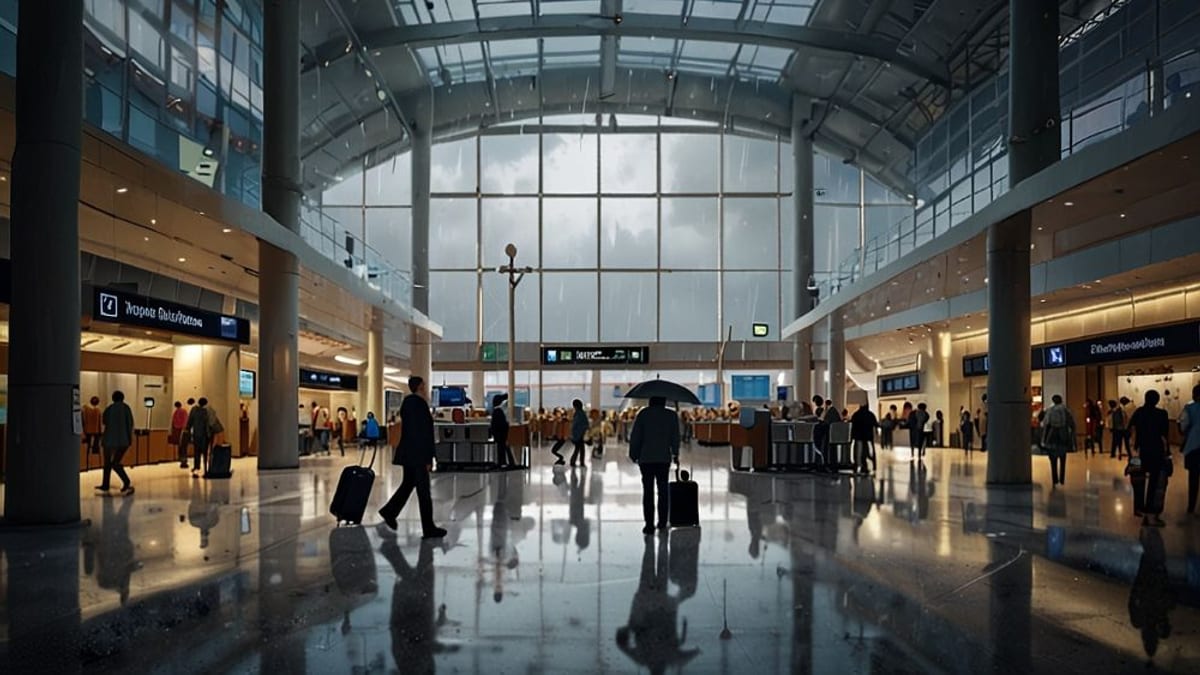
Image by Travel And Tour World
Wide-Ranging Disruptions Across Key U.S. Hubs
Publicly available tracking data on Sunday indicated a sharp spike in operational problems concentrated at some of the country’s busiest airports, including Chicago, Los Angeles, New York, Washington D.C., Austin and Fort Lauderdale. The combined tally of 2,791 delays and 159 cancellations represented a significant interruption at the outset of the spring travel period, when airports are already under pressure from rising passenger volumes.
The disruptions affected a mix of domestic and regional routes, leaving travelers stuck in terminals or scrambling to rebook. Chicago and New York, both complex airspace markets with heavy traffic and weather sensitivity, appeared to carry an outsized share of the network strain, with delays there cascading into secondary markets such as Austin and Fort Lauderdale.
Reports from flight-tracking services and aviation dashboards showed knock-on effects throughout the day, as late arrivals forced aircraft and crews out of position. That pattern has become increasingly common in the post-pandemic era, where tight schedules and high load factors leave airlines with limited slack to absorb even modest operational shocks.
While the overall number of cancellations remained lower than major holiday meltdowns seen in recent years, the scale of delays meant many passengers reached destinations hours behind schedule, and some missed connections entirely.
Republic, Southwest, Spirit and United Under Pressure
The disruption stretched across a diverse group of carriers, from regional operator Republic Airways to low cost airlines Southwest and Spirit, and network giant United Airlines. Public data and recent federal consumer reports show that all four play significant roles at the affected airports, meaning even a moderate rise in delays can be felt widely across the system.
Republic, which primarily operates regional flights feeding larger carriers, often serves congested facilities such as New York and Washington area airports. When those hubs slow down, regional operations can be among the first to be held at the gate or placed into ground-delay programs, creating bottlenecks for connecting traffic.
Southwest, with a point to point network that relies heavily on aircraft circulating constantly through cities like Chicago, Los Angeles and Austin, is particularly vulnerable to cascading effects when early flights run late. Industry analyses and past disruption patterns have shown that a delay in one city can quickly ripple across the entire Southwest network as aircraft and crews miss tightly scheduled turns.
Spirit and United, both with significant presences in Fort Lauderdale and major coastal markets, also appeared prominently in the day’s delay and cancellation figures. United’s large operations in Chicago, Los Angeles and the New York area mean that any constraints at those hubs can rapidly affect both domestic and international connectivity for passengers trying to move through the system.
Weather, Congestion and System Strain Behind the Numbers
Early assessments of the disruption pointed to a familiar combination of contributing factors: seasonal weather instability, congested airspace around coastal and Midwestern hubs and broader strain on the national aviation system. Government data and recent research into delay patterns indicate that even non extreme weather, such as low ceilings, gusty winds or thunderstorms near approach paths, can trigger capacity reductions that multiply across an already busy schedule.
In hubs like Chicago and New York, those capacity constraints are magnified by dense traffic and limited runway configurations, while airports serving Los Angeles and Washington D.C. must carefully choreograph flows through shared airspace. Reports and visualizations of recent U.S. delay data have consistently placed these airports among the country’s more disruption prone locations, particularly during transitional seasons when weather systems move quickly through multiple regions.
Operational factors inside airlines can compound the challenge. Tight crew scheduling, aircraft utilization designed to maximize flying time and ongoing staffing mismatches in areas such as maintenance or ground handling can all contribute to longer recovery times once delays begin. Congressional and academic reviews of the post pandemic aviation network have noted that systemic resilience has not fully rebounded to pre 2020 levels, leaving carriers more exposed when multiple hubs slow simultaneously.
These conditions align with the pattern seen in the latest disruption, where no single catastrophic event appeared to be responsible, but rather a series of modest constraints across several high volume nodes combining into a major inconvenience for passengers.
Travelers Face Long Lines, Missed Connections and Limited Options
For travelers in Chicago, Los Angeles, Washington D.C., Austin, New York and Fort Lauderdale, the statistical picture translated into crowded terminals, long customer service lines and limited same day rebooking choices. As delays stacked up across the day, open seats on later flights became scarce, particularly on popular leisure routes from Florida and Texas and key business corridors linking coastal cities.
Online complaints from passengers on Republic, Southwest, Spirit and United highlighted familiar frustrations: rolling departure-time changes, gate holds without clear time estimates and last minute cancellations that forced overnight stays. With aircraft and crews out of position, some travelers reported being rebooked through distant hubs or receiving itineraries that stretched short journeys across multiple connections.
Consumer advocates have pointed to similar days of disruption as evidence that passengers need to understand their rights and each airline’s policies on vouchers, hotel accommodations and rebooking during delays and cancellations. Federal tools introduced in recent years allow travelers to compare what different carriers commit to provide when disruptions are within the airline’s control, but weather related and air traffic constraints can place many events into more ambiguous categories.
The uneven experience has led some travelers to weigh reliability metrics more heavily when choosing carriers and routes, particularly for time sensitive trips such as cruises, international connections or major events.
What the Latest Disruption Signals for Spring Travel
The spike in delays and cancellations across multiple airlines at the end of March arrives as U.S. airports head into a busy spring and early summer season. Forecasts from aviation analysts and airport authorities anticipate record or near record passenger volumes in 2026, driven by strong demand for both leisure and business travel.
Recent federal air travel consumer reports have shown that, while cancellation rates have generally improved compared with some of the worst months early in the decade, delay rates remain elevated at many hubs, especially during periods of weather volatility. The latest figures from Chicago, Los Angeles, Washington D.C., Austin, New York and Fort Lauderdale suggest that operational buffers may still be thin when several hubs are stressed at once.
Industry observers indicate that travelers may face continued episodes of multi airport disruption as the year progresses, particularly on peak weekends and around major events. Airlines have added capacity and adjusted schedules, but infrastructure limits, air traffic staffing and changing weather patterns continue to challenge efforts to deliver consistently punctual operations.
For passengers planning upcoming trips, the events reflected in the 2,791 delays and 159 cancellations serve as a reminder to build additional time into connections, monitor flight status closely and consider the risk profiles of specific airports and carriers when choosing itineraries during busy travel periods.