

More news on this day
Thousands of travelers across the United States have been left stranded or facing hours-long waits as a wave of 4,458 flight delays and 257 cancellations swept through major hubs including Chicago, Los Angeles, Houston, New York, and Denver, disrupting operations for Delta Air Lines, American Airlines, United, SkyWest, Republic, Spirit, and other carriers.
Get the latest news straight to your inbox!
Storm Systems and Congested Skies Collide
Publicly available data from aviation tracking platforms and industry reports indicate that a combination of severe thunderstorms and unstable early spring weather has put major US airports under intense operational pressure. Chicago, New York, Denver and other central nodes in the national network have been particularly vulnerable as fast-moving storm cells forced ground stops, extended arrival metering and diversions.
At Chicago O’Hare, a ground stop and subsequent ground delay program were implemented for much of the day as storms moved through the Midwest, reducing the number of arrivals allowed to land each hour. Similar constraints were reported at New York’s LaGuardia and other Northeast gateways, where low clouds, heavy rain and gusty winds slowed traffic and triggered rolling delays that cascaded through airline schedules.
In Denver, shifting wind patterns and intermittent storms added to the turbulence in the system. Reports from recent days show that the airport, a crucial connecting hub for western and transcontinental routes, has repeatedly seen elevated levels of delayed departures, which in turn have disrupted flights to and from Los Angeles, Chicago, Dallas and New York.
These overlapping weather disruptions hit during a busy travel period, with high passenger loads limiting the ability of airlines to quickly rebook affected travelers. Once early bank departures slipped behind schedule, knock-on effects rippled outward, increasing congestion on taxiways, stretching gate availability and reducing slack in already tight timetables.
Major Airlines Face Mounting Operational Strain
The latest figures on delays and cancellations cut across virtually every segment of the US airline industry, from legacy network carriers to regional operators and low-cost airlines. Delta Air Lines, American Airlines and United were among the most heavily affected, reflecting their dominance at large hubs such as Atlanta, Dallas Fort Worth, Chicago O’Hare, New York and Los Angeles.
Regional partners, including SkyWest and Republic, also reported significant disruption. These airlines feed passengers from smaller cities into large hubs, so even a modest cancellation rate can leave entire spokes temporarily disconnected from the broader network. When connecting flights misalign, passengers can miss onward legs by minutes and face waits of many hours before the next available departure.
Low-cost and ultra-low-cost carriers such as Spirit, along with a range of other operators, encountered similar challenges as they navigated crowded airspace and weather-induced flow restrictions. With leaner schedules and fewer spare aircraft, budget airlines have less flexibility to swap planes or crews at short notice, so an initial disruption can quickly ripple across an entire day’s operations.
Industry coverage notes that while the number of outright cancellations remained below the highest peaks seen during past winter storms or large-scale technology failures, the sheer volume of delays created a different kind of strain. Flights departed hours behind schedule, crews bumped up against duty-time limits, and aircraft struggled to get back into position, compounding the operational difficulties facing each carrier.
Airports From Coast to Coast Under Pressure
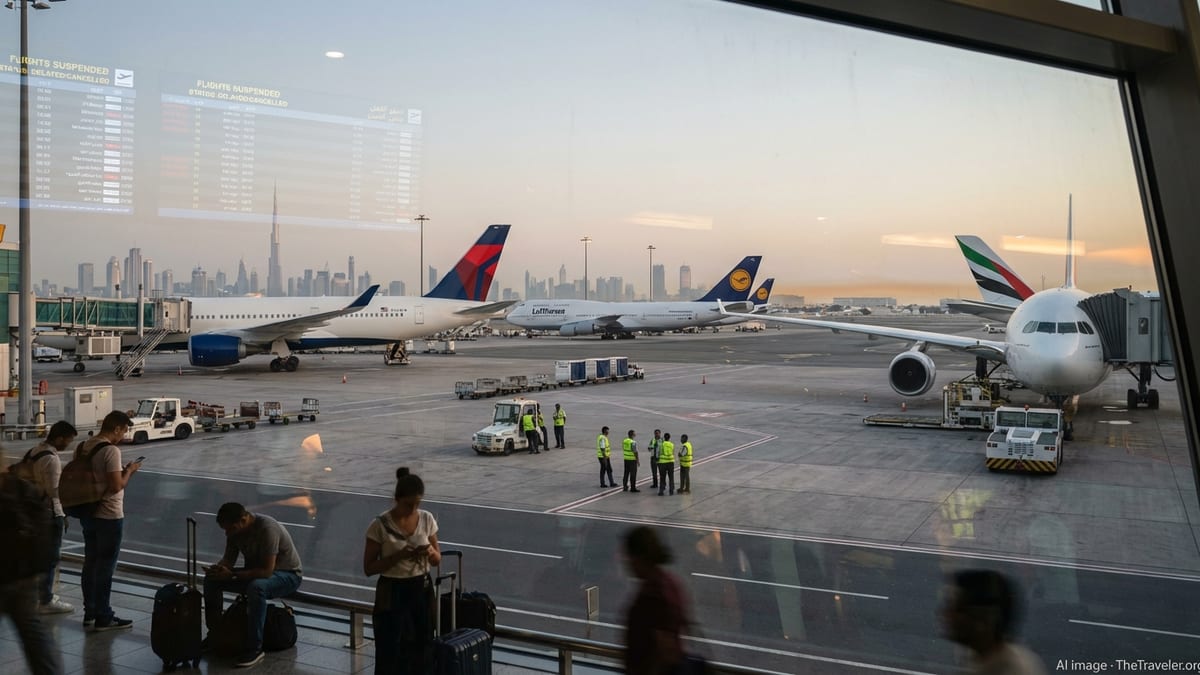
The impact of the current wave of disruption has been highly visible at airports across the country. In Chicago, Los Angeles, Houston, New York and Denver, departure boards filled with orange and red status alerts as delayed flights stacked up, leaving passengers clustered near departure gates and customer service counters.
Recent reporting from multiple outlets has highlighted how these aviation issues intersect with other pressures on the system, including prolonged security checkpoint queues at some airports. In Houston and other hubs, staffing shortages linked to the ongoing federal budget impasse have contributed to wait times that can stretch well beyond typical recommendations, further complicating the travel experience when flights are already running late.
In New York, the tight airspace around LaGuardia, John F. Kennedy International and Newark Liberty magnified the effects of even minor schedule slippages. When storms or low ceilings reduce the rate at which aircraft can safely land and depart, controllers must meter traffic across all three airports, increasing the likelihood of ground delays in other cities as flights await departure slots.
Meanwhile, Denver’s elevation and exposure to rapidly changing weather patterns often make it a bellwether for broader network stress. Reports indicate that shifts in wind direction and storm activity have led to changing runway configurations and temporary constraints on arrivals and departures, which then reverberate across connections to Chicago, Los Angeles, Dallas and East Coast destinations.
Passengers Face Long Lines, Uncertain Journeys
For travelers caught in the middle of this disruption, the practical effects are measured in hours waited, missed connections and improvised overnight stays. Many passengers have found themselves stranded in terminals as evening cancellations and rolling delays limit options to continue journeys the same day. Others have been routed through unfamiliar airports or rebooked on indirect itineraries that add substantial travel time.
Consumer guidance published by travel and aviation outlets consistently urges passengers to monitor airline apps closely, as departure times can change multiple times within a short window when storms or traffic management initiatives are active. With limited gate and seating capacity, some travelers have opted to remain airside near their departure gate rather than risk being caught in long security lines again if they leave the secure area.
Reports also emphasize the importance of checking the status of connecting flights, particularly those operated by regional affiliates such as SkyWest and Republic. Even when a mainline leg operated by a large carrier is still scheduled, the onward regional segment may already be delayed or canceled, forcing a rethink of routing plans or overnight arrangements.
Travel insurance and credit card protections vary widely, and publicly available consumer information notes that US regulations do not guarantee broad cash compensation for delays in the same way some overseas jurisdictions do. As a result, many stranded passengers are relying on airline policies around meal vouchers, hotel accommodation and same-day rebooking, which differ from one carrier to another and can depend on the cause of the disruption.
Strained System Highlights Ongoing Vulnerabilities
Aviation analysts and policy commentators note that the latest wave of delays and cancellations underscores long-running vulnerabilities in the US air travel system. Recent research into delay patterns points to tighter schedules, high aircraft utilization and limited spare capacity as factors that make the network more sensitive to shocks when severe weather or infrastructure issues arise.
The current situation follows a series of stress events over recent months, including major winter storms and technology outages that have led to mass cancellations. Each incident has prompted renewed scrutiny of how airlines staff crews, maintain contingency fleets and communicate with passengers when schedules begin to unravel, as well as how federal agencies manage air traffic flow during severe weather.
Public discussion has increasingly focused on whether additional investments in airport infrastructure, air traffic control modernization and staffing could increase resilience. Observers point to the way that delays at a handful of key hubs can quickly cascade across the country, affecting cities that are hundreds or even thousands of miles from the original weather disturbance.
For now, travelers planning to fly through busy hubs such as Chicago, Los Angeles, Houston, New York and Denver in the coming days are being advised, through publicly available guidance, to build extra time into itineraries, watch weather forecasts closely and remain flexible about routing. With thousands already affected by the latest 4,458 delays and 257 cancellations, the episode serves as another reminder of how quickly US air travel can grind to a halt when weather, staffing and capacity pressures converge.