

More news on this day
Thousands of travelers were left stranded this week after a major airline scrubbed hundreds of flights, adding fresh turmoil to an already fragile global air travel network coping with severe weather, regional conflicts and lingering staffing pressures.
Get the latest news straight to your inbox!
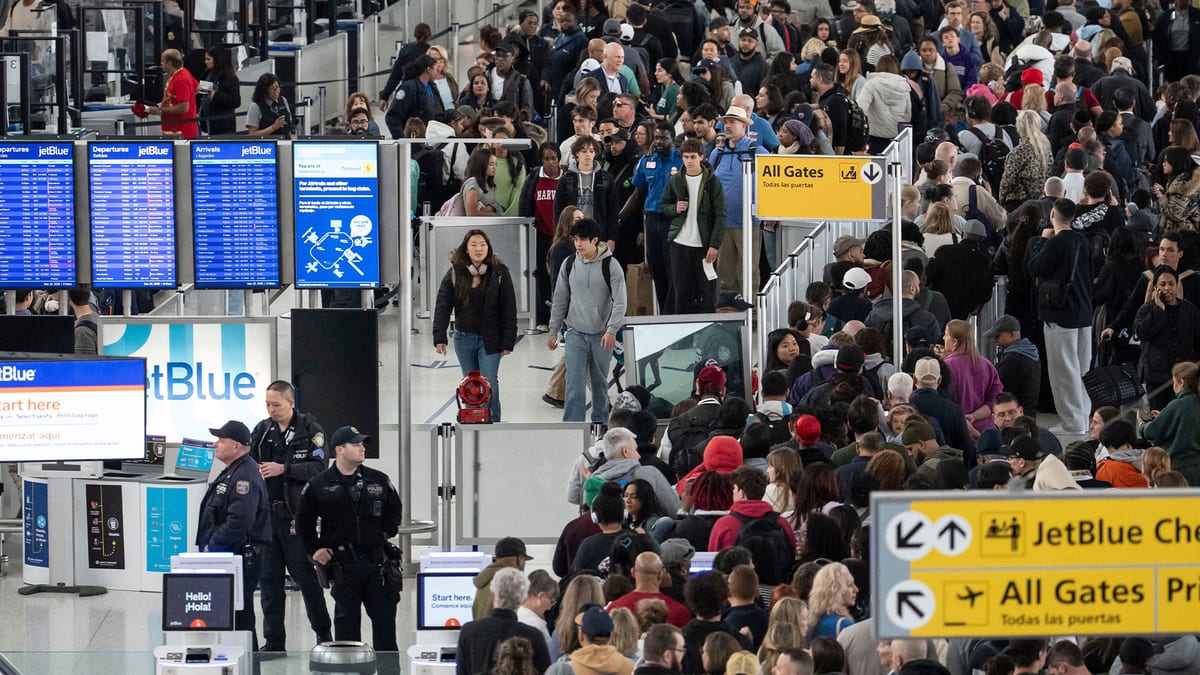
Wave of cancellations hits peak travel corridors
Published coverage and live flight-tracking data from late March and early April indicate that more than 300 flights at a single large carrier were canceled in a short span, with disruption felt across hubs in North America, Europe and the Middle East. The cancellations, coming during a busy spring travel period, triggered missed connections, overnight airport stays and a surge in rebooking demand.
Operational data compiled by aviation analytics firms shows that the latest disruption did not occur in isolation. Severe thunderstorms and late-season winter storms in the United States have already produced at least 200 cancellations and well over 2,000 delays across major airports in recent days, while blizzard conditions earlier in the year erased thousands of flights over multiple weekends. These events have stretched airline networks, leaving aircraft and crews out of position when new problems emerge.
Travel industry analysts describe a system operating with limited slack, where a single operational shock such as a storm front, an IT outage or an airspace closure rapidly cascades into hundreds of cancellations. The latest wave has followed that pattern, with a single airline’s schedule cuts rippling outward as partner carriers struggle to absorb displaced passengers.
Reports from multiple hubs suggest that passengers on affected routes faced waits of several hours or more to secure alternative flights, particularly on long-haul services where capacity is tight and load factors remain high. In many cases, travelers attempting to reach destinations in time for holidays, cruises or major events have been forced to abandon or significantly alter their plans.
Weather, war and weak buffers expose airline vulnerabilities
Publicly available information from meteorological agencies and aviation regulators shows that the 2025 to 2026 winter season has been one of the most disruptive for air travel in recent years, with multiple North American blizzards alone accounting for tens of thousands of canceled flights. Each mass disruption has left airlines with an intricate recovery task, reallocating aircraft and crews across complex networks.
At the same time, escalating conflict in parts of the Middle East has triggered airport closures and widespread rerouting of flights that once relied on Gulf hubs as critical waypoints between Europe, Asia and Africa. Travel and aviation outlets report that thousands of services have been canceled or redirected as carriers avoid affected airspace or temporarily suspend routes into the region, stranding passengers with onward connections.
Airlines have also faced pressure from new or tighter operational rules in some markets. In India, for example, changes to crew duty and rest regulations during 2025 contributed to a scheduling crisis at a leading carrier, which canceled thousands of flights over several days and left tens of thousands of passengers without their planned journeys. Although that episode occurred months earlier, it illustrates how quickly an airline can become overwhelmed when staffing levels and scheduling practices leave little margin.
Experts reviewing these events point to a common theme: lean operating models and constrained staffing leave major carriers vulnerable when multiple external shocks land in quick succession. While severe weather and geopolitical events sit beyond airline control, limited spare capacity means disruptions tend to be deeper and more prolonged than many travelers expect.
Passengers stranded, compensation rules tested
The latest cancellations have once again pushed passenger rights and compensation rules into the spotlight. Consumer advocacy groups highlight existing frameworks in key jurisdictions, including regulations in the European Union and United Kingdom that establish compensation thresholds when flights are canceled or significantly delayed for reasons within an airline’s control.
In the United States, publicly available guidance from transportation authorities underscores that passengers are generally entitled to a cash refund when an airline cancels a flight and the traveler chooses not to be rebooked, regardless of the reason for the cancellation. Separate airline-specific policies can also provide hotel vouchers, meal credits or ground transportation support when disruptions are attributable to controllable operational issues rather than weather or air traffic control constraints.
Recent enforcement actions against carriers that mishandled large-scale disruptions have raised expectations that airlines will respond more proactively when thousands of passengers are stranded. Regulators have cited previous meltdowns in which hundreds of thousands of travelers were left without timely rebooking options or clear communication, signaling that repeat failures could draw stiffer penalties.
Travel law commentators note that the growing patchwork of rules can be confusing for passengers caught in multi-leg, multi-jurisdiction journeys. A traveler on a canceled transatlantic flight, for example, may be covered by European-style compensation rules on one segment, while relying on different protections or carrier policies once they connect onward within North America or Asia.
Mounting pressure on airlines to build resilience
The scale and frequency of recent cancellations are intensifying debate over how airlines plan their schedules and invest in resilience. Policy briefs and industry studies circulated over the past year argue that aggressive cost-cutting, tight crew rosters and aging IT infrastructure have left some major carriers unable to cope with foreseeable shocks such as seasonal storms or localized airspace closures.
Analyses of previous disruptions, including large-scale holiday meltdowns and IT outages since 2022, show that airlines which maintained higher levels of reserve aircraft, cross-trained staff and modernized crew-management systems recovered more quickly after operational shocks. By contrast, carriers that relied on complex point-to-point networks or legacy software systems often took days to fully restore normal operations, extending the period during which passengers found themselves stranded.
Regulatory proposals in several markets now seek to tighten reporting requirements around cancellations and delays, strengthen minimum service obligations to passengers, and encourage investment in technologies that can automatically rebook disrupted travelers onto alternative flights. While industry groups caution that heavy-handed rules could raise costs and reduce route offerings, consumer advocates argue that the status quo leaves travelers bearing too much of the risk.
For individual airlines, the reputational stakes are high. Repeated episodes in which thousands of passengers are left without clear information, timely refunds or practical rebooking options can erode customer loyalty and invite heightened scrutiny from regulators and lawmakers. The latest wave of cancellations is likely to add urgency to internal reviews of contingency planning, staffing and technology.
What travelers can do when flights are canceled
Travel advisories from consumer organizations and aviation specialists emphasize that when a major airline confirms widespread cancellations, the fastest path to a solution is often through digital channels. Airline mobile apps and websites typically update rebooking options in real time, allowing travelers to move onto later flights before limited seats disappear.
Specialists recommend that passengers check the status of their flight regularly in the days and hours before departure, particularly during periods of severe weather or geopolitical tension affecting key regions. Monitoring flight-tracking platforms can provide early warning of broader disruptions at a chosen departure or arrival airport.
Travelers are also encouraged to familiarize themselves with the carrier’s published policies on delays and cancellations before they fly. Understanding when refunds apply, what kinds of hotel or meal support may be available, and how to document expenses can help passengers make informed decisions once a disruption occurs.
As the latest episode of mass cancellations demonstrates, even experienced travelers can find themselves unexpectedly stranded when a major airline’s operations falter. With severe weather, geopolitical risk and tight airline staffing likely to remain features of the travel landscape through 2026, experts suggest that flexibility, preparation and careful itinerary planning will remain essential tools for minimizing the impact of sudden schedule changes.