

More news on this day
Thousands of passengers across the United States faced long lines, missed connections and unexpected overnight stays as a new wave of flight disruptions rippled through major hubs including Atlanta, Houston, Chicago, Orlando, New York, San Francisco and Philadelphia, with data showing dozens of cancellations and more than three thousand delays in a single day.
Get the latest news straight to your inbox!
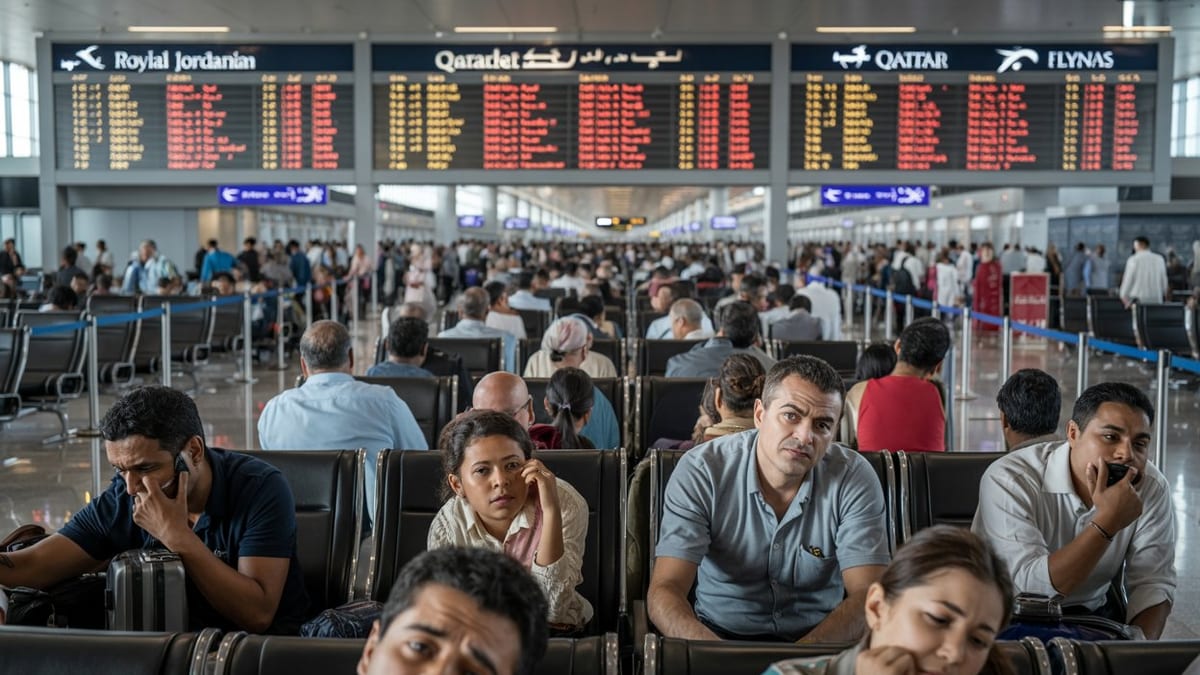
Nationwide Disruption Hits Leading U.S. Carriers
Publicly available tracking data and industry coverage from early April indicate that major U.S. airlines, including Spirit, American, Southwest, United and JetBlue, have been grappling with another intense period of operational strain, generating thousands of delayed departures and arrivals across the domestic network. Several outlets monitoring nationwide activity describe a pattern in which a relatively modest number of outright cancellations is overshadowed by a far larger volume of late-running flights, leaving terminals crowded and connection windows squeezed for travelers across the country.
On a recent high impact day, aggregated figures show more than 3,000 delays alongside several dozen cancellations affecting services run by large network carriers and low cost operators alike. Reports from aviation and travel publications indicate that multiple hubs experienced rolling schedule changes throughout the day, with the knock-on effects pushing some evening services past their intended departure times and forcing airlines to rebook stranded passengers onto the next available flights.
Spirit, Southwest and JetBlue, which operate dense networks linking Florida, the Northeast and midcontinent cities, appear prominently in disruption tallies compiled from flight status boards. American and United, whose hub-and-spoke systems depend on tightly timed waves of arrivals and departures, have also registered significant numbers of late and canceled services, particularly on days when weather, congestion and staffing constraints align.
Key Hubs Strain Under Heavy Delays
Major hubs from coast to coast have borne the brunt of the latest turbulence in U.S. air travel. Recent nationwide snapshots published by travel news outlets highlight New York, Los Angeles, Seattle and Orlando among the most affected metro areas, with more than 3,000 delays and over one hundred cancellations recorded on a single day, leaving thousands of travelers adjusting plans at short notice.
Atlanta, the world’s busiest passenger airport, has repeatedly appeared at or near the top of disruption rankings. Newly compiled data for early April show dozens of cancellations and several hundred delays there in just one 24 hour period, with airlines adjusting both domestic and transatlantic schedules as congestion built up. Coverage of operations at the airport describes how a canceled departure in Atlanta can quickly translate into missed onward connections in cities such as New York, Chicago, Miami and Orlando, amplifying disruption far beyond Georgia.
Chicago and Houston have also faced significant pressure, particularly on days when storms or airspace flow restrictions reduce runway capacity. Industry analysis of recent activity at United and American hubs indicates that once delays begin to accumulate at these airports, recovery can take many hours, leaving late night departures especially vulnerable to cancellation. Mid sized airports such as Nashville have reported spillover effects as well, with passengers arriving late from large hubs and finding their onward connections already closed.
Florida, Northeast and West Coast Corridors Especially Affected
Disruption has been especially acute along some of the country’s busiest leisure and business corridors. Florida airports, including Orlando and Miami, have seen repeated waves of delays and cancellations in recent days, according to aviation tracking summaries and travel industry reporting. One recent operational snapshot for Miami cited more than 250 delayed flights and a cluster of cancellations in a single day, affecting routes to major domestic and international destinations.
Orlando and Fort Lauderdale have experienced similar patterns, with low cost carriers such as Spirit and Frontier appearing frequently in delay statistics compiled from public data. These airports serve as critical gateways for family travel and cruises, so schedule changes can cascade into missed hotel check ins, cruise departures and theme park visits, leaving stranded passengers scrambling to find alternative arrangements at peak periods.
On the opposite side of the country, San Francisco has faced persistent operational constraints linked to runway work and revised landing procedures, as highlighted in recent aviation analysis focused on West Coast performance. Regulators have reduced the number of arrivals permitted per hour during the project, which reduces the system’s ability to absorb schedule shocks on days with challenging weather. Delays in San Francisco can, in turn, affect services across the network, including flights to and from major hubs like Houston and Chicago.
Performance Data Show Pressures on Airlines
While the latest disruption figures capture a single rough spell for travelers, broader performance statistics suggest that several carriers have been under mounting operational pressure throughout the spring. A recent analysis of North American on time performance for March shows that overall punctuality declined compared with the previous month, with large swings for some airlines as weather and congestion intensified across key routes.
According to that report, Spirit recorded one of the steepest month to month drops in on time performance among major North American carriers, indicating a higher share of its flights arriving more than fifteen minutes behind schedule. United and Southwest, while still operating a majority of flights on time, also contended with heavier disruption at various hubs, particularly on days when storms affected the central and eastern United States.
JetBlue, by contrast, saw a modest improvement in its on time record in March, though the carrier remains subject to the same Northeast airspace pressures that complicate operations for all airlines serving New York and Boston. The overall picture, drawn from multiple datasets and industry reviews, is of a system running close to capacity, where relatively small disturbances can quickly translate into widespread delays.
What Travelers Can Expect in the Coming Weeks
Travel and aviation analysts reviewing recent patterns suggest that elevated disruption levels may persist through at least the spring travel period as airlines, airports and air traffic managers juggle high demand, staffing limits and infrastructure work. Reports focusing on the Southeast and East Coast warn that hubs such as Atlanta, Miami, Orlando, New York and Philadelphia are likely to remain sensitive to storms and congestion, particularly during busy morning and evening peaks.
For passengers, the data points to a travel environment where delays are more common than cancellations but can still cause significant inconvenience. Industry guidance drawn from published coverage advises allowing extra time for connections, traveling with flexible plans where possible and monitoring flight status frequently through airline apps or airport information screens. Those steps cannot prevent disruptions but may give travelers more options if schedules start to unravel.
Consumer advocacy organizations and regulatory information stress that U.S. passengers are generally entitled to refunds when flights are canceled and they choose not to travel, although compensation rules differ from those in some other regions. As airlines work to stabilize operations after the latest wave of disruption, public figures on delays and cancellations remain a critical tool for travelers trying to decide when and how to fly through the country’s busiest hubs.