

More news on this day
Spring thunderstorms forecast for the Greater Toronto Area on March 31 are raising fresh concerns about flight delays at Toronto Pearson International Airport, as the country’s busiest hub continues to work through a turbulent stretch of weather-related disruption.
Get the latest news straight to your inbox!
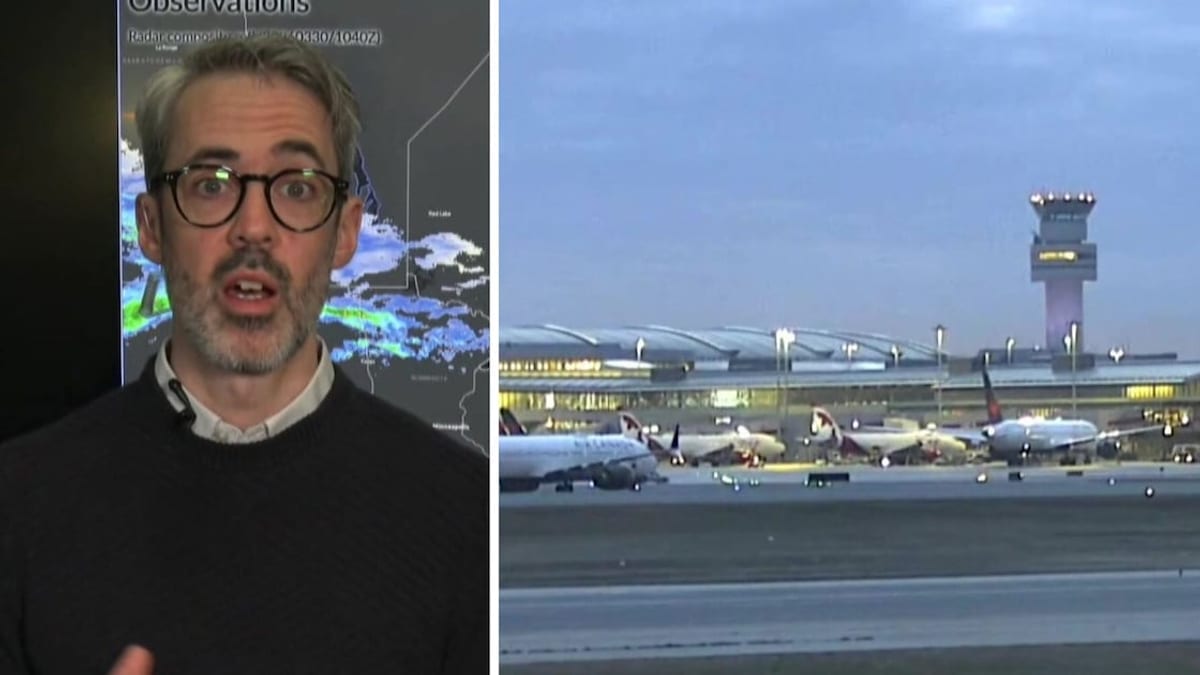
Image by CP24
Stormy Forecast Adds Pressure to a Busy Hub
Publicly available forecasts from Environment Canada and other weather services point to a risk of heavy rain and embedded thunderstorms around Toronto on March 31, with locally strong winds and reduced visibility possible across the region. While the most intense conditions are expected to be short lived, even a few hours of convective weather can significantly disrupt tightly packed arrival and departure banks at major airports.
Toronto Pearson, which handles more daily flights than any other Canadian airport, is particularly sensitive to convective systems that drift across the western end of Lake Ontario. Operational documents for the airport indicate that thunderstorm activity can force rapid shifts in runway configuration, temporarily suspend ramp operations because of lightning risk, and slow the rate at which aircraft can land and take off.
The combination of spring instability and high passenger volumes at the tail end of March break travel has heightened concern that even moderate storms could ripple through the schedule. Travel industry coverage notes that Pearson has already experienced several rounds of weather-related delays in recent weeks, putting airlines and ground operations under additional strain.
Recent Delays Highlight Weather Vulnerability
In the days leading up to the latest thunderstorm threat, Pearson has seen a notable number of late-running flights. Data compiled by travel trade publications for March 29 and March 30 described “major travel interruptions” at the airport, with several hundred delays and a smaller number of cancellations recorded across carriers serving domestic, U.S., Mexican and European destinations.
Separate reporting on March 30 indicated that major airlines including Air Canada, WestJet and several international partners were affected by a mix of operational pressures and residual weather impacts, contributing to rolling delays through the weekend. Although the causes varied by route, the pattern underlined how tightly coupled Pearson’s flight program is to both local and regional weather.
The current disruption follows a winter in which Pearson faced repeated operational challenges from snow, freezing rain and high winds across Ontario and the broader North American network. Coverage of recent blizzard conditions in the United States and eastern Canada has shown how quickly large systems can trigger gate gridlock and lengthy ground delays far beyond the core impact zone, particularly when aircraft and crews are out of position.
How Thunderstorms Disrupt Pearson’s Operations
Operational planning documents and aviation analyses of Toronto Pearson describe a multi-layered response when thunderstorms approach the field. Lightning in the vicinity can trigger ramp closures that prevent ground crews from loading baggage, refuelling or pushing aircraft back from the gate, even if runways themselves remain open for a period. These protective measures safeguard workers but can rapidly create queues of aircraft waiting to depart.
Thunderstorms also tend to reduce the arrival rate by forcing wider spacing between aircraft on final approach and limiting the use of certain parallel runway configurations. When strong crosswinds accompany a storm, controllers may have to switch runways or rely on less-preferred configurations, adding further delays as traffic is resequenced.
Historical case studies at Pearson and other large North American hubs show that convective weather often has an outsized impact during late afternoon and evening peaks, when thunderstorms are most likely to develop and when transcontinental and transatlantic banks are concentrated. Industry guidance frequently recommends booking earlier departures when severe weather is in the forecast, in part because morning flights benefit from aircraft and crews that overnighted at the airport before storms develop.
Travelers Weigh Options as Risk Increases
With thunderstorms on the horizon, airlines and travel advisers are encouraging passengers to build extra flexibility into their plans. Publicly available guidance from carriers and consumer organizations suggests monitoring flight status closely on airline apps, allowing additional time to reach the airport, and considering carry-on baggage where feasible to ease rebooking if disruptions occur.
Some carriers operating at Pearson have recently published advisories and flexible booking policies in connection with winter storms and other severe-weather events, allowing affected customers to change travel dates without additional fees. While no broad waivers had been widely reported specifically for the March 31 thunderstorm risk at the time of writing, past practice indicates that airlines may adjust policies if forecast conditions deteriorate.
Travel forums and passenger reports from recent storm-related disruptions at Pearson describe long lines at check-in and customer service desks when weather hits, and emphasize the value of being proactive. Many travelers now rely on digital tools to track inbound aircraft, explore alternative routings and, when necessary, book overnight accommodation near the airport.
Outlook for the Next 24 to 48 Hours
Short-range forecasts suggest that showers and thunderstorms around Toronto are most likely in a window that could overlap with key departure periods, particularly on routes to the United States and sun destinations that typically cluster in the late morning and afternoon. Even if the most intense cells pass quickly, residual congestion can result as aircraft wait for new departure slots and crews reach duty-time limits.
At the same time, meteorologists expect temperatures to remain well above freezing, which should limit some of the ice and snow-related complications that plagued Pearson earlier in the year. That may help the airport recover more quickly once lightning risk diminishes and normal ramp operations can resume.
For now, travelers with flights scheduled through Toronto Pearson over the next two days are watching conditions closely, aware that spring’s arrival in southern Ontario often brings a different type of weather challenge. The coming round of thunderstorms will provide an early-season test of how efficiently Canada’s busiest airport can navigate convective storms after a winter dominated by snow and ice.