

More news on this day
Severe thunderstorms and flash flooding across key U.S. hubs are causing another turbulent stretch for air travelers, with thousands of flights delayed or canceled as storm bands sweep from the Midwest to the East Coast.
Get the latest news straight to your inbox!
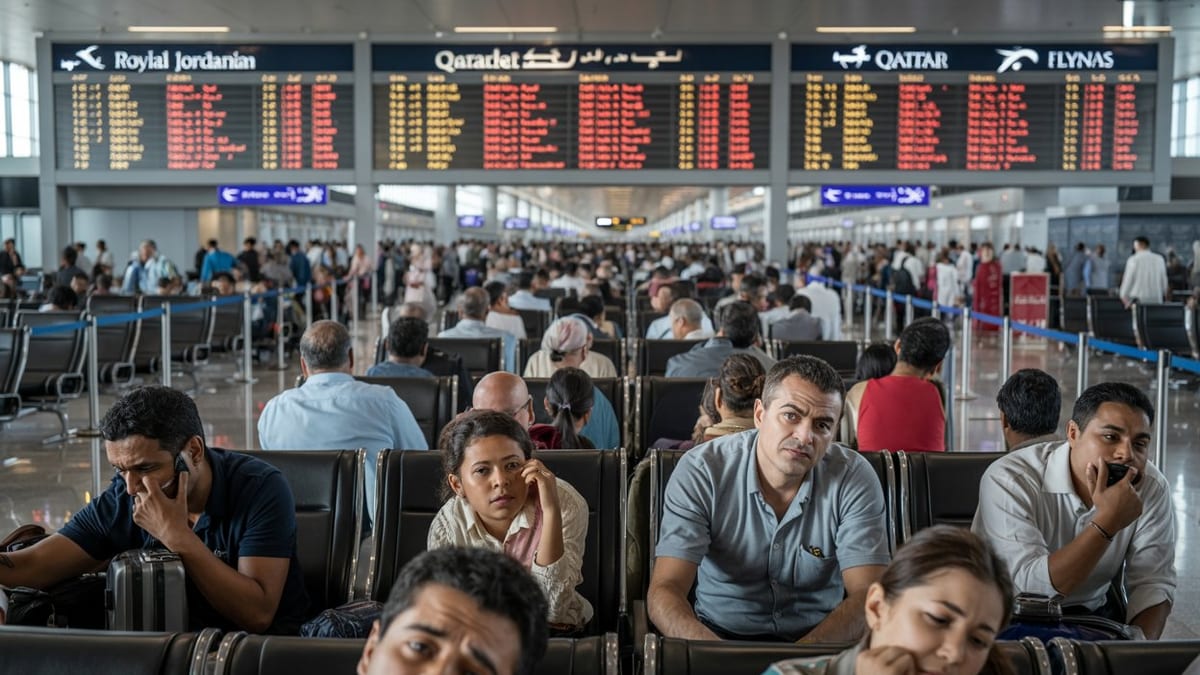
Storm Cells Stall Departures at Major Hubs
Powerful thunderstorm clusters rolling across the central United States have led to a fresh wave of flight disruptions at some of the country’s busiest airports. Flight-tracking tallies for Tuesday, March 31, 2026, show several thousand delays and more than a hundred cancellations nationwide as carriers struggled to keep aircraft and crews moving through the storms.
Reports indicate that Chicago’s O’Hare International Airport has been among the hardest hit, with the Federal Aviation Administration temporarily halting inbound flights during intense morning storms. A ground stop for O’Hare forced aircraft bound for the airport to remain at their points of origin, backing up schedules for American, United and their regional partners and triggering knock-on delays at other hubs connected to Chicago.
Thunderstorm watches stretched across much of northern Illinois and northwest Indiana through the afternoon, with forecasters warning of frequent lightning, torrential rain and pockets of small hail. Publicly available information shows that even brief breaks in the storms have not been enough to clear the backlog, as aircraft wait for safe weather windows and air traffic control meters departures to avoid congestion in storm-prone airspace.
Travel industry coverage notes that delays at O’Hare and other Midwestern hubs have rippled outward to secondary airports, particularly those tied to Chicago, Dallas and Denver through regional connections. Passengers on transcontinental and international routes have reported multi-hour holds on the tarmac and diversions as pilots route around convective cells.
Flash Flooding Amplifies Disruptions on the Ground
Alongside the thunderstorm threat aloft, flash flooding tied to repeated downpours has created hazardous travel conditions on the roads leading to airports. In parts of the central and southeastern United States, saturated soil and overflowing creeks have produced rapid water rises that complicate airport access just as airlines attempt to recover disrupted schedules.
Regional transportation updates describe water ponding on major approach highways and airport perimeter roads, slowing shuttle buses and ride-hailing traffic and prompting advisories for travelers to depart far earlier than usual. In some low-lying neighborhoods near airports, flooded underpasses and ramp closures have forced detours that add further uncertainty to already fragile travel plans.
Past events highlighted in national coverage show how prolonged flash flood conditions can keep disruption going long after the heaviest rain ends. Even as thunderstorms clear, standing water, damaged infrastructure and river flooding can impede staffing and deliveries at airport facilities, from fuel operations to catering and baggage handling.
For travelers, the combination of airfield restrictions and ground transport challenges has meant missed connections and overnight stays in hub cities. Consumer advocates point out that in weather-related disruptions, federal rules generally do not require airlines to provide hotel vouchers, leaving many passengers to absorb unplanned costs when floods and storms derail itineraries.
Stormy Spring Follows a Winter of Weather Turmoil
The latest round of thunderstorm and flash flood disruptions arrives on the heels of a winter marked by multiple high-impact storms for U.S. aviation. A historic blizzard in late February brought more than 9,000 cancellations in the Northeast over two days, while a powerful March system delivered blizzard conditions in the Upper Midwest and severe weather, including tornadoes, across the South and Mid-Atlantic.
According to published airline and financial disclosures, major carriers have already booked hundreds of millions of dollars in weather-related impacts for early 2026. One large U.S. airline recently cited a substantial revenue hit tied to a winter storm that forced thousands of cancellations, underscoring how quickly severe weather can erode quarterly profit guidance.
Government and industry data summarized by meteorological firms show that thunderstorms remain a leading cause of flight delays in the United States, far exceeding impacts from snow and ice in terms of annual frequency. Convective storms can close entire arrival and departure corridors, halt ramp operations due to lightning, and create sudden wind shifts that limit runway availability, all of which combine to magnify disruption at hub airports.
This spring pattern, following a stormy winter, has renewed questions within the travel sector about the resilience of the U.S. air travel network to increasingly volatile weather. Analysts note that even when cancellation rates remain relatively low, sustained high volumes of delays can undermine traveler confidence and push more people to avoid tight connections or choose alternative modes of transport for shorter routes.
Airlines Lean on Waivers and Rebooking Tools
As thunderstorms and flash flooding hit key markets, airlines are again turning to advance travel waivers, flexible rebooking policies and mobile tools to manage the fallout. Public advisories from major carriers in recent days have encouraged passengers headed through affected hubs, particularly in the Midwest and along the East Coast, to change their itineraries without standard change fees when possible.
United, American, Delta, Southwest and other carriers have expanded use of digital rebooking, allowing travelers on canceled or significantly delayed flights to select new options via apps and websites rather than waiting in long customer-service lines at airports. Industry reports describe these tools as critical during rolling thunderstorms, when schedules can change multiple times in a matter of hours as weather cells develop and dissipate.
At the same time, constraints on crew availability continue to limit how quickly airlines can recover, even when storms move out of a region. Once pilots or flight attendants reach duty time limits, crews may not legally continue flying, leading to additional cancellations that appear after the worst of the weather has passed. Analysts following the sector note that tight staffing at some carriers makes it harder to substitute rested crews or spare aircraft on short notice.
Travel organizations advise that passengers facing weather-related disruptions focus first on securing alternate flights using airline apps, then look at nearby airports within driving distance that might offer more options once storms pass. With flash flooding a concern in several storm-affected states this week, guidance also stresses checking road conditions and local advisories before committing to ground transfers between airports.
What Travelers Can Expect in the Coming Days
Meteorological outlooks for the first days of April point to additional rounds of thunderstorms and localized flash flooding across portions of the Plains, Midwest and Southeast, suggesting that U.S. air travel may face further weather-related turbulence beyond the current wave of disruptions. While not every storm system will hit major hubs at peak travel times, the pattern of repeated convective outbreaks increases the risk of intermittent ground stops and route adjustments.
Industry observers expect airlines to maintain a cautious stance on operations in storm-prone corridors, favoring preemptive schedule thinning and generous rebooking options rather than operating at full capacity into unstable conditions. Flight-tracking data during recent events has shown that modest reductions in scheduled departures can sometimes limit the scale of cascading delays, even if day-of cancellations frustrate some travelers.
Passengers booked through affected regions this week are being urged in public guidance to monitor both airline notifications and local weather information, since flash flooding can disrupt airport access even when flight operations continue. With demand for spring and early summer travel already building, the latest thunderstorm and flood-related snarls are likely to reinforce calls from consumer groups for clearer communication and stronger protections when severe weather upends travel plans.
For now, the combination of volatile spring weather, saturated ground and a tightly scheduled national air network suggests that travelers should build in extra time, flexible connections and contingency plans whenever itineraries route through storm-prone hubs in the days ahead.