

More news on this day
Tianjin International Cruise Homeport has welcomed the arrival of the Vision, launching a new season of sailings to South Korea that underscores northern China’s ambitions to become a leading cruise tourism hub.
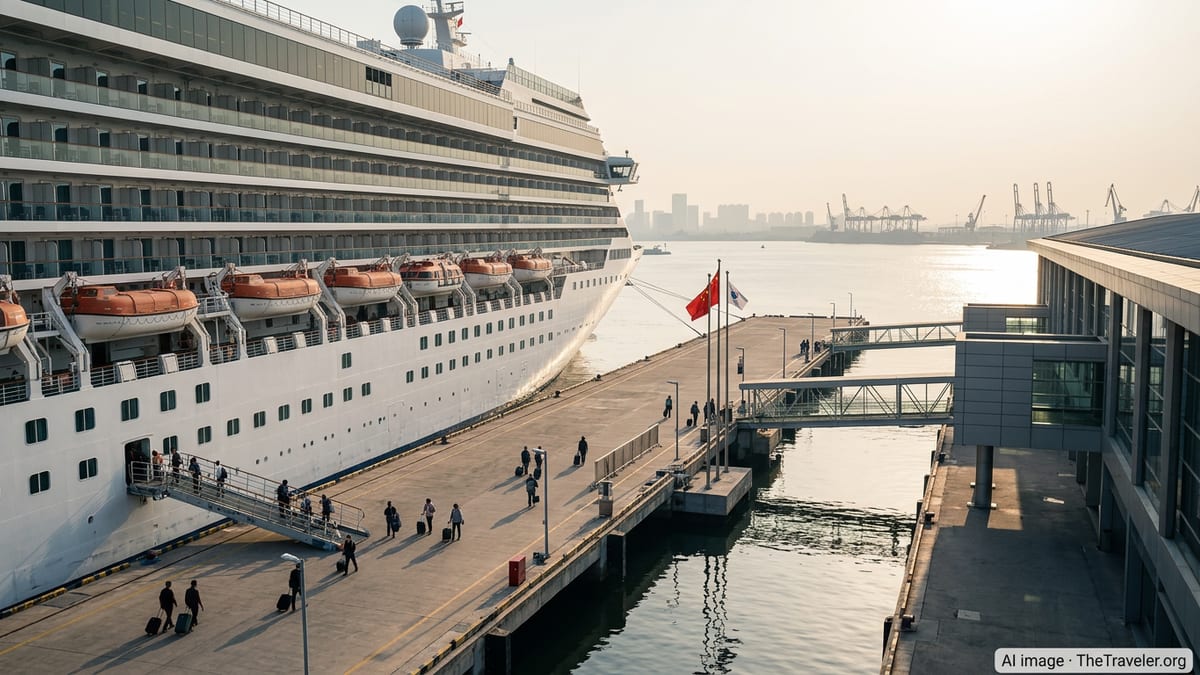
New Flagship Arrival Marks Milestone for Tianjin
The Vision’s inaugural call at Tianjin International Cruise Homeport on March 2 marked the vessel’s first deployment from a northern Chinese base, signaling renewed confidence in the country’s outbound cruise market. The ship, sailing under Tianjin Oriental International Cruise Line after a recent acquisition and refit, is now positioned as a flagship for the port’s post-pandemic recovery strategy.
Port officials and local tourism authorities staged a welcoming ceremony for the ship’s debut, highlighting the strategic importance of attracting large-capacity cruise vessels back to Tianjin. With its upgraded public spaces, expanded dining choices and family-focused amenities, the Vision is being promoted as a mid-sized ship that can introduce more first-time Chinese cruisers to regional itineraries.
The deployment strengthens Tianjin’s credentials as the primary deep-water cruise gateway for the Beijing–Tianjin–Hebei mega-region. Authorities say the Vision’s scheduled departures will help stabilize cruise traffic at the port while paving the way for additional domestic and international operators to resume or expand homeporting in northern China.
Industry observers note that Tianjin had already been a key stop for international brands before the pandemic, but the return of a season-long deployment is seen as a crucial step in rebuilding capacity and restoring consumer confidence in ocean cruising from northern China.
South Korea Itineraries Anchor New Cruise Season
Central to the Vision’s Tianjin program are five to seven night itineraries focused on South Korea, with Jeju, Busan and Incheon among the headline ports of call. These routes tap into strong pent-up demand among Chinese travelers for short-haul, visa-friendly holidays that combine shopping, culture and coastal scenery.
The sailings are designed to appeal to both first-time cruisers and repeat guests, with sea days balanced against full days in port for independent touring and guided shore excursions. Travel planners in both countries expect strong interest from families, younger travelers and group tours seeking simple, multi-destination trips without the complexity of air connections between cities.
South Korean destinations have been ramping up their own infrastructure to welcome larger numbers of cruise visitors from China, expanding terminal capacity and enhancing shore-side experiences. Ports such as Busan and Incheon are marketing themed excursions centered on K-culture, coastal dining, wellness and shopping districts, aligning closely with the preferences of Chinese outbound travelers.
By concentrating its inaugural season on South Korea, the Vision effectively positions Tianjin as a launchpad for regional cultural exchange. The itineraries also diversify China’s cruise offerings, which have traditionally been dominated by departures from Shanghai and Southern China targeting a mix of Japanese and Korean ports.
Northern Hub Strategy Tied to Rail and Air Connectivity
The Tianjin deployment is deeply linked to the region’s broader transport network. High-speed rail services connecting Beijing and Tianjin in under an hour make it practical for residents and international visitors to combine stays in the capital with a cruise departure from the coast. Travel agencies are already promoting bundled land-sea packages that include Beijing city tours followed by a sailing on the Vision.
Tianjin Binhai International Airport’s growing flight network further supports the port’s aspiration to function as a northern cruise hub. The availability of regional and domestic connections allows passengers from across northern and western China to access sailings without routing through Shanghai or southern gateways.
Local authorities say the goal is to create a seamless experience where travelers can arrive by rail or air, transfer efficiently to the cruise terminal and embark within a single travel day. Investment in terminal access roads, passenger processing facilities and bilingual signage has been stepped up to meet the expected rise in cruise throughput.
The strengthened connectivity also opens new opportunities to attract international guests who may fly into Beijing for cultural sightseeing before boarding a regional cruise from Tianjin. Tourism officials hope this integrated model will boost hotel stays, retail spending and cultural visits across the wider Beijing–Tianjin–Hebei region.
Competitive Landscape in China–Korea Cruise Corridor
The Vision’s Tianjin-based program enters a fast-evolving China–Korea cruise corridor, where several operators are ramping up deployments from different Chinese ports. New and existing itineraries from Shanghai, Dalian and other coastal cities are adding Jeju, Busan and Incheon calls in response to revived demand and improving bilateral tourism links.
For Tianjin, the competitive challenge is to differentiate itself through ease of access to Beijing, efficient port handling and itineraries tailored to northern Chinese travelers. Market analysts say the Vision’s season will provide a test case for how quickly Tianjin can scale up cruise operations while maintaining service standards and managing peak-season congestion.
South Korea, for its part, is actively positioning itself as a central hub in Northeast Asian cruise tourism, investing in port infrastructure and destination marketing campaigns that specifically target Chinese cruise passengers. The country views cruise tourism as a way to distribute visitors beyond traditional city centers into coastal regions keen to attract new spending.
Industry experts note that closer coordination between Chinese homeports like Tianjin and South Korean destinations will be critical, particularly around customs procedures, shore excursion logistics and contingency planning for weather or geopolitical disruptions. Successful collaboration would help ensure a more resilient and attractive cruise product on both sides of the Yellow Sea.
Economic Ripple Effects for Tianjin and Beyond
The Vision’s deployment is expected to generate significant economic benefits for Tianjin and neighboring areas, from port fees and provisioning contracts to hotel, retail and transport spending by pre- and post-cruise guests. Local suppliers, including food producers, logistics firms and fuel providers, are positioned to benefit from the ship’s regular turnaround operations.
Small businesses in Tianjin’s urban districts are also anticipating new foot traffic as cruise passengers choose to spend additional nights in the city before or after their voyages. Restaurants, cultural venues and shopping areas are working with tourism agencies to develop experiences tailored to cruise schedules and language needs.
For the broader Chinese cruise industry, the Vision’s season in Tianjin serves as a signal that northern ports are reasserting their role alongside longer-established hubs. If occupancy and onboard spending meet expectations, analysts say it could encourage more lines to deploy tonnage to the region, further diversifying itinerary options across China’s coastline.
With its combination of South Korea-focused sailings, strong inland transport links and growing local support infrastructure, Tianjin International Cruise Homeport is betting that the Vision’s arrival marks the beginning of a more sustained phase of cruise tourism growth in northern China.