

Tigaki Beach on the north coast of Kos has long been a favorite with families and laid-back beach lovers, but in recent seasons it has gained a broader following among travelers looking for an easygoing alternative to the island’s busier party hubs.
With fine sand, shallow water, and a relaxed strip of tavernas and small hotels, Tigaki offers a distinctly unhurried side of Kos while still sitting within easy reach of Kos Town and inland mountain villages. Whether it is worth visiting depends on what you are hoping for from your Greek island escape.
First Impressions: What Tigaki Beach Is Really Like
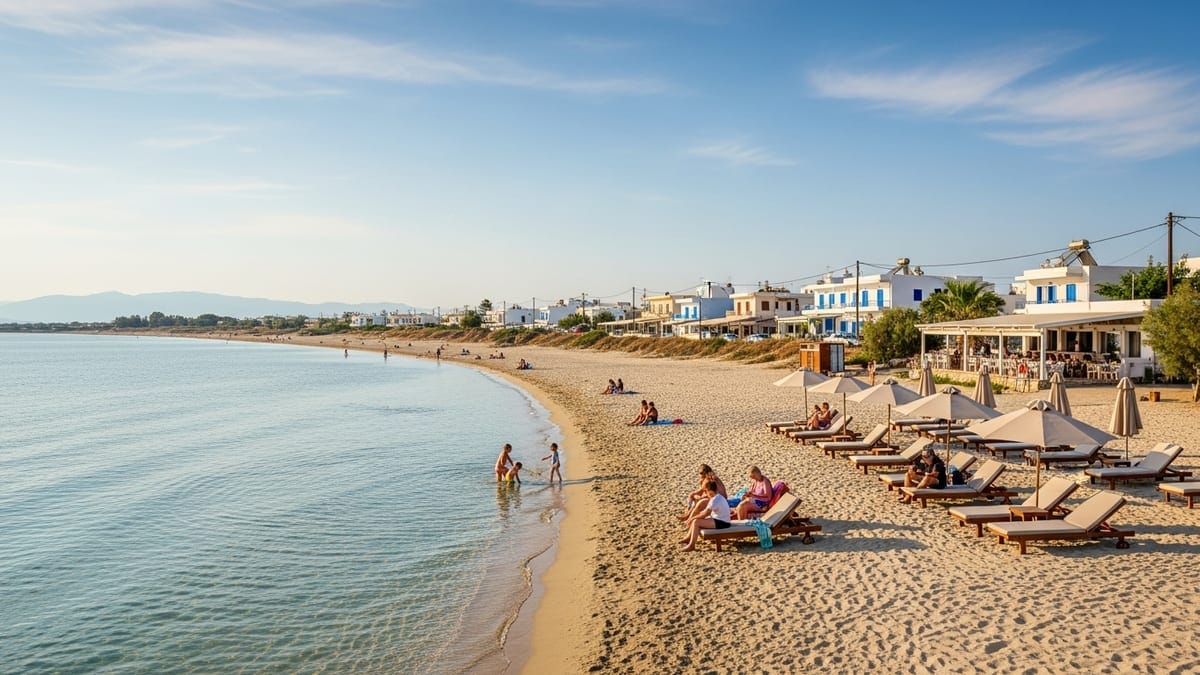
Tigaki stretches along several kilometers of coast on the north side of Kos, looking over the Aegean to the Turkish mainland on clear days. The beach itself is mostly pale, soft sand with a few pebbly patches at the waterline, and a shallow gradient that makes paddling and swimming comfortable for children and less confident swimmers. The shore is lined in parts with sunbed concessions and beach bars, but there are also sections that feel more natural and open, especially as you wander west toward the Alikes salt lake.
The village behind the beach is compact and low-rise, built largely around one main road that runs parallel to the sea. Here you find small family-run hotels, studios and apartments, with a scattering of mini-markets, car and bike rental agencies, and tavernas offering Greek staples rather than cutting-edge cuisine. The mood is relaxed, more about slow dinners and evening strolls than late-night clubs. Music spills from a handful of cocktail bars and lounges in high season, yet Tigaki still feels far calmer and more contained than larger resort strips elsewhere on Kos.
In terms of crowd mix, Tigaki attracts a lot of European families and couples, particularly from the UK, Germany, the Netherlands, and Scandinavia, plus independent travelers who use it as a beach base to explore the rest of the island. Package tourism is present through a few large hotels and beach clubs, but you will also find plenty of long-time repeat visitors who have been coming for years. This mix helps keep the atmosphere friendly and down to earth, with service that often feels personal and informal rather than slick and anonymous.
Visually, Tigaki is not the most dramatic beach on Kos. You will not get cliffs or dramatic coves, nor the sugar-cube density of a Cycladic island village. Its charm lies instead in its simplicity: a long, easy beach you can walk for ages, uninterrupted sea views, and just enough amenities to be comfortable without tipping into overdevelopment. For many travelers, that is exactly the point.
Water, Sand & Weather: Beach Conditions Through the Season
The core appeal of Tigaki is how user-friendly the beach is. The sand is generally fine and pale, especially in the better-maintained central stretches where sunbeds are laid out in neat rows. Toward the salt lake the sand can be a bit coarser, but it also tends to be less busy. The seabed is largely sandy as well, with the odd patch of seagrass or stone, though nothing that typically requires water shoes for most visitors.
The water is shallow for quite a distance out, especially in the main central section of the beach. This makes Tigaki particularly popular with families who want children to be able to splash safely close to shore. On calm days the sea can resemble a huge natural swimming pool, with long bands of turquoise fading to deep blue further out. There are days, especially in July and August, when winds from the north pick up and bring a bit of chop, yet conditions rarely feel intimidating for average swimmers.
Weather-wise, the season broadly runs from late April through October, with the peak in July and August. In high summer you can expect hot, mostly dry days, with afternoon temperatures often in the high 80s to low 90s Fahrenheit. The same winds that occasionally roughen the surface also help keep Tigaki cooler than more sheltered coves on the south coast. Early and late season tend to be milder, with May, June, September, and early October offering very pleasant beach weather without the crowds or peak-season prices.
If you are sensitive to wind, it is worth noting that the north coast of Kos is more exposed than the south. For some travelers this is a positive, since it makes the heat more bearable and creates conditions suited to beginner windsurfers and paddleboarders. For others, particularly those looking for mirror-flat, sheltered bays every single day, it is a factor to weigh. In practice, most visitors find that Tigaki delivers plenty of classic calm beach days, punctuated by the occasional breezier spell.
Location, Access & Getting Around
Tigaki occupies a convenient spot about 10 kilometers from Kos Town, the island capital and main ferry port. This proximity is one of its major advantages. You are far enough away to avoid city noise and cruise ship day crowds, yet close enough that a spontaneous evening in town or a harbor-side lunch remains an easy outing rather than a logistical expedition.
Reaching Tigaki from Kos Town is straightforward. Local buses operated by the island’s KTEL company run regularly between the main bus station in Kos and Tigaki throughout the day in season, with journey times of around 25 to 30 minutes. Typical one-way fares are in the low single digits in euros, and frequency increases in summer, with morning and late-afternoon departures timed around beachgoers. Taxis cover the same distance in roughly 15 minutes, usually at a fixed or clearly indicated rate that is still relatively affordable when shared by two or three travelers.
From Kos International Airport near Antimachia, Tigaki is around a 20 to 25 minute drive by taxi or rental car, depending on traffic and the specific hotel location. While there is no direct bus from the airport to Tigaki, you can connect via Kos Town by taking the airport bus into the capital and then transferring to the local line that serves Tigaki. For many visitors staying a week or more, hiring a car for part of the stay proves an attractive option, as it allows easy day trips to mountain villages like Zia, other north-coast resorts such as Marmari, and the dramatic beaches of the island’s southwestern tip near Kefalos.
Once in Tigaki, getting around on foot is simple. The central strip is compact, and most accommodation is within a short walk of the sea. For greater independence without hiring a car, consider renting bicycles or e-bikes, which are widely available in the village and particularly handy for reaching the salt lake, exploring nearby farm roads, or rolling over to neighboring beaches. The roads in and around Tigaki are generally flat, though summer heat means early morning and evening rides are often most comfortable.
Atmosphere, Nightlife & Who Tigaki Suits Best
The mood in Tigaki is distinctly relaxed and casual, especially compared with the more energetic scenes in Kos Town and party-oriented resorts on other Greek islands. Days revolve around the beach and the sea, while evenings are about sunset drinks, taverna dinners, and low-key bar hopping rather than big clubs or all-night dance floors. For travelers who like to unwind by the water and be in bed before the small hours, Tigaki’s rhythm feels just right.
Families tend to feel particularly at ease here. The shallow water, gentle beach slope, and mixture of organized and free sections make it easy to find a spot that suits your needs. Many hotels and apartments are set back just a block or two from the sea, which allows parents to move between pool and beach without marathon walks. Restaurants are accustomed to serving multi-generational groups, and menus are generally straightforward, with plenty of grilled meats, fresh fish, and simple pasta or pizza options for picky eaters.
Couples, especially those looking for a quieter base with the option of occasional nights in busier Kos Town, often choose Tigaki for its blend of beach life and access. You can spend your days reading under an umbrella or swimming in the shallows, then in the evening decide between a mellow beachfront cocktail bar, a taverna on the main strip, or a short taxi ride into town for a wider variety of nightlife. Solo travelers who value calm and walkability also find Tigaki appealing, although those craving highly social hostel-style atmospheres might feel better matched with accommodations closer to Kos Town.
Where Tigaki may disappoint is for visitors expecting a dramatically picturesque old town or a party resort. Architecturally, it is functional rather than historic, and while there are some stylish boutique hotels and beach bars, the village as a whole still feels like a traditional, slightly retro Greek resort with a strong family focus. If you imagine yourself hopping from chic cocktail lounge to cutting-edge restaurant each night, you may be happier basing in Kos Town or dividing your stay between multiple parts of the island.
What To Do: Beyond Sunbeds and Sea Swims
Spending long days on the sand with a book and the occasional swim is the classic Tigaki pastime, but the resort and its surroundings offer more than just static sunbathing. Water sports centers along the beach rent paddleboards, kayaks, and windsurf equipment when conditions are suitable, making it easy to add a bit of activity to your beach day. Beginners can often book short introductory sessions that fit neatly between spells of relaxation.
Behind the western end of the beach lies the Alikes salt lake, a shallow lagoon that becomes a magnet for birdlife in cooler months. From autumn through spring, visiting flamingos are a regular sight along with herons and other wading birds. Even outside peak birdwatching season, walking or cycling the dirt tracks around the lake offers a different perspective on the area, with wide open skies, salt-tolerant vegetation, and a quieter feel compared with the busier central beach.
For cultural and historical exploration, Tigaki functions well as a base rather than a standalone attraction. Regular buses and easy drives take you to Kos Town, where you can wander the medieval castle, visit archaeological sites like the ancient agora and Roman Odeon, and stroll shaded streets lined with shops and cafes. Inland, the hillside village of Zia provides sunset views across the island, small craft shops, and tavernas perched above the plain, all reachable in a relatively short drive from Tigaki.
Day trips further afield are another highlight. From Kos Town, excursion boats head to neighboring islands such as Pserimos and Kalymnos, while longer day cruises explore coves and bays along the Kos coastline. Returning to Tigaki after a day of sightseeing often feels like coming back to a calm base camp, where an evening dip and a simple meal by the sea are the default way to wind down.
Food, Drink & Where To Stay
Dining in Tigaki leans strongly toward Greek and Mediterranean comfort food, delivered in a relaxed, sometimes old-fashioned style. Beachfront tavernas serve grilled fish, calamari, Greek salads, and meze platters with classics like tzatziki, dolmades, and saganaki. Portions tend to be generous, and prices, while not the rock-bottom bargains of decades past, remain reasonable compared with many other island destinations. As with most resort villages, quality varies, so it can be worth walking a little away from the central junction or asking hoteliers for their personal favorites.
In recent years, a handful of spots in and around Tigaki have begun to experiment with more contemporary presentations and broader drink menus, including craft cocktails and a wider selection of Greek wines. Yet the heart of the village remains traditional. You are more likely to find homemade lemonade and carafes of house wine than molecular gastronomy or late-night tasting menus. For many visitors this is part of the appeal: meals feel unpretentious, good value, and anchored in local routines.
Accommodation in Tigaki ranges from budget studios and simple two-star hotels to larger resort-style complexes with pools, on-site restaurants, and organized activities. Many properties sit either directly on the beachfront or just behind the first row of buildings, which keeps walking distances short even if you do not have a sea view. Family-owned apartments with kitchenettes are abundant, making Tigaki a pragmatic choice for longer stays or travelers who like to prepare some meals themselves.
During high summer, demand from repeat visitors and package travelers can make Tigaki surprisingly busy despite its mellow image. Booking accommodation well ahead of July and August stays is wise, especially if you want a particular style of hotel or proximity to a quieter part of the beach. Shoulder months often deliver the sweet spot of availability, price, and pleasant weather, and are especially recommended if you value a more peaceful dining and sleeping environment.
Insider Tips for Making the Most of Tigaki
To experience Tigaki at its best, timing and small choices make a noticeable difference. Many regulars swear by early summer and early autumn visits, when the water is warm enough for swimming yet the beach is less crowded and temperatures more forgiving. In May and June, wildflowers can still be visible in the countryside behind the resort, while September often brings beautifully warm seas and long golden evenings as high season tapers off.
Within the day, early morning and late afternoon are the prime times to enjoy the beach more quietly. Arrive on the sand before most visitors wander down from breakfast and you can often claim a front-row umbrella or a patch of free space close to the sea. Similarly, staying out for an hour or two before sunset rewards you with gentler light, cooler air, and a softer atmosphere as families pack up and head for showers and dinner.
If you want a more space-rich, natural feel, walk west along the beach toward the salt lake. Crowds usually thin the further you go, and while there may be fewer organized facilities, the trade-off in peace and views can be worthwhile. Bringing a lightweight travel umbrella or beach tent is a good idea if you plan to use the unserviced sections regularly, given the relative lack of shade away from the main concessions.
Lastly, consider using Tigaki as a base for a few structured excursions rather than spending your entire stay in the same spot. A day combining Zia village and sunset, a cultural exploration day in Kos Town, and one boat excursion or a trip down to the beaches near Kefalos can transform a simple sun-and-sea break into a more rounded Kos experience without sacrificing the relaxed home base that Tigaki provides.
The Takeaway
So is Tigaki Beach worth visiting? For travelers dreaming of a gentle-paced beach village with soft sand, shallow sea, and a straightforward, friendly atmosphere, the answer is a clear yes. Tigaki offers exactly what many people seek from a Greek island holiday: uncomplicated days by the water, traditional meals in family-run tavernas, and just enough activities and excursions nearby to add variety without introducing stress.
It is not, however, the right fit for everyone. If you crave dramatic scenery, intense nightlife, cutting-edge dining, or a historic old town on your doorstep, you may want to base in Kos Town itself or combine Tigaki with stays in other parts of the island. Tigaki’s beauty is understated and functional rather than showstopping, and its social scene is better described as sociable and mellow than electric.
Ultimately, Tigaki shines as a place where you can truly slow down. You wake to the sound of the sea, stroll a few minutes to the sand, spend the day between the water and a sun lounger, then wander out in the evening for an unhurried meal and a drink under the stars. For families, couples, and solo travelers who see that as the essence of a holiday on Kos, Tigaki is not just worth visiting, but worth returning to.
FAQ
Q1. How far is Tigaki Beach from Kos Town and how do I get there?
From Kos Town, Tigaki is roughly 10 kilometers away. You can reach it by local bus in about 25 to 30 minutes, by taxi in around 15 minutes, or by rental car along straightforward main roads that are well signposted.
Q2. Is Tigaki Beach suitable for families with young children?
Yes, Tigaki is particularly popular with families. The beach has soft sand, a gently sloping seabed, and shallow water close to shore, which together create forgiving conditions for children and less confident swimmers, plus many nearby accommodations are family-oriented.
Q3. What is the best time of year to visit Tigaki Beach?
The main season runs from late April to October. For a balance of pleasant weather and fewer crowds, many visitors favor May, June, September, and early October, when temperatures are warm, the sea is swimmable, and the village feels lively but not overwhelming.
Q4. Are there water sports and activities available on Tigaki Beach?
Several operators along the beach offer activities such as paddleboarding, kayaking, and windsurfing when conditions permit. You can usually rent equipment by the hour and in some cases book beginner lessons, making it easy to add light adventure to your beach days.
Q5. How busy does Tigaki get in peak season?
In July and August, Tigaki can be quite busy, especially in the central section of the beach and around larger hotels. Even then, it generally feels calmer than big party resorts, and you can usually find more space by walking west along the shore toward the salt lake.
Q6. What are the dining options like in Tigaki?
Dining is largely centered on Greek and Mediterranean tavernas serving grilled fish, seafood, meats, and classic meze dishes, along with a few spots offering more contemporary menus and cocktails. The style tends to be relaxed and unpretentious rather than fine dining focused.
Q7. Is Tigaki a good base for exploring the rest of Kos?
Yes, Tigaki’s location makes it a practical base. It sits close to Kos Town for sightseeing and nightlife, within reach of inland villages like Zia, and within driving distance of other beaches like Marmari and those near Kefalos, especially if you hire a car for part of your stay.
Q8. What types of accommodation are available in Tigaki?
Tigaki offers a mix of simple studios, small hotels, family-run apartments with kitchenettes, and larger resort-style properties with pools and on-site dining. Most places are within an easy walk of the beach, and many cater specifically to families and couples.
Q9. Is Tigaki suitable for solo travelers?
Solo travelers who value a safe, relaxed environment and enjoy quiet beach time will likely find Tigaki appealing. While it is not a hub for backpacker-style social life, friendly tavernas, small bars, and organized excursions provide natural opportunities to meet other visitors.
Q10. Does Tigaki have nightlife or is it very quiet in the evenings?
Tigaki’s nightlife is low-key. Evenings center on tavernas, a few cocktail bars, and relaxed lounges rather than big clubs. It is ideal if you like to linger over dinner and drinks and perhaps listen to music, but less suitable if you are seeking late-night dancing and a high-energy party scene.