

More news on this day
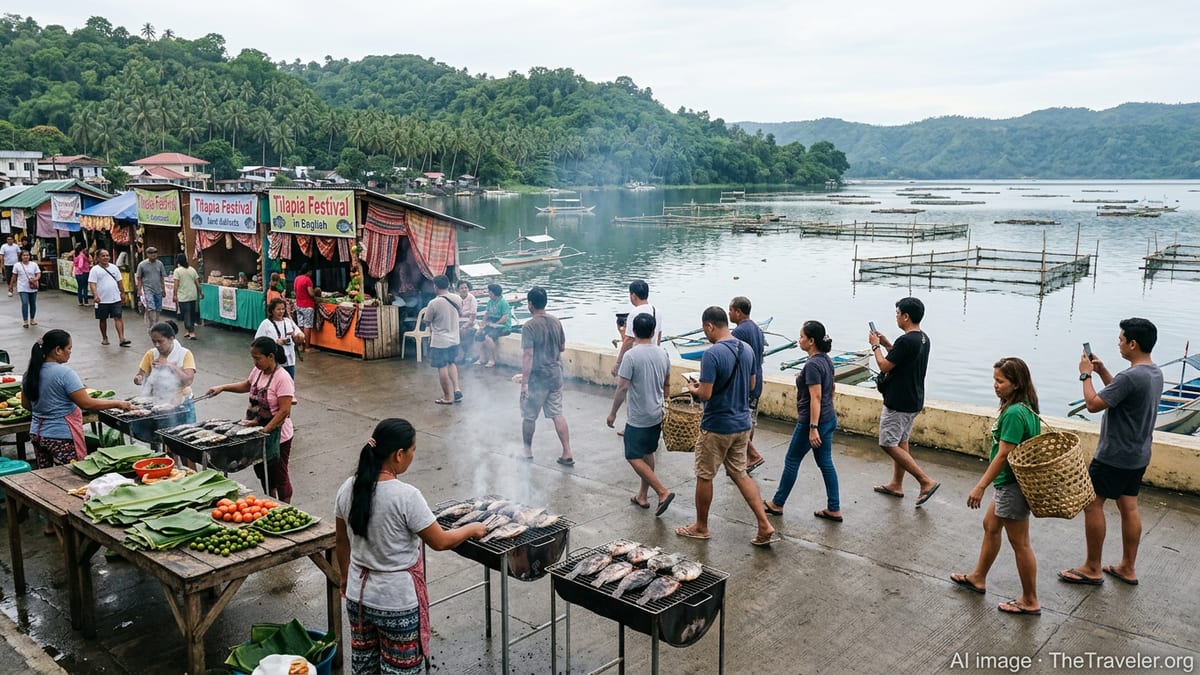
Across the Philippine countryside, humble tilapia is gaining star billing as rural communities in San Pablo, Laurel, and Bohol turn aquaculture know-how into colorful festivals that are beginning to draw a new wave of domestic and regional travelers.
Get the latest news straight to your inbox!
San Pablo’s Lakeside Tilapia Traditions Step Into the Spotlight
San Pablo City in Laguna has long been known for its seven crater lakes and coconut-themed celebrations, but tilapia has become an increasingly visible part of its rural tourism story. Publicly available local coverage highlights a “Tilapya Festival” promoted in recent years as a way to showcase sustainable tilapia production around the city’s freshwater lakes and to complement existing religious and cultural fiestas. These activities tap San Pablo’s established identity as a lakeside destination, adding an agrifishery focus to itineraries that once centered mainly on processions and street dancing.
Reports indicate that festival programs have included cooking contests, lake-side food fairs, and promotions of grilled, stuffed, and herb-infused tilapia dishes aimed at both residents and visiting food travelers. By spotlighting recipes that use locally grown herbs, vegetables, and coconut products, organizers position the fish as an accessible entry point to San Pablo’s wider farm-to-table network. For visitors already drawn by the city’s lakes and cool climate, the tilapia activities add a new culinary layer to weekend getaways from Metro Manila.
Tourism-oriented discussions around San Pablo increasingly frame tilapia as part of a broader countryside experience rather than a stand-alone product. Travelers are encouraged to pair lake tours with stops at small farms, garden cafés, and community markets where lake-fresh fish is sold alongside local produce. This bundling of food, landscape, and everyday rural life fits with national efforts to nudge visitors away from crowded urban attractions and toward lesser-known provincial cities.
Laurel’s Tilapia Festival Anchors a Lake Town’s Tourism Identity
In Laurel, Batangas, on the shores of Taal Lake, a dedicated Tilapia Festival has evolved into a signature event that highlights the town’s aquaculture-based economy. Municipal cultural information describes the festival as an annual celebration of Laurel’s thriving tilapia industry, featuring cooking competitions, educational exhibits on fish farming, and a suite of cultural performances and parades. The festival places fish cages, lake scenery, and farm families at the center of the municipality’s tourism messaging.
Local media reports on the sixth Tilapia Festival, held in June in recent years, portray a multi-day program combining float parades, street dancing, and evening cultural shows with aquaculture-focused activities. Visitors encounter stalls selling freshly grilled tilapia, creative fusion dishes, and processed products such as dried or marinated fillets, while learning about lake management and sustainable feeding practices. The event has also been linked with Farmers and Fisherfolks Day observances, which reinforces its agrarian roots and separates it from purely entertainment-driven fiestas.
Laurel’s experience illustrates both the opportunities and vulnerabilities of fish-centered tourism. Coverage in national and diaspora media in 2025 pointed to a short-term decline in consumer confidence in lake fish following the discovery of human remains in Taal Lake, affecting demand for tilapia and milkfish. In response, local narratives around the festival have increasingly emphasized transparency, quality control, and the role of science-based monitoring. For travelers, the festival offers a lens on how a lakeside town manages risk, protects livelihoods, and still presents an attractive, authentic rural experience.
Bohol Tilapia Festival Plans Add Fresh Dimension to Countryside Circuits
Known internationally for its Chocolate Hills and tarsier encounters, Bohol is now exploring tilapia-themed festivities as a way to diversify its countryside tourism beyond established coach tours. A 2025 report from the Philippine Information Agency detailed proposals at the provincial level to institutionalize a Tilapia Festival every third week of November, tentatively set for November 19 to 21 each year. The plan, based on data from the Bureau of Fisheries and Aquatic Resources, reflects findings that tilapia has become a leading protein source for many Boholano households.
Under the proposal, the festival would promote tilapia’s economic and nutritional importance, open new market channels for fresh and value-added fish products, and encourage upland aquaculture as a complement to rice farming. Suggested activities include competitions centered on recipe innovation, contests that highlight creative ways of raising and marketing tilapia, and public education campaigns on sustainable freshwater management. These elements align closely with current trends in agritourism, where visitors look for participatory experiences linked to food security and local livelihoods.
For Bohol’s tourism planners, a tilapia-focused event could help rebalance visitor flows away from heavily touristed beaches and toward inland towns that have seen fewer direct benefits from travel spending. Countryside excursions that combine fishpond visits, community markets, and farm stays with traditional heritage stops are being discussed in industry circles as a way to refresh the island’s image. A recurring Tilapia Festival could give these itineraries a fixed point on the calendar, encouraging repeat visits and longer stays in rural municipalities.
Agrifood Festivals Reinforce the Rise of Philippine Countryside Tourism
The emergence and formalization of tilapia-centered festivals in San Pablo, Laurel, and Bohol reflect a broader national shift toward agrifood-led tourism. Agricultural agencies and training institutes in the Philippines have reported growing interest in farm-to-table workshops, slow food initiatives, and community-based gastronomic trails that emphasize local ingredients and traditional know-how. In this context, tilapia offers a practical flagship product, widely cultivated, relatively affordable, and adaptable to diverse regional cuisines.
Recent coverage of agritourism in the country notes that festival-driven events can diversify income for smallholders, create service jobs, and encourage the preservation of culinary techniques. In lake and upland communities, tilapia festivals create space for youth groups, women’s cooperatives, and small food entrepreneurs to test products and interact directly with visitors. This face-to-face exchange responds to traveler demand for authentic, small-scale experiences rather than large, resort-based packages.
Rural governments and local organizations are also increasingly presenting these festivals as tools for environmental education. Exhibits on water quality, feed management, and climate resilience are being woven into entertainment programs to highlight the links between responsible aquaculture and food security. The resulting message to travelers is that buying a grilled tilapia at a lakeside stall, or joining a cooking demonstration during festival week, contributes not only to a meal but also to a community’s long-term sustainability efforts.
From Humble Fish to Regional Tourism Brand
While tilapia festivals remain modest in scale compared with headline events in Manila or major beach destinations, they are gaining recognition among domestic travelers who are seeking quieter, value-oriented rural escapes. In social media posts and travel blogs, visitors describe tilapia-themed celebrations as approachable and family-friendly, with a focus on food, music, and community interaction rather than spectacle. This tone fits current post-pandemic travel patterns that favor open-air settings, local produce, and shorter trips within driving distance of major cities.
San Pablo’s lakes, Laurel’s Taal Lake shoreline, and Bohol’s interior fishponds each offer distinct backdrops and culinary expressions, yet all use tilapia as a unifying symbol of resilience and resourcefulness. As more provinces consider similar initiatives, these early adopters are being watched as reference points for how to package aquaculture and everyday food culture into compelling countryside tourism products. For now, travelers looking beyond well-trodden festival circuits are beginning to find hidden gold in the sizzle of a freshly grilled tilapia and the lakeside festivities that surround it.