

More news on this day
Online tour operator Timbuktu Travel has added Nepal to its expanding global portfolio, spotlighting the Himalayan nation as a multi experience destination that weaves together culture, nature and adventure in a single trip.
Get the latest news straight to your inbox!
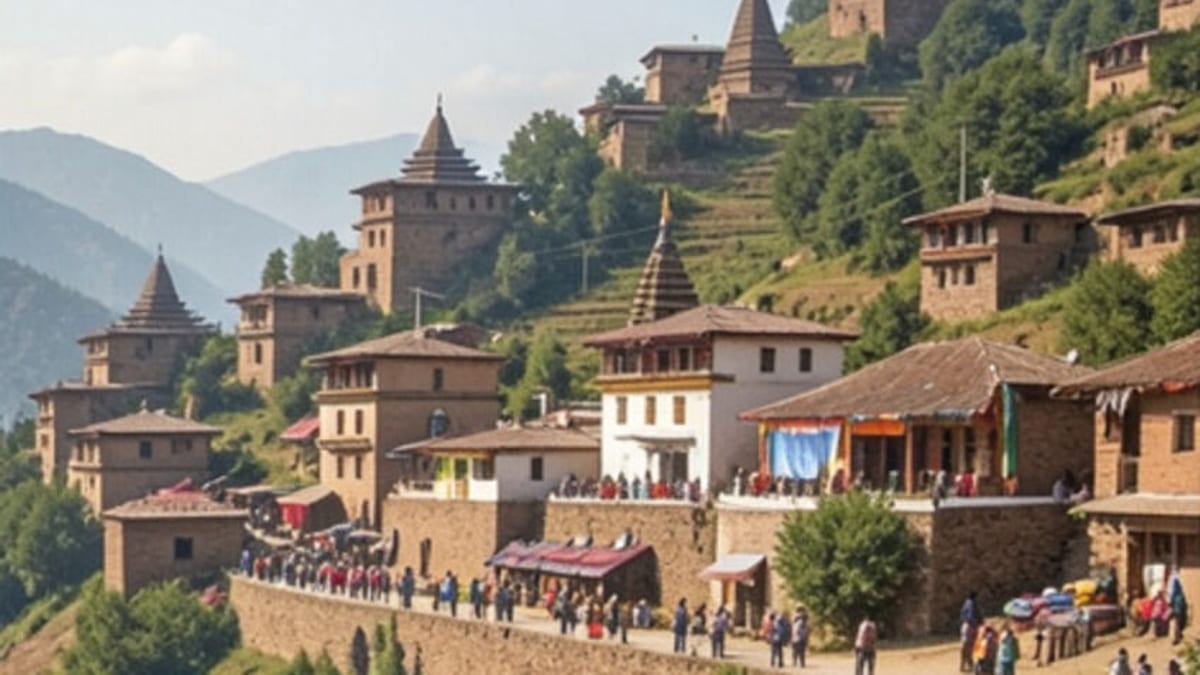
Image by Latest International / Global Travel News, Breaking World Travel News
Digital Safari Specialist Broadens Beyond Africa
Timbuktu Travel emerged as a specialist in customised African safaris, using a digital trip builder that lets travellers combine routes, lodges and experiences in real time. Publicly available company material describes a model built around flexible, modular itineraries that can be tailored by budget, travel dates and preferred style of accommodation.
Industry coverage notes that this approach has appealed to travellers seeking more control over complex, multi stop adventures without having to plan every transfer and booking themselves. The platform connects users with on the ground partners and curated properties, while the technology does much of the heavy logistical lifting in the background.
By adding Nepal, Timbuktu Travel is extending that model beyond its original safari focus into a broader portfolio of nature led journeys. The expansion reflects a wider trend among adventure operators looking to diversify into Asia while retaining specialist positioning rather than shifting toward mass market, volume based tours.
Travel trade reports indicate that demand for customisable itineraries has risen steadily since international borders reopened, with travellers increasingly combining wildlife, cultural immersion and light trekking in a single long haul trip. Nepal’s addition slots into this demand pattern and offers a contrasting landscape to the company’s African core.
Nepal Positioned as a Layered, Multi Experience Journey
Timbuktu Travel’s dedicated Nepal pages present the country as a place where multiple experiences can be combined without excessive overland travel. Suggested routes highlight a blend of time in the historic cities of the Kathmandu Valley, stays in lakeside Pokhara and wildlife viewing in the subtropical plains of Chitwan.
The programming leans into Nepal’s reputation as a trekker’s paradise while underscoring that travellers do not need to commit to long expeditions or summit focused climbs to experience the Himalayas. Soft adventure elements such as shorter hikes, scenic flights and village walks are framed alongside cultural visits to temples and traditional squares.
Publicly available descriptions emphasise the contrast between the bustle of Kathmandu and the slower pace of Pokhara, encouraging travellers to use the lakeside town as a base for day hikes and excursions. The approach aims to appeal both to first time visitors seeking iconic views and to repeat travellers looking for more nuanced, lower intensity experiences in the mid hills.
By presenting these components within a single planning interface, the company is effectively branding Nepal as a multi layer journey rather than a single activity destination. Culture, nature and adventure are treated as interchangeable modules that can be rearranged to suit different comfort levels and travel windows.
Signature Routes Blend Culture, Wildlife and Soft Adventure
The Nepal portfolio is structured around sample routes that can be adjusted rather than fixed departure group tours. These routes commonly start in Kathmandu, with time allocated for exploring the city’s UNESCO listed monuments, Buddhist stupas and surrounding viewpoints before travellers connect onward to other regions.
From there, itineraries often move to Pokhara, where canoeing on Phewa Lake, visits to local viewpoints and shorter hikes into the Annapurna foothills form the core activities. The company’s published content highlights sunrise viewpoints and village encounters as key moments, presenting them as accessible ways to step into Himalayan landscapes.
Many of the suggested trips then continue to Chitwan or other lowland reserves, bringing wildlife watching into the mix. Gentle jeep safaris, guided nature walks and river excursions are positioned as a natural extension of Timbuktu Travel’s safari heritage, but in a South Asian context, with different ecosystems and species.
The routes are designed to work within a range of travel durations, from shorter one week holidays to extended journeys that link Nepal with neighbouring countries. This allows the operator to market Nepal both as a standalone focus and as part of longer, multi country adventures across Asia and beyond.
Technology Led Planning Meets Himalayan Tourism Rebound
Nepal’s tourism sector has been steadily rebuilding after the disruptions of recent years, with national tourism promotion bodies reporting renewed interest from long haul markets. Operators with strong digital interfaces are increasingly seen as well placed to capture travellers who research and assemble trips online before committing to bookings.
Timbuktu Travel’s model of allowing users to adjust dates, routes and properties within an interactive planning tool aligns with this shift in behaviour. Prospective visitors can test different seasons, flight connections and hotel categories virtually, then fine tune the balance between trekking, cultural time and rest days.
Publicly available information on the company indicates that it works with locally based partners to deliver ground services, an approach that fits with broader calls in the industry to channel more value directly into destination communities. In Nepal, this can translate into using local guides, smaller lodges and regionally owned activity providers where possible.
For Nepal’s tourism stakeholders, the appearance of the country on platforms that already attract a global audience of safari and adventure travellers adds another distribution channel at a time when long haul demand is still normalising. The emphasis on multi experience travel also aligns with destination marketing that aims to spread visitor nights beyond the traditional trekking corridors.
Global Portfolio Signals Shift Toward Wider Adventure Network
With Nepal now live on the platform, Timbuktu Travel’s portfolio reflects a more diversified global stance, even as African safaris remain central to its brand identity. Additional non African destinations showcased by the company point toward a long term strategy of building an interconnected network of nature, wildlife and culture trips across continents.
Travel industry observers note that such diversification can help operators balance regional demand swings and seasonal patterns. By offering Himalayan journeys alongside African migrations or desert safaris, a single platform can keep repeat clients within the same ecosystem while introducing them to new geographies.
The presentation of Nepal as a multi experience hub illustrates how this strategy can play out on the ground. Instead of marketing isolated activities, the company packages a spectrum of experiences that move from historic squares to mountain viewpoints and jungle riverbanks, all within one itinerary structure.
As travellers continue to seek deeper, more varied journeys in a single trip, Nepal’s arrival in Timbuktu Travel’s line up demonstrates how digital first tour operators are reshaping the way complex adventures are researched, combined and booked across the global map.