

More news on this day
Nepal’s remote Himalayan region of Manang has gained fresh international attention as the Mountain Lodges of Manang have been recognised on TIME’s anticipated World’s Greatest Places list for 2026, underscoring the growing appeal of high-altitude comfort along the Annapurna Circuit.
Get the latest news straight to your inbox!
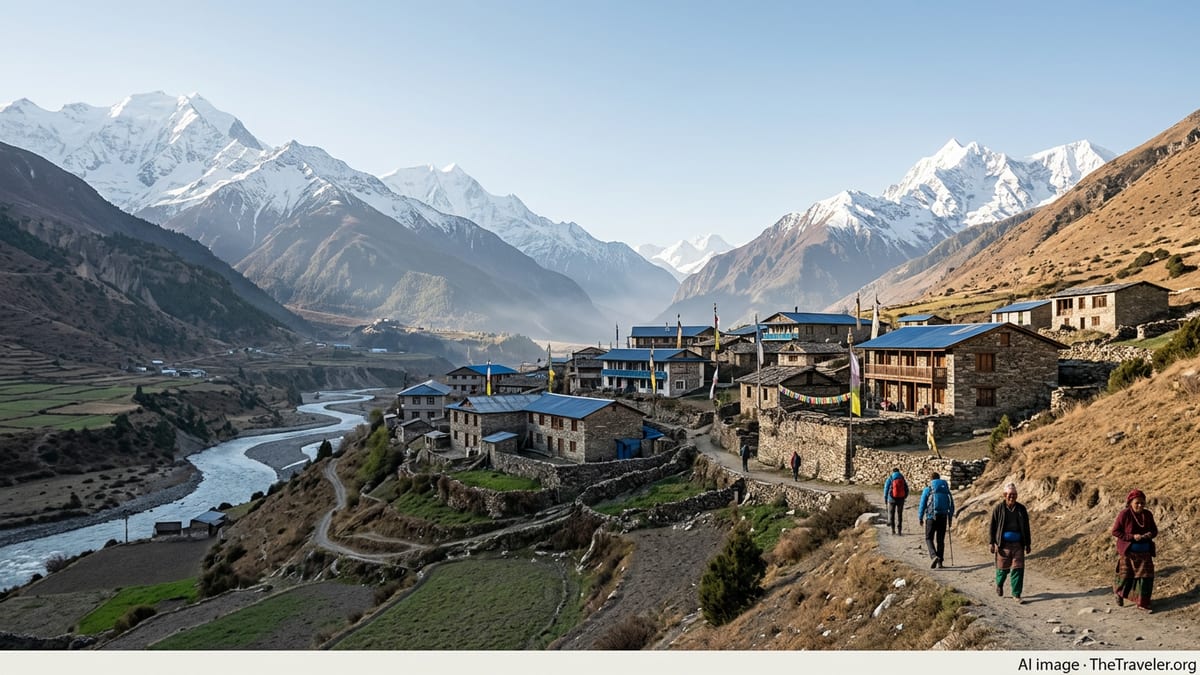
TIME Spotlight Elevates a High-Himalayan Hideaway
The inclusion of Mountain Lodges of Manang on TIME’s World’s Greatest Places 2026 list places a global spotlight on one of Nepal’s most dramatic landscapes, where 6,000 metre peaks rise above traditional stone villages and yak pastures. The recognition aligns with a broader shift in adventure travel toward destinations that balance remote wilderness with considered comfort and cultural authenticity.
TIME’s World’s Greatest Places franchise has become a key barometer for destinations that are shaping contemporary travel, typically blending natural appeal with innovation in hospitality, design and sustainability. The acknowledgment of Mountain Lodges of Manang signals that the Manang section of the Annapurna Circuit is emerging not only as a trekking milestone but also as a place to stay in its own right, rather than a brief acclimatisation stop on the trail.
For Nepal, which has seen a steady rebound in tourism and continued international accolades for its national parks and trekking regions, the listing adds another high-profile endorsement ahead of the 2026 peak travel seasons. It is expected to strengthen the country’s positioning in the premium adventure and soft-luxury trekking segments, where travellers look for immersive mountain experiences with reliable comfort at day’s end.
The announcement also comes at a time when global travellers are seeking out lesser-known Himalayan valleys that offer the drama of the high peaks without the congestion of more famous base camp routes. Manang’s relative remoteness, combined with improved lodge infrastructure, fits that demand.
Mountain Lodges of Manang: Comfort on the Annapurna Circuit
Mountain Lodges of Manang forms part of the broader Mountain Lodges of Nepal portfolio, a collection of family-owned properties established along major trekking corridors in the Everest, Annapurna and Manang regions. The Manang outpost is positioned as a comfort-focused stop for trekkers moving toward high mountain passes such as Thorong La, as well as for visitors who choose to spend several days acclimatising and exploring side trails above the Marsyangdi Valley.
The lodge complex, situated at high altitude in Manang district, is designed to offer private rooms with heating, en suite facilities where feasible in the mountain context, and communal dining spaces where trekkers and guided groups can gather. Décor typically mixes timber, stone and local textiles, reflecting regional building traditions while introducing modern amenities that help mitigate the challenges of thin air and cold nights.
Publicly available information indicates that the Mountain Lodges of Nepal brand emphasises consistent service standards along the Great Himalaya Trails, allowing travellers to move from village to village with a comparable level of comfort. In Manang, this translates into reliable hot meals, safe drinking water provisions and staff familiar with the acclimatisation routines that most visitors follow as they prepare for higher passes.
The recognition by TIME effectively moves such comfort lodges from being primarily known in trekking circles to being referenced in broader travel media, where they are framed as part of a new generation of mountain stays appealing not only to hardcore hikers but also to slow-travel visitors willing to spend more time at altitude.
Manang’s Landscape and Culture Under the Global Gaze
Manang district sits along one of the most celebrated sections of the Annapurna Circuit, ringed by peaks such as Annapurna II and Gangapurna and close to landmarks including the glacial lake at Gangapurna and the cliffs of Paungda Danda. The valley’s stark, high-altitude terrain, dotted with juniper, mani walls and centuries-old monasteries, has long been a highlight for trekkers who undertake the multi-day circuit around the Annapurna massif.
The town of Manang itself functions as a primary acclimatisation hub, with side hikes leading to viewpoints and lakes that offer sweeping perspectives on the surrounding Himalaya. Lodges, bakeries and gear shops line the settlement’s main footpaths, but step beyond the centre and traditional stone houses, barley fields and yak herds quickly reassert the area’s pastoral character.
TIME’s recognition of Mountain Lodges of Manang inevitably channels more attention to this environment. Travel analysts note that such listings tend to reshape visitor patterns, encouraging travellers who might previously have rushed through Manang in a single night to consider multi-night stays. That shift can amplify both the opportunities and the responsibilities associated with tourism in a fragile mountain ecosystem.
The focus on Manang also adds geographic diversity to the way Nepal is portrayed internationally. While Everest Base Camp and Kathmandu Valley often dominate global coverage, this accolade highlights a trans-Himalayan valley with Tibetan-influenced culture, distinct architecture and a drier, more austere landscape that contrasts with Nepal’s lush mid-hills.
Tourism Opportunities and Sustainability Challenges
Industry observers suggest that TIME’s endorsement is likely to drive increased interest from international tour operators and independent trekkers who prioritise comfort-oriented lodge networks. That could translate into longer stays in Manang, higher average spending per visitor and new employment opportunities for local communities in areas such as guiding, hospitality, transport and agriculture.
At the same time, the fragility of high-altitude environments places sustainability at the centre of any discussion about growth. The Annapurna region has already had to grapple with trail erosion, waste management and the pressures of seasonal crowding. As Mountain Lodges of Manang and its peers receive more visibility, expectations are rising that new or expanded facilities will adopt low-impact building techniques, efficient heating systems and robust waste and water management practices.
Reports from trekking organisations and regional planners often highlight the need for coordinated approaches that spread visitor arrivals across seasons, encourage the use of local produce and minimise reliance on fossil fuels flown or driven into remote valleys. A property singled out by a global list is likely to face increased scrutiny over how it aligns with these wider sustainability goals.
Local communities stand to benefit from a carefully managed tourism model that protects grazing lands, water sources and cultural sites while generating income. Observers note that visitors who stay in comfort lodges such as Mountain Lodges of Manang still often spend in smaller tea houses, monasteries and village shops, creating a network of economic linkages that extends beyond a single property.
Shaping Nepal’s Position in Premium Adventure Travel
Nepal’s tourism narrative has evolved in recent years from a focus on classic expeditions and budget trekking toward a broader mix that includes boutique city hotels, wildlife lodges and higher-end lodge-to-lodge trekking experiences. Recognition of Mountain Lodges of Manang by an international outlet contributes to this repositioning by underscoring that comfort and adventure can coexist at high altitude.
Travel planners anticipate that such accolades will feature in marketing materials for 2026 and beyond, particularly in markets where travellers are looking for “once in a lifetime” trips that blend physical challenge with reliable accommodation. Manang’s combination of sweeping Himalayan scenery, acclimatisation-friendly day hikes and upgraded lodge infrastructure positions it as a compelling anchor for itineraries that also include Kathmandu, Pokhara or other regions.
Industry commentary points out that global listings can also spur investment in complementary infrastructure, from improved trekking trails and signage to better emergency response capabilities along popular routes. In this context, the spotlight on Mountain Lodges of Manang may indirectly support broader improvements across the Annapurna Circuit that benefit all visitors and residents, not only guests at a single brand.
For now, the recognition by TIME’s World’s Greatest Places of 2026 serves as both a badge of honour and a test case. It showcases what is possible when traditional Himalayan hospitality is paired with thoughtful upgrades, and it challenges stakeholders in Manang and across Nepal to ensure that growing visibility strengthens, rather than strains, one of the world’s most celebrated mountain landscapes.