

More news on this day
One of India’s busiest pilgrimage centers is quietly undergoing a digital reset, as Tirumala Tirupati Devasthanams rolls out a smarter, time-slotted booking system designed to streamline darshan and sharply reduce the hours many devotees once spent waiting in serpentine queues.
Get the latest news straight to your inbox!
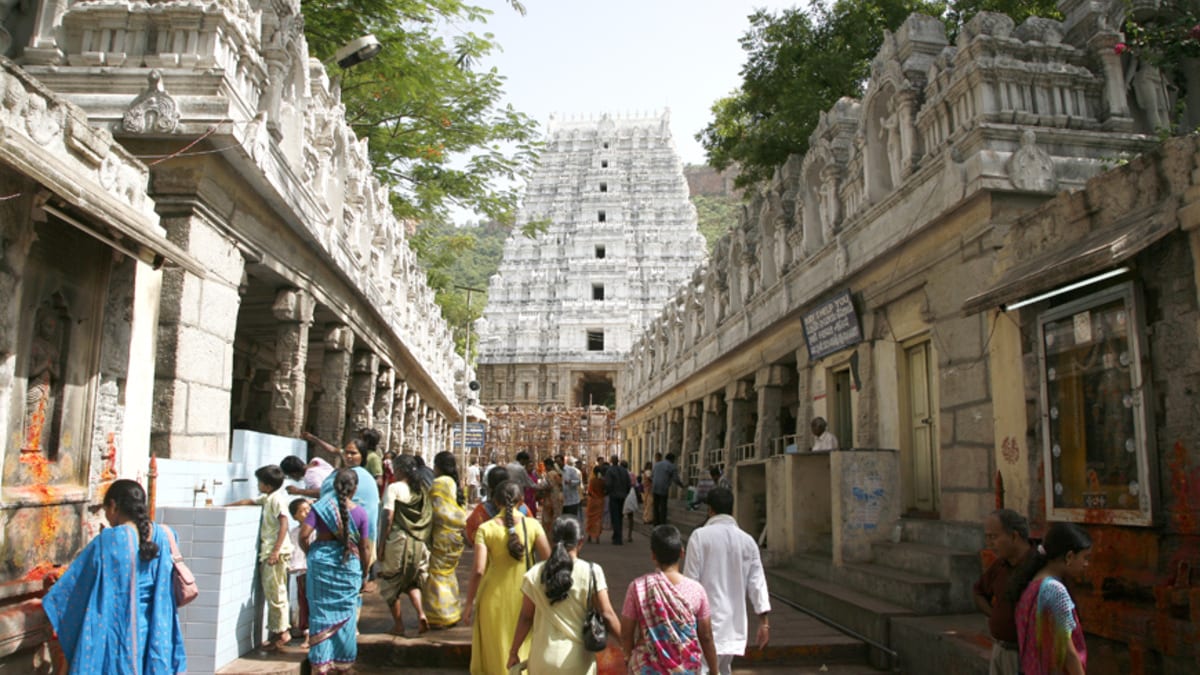
Image by Latest International / Global Travel News, Breaking World Travel News
From Overnight Queues To Timed Online Darshan
Publicly available information shows that Tirumala Tirupati Devasthanams, which administers the Tirupati hill shrine in Andhra Pradesh, has been expanding advance online booking across almost every major darshan category. The system now covers the popular 300 rupees Special Entry Darshan, slotted Sarva Darshan for free entry, SRIVANI Trust Darshan, senior and differently abled categories, and a growing list of paid sevas.
Recent quota announcements for early 2026 indicate a clear pattern. Instead of releasing all tickets in bulk, TTD is staggering online drops for different services on specific dates and times, allowing pilgrims to plan several months in advance. For example, darshan and accommodation quotas for March and June 2026 are being opened in phases, typically about two to three months before the actual visit window, giving outstation travelers a predictable booking calendar.
The official portal and related updates highlight a move away from dependence on spot bookings and in-person counters. While limited same-day options such as Slotted Sarva Darshan tokens still exist in Tirupati, the emphasis is now on securing a digital confirmation first and then arriving closer to the allotted reporting time instead of standing in line for half a day or more.
Reports from travel and pilgrimage advisory platforms suggest that this structured calendar is already reshaping how devotees plan Tirupati trips, with many now aligning train or flight bookings with the exact darshan slot obtained online.
How The New System Works For Different Darshan Types
The new regime essentially divides access into clear categories, each with its own booking path. The flagship 300 rupees Special Entry Darshan is now released as an online quota for each future month on predetermined dates, often in a single afternoon drop. Pilgrims log in, select the desired date and time slot, and complete payment for up to a fixed number of persons per account, typically within minutes of the quota going live.
For free darshan, TTD continues to operate Slotted Sarva Darshan, which assigns time-based tokens to reduce crowding. Data visible on the TTD website shows live status for the day’s SSD token slots, including which time slot is currently running and whether any same-day balance exists. Devotees arriving without prior online tickets can collect these tokens at designated complexes in Tirupati, then proceed uphill closer to the indicated reporting window rather than waiting randomly in general queues.
Premium options have also moved decisively into the digital space. Published coverage notes that SRIVANI Trust Darshan, which is linked to a specified donation amount, now follows a daily online release schedule rather than a largely offline, counter-driven process. Similarly, select arjitha sevas, including popular rituals such as Suprabhatam or Kalyanotsavam, are managed either through an electronic lottery (e-dip) or first-come, first-served online quotas that open on advertised dates.
In addition, separate quotas are maintained for senior citizens, persons with disabilities, parents with infants and certain medical categories, which are opened online in advance for specific days. This segmentation is intended to ensure that each group can secure a time-bound darshan without having to negotiate crowded general lines.
AI, Facial Recognition And A New Era Of Crowd Management
The digital overhaul is not limited to the booking portal. According to recent technology news coverage, TTD has begun deploying AI-enabled systems and facial recognition tools across Tirumala to better manage the huge pilgrim inflows that can cross one hundred thousand visitors a day during festivals.
Reports describe an Integrated Command and Control Centre that draws feeds from hundreds of CCTV cameras and dozens of facial recognition units placed at key entry points, queue complexes and refund counters. These systems are designed to provide real-time visualizations of crowd density, helping administrators dynamically redirect lines, open or close compartments, and adjust security deployment when required.
Facial recognition is also being integrated into darshan access and token verification. Earlier initiatives, widely reported since 2023, focused on preventing multiple token collection and curbing impersonation in free darshan queues. The newer systems go further by linking an individual’s digital booking, their face scan at access gates and, in some cases, their movement through key checkpoints, reducing the scope for duplicate or transferred tickets.
Technology-focused reports further indicate that TTD is exploring tools such as chatbots and live queue-time dashboards that would plug into the official website and mobile app. Once fully implemented, these services could give pilgrims up-to-the-minute information about waiting times, slot availability and crowd levels, enabling informed decisions even after a ticket has been booked.
Step By Step: Booking Tirupati Darshan In Advance
Planning ahead now starts with monitoring upcoming online quota releases. For any target month, darshan and accommodation slots typically open roughly two to three months earlier, usually announced through TTD’s official announcements and widely tracked by independent pilgrimage advisory sites. Devotees looking for peak-period visits, such as annual festivals or long weekends, are increasingly setting calendar reminders to log in the minute sales begin.
Once a release window is announced, prospective visitors are advised to register or log in on the official TTD portal, verify their identity details, and keep payment options ready. At the scheduled time, they can choose the relevant category, such as Special Entry Darshan, SRIVANI Trust Darshan, or a specific seva, select dates and time slots, and then complete payment before the quota is exhausted. Some e-dip based sevas require only registration during a fixed window, with successful applicants paying later within a stipulated deadline.
After payment, pilgrims receive a digital confirmation carrying a QR code or booking reference, which should be saved on a phone and backed up as a printout. The system is now more particular about reporting within the specified window rather than very early, since crowd management relies on evenly distributing visitors across each slot. Recent discussions on devotee forums indicate that arriving significantly earlier than the printed time may no longer offer any advantage and can even lead to being asked to wait outside until the correct reporting band begins.
Accommodation booking has been brought under the same framework. Online room quotas for Tirumala and Tirupati are released alongside or shortly after darshan quotas, with clear separation between different complexes. Travelers booking from outside the region increasingly synchronize hotel, transport and darshan timings in one session so that they can move in and out of Tirumala within the day or overnight, depending on preference.
Why The New System Matters For Pilgrims
The shift toward a fully integrated, digital-first system is widely seen as a response to years of heavy congestion at India’s most visited temple. Traditional queues often stretched for several kilometers, and unstructured waiting times made it difficult for families with children or elderly devotees to plan basic needs like rest, food and return travel.
By tightly linking online bookings, time-slotted tokens and AI-enabled crowd monitoring, TTD’s new approach is expected to reduce uncertainty and compress the effective waiting time inside queue complexes. Public commentary in regional media has noted that, on relatively normal days, well-planned visitors now often complete the core darshan process in a few hours, instead of most of the day.
The system is also intended to close long-standing loopholes. With facial recognition tools and digital audit trails, it becomes harder for touts and intermediaries to corner large numbers of tickets or recycle access tokens. TTD has repeatedly cautioned pilgrims, through public notices, to avoid unofficial agents and to rely only on its official platforms for darshan and accommodation bookings.
For domestic and international travelers who may only visit Tirupati once in several years, the new booking architecture offers a clearer, more predictable way to experience the shrine. While some learning curve remains, especially for pilgrims with limited digital access, the ongoing expansion of online quotas, AI-assisted crowd control and transparent scheduling signals a long-term transformation in how darshan at Tirumala is managed.