

More news on this day
As international tourism in Japan climbs to new records, Tokyo is scrambling to manage a growing waste problem in streets and stations where public trash cans remain surprisingly scarce.
Get the latest news straight to your inbox!
A Legacy of Security Concerns Meets Record Tourism
The relative absence of public trash cans across central Tokyo has its roots in security decisions taken after the 1995 sarin gas attack on the subway system. Publicly available information shows that many receptacles were removed from busy transit hubs and high-traffic areas as part of a broader effort to reduce potential hiding places for hazardous materials. What began as a targeted safety measure has gradually become part of the city’s everyday landscape.
That legacy now collides with a new reality. Recent tourism data cited in international coverage indicates that Japan has repeatedly surpassed its pre-pandemic arrival records, with Tokyo a primary gateway and staging point for domestic travel. Crowded neighborhoods such as Shibuya, Shinjuku and Asakusa are experiencing sustained pressure from visitors who often arrive with expectations shaped by cities where bins are ubiquitous.
Reports from travel media and social platforms highlight how first-time visitors are frequently surprised to discover that heavily used pedestrian zones, shopping streets and even some train concourses offer few or no public trash cans. While local residents are accustomed to carrying their waste until they return home, many tourists lack reusable bags or simply underestimate how quickly takeaway cups, snack wrappers and receipts accumulate during a full day of sightseeing.
This mismatch between visitor habits and local infrastructure is contributing to a subtle but noticeable rise in litter in certain districts, according to recent commentary in regional and international outlets tracking overtourism in Japan. The problem is especially visible near popular photo spots, street-food alleys and major event venues.
Harajuku, Shibuya and Other Hotspots Feel the Strain
Central Tokyo’s busiest neighborhoods are emerging as flashpoints in the debate over trash cans and tourism stress. Harajuku, long known for youth fashion and crepe stands, has attracted renewed attention in 2025 and 2026 from both domestic and overseas observers due to a visible increase in discarded drink cups and food containers along key intersections and side streets.
Commentary shared in Japanese and English on public forums describes how even short waits at busy crossings can reveal a steady stream of people dropping small items on the ground or leaving them on ledges, despite nearby signage urging proper disposal. While some posts single out foreign visitors, others note that local youths also contribute to the problem, suggesting that congestion and limited infrastructure may be as important as nationality in explaining changing behavior.
Shibuya, already known worldwide for its scramble crossing, is seeing similar pressures. As redevelopment projects draw visitors deeper into the district, more people are eating on the move or buying drinks from convenience stores and vending machines located far from any available bins. Observers describe a pattern in which people initially carry their trash, only to abandon it later when fatigue sets in or trains become crowded.
Local business operators are responding in piecemeal ways. According to on-the-ground accounts, some convenience stores, cafes and street vendors in these districts are providing their own receptacles or limiting the types of takeaway packaging they offer. Others are posting notices that ask customers to take their waste back to hotels or homes. The lack of a citywide standard, however, means that practices can change from block to block, adding to visitor confusion.
Experiments With Targeted Bins and “Pack-In, Pack-Out” Messaging
In response to the mounting tension between cleanliness, security and tourism, public information from national and local agencies points to a gradual shift toward more targeted waste management. Rather than restoring large numbers of permanent trash cans across Tokyo, policymakers appear to be testing limited installations in specific hotspots and at major events, coupled with stronger messaging around carrying trash.
Japan-wide tourism guidance published in recent months increasingly encourages visitors to adopt a “pack-in, pack-out” approach when exploring cities. Travelers are urged to carry small reusable bags, hold onto waste until they can dispose of it at hotels or accommodation facilities, and avoid leaving items on top of vending machines or in station corners. This behavioral push mirrors campaigns seen in other overcrowded destinations around Japan where litter has become a symbol of overtourism pressure.
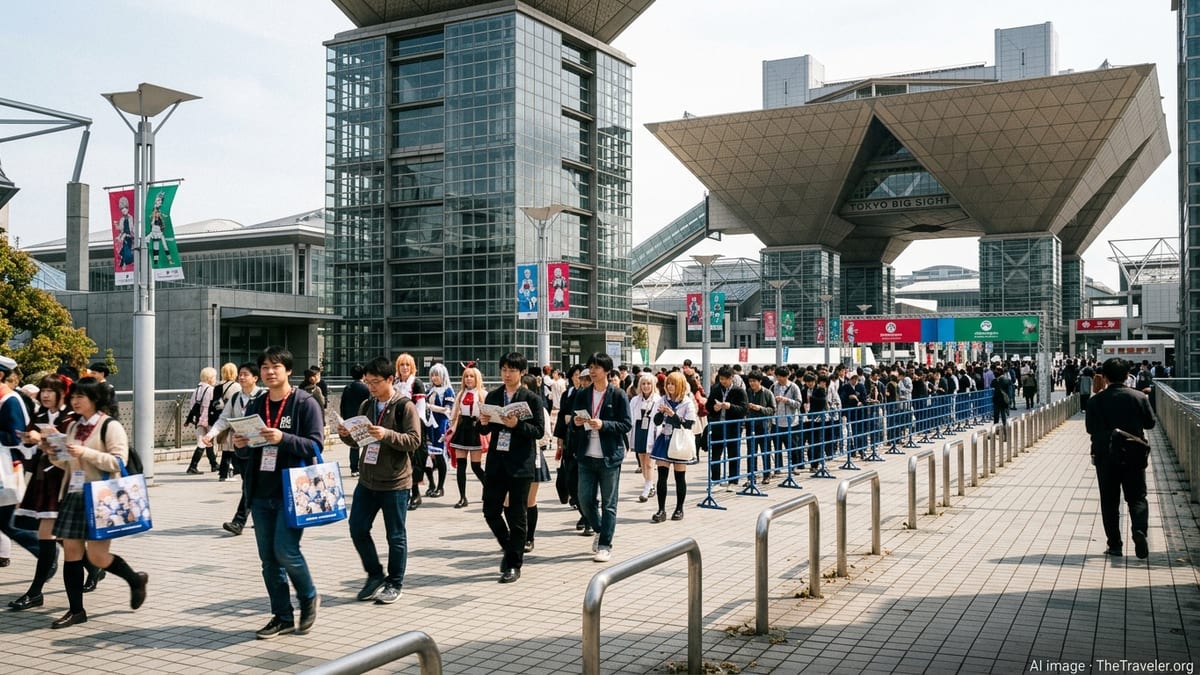
At the same time, major attractions and event venues in and around Tokyo are quietly expanding their own in-house waste solutions. Large-scale events such as marathons, festivals and exhibitions typically deploy temporary trash and recycling stations within controlled perimeters, aiming to collect cups and packaging before participants disperse onto public streets. Organizers are also refining how they distribute food and drinks, with some publicly available guidelines indicating closer control over what runners and spectators can bring, in part to limit roadside litter.
Observers note that these targeted bins sometimes remain in place, at least for a while, after large events conclude, effectively serving as pilot projects for permanent installations. Early feedback from parks and plazas that have adopted this approach suggests that strategically placed, frequently serviced receptacles can reduce litter without significantly undermining security policies.
Neighborhood Initiatives and Business-Led Cleanliness Campaigns
Beyond government-led experiments, local communities and businesses are playing an increasingly important role in addressing Tokyo’s trash can tension. Publicly available reports on neighborhood associations describe regular volunteer cleanups in areas such as Asakusa, Ueno and around major shrines, where residents, workers and sometimes tourists join forces to collect litter left behind after peak visiting hours.
In commercial zones, shopfronts are emerging as informal waste-management hubs. Many small eateries and cafés place discrete trash cans just inside their premises, inviting customers to return cups and containers rather than tossing them in the street. Some shopping arcades have introduced shared waste stations at entrances, monitored by staff who encourage sorting into burnable, non-burnable and recyclable categories.
Tourism-focused organizations are also developing multilingual signage and etiquette campaigns aimed at clarifying expectations for visitors. According to recent coverage of Japan’s broader overtourism response, phrases such as “Please take your trash with you” and “No street eating in this area” are now appearing more frequently in English, Chinese and Korean alongside Japanese. The aim is to reduce the ambiguity that can arise when travelers are unfamiliar with local norms or cannot read existing notices.
These initiatives are not limited to the city center. Suburban rail hubs and outlying attractions linked to Tokyo’s commuter network are beginning to adopt similar approaches as they see more day-trippers and foreign visitors. Coordinated messaging, even where trash cans remain sparse, is intended to promote a shared sense of responsibility for public spaces.
Balancing Visitor Growth With Long-Term Urban Policy
The debate over trash cans in Tokyo is increasingly framed as part of a larger conversation about how the city should manage rapid tourism growth while maintaining its reputation for safety and cleanliness. Analysts writing on Japan’s tourism strategy suggest that the trash issue highlights structural questions about who should bear the cost of crowd management and urban services in popular districts.
Current discussions in policy circles, as reflected in open reports and commentaries, weigh several options. These include modest increases in accommodation taxes earmarked for local sanitation, closer collaboration between municipal departments and the national tourism agency, and the use of data from crowd sensors and cameras to identify where small clusters of bins might have the greatest impact.
Some urban-planning experts point out that the same technologies employed to monitor congestion and guide pedestrian flows could inform more dynamic waste collection, with portable containers deployed during peak travel seasons or special events and removed when traffic subsides. Others warn that an overreliance on surveillance or temporary fixes may overlook deeper behavioral and educational needs among both visitors and residents.
For travelers planning trips to Tokyo, the evolving situation carries practical implications. Travel advisories and guidebooks increasingly recommend that visitors prepare to carry their trash for extended periods, learn basic Japanese waste-sorting categories and respect local rules about eating while walking. Whether the city ultimately increases the number of public trash cans or doubles down on a culture of personal responsibility, the way Tokyo handles this everyday challenge is becoming an important test of how a global megacity adapts to the pressures of sustained, high-volume tourism.