

For many travelers in the Midwest and Northeast, Lake Erie is the default choice for a freshwater beach escape. Its sandy state park shorelines and easy driving distance from major cities make it a reliable summer favorite. Yet the Great Lakes region and nearby inland waters are dotted with beaches that offer softer sand, clearer water, dramatic dunes, and quieter coves than many of Lake Erie’s most popular stretches. If you are ready to broaden your beach horizons without giving up that fresh, unsalted water, these alternatives to Lake Erie deserve a place on your short list.
Why Look Beyond Lake Erie?
Lake Erie has long anchored the idea of a freshwater beach vacation for residents of Ohio, Pennsylvania, New York, and Ontario. Public parks provide simple access, and the lake’s relatively shallow depth can mean slightly warmer swimming temperatures in midsummer compared with deeper Great Lakes. At the same time, heavy development along some sections of shoreline, periodic water quality advisories, and crowded peak-season weekends have prompted many travelers to look elsewhere for their time in the sand.
Exploring other freshwater coasts opens the door to a surprising range of landscapes. On the neighboring Great Lakes alone you can trade industrial skylines for forested dunes, limestone cliffs, and small resort towns anchored by historic lighthouses. Many beaches beyond Lake Erie also sit within or near national and state parks, where protected dunes and wetlands preserve a more natural shoreline. For beachgoers interested in hiking, paddling, starry skies or quieter campgrounds, these destinations can feel like a big step up.
It is worth noting that not every alternative will deliver bath-warm water or a full lineup of boardwalk amusements. Lakes such as Michigan, Huron, and Superior can stay refreshingly cool even at the height of summer, and some of the nicest strands are relatively undeveloped. The reward is space to spread out, a more scenic backdrop, and in many cases sand that rivals coastal oceanside beaches. With realistic expectations about water temperature and a bit of planning, these freshwater shores can easily compete with Lake Erie for your next vacation.
Lake Michigan: Sweeping Dunes and Classic Beach Towns
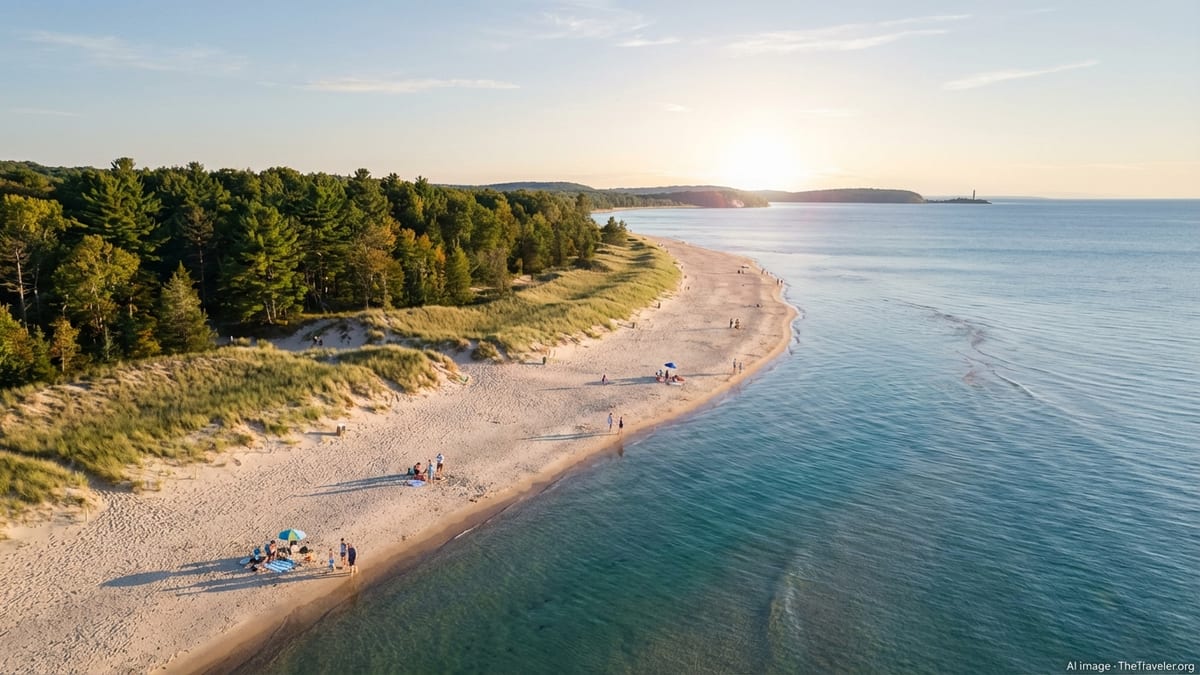
Lake Michigan is often the first serious alternative people encounter when they look beyond Lake Erie. Stretching along the coasts of Michigan, Wisconsin, Indiana, and Illinois, it combines long runs of sand with the kind of dune systems that give the shoreline a surprisingly coastal feel. On the eastern side in particular, clear freshwater laps at beaches backed by tall, grassy dunes and forest, with sunsets dropping directly over the water in many locations.
One of the standout areas is Sleeping Bear Dunes National Lakeshore in northwest Michigan, where miles of Lake Michigan beach lie below towering sand bluffs. The National Park Service notes that virtually the entire lakeshore in the park is open to swimming, with visitors using these beaches for sunbathing, castle-building, and wave jumping along a mostly undeveloped coast. While the lake can feel markedly cooler than small inland lakes, hot July and August afternoons still see plenty of swimmers, especially on calmer days when waves are gentle.
Further south along the Michigan shoreline, a chain of small beach towns offers a blend of wide public beaches and walkable downtowns. Places such as Manistee, Ludington, Grand Haven, and Saugatuck routinely appear in regional roundups of top Lake Michigan beaches, highlighted for their broad, groomed strands, pier walks, and family-friendly amenities. First Street Beach in Manistee has even topped recent statewide lists, praised for its roomy sandy shoreline, play areas, and easy access to food and lodging within a short drive or walk.
Compared with many sections of Lake Erie, Lake Michigan’s eastern shore can feel more like a beach vacation in miniature, complete with lighthouses, ice cream stands, and evening strolls along harbor boardwalks. It suits travelers who want a more polished resort feel alongside nature. For the best experience, plan visits for late June through early September, when both water and air temperatures are most comfortable and seasonal businesses operate on full schedules.
Lake Huron and the Bruce Peninsula: Turquoise Water and Long Sandbars
Lake Huron is another strong alternative for travelers who value beautiful water and less-crowded strands. On the Ontario side, the Bruce Peninsula region stands out for its combination of long beaches and rocky coves, all bordered by forests and small communities that stay lively in summer but quieter than many famous coastal resorts. The area benefits from relatively clear water and, in select spots, a shallow gradient that keeps swimming areas slightly warmer than the open lake might suggest.
Sauble Beach, on the eastern shores of Lake Huron in Bruce County, is frequently singled out as a signature freshwater destination. Local tourism sources describe it as one of the world’s longest freshwater beaches, with roughly 11 kilometres of sand fronting shallow, sandbar-protected water. Those offshore bars mean that in many sections, especially near the main access points, the lake remains fairly shallow and can warm up into comfortable swimming temperatures for families with younger children. The west-facing aspect also gives Sauble Beach a reputation for long, photogenic sunsets over the horizon.
A short drive away, smaller beaches and coves offer quieter alternatives. Black Creek Provincial Park, known locally as Sandy Beach, provides a more low-key place to swim and paddle amid mixed forest and shoreline. Spots such as Lion’s Head along Georgian Bay showcase that side of Lake Huron where cliffs and turquoise water frame pebbly and sandy patches. Closer to Tobermory, inland lakes like Cyprus Lake provide sheltered, often warmer swimming in a scenic, spring-fed basin adjacent to Bruce Peninsula National Park campgrounds.
For travelers who typically head to Lake Erie for camping, simple motels, or cottage rentals, the Bruce Peninsula and broader Lake Huron coast offer a similar style of vacation with a noticeably wilder feel. Expect fewer high-rises and chain developments and more small-town main streets, modest marinas, and family-run accommodations. Because many of these beaches sit along open lake or bay, wind and wave conditions can change quickly, so pay attention to local advisories and be cautious about swimming on rough days.
Lake Superior’s North Country Shores
If your priority is unspoiled scenery and cool, clear water rather than warm swimming, Lake Superior offers some of the most dramatic freshwater beaches in North America. The largest and deepest of the Great Lakes is substantially colder than Lake Erie for most of the year, but in sheltered bays and on sunny midsummer days, hardy swimmers still take to the water. The reward is beaches backed by pine forest, sandstone cliffs, and in some areas, colorful rock formations that feel worlds away from the industrial stretches of shoreline familiar to many Erie regulars.
On the U.S. side, destinations such as Pictured Rocks National Lakeshore in Michigan’s Upper Peninsula and various county parks near Marquette and Munising provide sandy strands with Superior’s famously clear, blue-green water at their edge. While the lake’s temperature often lingers on the brisk side even in August, the wide beaches invite picnics, beachcombing, and long walks. Inland from the waterline, hiking trails lead to overlooks and waterfalls, giving you more to do than simply sit in the sand.
Across the border in Ontario, the stretch of Lake Superior near Lake Superior Provincial Park and further northwest around Thunder Bay features remote-feeling beaches that appeal to road-trippers and campers. Here, the experience is as much about the sense of space and solitude as it is about swimming. Pebble and sand mixes dominate, and the backdrop ranges from rolling hills to rugged rock. Travelers used to the busier segments of Lake Erie may be surprised at how empty even easily accessible parking areas can feel outside peak holiday weekends.
Because Lake Superior’s water is cold and conditions can be unpredictable, this region suits those who see the beach as a base for hiking, photography, stargazing, or paddling rather than long, leisurely swims. Bring layers for evenings and be prepared to shift plans if wind picks up. For many travelers, the trade-off is worthwhile: these shores deliver some of the most memorable freshwater landscapes on the continent.
Inland Lakes: Quieter Sand and Calmer Water
Travelers accustomed to Lake Erie’s sometimes-choppy waves may find the relative calm of inland lakes to be a pleasant change. Across the Upper Midwest and Ontario, countless lakes ringed with public parks and modest resorts offer beaches where water is typically warmer and more sheltered. Though they lack the vast horizon of the Great Lakes, many of these spots provide a more relaxed, family-oriented experience with less concern about strong currents or large surf days.
In Michigan’s Upper Peninsula, Lake Gogebic State Park is a useful example of what an inland lake vacation can look like. Located on the western shore of Lake Gogebic, the largest inland lake in the region, the park offers nearly a mile of beach access along with camping, boat launches, and a short nature trail through adjacent forest. The surrounding area remains sparsely populated, so nights are quiet and dark skies make campfires and stargazing a central part of the experience. Compared with large Great Lakes beaches, the water here tends to warm more quickly in summer and stay relatively calm.
Elsewhere in the Great Lakes basin, inland lakes near popular coastal regions provide a hybrid option. In parts of the Bruce Peninsula, for instance, spring-fed lakes such as Berford Lake or Cyprus Lake offer gentle, often warmer water just a short drive from the colder open shores of Lake Huron. Similarly, numerous small lakes scattered across northern Michigan, Wisconsin, and Minnesota feature designated swimming areas, picnic lawns, and local campgrounds that rarely feel as crowded as major Great Lakes day-use beaches on a hot weekend.
Inland lakes are especially appealing if your vacation priorities include getting kids comfortable in the water, trying out paddleboards or kayaks in a low-stress setting, or combining a few hours of swimming with forest hikes and fishing. While you will not get the sweeping open-water panoramas of Lake Erie or the other Great Lakes, what you gain is intimacy: shorter walks from campsite or cabin to shore, an easier time securing a peaceful patch of sand, and a greater sense of being immersed in nature.
Comparing Conditions: Water, Weather, and Crowds
Switching from Lake Erie to another freshwater destination means recalibrating expectations around water temperature, wave action, and how busy the shoreline feels. Lake Erie is the shallowest of the Great Lakes, which helps it warm somewhat earlier in the season, especially along protected bays. Many of the alternatives highlighted here, particularly on Lakes Michigan, Huron, and Superior, are deeper and can stay cooler into early summer. By late July and August, however, sandy strands on Lake Michigan and parts of Lake Huron often reach very comfortable swimming temperatures, especially in shallower zones protected by sandbars.
Weather patterns also differ. The western and northern shores of the Great Lakes can experience more variable conditions, with fog, strong onshore winds, or sudden storms interrupting an otherwise sunny day. That variability is part of what keeps dunes and coastal forests dynamic, but it calls for flexibility. Always check local forecasts and heed posted warnings about rip currents or hazardous waves, as many beaches in these areas do not have lifeguards on duty. Inland lakes, by contrast, usually see smaller waves and more predictable swimming conditions, though thunderstorms can still roll through quickly on hot afternoons.
On the positive side, many of these alternative destinations offer substantial crowd relief compared with Lake Erie’s busiest parks and urban-adjacent strands. While certain marquee spots on Lake Michigan or Sauble Beach on Lake Huron can absolutely fill up on prime summer weekends, there are usually quieter access points or secondary beaches a short drive away. In more remote areas, such as many Lake Superior coves or inland state parks, you may share the shore with only a handful of other visitors even in peak season. Planning your main beach days for weekdays rather than Saturdays and Sundays further tilts the experience toward space and serenity.
Accessibility and amenities will also feel different. Some alternatives feature full-service beach towns with boardwalks, playgrounds, and concessions similar to what you might find along Lake Erie. Others are more basic, offering just a parking lot, vault toilets, and a path through the dunes. Before you go, check recent park updates for any temporary closures, water quality advisories, or changes to parking and day-use fees, and consider packing more of your own food and gear than you might for a quick Lake Erie day trip.
Planning Your Freshwater Beach Escape
Choosing the right alternative to Lake Erie starts with clarifying what you loved most about your previous trips. If it was the easy drive and simple day-use setup, look for beaches within your regional radius on Lakes Michigan or Huron that mirror that formula, with nearby parking and at least basic facilities. If you are after a bigger vacation shift, consider building a loop that includes two or three different locations: perhaps a few days at a Lake Michigan beach town followed by a quieter inland lake campground, or a Bruce Peninsula itinerary that combines Sauble Beach with hikes along rocky Georgian Bay coves.
Because many of these destinations sit within protected parks or small communities, it is wise to think about reservations and timing well ahead of peak season. Lakeshore campgrounds, cabin rentals, and popular small hotels can book out months in advance for prime July and early August weeks. Shoulder seasons in late June and early September often deliver mild weather, thinner crowds, and lower nightly rates, though the water can be a bit cooler. For inland lakes and more remote parks, weekday stays generally mean more elbow room and easier last-minute planning.
Packing for a freshwater trip beyond Lake Erie is similar in many respects, but there are a few extras worth adding if you are heading to colder or more exposed shores. Lightweight wetsuits or neoprene tops can extend your swimming time on lakes like Superior. Sturdy water shoes help with rocky entries on certain Lake Huron and Superior beaches. For dune-backed coasts, plan on sun protection that accounts for reflection from sand and water alike, and bring layers for evenings that may turn cool once the sun drops.
Finally, consider the broader experience around the beach. Alternatives to Lake Erie often shine in the details beyond the shoreline itself: a short hike through a cedar forest to reach a secluded cove, a viewpoint above a sweeping dune ridge, or a small-town diner that becomes your go-to after long days in the sun. Building room in your itinerary for these low-key, place-specific moments can transform a simple beach getaway into a vacation you remember long after you have shaken the sand out of your shoes.
The Takeaway
Lake Erie will always have a place in the freshwater vacation landscape, particularly for those who value convenience and familiarity. But travelers willing to look a few hours farther afield will find that the Great Lakes region and its inland waters hold a wealth of alternatives that rival, and in many cases surpass, Erie’s best-known beaches. Towering dunes on Lake Michigan, shallow sandbar-backed shores on Lake Huron, wild coves along Lake Superior, and quiet inland lakes all offer their own version of sunset walks and wave-lapped afternoons.
Choosing the right destination is less about finding a single “best” freshwater beach and more about matching the character of a shoreline to your travel style. Families with young children might gravitate toward the warm, shallow water at places like Sauble Beach or sheltered inland lakes. Those seeking a full-service experience can aim for Lake Michigan towns where restaurants, marinas, and broad public beaches sit within an easy stroll of each other. Adventurous travelers may favor the remoteness and stark beauty of Superior’s north country or the rugged headlands of Georgian Bay.
What unites these alternatives is their ability to deliver the core pleasures of a beach vacation without salt, tides, or long flights. With thoughtful planning and realistic expectations about conditions, you can trade your usual Lake Erie weekend for dunes, turquoise shallows, or quiet forested coves, all within the same broad region. The result is a familiar kind of getaway that still feels refreshingly new.
FAQ
Q1. Are Lake Michigan and Lake Huron beaches generally colder than Lake Erie?
Yes, in many areas they are somewhat colder, especially early in the season, because these lakes are deeper. By late July and August, shallow and sandbar-protected sections often reach comfortable swimming temperatures, particularly on calm, sunny days.
Q2. Which freshwater alternative is best for families with young children?
Beaches with shallow, gradually sloping entries are ideal, such as Sauble Beach on Lake Huron or many inland lakes with designated swimming areas. These spots tend to have warmer water near shore and gentler waves than exposed Great Lakes beaches.
Q3. Can I find boardwalks and amenities similar to Lake Erie at these alternatives?
Yes. Several Lake Michigan towns, including communities like Manistee, Ludington, Grand Haven, and Saugatuck, pair wide sandy beaches with nearby restaurants, playgrounds, piers, and walkable downtowns that feel familiar to Lake Erie visitors.
Q4. Are there quieter, less crowded options than popular Lake Erie state parks?
Many Lake Superior coves, inland lakes, and smaller Lake Huron and Lake Michigan access points see fewer visitors, especially on weekdays. Choosing parks slightly away from the biggest resort towns usually leads to more space on the sand.
Q5. When is the best time of year to visit these alternative freshwater beaches?
Late June through early September is typically the most reliable period for warm air and reasonably comfortable water. Shoulder weeks in late June and early September can be less crowded but may bring cooler swimming conditions, particularly on the larger lakes.
Q6. Do these beaches usually have lifeguards on duty?
Coverage varies widely. Some popular municipal beaches and resort-town strands employ seasonal lifeguards, while many state, provincial, and national park beaches do not. Always check local information before swimming and treat posted warnings seriously.
Q7. How do I choose between a Great Lake and an inland lake for my trip?
If you value big-sky horizons, dramatic scenery, and the feel of an inland sea, a Great Lakes beach is the better fit. If warmer, calmer water and a quieter, campground-centered experience matter more, an inland lake often makes a better choice.
Q8. Are there good options for camping right on or near the beach?
Yes. Numerous state, provincial, and national parks along Lakes Michigan, Huron, and Superior, as well as inland lakes like Lake Gogebic, offer campgrounds within walking distance of the sand, ranging from tent sites to RV loops with electric hookups.
Q9. What safety considerations differ from visiting Lake Erie?
On larger, deeper lakes, sudden changes in wind can quickly increase wave size and create strong currents. Water may also be colder than it appears. Wearing flotation when paddling, staying close to shore, and monitoring weather are particularly important on these lakes.
Q10. Do I need a passport to visit Canadian freshwater beaches such as those on the Bruce Peninsula?
Yes, U.S. travelers need appropriate travel documents to cross the border into Canada. For most visitors this means a valid passport, and you should also verify current entry requirements and any travel advisories before your trip.