

California is a dream destination, but it is also one of the most expensive places in the United States to live and travel. From some of the nation’s highest gas prices to rising utility bills and crowded freeways, everyday expenses can quickly erode your budget. The right mix of credit cards, however, can quietly return hundreds of dollars a year through cash back, travel points, and targeted discounts tailored to how Californians actually spend.
Why Credit Cards Matter So Much In High-Cost California
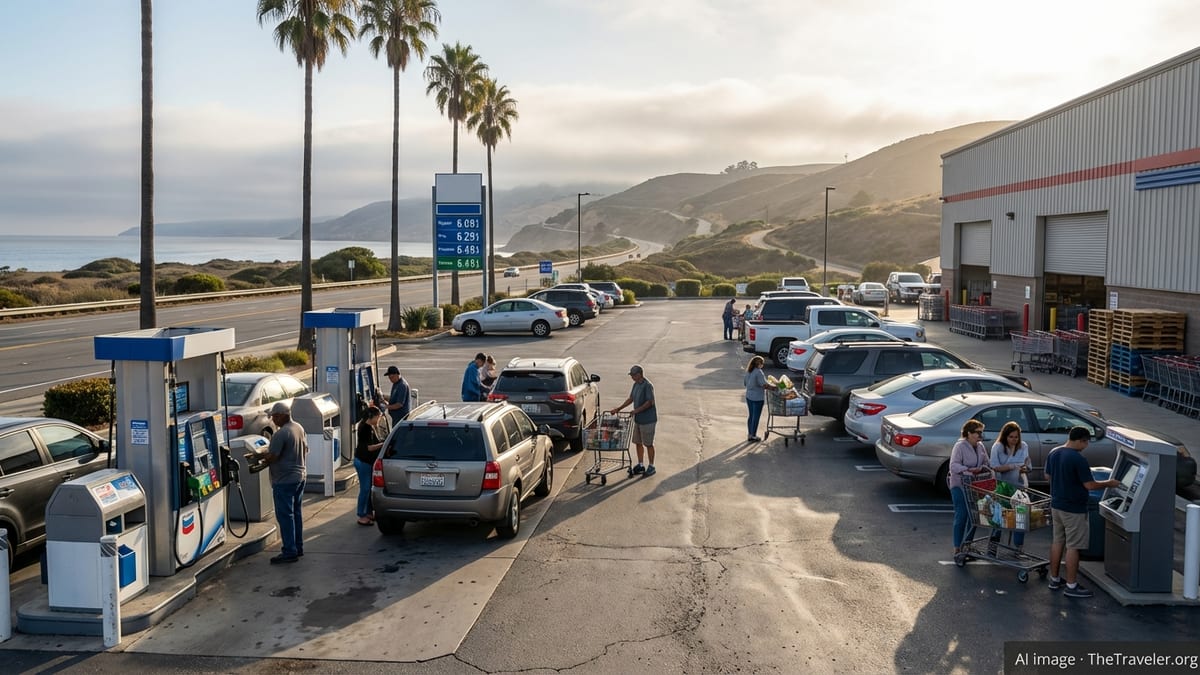
California consistently ranks among the states with the highest cost of living, and transportation is a major part of the strain. Even as national fuel prices have eased at times, drivers in California often pay well above the US average due to state taxes, environmental rules, and refinery constraints. When every gallon costs more, getting a few extra percentage points of cash back on fuel can translate to real annual savings, especially for commuters covering long distances between suburbs and city centers.
At the same time, Californians face elevated costs in other categories like groceries, dining, utilities, and housing-related expenses. Simply paying with a debit card or basic, no-reward credit card leaves money on the table. Modern rewards cards convert those unavoidable expenses into cash back or points that can reduce your monthly statement balance, fund a weekend road trip, or offset an upcoming flight.
Credit cards are not a cure-all. Interest charges can quickly wipe out any reward value if you carry a balance. But for disciplined users who pay their bills in full each month, rewards cards effectively offer a built-in discount on the high prices that define life in the Golden State. The key is matching card benefits to California’s particular spending patterns and costs.
It is also important for California residents to understand that rewards programs evolve. Issuers regularly rotate bonus categories, adjust gas and grocery multipliers, or introduce temporary promotions that line up with peak driving and travel seasons. Reviewing your wallet at least once a year, and being willing to switch or add a new card, can keep your savings strategy aligned with current offers.
Choosing a Card Strategy for California: One Card or a Small Arsenal
Before diving into specific card types, decide how much effort you are willing to invest. Some Californians prefer a single, straightforward 2 percent cash back card that works for almost everything. Others are happy to juggle two or three cards to maximize rewards on gas, groceries, dining, and travel. Both approaches can work, but your comfort level and spending mix should guide the decision.
If you live in a dense urban area like San Francisco or Los Angeles and rely on rideshare, public transit, or walking more than driving, you might prioritize general travel and dining rewards over gas-specific perks. On the other hand, if you live in a suburb or inland area and commute by car every day, gas rewards and warehouse club perks may be more valuable than premium travel benefits you rarely use.
For many Californians, a hybrid strategy works best. One strong flat-rate cash back card can cover non-bonus purchases such as insurance, medical bills, and miscellaneous shopping. A second or third card can specialize in categories that matter most locally: a gas and transit card for California’s long commutes, a warehouse club card for stocking up in bulk at large families’ favorite stores, and possibly a no-fee travel card for occasional road trips to the coast, desert, or mountains.
When building that small arsenal, Californians should also consider practical details like annual fees, acceptance across smaller merchants, and how easy it is to redeem rewards. Cash back that automatically posts as a statement credit is often the simplest choice for people focused strictly on reducing their monthly expenses.
Gas and Commute Cards: Critical Tools for California Drivers
Few expenses feel as immediate in California as gasoline. A single fill-up can cost significantly more than in many other states, particularly in coastal metros and tourist corridors. For frequent drivers, a strong gas rewards card can shave down the effective price per gallon every time they visit the pump, turning painful refueling stops into a bit less of a financial shock.
General cash back cards that offer elevated rewards on gas, often between 3 and 5 percent in rotating categories or ongoing bonuses, tend to deliver better value than many brand-specific gas cards that only knock a few cents off per gallon. With high per-gallon prices, a percentage-based reward usually scales more generously. Cardholders who plan ahead and activate quarterly or seasonal bonus categories can time major driving periods or road trips to align with their most rewarding months.
In California’s major cities, where public transit, trains, ferries, and rideshares complement or sometimes replace driving, cards that treat “transit” as a bonus category become especially powerful. Some leading issuers now group gas stations, local transit, rideshares, and sometimes tolls under one elevated rewards rate. For a Bay Area commuter who uses a mix of BART, rideshare home from late nights, and occasional highway driving, a card that bundles all these modes into one high-reward category can dramatically cut transportation costs.
Drivers should also consider how gas rewards pair with station or warehouse loyalty programs and gas-finding apps. Combining a rewards credit card, a free loyalty program that discounts each gallon, and an app that directs you to the cheapest station nearby can reduce the effective pump price by a meaningful margin, especially over the course of a year of California-level driving.
Warehouse and Grocery Cards: Stretching Food and Household Budgets
Groceries and household supplies are another area where Californians consistently feel cost pressure. Larger families in the suburbs of Sacramento, Inland Empire, or the Central Valley often rely on warehouse clubs to buy in bulk, while apartment dwellers in San Diego or Oakland may shop more frequently at neighborhood markets. In both cases, the right card can add valuable cash back on top of sale prices and loyalty discounts.
Co-branded warehouse club cards typically pay elevated cash back on fuel and in-club purchases, making them an attractive option for Californians who already shop there for everything from pantry staples to travel tires. A family that fills up weekly at a warehouse station and stocks up on groceries and school supplies can see significant annual rebates, even without tracking complicated category calendars.
Beyond warehouses, many mainstream cash back cards now offer bonus rewards on supermarkets and sometimes on delivery services. Those in high-cost coastal cities may find that a dedicated grocery bonus card, earning extra on both in-store and eligible online groceries, returns more value than a pure travel card they rarely use for flights. Combined with store sale cycles and digital coupons, grocery rewards can soften the impact of California’s elevated food prices.
Californians who split their time between different regions should also note how card issuers classify merchants. Small coastal markets, farmers’ markets with digital payment systems, and ethnic supermarkets may not always code the same way as national chains. Checking a few past transactions can help you understand how your favorite local shops appear on your statement, which can influence whether a grocery-focused card pays off.
Utilities, Housing Costs, and Everyday Bills: Hidden Opportunities
Utility bills in California can be unpredictable, especially during hot inland summers or winter storms that trigger higher heating or backup power usage. In addition, the state’s broad push toward electrification and climate policy has led to new fees and surcharges that show up as line items on monthly bills. While state programs like the California Climate Credit occasionally offer automatic bill relief, residents still face sizable remaining balances.
Not all utilities accept credit cards without extra fees, and some charge a flat service fee that can erase the value of rewards on smaller payments. However, when utilities do allow credit card payments at little or no extra cost, using a flat-rate cash back card or a card that temporarily boosts rewards on utilities can be a quiet but effective money saver. Some major issuers periodically highlight utilities as a rotating 5 percent category, which can be especially valuable during peak cooling or heating seasons.
Beyond electricity and gas, Californians can often put streaming services, mobile phone plans, and home internet on a rewards card. A dedicated card that offers elevated rewards on “online services” or “streaming and telecom” can be particularly effective for remote workers and digital nomads who split time between California hubs like Los Angeles, San Diego, and Silicon Valley. When these recurring charges hit month after month, even modest reward rates compound into substantial yearly savings.
Rent is one category where Californians must proceed carefully. Third-party platforms that allow rent payments by credit card typically add processing fees that can be larger than the rewards earned. Exceptions exist, such as specialty cards designed for rent payments that waive or offset fees, but they come with their own structures and limits. As a rule, unless the processing fee is very low and a generous welcome bonus is at stake, paying rent with a card purely for ongoing rewards often does not make financial sense.
Travel and Road Trip Cards for Exploring California
Beyond day-to-day expenses, California invites frequent regional travel, from weekend getaways along the Pacific Coast Highway to winter ski trips in the Sierra Nevada and desert escapes in Palm Springs or Joshua Tree country. Travel-focused credit cards can make these experiences more affordable by turning everyday spending into flights, hotel stays, or statement credits that offset road trip costs.
General travel rewards cards often shine for Californians who frequently book flights between major state airports, hop to nearby western states, or fly to Hawaii from coastal hubs. Points that can be transferred to multiple airlines and hotel chains give flexibility when prices surge during school holidays or peak vacation seasons. Meanwhile, built-in trip delay coverage, rental car insurance, and baggage protection can serve as a form of light travel insurance for both in-state and out-of-state trips.
For those who primarily travel by car within California, cards that provide elevated rewards on gas, tolls, and certain travel purchases like hotels and car rentals can be more practical than premium cards with high annual fees. Redeeming cash back against lodging, park entrance fees when paid through travel providers, or tour bookings can turn standard drives into more affordable mini-vacations.
Some Californians may also appreciate cards tied to specific hotel chains with a strong presence in the state’s major tourist regions. Earning free nights close to Yosemite gateways, Disneyland, or coastal wine country can be a powerful motivator to consolidate spending. However, these cards usually work best for people who already favor that hotel family, rather than casual travelers who simply want broad savings on any property they find along the route.
Protecting Your Credit and Staying Safe While Saving
Reward structures are only part of the equation. Californians also need to consider fraud protection, account security, and credit health when selecting and using cards. Urban centers and busy tourist areas can be hotspots for card skimming and digital theft. Choosing issuers that offer strong zero-liability protections, real-time transaction alerts, and simple card-lock features can provide peace of mind on crowded city streets or along busy highway gas stations.
Carrying multiple credit cards can increase the chance of misplacing one, so a clear system is important. Some residents designate one primary card for in-person use and another for online transactions, keeping a close eye on both via mobile apps. Others rely on digital wallets for tap-to-pay at gas stations and stores, which can reduce physical card exposure but requires careful device security practices.
From a financial health perspective, the most important habit is paying statements in full and on time. California’s high costs can tempt some residents to lean on credit as a temporary cushion, but revolving a balance at double-digit interest rates quickly devours any cash back or travel value. Setting up automatic payments for at least the statement balance and calendar reminders for due dates helps ensure that your reward strategy truly saves money rather than masking underlying budget pressures.
Finally, Californians should be cautious about chasing every new card offer. Each application can trigger a hard inquiry on your credit report and potentially lower your score in the short term. Applying only for cards that clearly match your lifestyle and long-term spending patterns will help you avoid an overcrowded wallet and maintain a healthier credit profile.
The Takeaway
For Californians navigating some of the highest everyday prices in the country, credit cards are more than just payment tools. Used thoughtfully, they are levers that can marginally but meaningfully tilt the state’s cost equation in your favor. By aligning card choices with how you actually live, commute, and travel in California, you convert routine expenses into steady rebates and points that offset the premium prices built into local life.
Most residents will benefit from a small, intentional mix: a reliable flat-rate cash back card for general spending, a strong gas and transit card to tackle steep fuel and commuting costs, and possibly a grocery or warehouse card to stretch food budgets. Occasional travelers can layer on a modest travel rewards card that turns everyday purchases into weekend escapes up and down the coast or into the mountains.
The right setup does not have to be complicated or high-end. Even no-fee cards with simple rewards, used consistently and paid off in full, can return hundreds of dollars a year to a California household. Over time, those quiet savings can fund a family road trip, help cover a month or two of utilities, or simply reduce the stress of opening your statements in an expensive state.
Ultimately, the best credit cards for saving money in California are the ones that match your habits, encourage responsible spending, and give you flexibility as both your life and the state’s economic landscape evolve. Treat them as precision tools rather than status symbols, and they can become a reliable part of your long-term strategy for thriving in the Golden State.
FAQ
Q1. What type of credit card is best for high gas prices in California?
The most practical choice is usually a general cash back or travel card that offers elevated rewards on gas purchases, often 3 to 5 percent, rather than brand-specific gas cards that only discount a few cents per gallon.
Q2. How many cards should I use to maximize savings without overcomplicating things?
Many Californians do well with two or three cards: one flat-rate cash back card for everything, plus one or two specialized cards for gas, groceries, or travel, depending on personal habits.
Q3. Is it worth getting a warehouse club credit card just for gas savings?
It can be worthwhile if you already shop at the club regularly and use its gas stations often, since combining discounted pump prices with extra cash back can significantly lower your annual fuel costs.
Q4. Can I really save money by paying utility bills with a credit card?
You can, provided your utility accepts credit cards with low or no fees and you use a rewards card. However, if service fees are high, they can cancel out the benefits of cash back or points.
Q5. Should Californians prioritize travel rewards or cash back?
Households focused on everyday affordability often get more value from straightforward cash back, while frequent flyers and road trippers may benefit more from flexible travel rewards they can redeem for flights and hotels.
Q6. Are gas station branded credit cards a good idea in California?
They can help occasional drivers who always use the same brand, but for most people, a strong general rewards card with higher percentage-based cash back on gas usually generates more savings over time.
Q7. How do credit card rewards stack with gas and grocery loyalty programs?
When terms allow, you can typically earn both store loyalty discounts and credit card rewards on the same purchase, effectively combining a per-gallon or per-item discount with percentage cash back or points.
Q8. Will applying for several rewards cards hurt my credit score?
Each new application can cause a small, temporary drop in your score, so it is wise to apply only for cards that clearly fit your spending patterns and to space applications out over time.
Q9. What is the biggest mistake Californians make with rewards credit cards?
The most costly mistake is carrying a balance and paying interest, because finance charges can quickly exceed the value of any rewards earned, especially in a high-cost state where budgets are already tight.
Q10. How often should I review my card lineup to stay current with California costs?
Review your cards at least once a year to confirm that your main expenses still align with your card bonus categories and to see whether new no-fee options offer better rewards for your California lifestyle.