

California’s three great coastal hubs Los Angeles, San Francisco, and San Diego offer enough big-city energy to fill any itinerary. Yet some of the state’s most memorable landscapes and small-town charms sit just beyond the urban fringe, reachable in a single day. From rocky Pacific coves and island getaways to wine valleys, mountain lakes, and desert parks, these are the standout day trips that pair easily with a city stay and reflect the latest on-the-ground travel realities in early 2026.
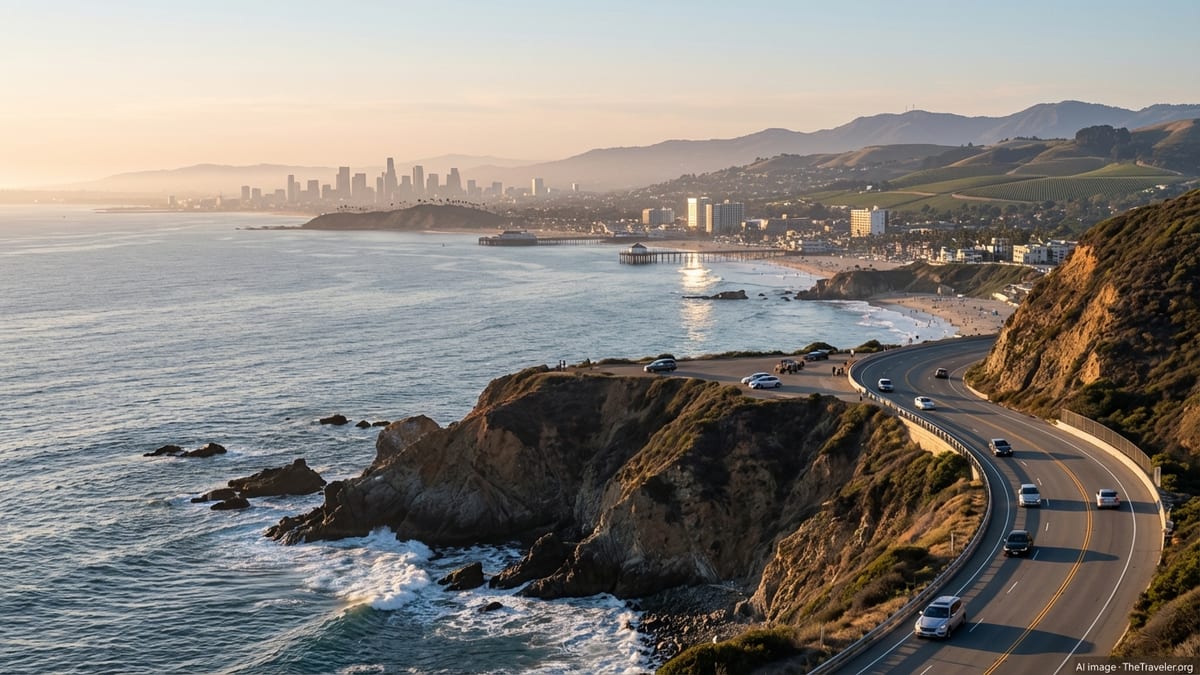
Planning Day Trips from California’s Big Three Cities
Day trips in California are defined as much by drive time as by distance. Traffic around Los Angeles, San Francisco, and San Diego can be unpredictable, particularly on summer weekends and holiday periods. When possible, plan early departures and avoid peak return windows in the late afternoon and early evening. Many of the destinations below are at their best outside the hottest part of the day, which aligns well with an early start and a later dinner back in the city.
Weather and seasonality matter. Coastal routes such as Highway 1 can experience winter storm closures, while inland desert and valley destinations see triple-digit heat from late spring through early fall. Check current road conditions and fire or flood advisories before you leave, and carry extra water, especially for hikes in exposed terrain. Several parks now use timed entry or parking reservations during busy seasons, which rewards travelers who confirm details before committing to a route.
While each day trip here can be completed in one long outing, many also support a more relaxed overnight if your schedule allows. Wine regions encourage slow tastings with designated drivers, mountain lakes are more peaceful at dusk, and desert starscapes only reveal themselves after dark. Think of this guide as both a primer for ambitious day trippers and a menu of ideas to expand into longer escapes.
Public transit can supplement driving in certain cases, particularly around San Francisco, where regional rail and ferries link the city to nearby towns and trailheads. However, a car remains the most flexible option for most of the routes listed, especially where trailheads, overlooks, and rural wineries are spread out. No matter how you travel, give yourself generous time buffers so that the journey feels like part of the experience rather than a race against the clock.
Top Day Trips from Los Angeles
Los Angeles may be synonymous with freeways and film sets, but some of Southern California’s most compelling landscapes unfold within a two to three hour radius. Coastal routes lead to classic surf towns and island harbors, mountain roads climb to pine forests and winter snow, and inland valleys shelter citrus groves and vineyards. Even short drives can deliver a dramatic change of pace from the sprawl of the basin.
One of the most popular summer escapes is Santa Catalina Island, reached by ferry from San Pedro, Long Beach, or Dana Point in roughly an hour. The harbor town of Avalon offers a compact waterfront, palm framed beaches, and access to snorkeling, kayaking, and short hikes into the island’s rugged interior. Away from the main pier, quieter coves and hilltop viewpoints reward travelers who give themselves enough time to wander beyond the postcard perfect bay.
Closer to the mainland, coastal drives north toward Malibu or south toward Laguna Beach showcase the region’s Mediterranean climate at its best. Malibu’s beaches and canyons pair surfing and tide pooling with inland hikes among chaparral covered hillsides. South of Los Angeles, art driven Laguna Beach combines coves, oceanfront walks, and galleries, and it remains a reliable day trip for those seeking a mix of swimming, browsing, and casual dining with sea views.
Head inland and the experience changes quickly. The Ojai Valley, roughly two hours from central Los Angeles in light traffic, is framed by the Topatopa Mountains and known for orange groves, yoga studios, and small, design forward hotels. Farther into the high desert, Joshua Tree National Park can be done as a very full day trip, particularly in cooler months when daytime hiking is more comfortable. Its boulder strewn basins and namesake Joshua trees offer an otherworldly contrast to the coast, but visitors should closely track weather conditions, carry plenty of water, and expect significant swings in temperature between day and night.
Top Day Trips from San Francisco
San Francisco sits within striking distance of wine country, towering redwoods, windswept coastal bluffs, and historic riverfront towns. Many routes begin with a bridge crossing, and even that first span over the bay can feel like a transition from city grid to open horizons. Within 90 minutes, you can trade streetcars for vineyards, fog banks for oak dotted hills, or dense neighborhoods for quiet forest trails.
To the north, Napa Valley and Sonoma County continue to draw wine enthusiasts with tasting rooms that range from casual family run operations to architect designed estates. Increasingly, visitors balance tastings with time outdoors, whether cycling between vineyards on designated routes or walking among vines and oak groves in the cooler hours. Nearby Sonoma and Healdsburg offer walkable town centers, adding cafes, galleries, and plazas to the rural experience. Designated drivers or organized tours are strongly recommended, particularly when tastings are the focus of the day.
For travelers drawn to redwoods and coastal vistas, the routes west hold special appeal. Muir Woods National Monument, reached via a winding road from the Golden Gate, protects an accessible stand of old growth redwoods. Reservations for parking or shuttles are now a standard part of planning for busier days, helping to control crowds in the narrow canyon. Continue over the ridge to reach Pacific beaches around Stinson Beach or Bolinas, where fog and sun trade places throughout the day and low tide brings tide pool exploration.
South of the city, Highway 1 traces sea cliffs and sheltered coves toward Half Moon Bay and beyond. Seasonal farm stands, pumpkin patches in autumn, and trail networks on coastal bluffs and ridges provide ample reasons to linger. Urban hikers are increasingly drawn to routes within the city limits as well, including long cross town trails and stairway linked circuits that stitch together parks, peaks, and residential neighborhoods. These options make it possible to experience wild feeling landscapes and sweeping viewpoints without ever truly leaving San Francisco’s boundaries.
Top Day Trips from San Diego
San Diego’s position near the Mexican border, Pacific coastline, and inland deserts gives day trippers a wide palette of options. While the city itself blends beaches, bays, and mesas, short drives in almost any direction reveal new ecosystems and cultural histories. Mild weather through much of the year makes it easier to move between sea level and higher elevations in a single outing.
To the east, Anza Borrego Desert State Park showcases broad washes, slot canyons, and seasonal wildflower displays. It is reachable in roughly two hours from central San Diego by way of mountain passes that climb through oak woodlands before dropping into the desert basin. Day trippers can sample short hikes near the visitor center, explore scenic dirt roads with a suitable vehicle, or simply experience the stark beauty from roadside overlooks. Planning around the hottest months is important, as summer heat often pushes past safe daytime hiking conditions.
Closer to the city, Mission Trails Regional Park offers an expansive network of trails within San Diego’s municipal boundaries. Peaks such as Cowles Mountain provide wide views over the metropolitan area on clear days, rewarding early morning starts. The park’s canyons, river corridor, and historic sites illustrate the region’s layers of natural and human history, making it a reliable option for those who want a robust hike without the logistics of a longer road trip.
Along the coast, rail aligned towns such as Encinitas, Carlsbad, and Oceanside combine beach walks, surf breaks, and main street style shopping and dining. It is possible to reach many of these communities by train from downtown San Diego, then explore on foot or with short rideshare hops. Farther south, the Silver Strand and the beaches near Imperial Beach lend a more laid back feel than the city’s central waterfront, and shifting sandbars and estuaries attract both birders and photographers throughout the year.
Scenic Coastal Escapes and Island Adventures
California’s coast is the thread that ties its major cities together, and for many travelers, a day trip means following that thread away from the skyline and toward open water. Coastal routes are particularly dynamic in winter and early spring, when storms can reshape beaches and temporarily close bluff side trails. At the same time, this season often brings dramatic waves, migrating whales offshore, and crisp visibility on clear days.
From Los Angeles and San Diego, island trips offer a sense of departure that feels larger than the actual distance involved. Ferries to nearby islands operate on set schedules that dictate the shape of the day, so careful attention to departure and return times is essential. On arrival, many visitors opt to rent bicycles, golf carts, or kayaks to extend their range. Quiet coves, hilltop picnic spots, and waters frequented by dolphins and marine birds all become accessible once you step beyond the immediate harbor.
North of San Francisco, the coast around Point Reyes, Bodega Bay, and the Sonoma headlands offers a different expression of Pacific scenery. Rugged shorelines, working harbors, and dairy ranches create a landscape that feels both wild and deeply lived in. Light fog can hang over the headlands in summer mornings, often retreating by midday before rolling back in the evening, so bringing layers is key. Seafood shacks, oyster farms, and small town bakeries along these routes give day trippers memorable meal stops between hikes and overlooks.
Even short coastal excursions from the cities themselves can count as day trips when thoughtfully planned. A morning walk along San Francisco’s western edge, an afternoon of tide pooling and clifftop strolling near San Diego’s La Jolla area, or a sunset walk on a Malibu state beach can all be framed as micro escapes. The benefit of these closer outings is flexibility: if weather shifts or crowds feel overwhelming, you can easily adjust your plans without a long drive home.
Mountains, Deserts, and Wine Country Retreats
Beyond the coast, California’s inland regions offer some of the most rewarding contrasts for day trippers. From Los Angeles and San Diego, mountain roads climb into cooler air and forests of pine and cedar, where winter may bring snow and summer evenings hold a refreshing chill. Towns like Big Bear Lake and similar mountain communities combine lakeside recreation with small business districts centered on gear shops, cafes, and cabin rentals. The change from urban freeways to tight, curving mountain roads can be dramatic, so drivers should be comfortable with steep grades and variable weather.
Desert landscapes, whether in the Mojave, Colorado, or the transitional zones between, demand more preparation but repay the effort with uniquely quiet vistas. Rock formations, fan palm oases, and wide valley floors define many of these routes. In cooler months, desert parks lend themselves to long, contemplative hikes and roadside photography stops. During hotter periods, short dawn or dusk outings and scenic drives become more practical than extended treks. Always verify that your vehicle is fueled and that you have more water than you think you will need.
Wine country remains a cornerstone of day trips from San Francisco and, increasingly, a goal for travelers willing to drive a bit farther from Los Angeles and San Diego as well. In the Central Coast and farther north, established appellations mix with emerging regions where small producers experiment with lesser known grape varieties. Many tasting rooms now emphasize advance reservations, curated flights, and educational experiences over casual drop in visits. This shift helps manage crowding and ensures more personal attention, but it also means that last minute plans may require flexibility.
Where vineyards border oak savannas or redwood groves, consider adding a hike or picnic in nearby regional parks to balance the day. Trails that wind along ridgelines or through shaded canyons pair well with slower afternoons in town squares or at farm stands. In all cases, thoughtful planning around alcohol consumption and driving remains a non negotiable part of any wine centered day trip.
Practical Tips for Safe and Responsible Day Trips
As day trips grow in popularity, especially among travelers who prefer flexible itineraries and shorter getaways, questions of safety and stewardship have come to the forefront. Many California destinations that once saw modest visitation now experience weekend surges, placing pressure on parking areas, narrow roads, and fragile habitats. Planning with these realities in mind leads to more enjoyable experiences and helps protect the very places that attract visitors in the first place.
Start with timing. When possible, travel on weekdays or shoulder seasons rather than peak summer weekends and major holidays. Arriving early not only improves your chances of finding parking but also allows you to enjoy trails and viewpoints before they become crowded. Build extra time into your schedule for slower traffic on mountain roads, construction zones, or weather related diversions, especially during the rainy season when landslides and washouts are more likely.
Pack as if services may be limited, even for destinations that appear close to major metros on a map. This means carrying water, snacks, sun protection, basic first aid, and layers for shifting conditions. Mobile coverage can be patchy in canyons, mountains, and parts of the coast, so do not rely solely on digital navigation. Download maps for offline use or carry printed versions of key routes and trail systems, and let someone know where you are headed and when you expect to return.
Finally, consider your impact. Stay on marked trails, observe posted rules about fires, drones, and wildlife, and pack out all trash. Respect private property lines in rural areas and be mindful of noise in quiet coastal or mountain communities. Supporting locally owned cafes, shops, and tour operators spreads the economic benefits of tourism beyond the largest hotels and attractions. Approached with care, each day trip can be both a personal highlight and a small investment in the resilience of California’s diverse travel landscapes.
FAQ
Q1. What is the best time of year for day trips from Los Angeles, San Francisco, and San Diego?
The most comfortable months for most day trips are generally late winter through late spring and again in autumn, when temperatures are milder, wildfire risk is often lower, and coastal fog or inland heat are less intense.
Q2. How far in advance should I plan my day trips?
Plan at least a few days ahead for weather and road checks, and several weeks ahead for any destinations that require reservations, such as popular wine country tastings, ferry rides, or timed park entries during busy seasons.
Q3. Do I need a car, or can I rely on public transit for these trips?
A car offers the most flexibility for reaching varied trailheads and rural stops, but selective use of trains, ferries, and buses can work for some routes, especially along the San Francisco Bay and San Diego’s coastal corridor.
Q4. How can I avoid heavy traffic on popular routes?
Leaving early in the morning, returning after the traditional dinner hour, traveling on weekdays, and choosing less publicized alternate routes when available are the most effective ways to reduce time spent in traffic.
Q5. What should I pack for a typical California day trip?
Essentials include water, sun protection, layers for changing temperatures, comfortable walking shoes, snacks, a small first aid kit, and offline or printed maps for areas with limited mobile service.
Q6. Are these day trips suitable for children and older travelers?
Many coastal towns, shorter hikes, and scenic drives are well suited to multigenerational groups, but families should carefully match activities to fitness levels and pay attention to elevation, trail difficulty, and heat exposure.
Q7. How can I visit popular parks without encountering overwhelming crowds?
Aim for shoulder seasons, weekdays, and early morning or late afternoon visits, and look for lesser known trailheads or nearby regional parks that offer similar scenery with fewer visitors.
Q8. What are some ways to reduce my environmental impact on day trips?
Travel with reusable water bottles and containers, stick to marked paths, carpool when possible, observe local fire and wildlife guidelines, and support small, locally owned businesses at your destination.
Q9. Is it realistic to combine multiple destinations in one day?
Combining stops is possible on shorter routes, but it often leads to rushed experiences; focusing on one main area per day usually results in a more relaxed and memorable trip.
Q10. How can I stay informed about closures, permits, or new rules?
Check official park and transportation agencies before you depart, follow local news outlets for weather and road updates, and confirm any reservation requirements directly with attractions or tour operators.