

More news on this day
Singapore’s live music scene is preparing for one of its busiest years yet in 2026, with a packed calendar of global tours, homegrown festivals and cross-genre events turning the city-state into a regional magnet for concertgoers.
Get the latest news straight to your inbox!
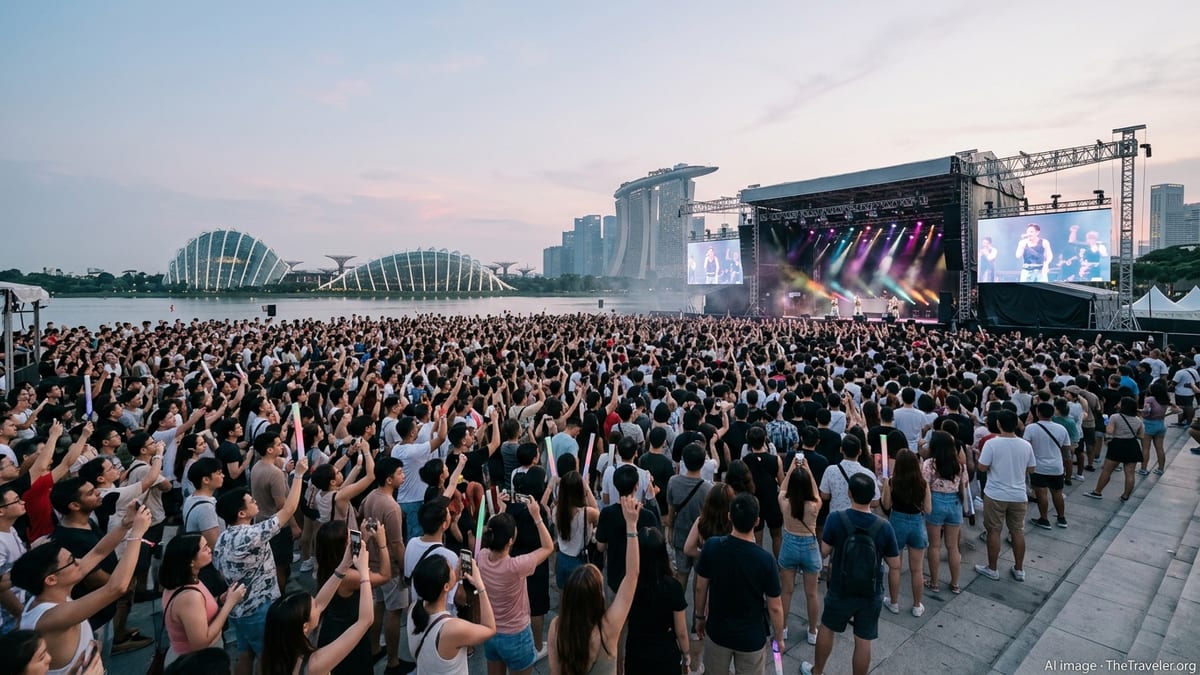
Global Pop And Rock Tours Headline The 2026 Calendar
International touring acts are placing Singapore firmly on their 2026 routing, underscoring the city’s status as a must-play stop in Asia. Entertainment guides highlight American pop-rock band OneRepublic bringing their From Asia, With Love Tour to the Singapore Indoor Stadium on 2 March 2026, promising arena-sized singalongs for hits such as “Counting Stars” and “Apologize.” The show continues a pattern of top 40 and adult-pop artists choosing Singapore Indoor Stadium for high-production concerts that can draw regional travelers as well as local fans.
Other global names are expected to help fill the first half of the year. Regional coverage points to K-pop and Mandopop acts maintaining a strong presence, with Seoul-based groups and solo artists weaving Singapore into wider Asia-Pacific itineraries. Industry watchers note that fanbases in Southeast Asia have become increasingly willing to travel for music, a trend that supports multiple nights or repeat visits for proven arena headliners.
At the stadium scale, publicly available tour listings indicate that large-format pop shows are likely to center on the National Stadium and the broader Singapore Sports Hub precinct. These venues, already tested by multi-night runs from American and Korean superstars in recent years, are expected to handle complex staging, immersive visuals and heavy inbound tourism, reinforcing Singapore’s reputation as a reliable host for blockbuster concerts.
Across the broader concert calendar, promoters are leaning into variety, mixing veteran chart acts with rising performers in pop, indie and electronic music. Event roundups suggest that 2026 will continue this approach, offering both nostalgia-driven tours and fresh debuts tailored to younger audiences discovering live music post-pandemic.
New Year Spectaculars And Early-Season Highlights
The year’s festivities begin almost immediately after the countdown to 2026, with large-scale shows in the first week of January. A key fixture is Singland Festival at Marina Bay Sands, marketed as Singapore’s biggest indoor New Year celebration, which spans from New Year’s Eve into early January and brings together multiple star-led music shows under one banner. Promotional materials emphasize a mix of pop, R&B and ballads, framing the event as both a concert series and a citywide welcome to the new year.
In parallel, community-driven gig listings show a dense run of smaller shows, club nights and after-parties across January, from free outdoor sessions to ticketed showcases. This ecosystem of bar venues, arts spaces and cultural centers provides platforms for local acts in genres ranging from indie rock to Chinese orchestra, helping to sustain momentum between the headline New Year festivities and the bigger international tours later in the quarter.
February and March continue the build-up with themed nights and boutique festivals. City and lifestyle publications report that venues such as Pasir Panjang Power Station and Esplanade are leaning into curated lineups, from rap showcases to tribute concerts and chamber music events. For visitors timing a stopover in Singapore, the first quarter of 2026 offers a snapshot of the city’s breadth of live music, from underground scenes to marquee indoor arenas.
Observers note that this early-season clustering reflects both climate and tourism dynamics. The period falls outside the peak haze and monsoon concerns that can complicate large outdoor projects, while aligning with travel patterns around Lunar New Year and school holidays in key regional markets.
Festivals Bring Genre Diversity And Destination Appeal
Alongside standalone concerts, 2026 is shaping up as a strong year for festivals that turn Singapore into a multi-day music destination. Guides focused on the local scene highlight the Lion City Jazz Festival 2026, which is expanding into a month-long series of concerts, family-friendly productions, fringe showcases and masterclasses across multiple venues. The festival’s programming blends Singaporean talent with international guests, appealing to both serious jazz followers and casual listeners curious about the genre.
Electronic and dance-focused events are also in the spotlight. Organizers of the Palm Tree Music Festival are preparing an Asian debut in Singapore in 2026, adapting the tropical-themed concept pioneered in the Hamptons for a Southeast Asian audience. Early information describes palm-lined staging, beach-club aesthetics and a lineup of international DJs and live acts, positioning the event as a lifestyle festival that pairs dance music with food, fashion and resort-style experiences.
Beyond genre-specific events, Singapore’s broader arts festivals continue to integrate live music into their programs. The Singapore International Festival of Arts, scheduled for May 2026, is expected to feature music alongside theatre and dance, while institutional calendars from orchestras and conservatories point to dedicated seasons of classical and contemporary works. Together, these events highlight how live music in Singapore increasingly intersects with theatre, visual arts and digital performance.
Travel commentators observe that such festivals encourage longer stays and repeat visits. By clustering performances over several days or weeks, organizers create itineraries where audiences can pair a headline pop concert with a jazz evening, a club night or a symphony performance, all within a compact and well-connected city.
Heritage Venues, New Spaces And A Growing Local Scene
Singapore’s strength as a concert destination in 2026 also rests on its mix of established and emerging venues. The Singapore Indoor Stadium, Esplanade – Theatres on the Bay and the National Stadium remain key anchors, offering capacities and technical capabilities that can accommodate high-spec international tours. These facilities are complemented by mid-sized halls, repurposed industrial sites and waterfront locations that are increasingly used for one-off shows and festivals.
Local reporting highlights Pasir Panjang Power Station, in particular, as an atmospheric setting for contemporary music, with its industrial architecture and flexible layout suiting rap, electronic and alternative acts. Meanwhile, cultural institutions such as the Singapore Chinese Cultural Centre and various arts schools continue to host concerts that blend traditional and modern influences, from Chinese orchestral works to ensemble collaborations.
Grassroots listings compiled by local music enthusiasts indicate a healthy pipeline of gigs in intimate bars, independent theatres and community hubs. Regular “megalist” posts catalog weekly lineups of rock bands, singer-songwriters, DJs and student ensembles, suggesting that beneath the marquee tours, a diverse local ecosystem is gaining traction. For visitors, these smaller shows offer a way to encounter Singapore’s homegrown talent and niche scenes that rarely appear on mainstream tourist itineraries.
Industry observers suggest that the combination of world-class infrastructure, supportive cultural policy and an increasingly confident local artist base is creating a virtuous cycle. International tours bring production know-how and audience excitement, while festivals and small venues give local musicians regular stages and opportunities to collaborate with overseas acts.
Planning A 2026 Music Trip To Singapore
With 2026 shaping up as a landmark year for concerts and festivals, travel planners are advising visitors to secure tickets and accommodation early, especially around peak event periods in March, May and the year-end holidays. High-demand shows at the National Stadium and Singapore Indoor Stadium typically draw regional audiences, putting pressure on hotel availability and flight prices.
For those aiming to maximize their time, publicly available event calendars suggest pairing a major concert with at least one festival or arts event. A sample itinerary could include an arena pop show, a night at a jazz or electronic festival, and an evening exploring smaller gigs at bars or waterfront venues. The city’s compact layout and efficient public transport system make it feasible to move between districts such as Marina Bay, Kallang and the civic area in a single day.
Travel and lifestyle outlets also point out that many festivals are designing more inclusive, family-friendly programs, with daytime performances, workshops and free fringe events. This shift makes it easier for multi-generational groups and casual listeners to participate, not just dedicated fans. Combined with Singapore’s established reputation for safety, cleanliness and food culture, the 2026 music calendar is expected to be a significant draw for both first-time visitors and returning travellers seeking a different angle on the city.
As lineups continue to be announced in the coming months, observers expect more global names and innovative festival concepts to join the schedule. For now, early indications suggest that 2026 will stand out as a year when Singapore’s music scene, venues and tourism offerings align to deliver a dense, varied and globally resonant season of live performances.