

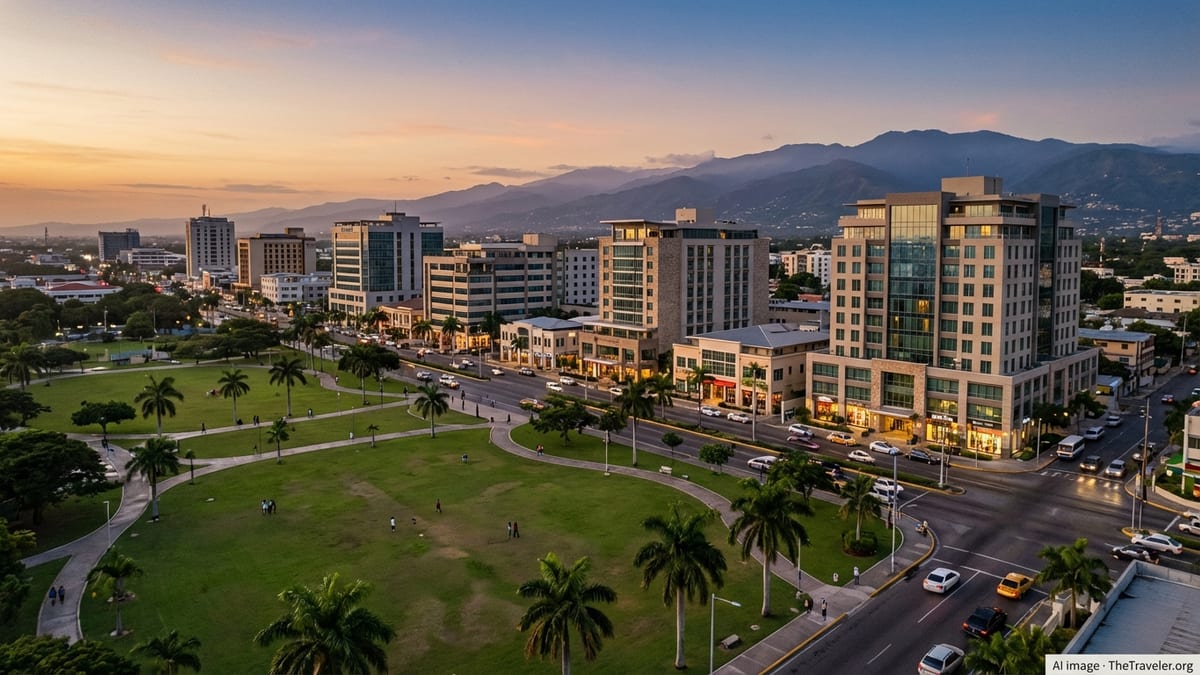
Kingston is Jamaica’s energetic capital, a city where music spills onto sidewalks, colonial history meets modern business towers, and the Blue Mountains rise just beyond the skyline. Choosing the right place to stay is one of the most important decisions you will make here. The neighborhood and style of accommodation you pick will shape how easily you reach top attractions such as the Bob Marley Museum, Devon House, Emancipation Park, Kingston waterfront and the city’s key cultural venues. This guide focuses on the best areas and properties for travelers who want to be close to the action while keeping convenience, comfort and safety firmly in view.
Understanding Kingston’s Layout and Safety Considerations
Kingston stretches from historic downtown on the waterfront up through the business and nightlife hub of New Kingston and into the leafy foothills of St Andrew. Many of the city’s museums, galleries and nightlife spots are concentrated in the midtown corridor that runs through New Kingston, Half Way Tree, Liguanea and Barbican, while some heritage attractions sit closer to downtown and Port Royal. Distances on the map can look short, but traffic congestion, heat and sporadic sidewalks can make being based near what you want to see extremely valuable.
For most visitors, the most practical and popular areas to stay are New Kingston, Liguanea, Barbican and selected hillside neighborhoods such as Jack’s Hill and Norbrook. Recent traveler and safety guidance continues to highlight these districts as the best balance of walkable amenities, relative security and good transport links to cultural attractions. By contrast, parts of West Kingston and some outlying communities experience higher crime and are not recommended for unfamiliar visitors, especially after dark.
Regardless of where you stay, it is wise to rely on registered taxis or hotel-arranged drivers at night, keep valuables out of sight and ask hotel staff for current advice on routes and timing. Most higher-end hotels and well-managed guesthouses provide secure parking, controlled access and 24-hour reception, which add peace of mind. When you weigh up accommodation options, factor in not just price and décor but proximity to attractions, on-site security and how easily you can arrange reliable transportation.
With this context in mind, the following sections outline the standout areas and individual properties that place you close to Kingston’s main sights, parks and cultural experiences, from business-friendly towers in New Kingston to characterful boutiques near Devon House and hillside retreats overlooking the city.
New Kingston: Business Hub Close to Parks, Museums and Nightlife
New Kingston is the modern commercial heart of the city, a dense grid of office towers, hotels, restaurants and bars centered on Knutsford Boulevard and the green expanse of Emancipation Park. For first-time visitors who want to be close to a broad mix of attractions, it is often the most convenient base. From here, you are a short drive or taxi ride from the Bob Marley Museum on Hope Road, the historic Devon House mansion with its famous ice cream, and the National Gallery of Jamaica downtown. Emancipation Park itself, with its running track and public art, sits right among the hotels and is a popular spot for early morning or evening walks.
Several of Kingston’s best-known full-service hotels cluster along or just off Knutsford Boulevard. These include well-established business properties with pools, multiple dining options and conference spaces that increasingly cater to leisure travelers as well. Many rooms offer city or mountain views and the larger hotels often host live music nights or themed buffets that add a bit of nightlife on your doorstep. Being in New Kingston also means quick access to popular dining corridors, with everything from jerk spots and casual cafés to upscale Caribbean fusion within a short taxi ride.
Travelers who prioritize walkability will appreciate that New Kingston is one of the few areas where you can reasonably stroll between hotel, park and several restaurants in daylight hours. Sidewalks are better maintained than in many parts of the city, and the density of offices and hotels keeps the area busy during the day. In the evenings, you will likely switch to taxis or hotel drivers, but you still benefit from being centrally located. For business travelers with limited free time, staying here maximizes the chance of fitting in a quick visit to a museum or a relaxed hour in the park between meetings.
On the practical side, hotels in New Kingston tend to offer reliable internet, back-up power and formal front-desk services that are useful during tropical downpours or occasional infrastructure hiccups. If you are attending events at the National Stadium, the National Arena or major corporate offices, New Kingston’s location in the middle of the uptown corridor also cuts down on time spent in traffic.
Liguanea and Hope Gardens: Cultural Convenience in a Leafy Setting
East of New Kingston, the Liguanea district blends commercial plazas with embassies and low-rise residential streets, creating an area that feels calmer while still being well connected. For travelers focused on Kingston’s cultural institutions, Liguanea is particularly appealing because it sits close to the University of the West Indies Mona campus, the Hope Botanical Gardens and Hope Zoo, and a cluster of museums and galleries. The Bob Marley Museum on Hope Road and the adjoining recording studio complex are a short drive away, as is Devon House.
Liguanea’s main intersections are busy with traffic and shopping plazas, but step just behind the main roads and you find quieter streets of townhouses and apartments. A growing number of modern serviced apartments, small hotels and guesthouses tuck into these side streets, giving visitors a more residential feel while keeping supermarkets, cafés and casual restaurants within easy reach. Travelers staying longer term often favor this area for its balance of familiarity and local life, along with easy access to public transport routes.
Hope Botanical Gardens is one of Kingston’s most popular green escapes, a sprawling park with lawns, tropical plantings and shaded paths. Being based in Liguanea makes spontaneous visits simple, whether for an early-morning walk to beat the heat or a relaxed afternoon among flowering trees. The nearby zoo is a hit with families, and the university campus adds a youthful energy through its events and small eateries. If your travel plans include lectures, festivals or sports on campus, staying in this corridor dramatically reduces commuting time.
Accommodation types in Liguanea range from compact business-style hotels to larger apartments in gated complexes that suit families or small groups. When assessing options, pay attention to proximity to main roads versus quieter back streets, depending on whether you prioritize quick taxi access or a peaceful night’s sleep. Properties here typically offer secure parking and controlled entrances, and you can expect staff to be familiar with arranging rides to major attractions across the city.
Barbican and Sovereign Centre Area: Upscale Residential Base Near Dining and Devon House
North of Liguanea, the Barbican and Sovereign Centre area has evolved into one of Kingston’s more upscale residential and lifestyle hubs. It is characterized by tree-lined streets, gated townhomes and low-rise apartment buildings interspersed with plazas that host cinemas, wine bars, cafés and popular restaurants. Travelers who prefer a quieter base with a neighborhood feel, yet still want to be within a short taxi ride of key attractions, often gravitate here.
The area sits within convenient reach of several of Kingston’s highlights. Devon House, the 19th-century mansion with its lush lawns, artisan shops and renowned ice-cream parlor, is only a short drive. New Kingston’s business district and nightlife are also accessible without crossing the entire city. To the north and east, the roads climb into the foothills toward Norbrook and Jack’s Hill, putting scenic viewpoints, golf and cool evening breezes within reach.
Accommodation in Barbican skews toward higher-end rental apartments, serviced units and intimate guesthouses rather than large hotels. Many are located in modern gated complexes with pools, small gyms and 24-hour security, appealing to couples, families and remote workers who want more space and kitchen facilities. For travelers comfortable with ride-hailing apps or prearranged drivers, this style of stay can create a relaxed routine of breakfast at “home,” a mid-morning outing to a museum or the waterfront, and evenings spent at nearby bistros and lounges.
Because this is primarily a residential district, nightlife right on your doorstep is more subdued than in New Kingston. That can be a benefit if you are sensitive to noise or traveling with children. At the same time, you are close to Sovereign Centre and other malls that offer cinemas and casual dining, so entertainment is still available without long journeys. When booking, confirm how close your accommodation is to main roads such as Barbican Road or Old Hope Road to gauge taxi convenience and walking conditions during the day.
Hillside Retreats in Jack’s Hill and Norbrook: Views Above the City
For visitors who value cooler air, sweeping views and a more tranquil atmosphere, the hillside neighborhoods overlooking Kingston are compelling options. Jack’s Hill and Norbrook sit in the elevated suburbs of St Andrew, a short but noticeably uphill drive from the urban core. These districts are well known locally for their spacious homes, gated communities and, in Norbrook’s case, proximity to the Constant Spring Golf Course. They attract a mix of well-off residents and travelers seeking a retreat-like stay within reach of city attractions.
From hillside terraces, Kingston stretches out below as a patchwork of towers, rooftops and harbor glimpses framed by distant mountains. Evenings are often cooler and breezier than on the coastal plain, which can be a welcome relief after a day of sightseeing. Many villas, guesthouses and small hotels in these neighborhoods make the most of the setting with verandas, garden patios and open-plan living areas that encourage you to linger outdoors at sunrise or sunset.
Reaching major attractions from Jack’s Hill or Norbrook is straightforward by car, with typical daytime drives to New Kingston, Liguanea or Devon House measured in minutes rather than hours, traffic permitting. However, these are not especially walkable neighborhoods for visitors, given steep roads, limited sidewalks and the need for local knowledge. A stay here works best if you are comfortable relying on taxis or have arranged a trusted driver, sometimes coordinated directly through your accommodation.
Hillside properties range from boutique inns to multi-bedroom villas ideal for families or groups. They often emphasize privacy and residential comfort over hotel-style services, though many can arrange meals, tours and airport transfers on request. When you compare options, consider whether you want full self-catering facilities, how important on-site staff presence is, and whether you prefer to be slightly lower on the slopes for faster access to town or higher up for the most dramatic views.
Historic Downtown and Kingston Waterfront: Close to Heritage and Culture
Kingston’s historic downtown core and waterfront hold some of the city’s most important heritage buildings, including the Ward Theatre, the parish church, and civic institutions. The National Gallery of Jamaica, which showcases the country’s art from the 17th century to the present, sits near the waterfront and is one of the main reasons culture-focused travelers make the trip downtown. Nearby streets bustle with vendors, small shops and older commercial buildings that reveal the city’s layered history.
Staying downtown places you within very short reach of the gallery, harbor views and certain government and business offices. It can be practical for visitors attending events or meetings in this district or for those who prefer to experience the city’s historic fabric at close range. However, downtown’s safety profile is more mixed than uptown districts, especially outside business hours. Many travelers choose instead to base themselves in New Kingston or Liguanea and visit downtown sights via taxi or organized tour during the day.
Accommodation options in the immediate downtown and waterfront area are more limited compared with uptown, though new and refurbished properties have been gradually appearing. Where they exist, they often emphasize secure access, on-site dining and proximity to particular attractions or corporate addresses. Rooms may offer views across Kingston Harbour or toward the long peninsula that leads to Port Royal, the once-infamous pirate haven that now hosts 17th-century fortifications and a small local community.
If you do decide to stay close to downtown, it is worth speaking with your hotel in advance about the best times and routes for walking versus when to rely entirely on taxis. Daytime guided visits to the National Gallery, heritage squares and the craft market can be rewarding, while evenings are usually better spent back in the uptown entertainment zones unless you are attending a specific, well-organized event.
Choosing Between Hotels, Guesthouses and Serviced Apartments
Kingston’s accommodation mix has become more diverse in recent years, giving travelers a choice between traditional full-service hotels, characterful guesthouses and modern serviced apartments. Your decision will depend on how much independence you want, whether you are traveling for business or leisure, and how many people are in your group, but all three formats can put you close to major attractions if you choose the right neighborhood.
Full-service hotels in New Kingston and around Emancipation Park remain the most straightforward option for many visitors. They typically provide 24-hour front desks, on-site restaurants and bars, daily housekeeping and business facilities, along with concierge desks that can arrange taxis, tours and same-day laundry. For short stays, tight schedules or first-time visits, that level of support can simplify logistics significantly. Many such hotels also have pools and small fitness rooms, which are appealing after a hot day exploring museums and markets.
Guesthouses and small inns, common in Barbican, Liguanea and the hills, offer a more personalized atmosphere. You may find yourself chatting with hosts over breakfast in a shaded courtyard or receiving tailored advice about local eateries and music events. Rooms can range from simple to luxurious, but the shared element is usually a sense of being in a home rather than a large complex. Travelers who value local insight or who plan to spend more time relaxing on property often gravitate toward this style of stay.
Serviced apartments and vacation rentals, increasingly available in gated complexes across Barbican, Liguanea and Norbrook, suit families, long-stay guests and remote workers. Kitchens, washing machines and separate living areas make day-to-day life easier, and having your own front door adds a degree of privacy. When considering this option in Kingston, prioritize properties with strong recent reviews that mention security, responsiveness of hosts and reliable utilities. For maximum convenience, choose complexes near major roads and shopping plazas so that taxis, groceries and casual dining are all within a short distance.
Practical Tips for Picking the Right Place in Kingston
When you compare places to stay in Kingston, begin by listing the attractions and activities that matter most to you. If live music, bars and easy access to Emancipation Park are top priorities, New Kingston is a logical first choice. If you envision quiet mornings in a leafy neighborhood before heading out to museums and botanical gardens, look closely at Liguanea and Barbican. For travelers who see their accommodation as a retreat and are happy to rely on drivers, hillside areas like Jack’s Hill and Norbrook may be ideal.
Next, consider how you plan to move around. Kingston does not yet have an extensive tourist-focused public transport network, and most visitors rely on taxis, hotel drivers or ride-hailing services where available. Properties located on or near main corridors such as Knutsford Boulevard, Hope Road or Barbican Road make arranging rides and meeting drivers simpler. If you plan to rent a car, confirm that your accommodation includes secure parking and ask about local driving conditions, as traffic patterns and road signage can take some getting used to.
Safety and comfort should guide your final decision. Look for recent guest feedback that mentions neighborhood atmosphere, security measures and staff support. Many Kingston properties explicitly highlight features such as gated entry, surveillance systems and security personnel. While these may feel more formal than in some other Caribbean destinations, they reflect a realistic approach to urban living and can add to your peace of mind. It is also sensible to choose accommodations that have back-up power generation and water storage, as these can reduce disruptions during occasional outages.
Finally, build some flexibility into your plans. Kingston’s cultural calendar includes festivals, concerts and sporting events that can shift traffic patterns and availability. Staying in a central, well-connected area makes it easier to adjust your daily itinerary on the fly, whether that means joining a last-minute concert at the National Arena, slipping into a small jazz club, or spending an extra hour under the almond trees at Devon House because you fell in love with a new flavor of ice cream.
The Takeaway
Kingston is not a city where one neighborhood suits every traveler. Instead, it offers a spectrum of bases that each bring you close to a different aspect of the capital’s character. New Kingston keeps you within walking or short driving distance of parks, major hotels and nightlife. Liguanea and Barbican blend cultural convenience with residential calm. Jack’s Hill and Norbrook provide breezy views and retreat-style stays just above the urban grid. Downtown and the waterfront put heritage and harbor life within arm’s reach, albeit with more complex safety considerations.
Whichever area you choose, the key is to balance proximity to your must-see attractions with practicalities such as transport, security and the overall feel of the neighborhood. In Kingston, a thoughtfully chosen hotel, guesthouse or serviced apartment is more than just a place to sleep. It is your launching point into the city’s music, food, history and everyday life, shaping how you experience Jamaica’s vibrant capital from your first morning coffee to your final sunset over the harbor.
FAQ
Q1. What is the best area to stay in Kingston for first-time visitors?
For most first-time visitors, New Kingston is the best base. It offers major hotels, easy access to Emancipation Park, quick taxi rides to the Bob Marley Museum and Devon House, and a good choice of restaurants and nightlife.
Q2. Where should I stay in Kingston to be close to the Bob Marley Museum?
Staying in New Kingston, Liguanea or along Hope Road keeps you within a short taxi ride of the Bob Marley Museum. These areas combine convenient access with a solid mix of hotels, guesthouses and serviced apartments.
Q3. Which neighborhoods are considered safer for tourists in Kingston?
New Kingston, Liguanea, Barbican, Norbrook and parts of Jack’s Hill are generally regarded as safer and more visitor-friendly. They feature more secure accommodations, embassies, businesses and better-maintained public spaces than many other districts.
Q4. Is it a good idea to stay in downtown Kingston near the waterfront?
Staying downtown can be practical if you have business, government meetings or specific cultural visits planned there, but many travelers prefer to base themselves uptown in New Kingston or Liguanea and visit downtown attractions during the day by taxi or tour.
Q5. Are serviced apartments a good option in Kingston?
Yes. Serviced apartments in areas such as Barbican, Liguanea and Norbrook are popular with families, long-stay travelers and remote workers. They offer more space and kitchen facilities, but you should prioritize properties in secure gated complexes with strong recent reviews.
Q6. How long does it take to get from hillside areas like Jack’s Hill to central attractions?
From Jack’s Hill or Norbrook, driving to New Kingston or Liguanea typically takes a short time in light traffic, though peak-hour congestion can lengthen journeys. For most visitors, these areas feel close enough for daily outings yet pleasantly removed from city noise.
Q7. Can I walk between attractions in Kingston, or should I rely on taxis?
In New Kingston, you can often walk between your hotel, Emancipation Park and nearby restaurants during the day. For longer distances, evening movements or routes you do not know well, taxis or hotel-arranged drivers are the more practical and comfortable option.
Q8. What type of accommodation is best for a short business trip?
For a short business trip, a full-service hotel in New Kingston is usually the most convenient. You gain reliable internet, business facilities, on-site dining, airport transfer options and quick access to corporate offices and major venues.
Q9. Which area is best if I want a quieter, residential feel but still be close to attractions?
Liguanea and Barbican are strong choices for a quieter base that still offers easy access to Devon House, Hope Botanical Gardens, the Bob Marley Museum and New Kingston’s business and dining scene.
Q10. Is renting a car necessary for getting around Kingston’s attractions?
Renting a car is not strictly necessary, as many visitors rely on taxis and hotel drivers. However, a car can be useful if you plan frequent trips to hillside areas, the Blue Mountains or outlying attractions. If you do rent, choose accommodations with secure parking and ask staff for local driving tips.