

More news on this day
Across Asia, a growing number of travelers are trading whirlwind city breaks for longer, slower stays in rural towns, coastal villages and lesser-known cultural hubs that promise space, silence and meaningful local connection.
Get the latest news straight to your inbox!
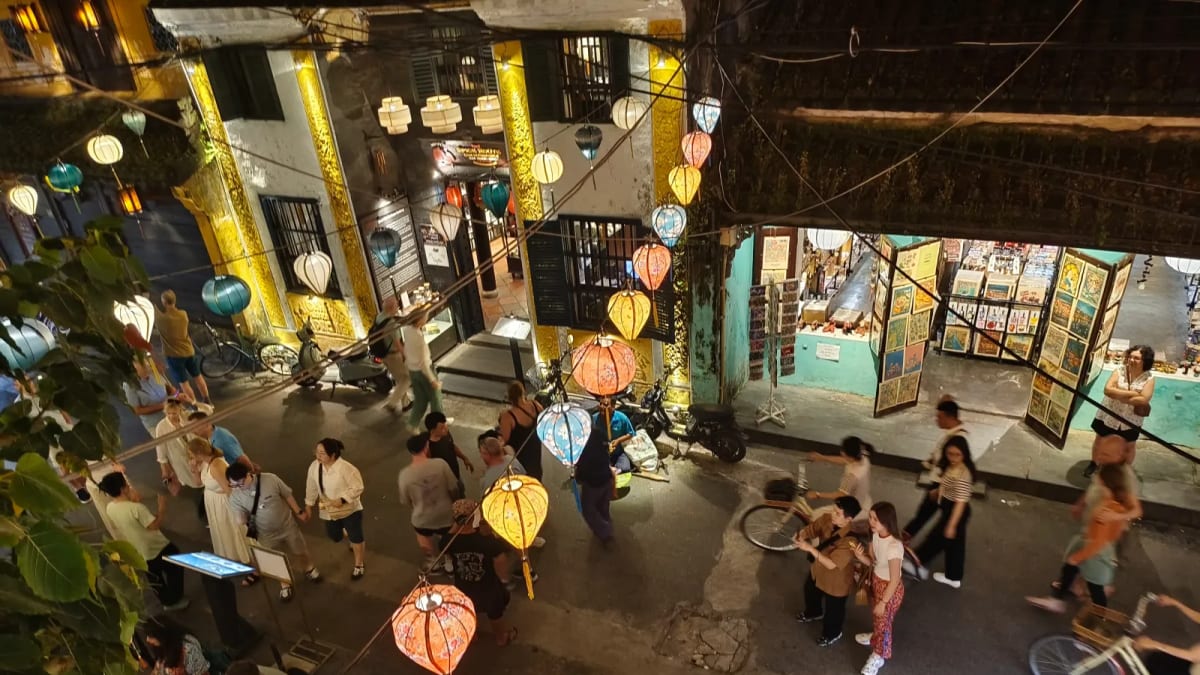
Image by Focus on Travel News
Japan’s Rural Heartlands Lead the Shift Beyond Big Cities
Japan remains one of Asia’s most in-demand destinations, but recent travel patterns show a marked shift away from the classic Tokyo–Kyoto circuit toward smaller prefectures and countryside communities. Publicly available data from Japanese tourism and marketing agencies indicates that visitor satisfaction is particularly high among travelers who combine major cities with at least one rural stop, suggesting strong appetite for quieter landscapes, onsen towns and farming villages.
Regional revitalization projects are helping to channel this demand. Reports describe how abandoned houses and warehouses in depopulated areas are being converted into small-scale inns, guesthouses and community hubs operated by local residents. These initiatives are designed to disperse tourism, sustain traditional crafts and create new income streams without replicating the crowding issues seen in major gateways.
Airlines and tourism bodies are also experimenting with incentives that make slow exploration more practical. Recent campaigns by Japanese carriers have offered discounted or complimentary domestic sectors to international visitors, encouraging them to add remote islands, snowy northern regions or lesser-visited hot spring areas onto longer itineraries. The focus on multi-stop, open-jaw journeys aligns closely with the slow travel ethos of staying longer and moving more deliberately.
For travelers, this emerging infrastructure means that it is increasingly feasible to spend a week or more in a single valley or coastal town, walking local trails, frequenting neighborhood bathhouses and joining seasonal farming or craft workshops, rather than racing between landmarks.
Thailand and Vietnam Embrace Longer Stays and “Quietcation” Retreats
Thailand and Vietnam continue to draw strong international interest, but the most visible growth in 2025 and early 2026 has been in quieter coastal enclaves and secondary cities rather than headline resorts. Coverage of regional booking data and consumer surveys points to travelers favoring extended stays in beach towns with surfing, yoga and café culture over short, high-intensity visits to major party hubs.
In Thailand, coastal destinations marketed for wellness and relaxation have emerged as flagships for the slow travel trend. Industry reporting notes that areas once known mainly for family resorts or diving are increasingly repositioned as “quietcation” bases, encouraging visitors to stay a week or more to follow a gentle rhythm of morning markets, long walks, and time spent in locally owned cafés and massage houses. Policy measures such as digital payment schemes for tourists are aimed at dispersing spending into smaller businesses and second-tier destinations, where longer stays have the most local impact.
Vietnam is witnessing a parallel evolution. Coastal corridors and historic towns that previously catered to fast coach tours are now promoting homestays, cycling routes and riverfront neighborhoods where visitors can linger. Tourism boards and private operators are foregrounding experiences like lantern-making, countryside bicycle excursions and cooking classes that require unhurried days rather than tight timetables.
Combined, these shifts are gradually reframing parts of Southeast Asia from quick-stop beach escapes into bases for a month of remote work, language study or creative retreats, with travelers increasingly evaluating destinations on walkability, community feel and access to nature.
Indonesia’s Lesser-Known Islands Showcase Community and Conservation
While Bali continues to dominate Indonesian tourism, recent coverage of sustainable travel highlights a widening arc of lesser-known islands attracting visitors seeking slower, more nature-focused stays. Small islands in archipelagos off Sumatra, Java and the Lesser Sunda chain are receiving attention for community-based tourism models, coral conservation programs and low-density eco-lodges.
Examples include conservation-oriented islands where resort operators support marine protected areas and local education initiatives, and villages that manage trekking trails or snorkeling spots through cooperatives. Publicly available information shows that some of these areas are designated conservation zones or national parks, underscoring efforts to balance tourism with ecological protection.
At the same time, environmental debates around mining, coastal development and overtourism in other Indonesian regions are sharpening traveler interest in operators that can demonstrate tangible benefits to local communities. Reports about marine environments placed under pressure by rapid development are prompting many visitors to look for destinations that limit visitor numbers, promote reef-safe practices and encourage longer, low-impact stays.
For slow travelers, Indonesia’s more remote islands offer the possibility of spending ten days or longer in a single village, joining boat trips run by local fishers, walking forest trails with community guides and participating in reef monitoring or beach clean-ups, turning a holiday into a mutually beneficial exchange.
Laos and the Mountain Towns of Mainland Southeast Asia
Laos has long been cited in travel coverage as a natural fit for slow travel, and recent trend reports continue to place its river towns and mountain valleys among Asia’s top escapes for travelers seeking a gentler pace. The country’s limited rail connections and relaxed border towns naturally favor itineraries built around a few extended stops rather than rapid, multi-city circuits.
Historic centers along the Mekong have invested in restoring traditional architecture, riverfront promenades and temple complexes, while surrounding countryside areas promote hiking, village homestays and handicraft workshops. Travelers are encouraged to spend several days exploring on foot or bicycle, supporting family-run cafés and guesthouses that depend on steady, year-round business rather than short seasonal peaks.
Across the wider Mekong region, lesser-known mountain and plateau towns in neighboring countries are adopting similar slow travel positioning. Media coverage points to former backpacker hubs that are recalibrating towards wellness retreats, community trekking programs and small-scale agritourism, often emphasizing limits on vehicle access or noise in core zones.
This cluster of upland destinations collectively offers an alternative to crowded capital cities: places where visitors might devote a week to following the rhythms of morning markets, temple rituals and riverside sunsets, while getting to know guides, café owners and homestay hosts by name.
Emerging Urban “Basecamps” in Taiwan and South Korea
In North Asia, Taiwan and South Korea are leveraging efficient public transport systems to position compact cities and regional hubs as ideal basecamps for slow travelers. Industry analysis notes that a growing share of visitors are booking longer stays in a single city and using rail or bus passes for unhurried day trips into surrounding countryside, rather than attempting to cover entire countries in one journey.
In Taiwan, mid-sized cities framed by mountains or coastline are being promoted for their combination of night markets, local design scenes and access to hot springs or cycling routes. Publicly available tourism materials highlight river bikeways, historic neighborhoods and cultural festivals that reward repeat visits and week-long stays, instead of checklists of must-see attractions.
South Korea is seeing renewed interest in smaller cities and historic districts that sit a short train ride from Seoul or Busan. Travel coverage describes visitors renting apartments or guesthouses for two weeks or more, working remotely by day and exploring traditional markets, fortress trails or nearby fishing villages on weekends. Regional governments are investing in walking paths, cultural centers and food markets intended as much for residents as for visitors, which in turn strengthens the appeal for travelers looking to feel part of everyday life.
Together, these compact, well-connected urban centers illustrate how Asia’s infrastructure is evolving to support a style of travel built on returning to the same café, riding the same bus route and getting to know one neighborhood at a time, even as international arrivals across the region continue to climb.