

Chicago is a city that rewards curiosity, and first-time visitors quickly discover that its reputation for bold architecture, deep-dish pizza, and shimmering lakefront only scratches the surface. From sky-high observation decks to intimate neighborhood jazz clubs, Chicago offers an accessible, big-city experience that still feels welcoming and easy to navigate.
This guide focuses on the essential things to do on a first visit, blending must-see attractions with local flavor, seasonal tips, and practical context so you can make the most of your time in the city.
Get Your Bearings in the Loop and on the River
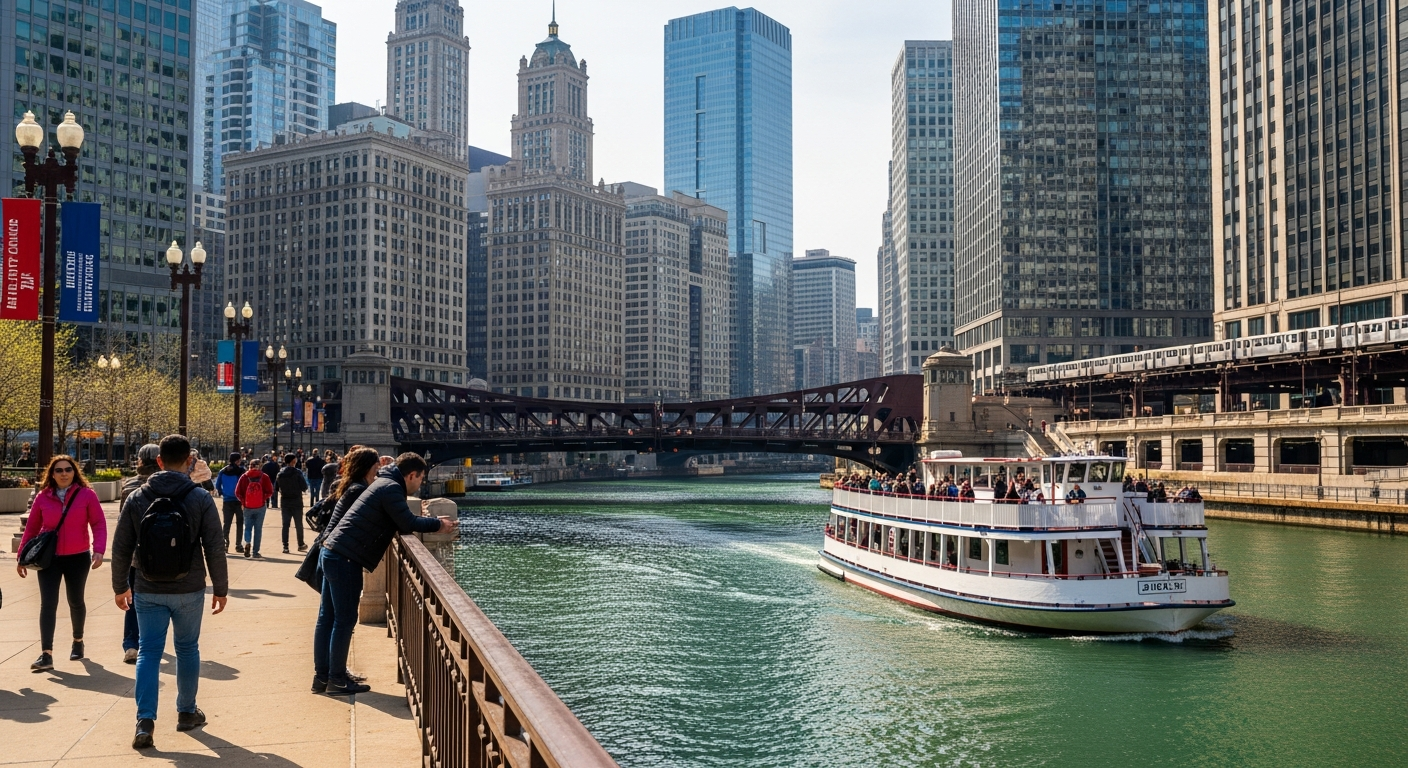
For most first-timers, the best introduction to Chicago starts in and around the Loop, the historic downtown core framed by the Chicago River and Lake Michigan. This is where you will find the city’s most famous skyline views, landmark public art, and the elevated “L” trains rattling past century-old facades. Spending a day here gives you a sense of Chicago’s scale, history, and energy before you branch out to neighborhoods and the lakefront.
Walk Millennium Park and See “The Bean”
Millennium Park, often described as Chicago’s front yard, is the city’s most iconic public space and an easy first stop downtown. The star attraction is Cloud Gate, the gleaming stainless steel sculpture millions of visitors know simply as “The Bean,” which mirrors the skyline in its curved surface and practically demands a photo. The surrounding park is a carefully designed landscape of lawns, gardens, and striking contemporary art and architecture.
Beyond Cloud Gate, you can stroll the Great Lawn in front of the Jay Pritzker Pavilion, a sweeping outdoor concert venue designed with an eye-catching curving steel trellis.
In summer, the park hosts free concerts, movie nights, and fitness classes, while in winter it transforms into a festive scene with an outdoor ice rink and holiday decorations. The nearby Crown Fountain, with its video towers and shallow reflecting pool, is especially fun for children in hot weather.
Stroll the Chicago Riverwalk
The Chicago Riverwalk strings together cafes, bars, public art, and small green spaces along the south bank of the main branch of the river, offering one of the best ways to see the city from water level. For first-time visitors, this is both a scenic promenade and an introduction to how closely Chicago’s identity is tied to its waterways and bridges.
You can simply walk the length of the Riverwalk to admire architectural landmarks rising from the water’s edge, or settle in at a riverside patio for a drink while tour boats and kayaks slip past.
Many first-time visitors pair a Riverwalk stroll with an architecture boat cruise that departs from nearby docks, turning this part of downtown into a half-day experience. In the evenings, large-scale digital projections on riverside buildings and illuminated bridges add a contemporary art layer to the historic setting.
Take a Chicago Architecture Boat Tour
Chicago is widely recognized as a birthplace of the modern skyscraper, and an architecture tour on the river is arguably the single most informative and entertaining experience you can have as a first-time visitor. Docents explain how the city rebuilt after the Great Fire of 1871, point out key styles from Art Deco to postmodern, and share stories of the builders and visionaries who reshaped the skyline.
Most tours last 60 to 90 minutes and operate from spring through late fall, with daytime departures for clear views and evening departures that show the skyline glowing at dusk. For efficient planning, consider booking a morning tour, then using the riverwalk and adjacent Loop streets as your base for lunch and additional sightseeing.
See Chicago From Above
Chicago’s broad grid and lakefront location make it one of the world’s most photogenic skyline cities, and experiencing it from above adds drama to your first visit. Two major observation decks dominate the scene, each providing a different vantage point and neighborhood context. Visiting at least one is almost essential, and timing it near sunset can give you a memorable perspective on the city’s size and setting.
Willis Tower Skydeck
Willis Tower, still affectionately called Sears Tower by many locals, remains Chicago’s most famous skyscraper. Its Skydeck on the 103rd floor is among the highest observation platforms in the United States, offering sweeping views that can, on clear days, extend across state lines to Indiana, Michigan, and Wisconsin.
High-speed elevators carry visitors to the top in roughly a minute, and interactive exhibits introduce you to the building’s engineering and the city’s history before you step to the windows.
The signature attraction is The Ledge, a series of glass-floored balconies that project from the side of the tower. Stepping out onto the clear panels is a thrill for many and a test of resolve for the height-averse, but the reward is an unmatched downward view of city streets, trains, and rooftops far below. For fewer crowds, aim for early morning or late evening entry, and consider purchasing timed tickets in advance, especially on weekends and during peak travel seasons.
360 Chicago on the Magnificent Mile
360 Chicago, located atop a tower on the Magnificent Mile, offers views that complement those from Willis Tower by focusing more directly on Lake Michigan and the North Side.
From this vantage point, you see how the shoreline curves, how neighborhoods fan out from downtown, and how closely the city’s parks and beaches hug the water. On sunny days, the blue expanse of the lake almost feels like an inland sea.
This observation deck also offers a thrill ride feature that slowly tilts a glass wall outward over the city below, giving brave participants a forward-leaning view straight down. Even if you skip the ride, large windows, seating areas, and a bar make the space a relaxed place to linger. Because it sits in the middle of a shopping and dining corridor, it pairs naturally with an afternoon of browsing stores and exploring Michigan Avenue.
Explore the Lakefront, Parks, and Museum Campus
Chicago’s lakefront is one of its greatest assets: a long chain of parks, beaches, and paths that keep Lake Michigan accessible and visible. For first-time visitors, carving out time to walk or bike part of this shoreline helps you understand why residents are so passionate about their waterfront. The central Lakefront Trail also links many of the city’s most important cultural institutions, making it a convenient thread for your itinerary.
Walk or Bike the Lakefront Trail
The Lakefront Trail runs for miles along the shore, connecting downtown with neighborhoods and parks to the north and south. Even a short walk between downtown and the Museum Campus reveals different angles on the skyline and the lake, as joggers, families, and cyclists share the wide path. On warm days, locals spread out on the grass or gather at lakefront cafes, turning this into a lively, social scene.
Bike rentals and bike-share stations near the trail make it easy for visitors to cover more ground. A popular route for first-timers runs from Navy Pier or Millennium Park south toward the Museum Campus, with stops for photos along the way. Keep in mind that the trail can be busy on summer weekends, so staying to the right and following posted etiquette helps everyone enjoy the space.
Visit the Museum Campus: Field Museum, Shedd Aquarium, Adler Planetarium
Set on a peninsula of parkland along the lake, the Museum Campus brings together three of Chicago’s most important institutions: the Field Museum, Shedd Aquarium, and Adler Planetarium.
The setting alone is worth the visit, with lawns, gardens, and some of the best backdrops for skyline photography. You can easily spend a full day here, especially if you are traveling with children or have a strong interest in science, history, or nature.
The Field Museum showcases everything from ancient Egyptian artifacts to dinosaur fossils, while Shedd Aquarium highlights marine life from coral reefs to the Great Lakes. Adler Planetarium focuses on astronomy, with immersive shows that take you through the solar system and beyond. If time is limited, choose one or two institutions that match your interests, and reserve tickets in advance during school holidays or summer weekends to avoid long lines.
Relax in Grant Park and Buckingham Fountain
Known as “Chicago’s front yard,” Grant Park stretches south from the Loop toward the Museum Campus, offering lawns, gardens, and broad walkways that give you space to breathe between museum and city explorations. The park is host to major festivals and events throughout the year, but even on quiet days it is a pleasant place for a stroll or picnic.
Buckingham Fountain, one of the largest fountains in the world, anchors the center of the park. Its ornate design and powerful water displays are a classic Chicago image, especially in the evening when lighting enhances the spectacle. For a simple, low-cost break in your sightseeing, find a bench nearby, watch the fountain’s rhythms, and look back toward the towers of downtown.
Discover Chicago’s Cultural Institutions and Neighborhoods
Beyond the central skyline and waterfront, Chicago unfolds into a collection of neighborhoods, each with its own character, food, and arts scene. First-time visitors often start in a handful of areas that are easy to reach by train or rideshare and that offer a high concentration of theaters, galleries, shops, and local restaurants. Exploring even two or three of these neighborhoods gives you a sense of Chicago’s depth beyond its postcard landmarks.
Tour the Art Institute of Chicago
Consistently ranked among the world’s top art museums, the Art Institute of Chicago sits just off Michigan Avenue near Millennium Park and should be high on any first-time itinerary, especially if you have even a passing interest in art.
Its collection ranges from ancient artifacts to contemporary works, but it is especially renowned for Impressionist and American paintings, including instantly recognizable works that many visitors have only seen in books.
Plan at least a few hours here, and consider renting an audio guide or joining a docent-led tour to get more context. The museum’s modern wing and its airy, glass-filled spaces also connect directly to the downtown park landscape, making it easy to transition between indoor and outdoor experiences in a single day.
Experience Chicago Theatre and Comedy
Chicago is a major theater town, with a calendar that runs from touring Broadway hits to experimental productions in small storefront spaces. In the Loop, large historic theaters host big-name musicals and plays, often in beautifully restored venues that are attractions in their own right. If you want to see a marquee show, check schedules and book tickets before your trip, especially for weekend evenings.
Beyond the big houses, comedy is one of Chicago’s defining cultural exports. Long-running improv and sketch comedy institutions have launched the careers of many well-known actors and writers, and catching a show at an improv club or comedy theater can be both affordable and memorable. Performances are often late enough to fit comfortably after a day of sightseeing and dinner.
Wander the Magnificent Mile
The stretch of Michigan Avenue known as the Magnificent Mile is Chicago’s best-known shopping corridor, lined with flagship stores, restaurants, and landmark buildings. Even if you are not planning major purchases, it is worth walking at least part of the Mile to admire the architecture and take in the energy of the crowds. Historic towers share the street with modern high-rises, and seasonal window displays add extra flair.
Several smaller attractions cluster here, including historic water towers, public art installations, and occasional outdoor exhibits. Because this area also concentrates hotels and dining, it functions as a convenient base for first-time visitors who want walkable access to both the lakefront and downtown.
Sample Neighborhoods Beyond Downtown
To round out a first visit, choose at least one neighborhood outside the central area to explore. Chicago’s neighborhoods are where you will feel more of the city’s everyday rhythm and find many of its best independent shops, restaurants, and bars. Public transit connects most of these areas to the Loop, and rideshares fill the gaps late at night or when you are short on time.
Popular starter neighborhoods include:
- Lincoln Park for tree-lined streets, the free Lincoln Park Zoo, and access to the lakefront.
- Wicker Park and Bucktown for boutiques, music venues, and a mix of classic and contemporary bars and cafes.
- Chinatown for regional Chinese cuisines, bakeries, and colorful streetscapes close to downtown.
- Pilsen for murals, galleries, and Mexican restaurants along historic commercial streets.
Choose based on your interests, and give yourself enough time to walk, snack, and linger instead of rushing through a checklist.
Eat and Drink Your Way Through the City
Chicago’s food scene is both deeply local and globally influenced, and eating well here does not require a large budget. From classic neighborhood joints to tasting-menu restaurants, the city celebrates its culinary diversity. First-time visitors should aim to taste a blend of signature dishes and explore a few of the city’s many international flavors.
Try Classic Chicago Foods
Certain foods have become nearly synonymous with Chicago, and sampling them is part of the fun of a first visit. Deep-dish pizza is perhaps the most famous: a towering, cheese-heavy pie with a sturdy crust and generous tomato sauce. Because it is so filling, one pie can easily feed multiple people, and it takes time to bake, so plan accordingly if you are on a tight schedule.
Chicago-style hot dogs, traditionally served on a poppy-seed bun with mustard, onions, relish, tomato, pickle, sport peppers, and celery salt, are another staple. The insistence on “no ketchup” is more than a joke for many locals and has become a small point of city pride.
Italian beef sandwiches, thinly sliced and piled high on a roll, dipped or soaked in flavorful gravy, round out the classic trio. You will find versions of these dishes all over the city, from downtown to neighborhood counters.
Explore Neighborhood Dining and Global Flavors
Beyond the famous specialties, Chicago’s true culinary strength lies in its neighborhoods, where waves of immigration and local creativity have produced a remarkably varied restaurant landscape.
You can find everything from regional Mexican and Polish comfort food to Korean barbecue, West African stews, Middle Eastern bakeries, and contemporary American spots that blend influences into inventive menus.
First-time visitors who base themselves downtown can still sample this diversity by seeking out neighborhood-style restaurants in central areas, or by taking short train or rideshare trips to nearby dining corridors.
Evening visits to neighborhoods like Pilsen, Logan Square, Andersonville, or Uptown often combine naturally with live music or bar-hopping afterward, creating a full night out that feels distinctly Chicago.
Sip Chicago’s Craft Beer and Cocktail Scene
Chicago has a thriving craft beer scene, with dozens of breweries and taprooms spread across the city. Many offer tasting flights, brewery tours, and casual taproom spaces that welcome families earlier in the evening. If you are interested in local beer, look for neighborhood taprooms or bars that highlight Chicago-made options on their menus.
Cocktail bars and wine-focused spots are equally prominent, ranging from relaxed neighborhood lounges to serious mixology destinations. Even in areas heavily visited by tourists, you will find bars that cater to locals as well, offering an authentic sense of Chicago’s after-dark personality. As always, plan safe transportation back to your hotel and be mindful of late-night schedules on public transit.
Enjoy Nightlife, Music, and Seasonal Events
Chicago remains lively long after the workday ends, with live blues and jazz, rooftop bars, sports events, and festivals that change with the seasons.
For first-time visitors, experiencing at least one evening of live music or a major event is an excellent way to feel the city’s creative energy and community spirit. What you choose may depend on the time of year, your interests, and how much time you have.
Listen to Live Blues and Jazz
Blues and jazz are central to Chicago’s musical identity, and small clubs scattered across the city keep these traditions alive and evolving. Many venues welcome newcomers with approachable cover charges and early sets, making it easy to fit a show into your itinerary. You may find yourself in a dimly lit club on a residential street, listening to a tight local band while sharing a table with visitors and regulars.
Because lineups change frequently, it is wise to check schedules shortly before your trip and consider reserving tickets for popular nights, especially weekends. Some clubs offer food along with music, while others focus purely on performance and drinks, so factor that into your planning.
Take in a Game or Arena Show
Chicago is a major sports city, home to professional teams in baseball, basketball, football, hockey, and soccer. If your visit coincides with a home game, attending can be both a cultural experience and a social outing, even if you are not a die-hard fan. The ritual of pre-game gatherings, stadium food, and crowd chants offers insight into local loyalties and traditions.
Beyond sports, major arenas and historic theaters regularly host concerts, touring dance companies, and other large-scale performances. Checking event calendars before your trip may reveal a must-see concert or production that aligns perfectly with your travel dates.
Plan Around Major Festivals and Seasonal Highlights
Chicago’s event calendar is dense, and planning around a major festival can add memorable texture to your visit. In colder months, restaurant-focused promotions highlight the city’s dining scene with special menus, while film, theater, and art festivals draw international attention.
Warmer months bring outdoor music festivals, food and drink events, and neighborhood street fairs that showcase local businesses and performers.
If attending a large festival is part of your plan, secure accommodations early and pay attention to transportation advisories, as major events can affect traffic and transit. For a more low-key experience, neighborhood farmers markets, smaller cultural festivals, and local parades provide a window into everyday Chicago life without overwhelming crowds.
The Takeaway
For first-time visitors, Chicago offers a rare combination of big-city infrastructure, approachable neighborhoods, and a relatively compact core that is easy to explore in a few days. Start with the essentials: a walk through Millennium Park and along the Riverwalk, a boat tour of the city’s architecture, and a high-altitude view from one of its observation decks.
Add time along the lakefront, a visit to at least one major museum, and a meal that highlights both Chicago’s classic comfort foods and its global culinary diversity.
Round out your stay with an evening of live music or theater and a wander through at least one neighborhood beyond the downtown bubble. Whether you are here for a weekend or a week, the key is balance: mix marquee attractions with unhurried strolls, planned highlights with spontaneous discoveries. Do that, and your first trip to Chicago will feel less like ticking boxes and more like making a genuine first connection with a city that rewards return visits.
FAQ
Q1. How many days should a first-time visitor spend in Chicago?
Most first-time visitors find that three to four full days provide enough time to see major sights, sample a few neighborhoods, and enjoy at least one evening event without feeling rushed. If you are interested in several museums or multiple neighborhoods, five days allows a more relaxed pace.
Q2. What is the best time of year to visit Chicago?
Late spring and early fall generally offer the best combination of comfortable temperatures, active lakefront life, and a full calendar of events. Summer is lively but can be hot and crowded, while winter brings cold weather and shorter days but lower hotel prices and special indoor cultural programming.
Q3. Is downtown Chicago safe for tourists?
Central areas such as the Loop, River North, and the Magnificent Mile see heavy foot traffic and are generally considered safe for visitors, especially during the day and early evening. As in any major city, staying aware of your surroundings, avoiding poorly lit areas late at night, and keeping valuables secure is advisable.
Q4. Do I need a car to get around Chicago?
No, you do not need a car for a typical first-time visit centered on downtown and nearby neighborhoods. The elevated “L” trains, buses, taxis, and rideshare services connect major attractions efficiently, and many central sights are walkable from downtown hotels. Parking costs and traffic make driving less convenient in the core.
Q5. Which observation deck is better for first-time visitors: Willis Tower or 360 Chicago?
Both offer excellent views, and your choice may depend on where you are staying and what kind of experience you prefer. Willis Tower’s Skydeck is higher and features glass-floor ledges, while 360 Chicago offers sweeping views of the lakefront and North Side and includes a tilting glass attraction. Many visitors choose based on proximity or timing rather than trying to see both.
Q6. What should I wear for sightseeing in Chicago?
Comfortable walking shoes are essential, as you will likely cover significant distances on foot. Layers are important because weather can change quickly, especially near the lake. In cooler months, bring a warm coat, hat, and gloves, while in summer, light clothing and sun protection are key.
Q7. How far in advance should I buy tickets for major attractions?
For popular attractions such as observation decks, major museums, and certain tours, buying timed-entry tickets at least a few days in advance is wise during peak travel seasons and weekends. For theater and major sports events, booking several weeks ahead usually provides better seat selection and pricing.
Q8. Are Chicago’s museums suitable for children?
Yes, many of Chicago’s museums are highly family-friendly, with interactive exhibits, hands-on science areas, and special programming for kids. The Museum Campus institutions, in particular, appeal to a wide age range and can easily fill a day for families with children.
Q9. What are some budget-friendly activities for first-time visitors?
Budget-conscious travelers can take advantage of free or low-cost activities such as walking the Riverwalk and Lakefront Trail, visiting Millennium Park and public beaches, exploring neighborhoods on foot, and timing museum visits to coincide with free or discounted admission days offered to the general public or to specific groups.
Q10. How can I experience Chicago like a local on a first visit?
To add a local flavor to your trip, combine marquee sights with everyday experiences: ride the “L” train at least once, visit a neighborhood farmers market or street festival, enjoy a casual meal at a neighborhood diner or family-run restaurant, and spend an evening in a local bar or small music venue rather than only in tourist-heavy areas.