

More news on this day
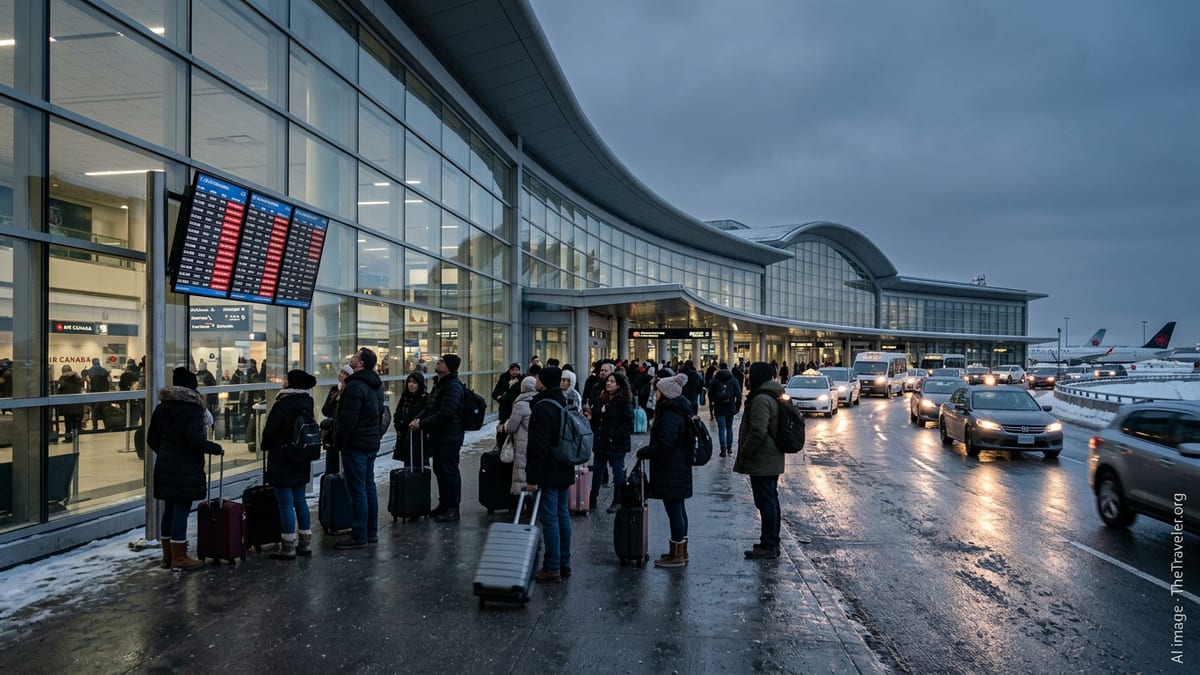
Toronto Pearson International Airport is experiencing another day of significant disruption, with publicly available flight data showing at least 27 cancellations across major carriers including WestJet, Air Canada, Emirates, Qatar Airways and Lufthansa, affecting passengers traveling between Canada, the United States, the Caribbean, Europe and the Middle East.
Get the latest news straight to your inbox!
Wave of Cancellations Strands Connecting Passengers
Data published on airline and airport tracking platforms on March 17, 2026, indicates that Toronto Pearson has once again become a chokepoint in the North American air network, with 27 departures and arrivals scrubbed across a mix of domestic and long haul routes. The cancellations are spread among large network carriers such as WestJet, Air Canada, Emirates, Qatar Airways and Lufthansa, along with a handful of smaller operators.
The impact is being felt far beyond southern Ontario. Many of the affected flights serve as key connectors linking Canadian cities with major hubs in the United States, the Caribbean, Europe and the Middle East. Travelers who had planned to change planes in Toronto for destinations such as New York, Miami, Montego Bay, London, Frankfurt, Doha or Dubai are facing missed connections, extended layovers or unexpected overnight stays.
Publicly available information shows that the latest disruption comes on the heels of a difficult winter season for Pearson. The airport has repeatedly grappled with weather related slowdowns and operational constraints, particularly during the late January period when a large North American winter storm brought record snowfall to the Toronto area and led to hundreds of cancellations in a single day.
While the scale of today’s event is smaller, the concentration of affected flights among long haul and connecting services means that the ripple effect for passengers can be disproportionately high, as a single cancellation can displace several hundred travelers and disrupt onward journeys on other continents.
Ongoing Weather and Operational Pressures
Recent coverage of Canadian aviation has pointed to a combination of winter weather, lingering staffing challenges and tight aircraft schedules as key factors in recurring disruptions at major hubs. Analysts note that even moderate weather events can trigger preemptive schedule cuts when airlines have little slack left in their operations.
Earlier this year, a powerful winter system unofficially referred to as Winter Storm Fern produced historic snowfall totals in Toronto and forced hundreds of cancellations at Pearson over several days. Reports indicate that the airport recorded some of its heaviest single day snowfalls on record, straining snow removal capacity, de icing resources and runway availability.
Although conditions on March 17 are less severe than during that storm, airlines and ground handlers are still operating in a compressed winter schedule that leaves limited flexibility when individual flights face crew, aircraft rotation or maintenance issues. Publicly accessible airline advisories in recent weeks have repeatedly referenced “operational constraints” alongside weather as reasons for canceling or consolidating flights.
Travel industry observers suggest that the recurring pattern underlines how interconnected the system has become. A delayed aircraft or crew in one city can quickly cascade through the network, and when that aircraft is scheduled for a long haul sector from Toronto to Europe or the Middle East, the knock on effects are felt across multiple regions.
Wide Geographic Impact Across the Americas, Europe and Gulf
Toronto Pearson’s role as Canada’s largest global hub means that even a relatively small number of cancellations can have an outsized international footprint. Published flight schedules show that Emirates and Qatar Airways link Toronto directly to Dubai and Doha, while Lufthansa connects Pearson to Frankfurt, providing onward access to dozens of European and Middle Eastern destinations.
On the North American side, WestJet and Air Canada use Toronto as a central node in their networks, funneling passengers from cities across Canada and the United States to Caribbean resort destinations and transatlantic services. When those core hub flights are removed from the schedule, travelers as far away as Vancouver, Calgary, Chicago or Houston can see their trips unravel, even if the weather in their departure city appears clear.
In the Caribbean, tourism dependent destinations such as Jamaica, the Dominican Republic and other sun focused markets rely heavily on Canadian and US origin traffic routed through Toronto. Industry data from previous disruption events at Pearson has shown that cancellations on peak leisure days can strand hundreds of vacationers at both ends of the route, complicating hotel checkouts, cruise departures and tour itineraries.
For Europe and the Middle East, the effect is similar but often magnified by longer flight times and tighter banked connections at onward hubs. Travelers bound for secondary European cities or Gulf destinations may find that a missed overnight departure from Toronto leaves no viable same day alternative, extending journey times by 24 hours or more.
Knock-On Effects for Airlines and Travelers
Publicly accessible airline policy documents show that major carriers serving Toronto have been adjusting reaccommodation and waiver rules in response to this winter’s pattern of disruption. In recent weeks, some Canadian and international airlines have temporarily waived change fees on affected routes, offered rebooking onto partner airlines where space allows, or provided the option to shift travel dates without additional charges.
Despite these measures, rebooking remains challenging on busy days, particularly for long haul services where aircraft capacity is limited and alternative routings can involve multiple extra connections. Travel advisories consistently recommend that passengers monitor their flight status frequently on the day of travel, arrive at the airport with additional time and remain prepared for last minute gate or schedule changes.
Travel planning specialists note that disruptions at Toronto Pearson can also create secondary pressure at other Canadian airports. When flights are canceled in Toronto, passengers may be rerouted through Montreal, Vancouver or US hubs, temporarily increasing demand for seats on those corridors and tightening availability for travelers whose plans are unaffected by the original cancellations.
For airlines, a cluster of cancellations such as today’s 27 flight reduction brings financial and operational costs, including repositioning aircraft, managing crew duty limits and handling passenger care obligations. Industry analysis in recent years has highlighted that irregular operations events can also affect on time performance metrics and customer satisfaction ratings at a time when competition for international traffic remains intense.
What Passengers Can Expect in the Coming Days
Based on patterns observed during earlier disruption episodes at Toronto Pearson this winter, the immediate priority for airlines in the hours following cancellations is typically to clear backlogs by consolidating lightly booked flights, upgrading aircraft where possible and encouraging flexible travelers to shift to less busy days. Public information indicates that recovery often extends beyond a single calendar day, particularly when long haul connections are involved.
Travel experts advise that passengers currently booked to transit through Toronto should keep boarding passes, receipts and documentation related to any additional expenses, as compensation and reimbursement rules vary depending on whether cancellations are attributed to weather or to airline controlled causes. Guidance from consumer agencies in Canada and abroad stresses the importance of reviewing the applicable passenger rights framework for the country of departure.
With peak spring and summer travel seasons approaching, analysts suggest that the latest disruptions at Pearson may renew scrutiny of airport and airline preparedness for extreme weather and operational stress. Industry commentary has increasingly focused on questions of staffing levels, infrastructure resilience and schedule design as carriers seek to balance high demand for international travel with the realities of winter operations in central Canada.
For now, publicly available information shows that Toronto Pearson remains operational, but travelers routed through the hub on affected airlines are being urged by travel providers and industry bulletins to verify their flight status repeatedly and to be prepared for longer than usual journey times as the system works through the latest wave of cancellations.