

More news on this day
Asheville, North Carolina, long celebrated as one of America’s prettiest small cities for its Art Deco skyline and Blue Ridge Mountain backdrop, is confronting a growing problem that visitors rarely see: the mounting strain of tourism and housing pressures on a community still recovering from a devastating storm.
Get the latest news straight to your inbox!
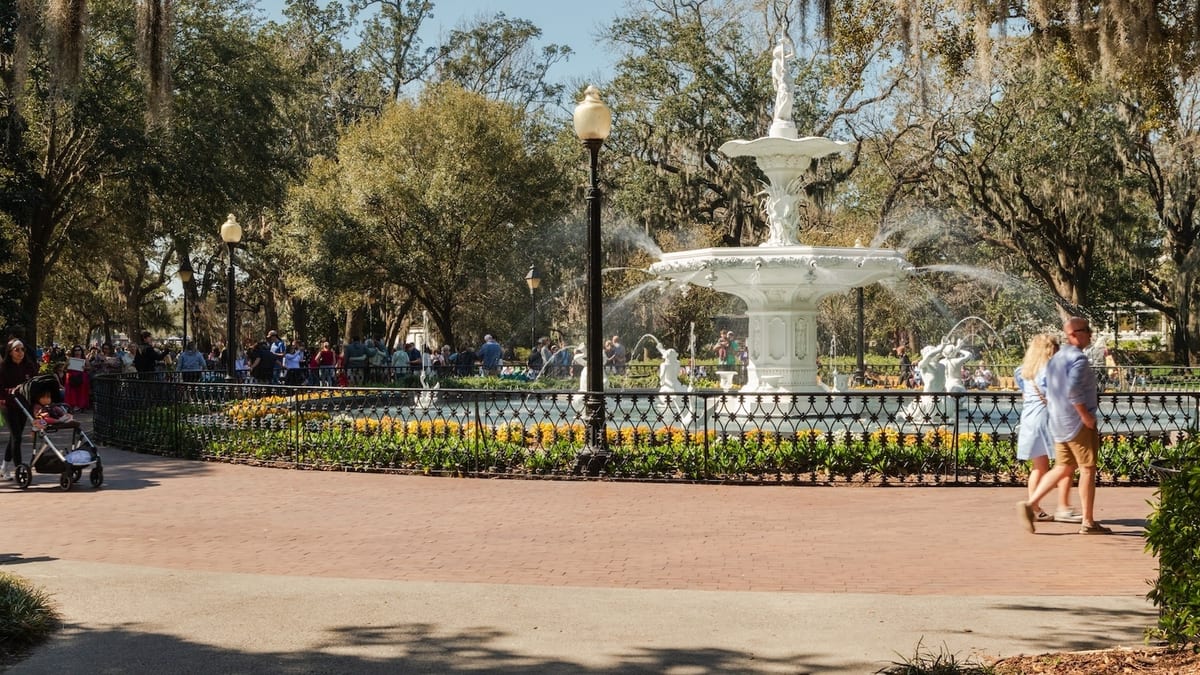
Image by Christian Post
A postcard-perfect city under intense pressure
Asheville’s image as a laid-back mountain escape has helped transform it into one of the Southeast’s most popular travel destinations. Visitor campaigns have highlighted its craft beer scene, restored downtown architecture and ready access to hiking, waterfalls and scenic parkways. Tourism development authorities and local promotional agencies report that visitor spending and hotel occupancy have rebounded strongly in recent years, even after the pandemic and economic disruptions.
Publicly available data also show that short-term rentals have become a significant part of the local lodging mix, accounting for thousands of units across Buncombe County and representing a notable share of total lodging sales. Studies commissioned by local governments and civic groups indicate that this growth has helped power service jobs and small businesses but has also reshaped neighborhoods as entire homes are converted from long-term rentals to nightly stays.
At the same time, housing reports prepared for city and county leaders describe Asheville as one of the tightest housing markets in North Carolina. Regional assessments document a shortage of both rental and for-sale units, with occupancy rates in multifamily properties above 95 percent and home prices far outpacing local wages over the past decade. Analysts frequently point to tourism demand, in-migration of higher-income residents and limited developable land in the surrounding mountains as overlapping drivers of rising costs.
The result is a visible tension between the postcard version of Asheville marketed to travelers and the lived reality for many residents who support that visitor economy. While downtown remains lively on most weekends, local advocacy groups and community forums increasingly focus on how much longer working families can afford to stay.
Housing affordability crisis in a booming destination
Multiple recent studies underscore the severity of Asheville’s housing challenges. A regional housing needs assessment prepared for Western North Carolina found that the city and surrounding counties face significant gaps in both affordable rentals and attainable homes for purchase, with thousands of additional units needed to meet current demand. Follow-up analyses and city planning documents highlight that a large share of households in Buncombe County are considered cost-burdened, spending more than 30 percent of their income on housing.
Market updates from real estate associations show that median list prices in the Asheville area climbed sharply between the mid-2010s and the early 2020s, with some reports citing price increases approaching or exceeding 80 percent over a six-year span. More recent figures point to some softening and a growing inventory of homes for sale after rapid pandemic-era appreciation, yet prices remain high relative to incomes, particularly for service workers in hospitality, retail and food service.
Nonprofit organizations and local researchers have repeatedly linked these trends to the city’s success as a destination. Short-term rentals and second homes purchased for part-time use or investment have tightened the supply of housing available to full-time residents, especially in walkable neighborhoods close to downtown and key employment centers. Surveys commissioned by tourism agencies show that many residents acknowledge the economic benefits of visitors but express concern that vacation rentals reduce housing options and contribute to rising rents.
Policy debates in Asheville and Buncombe County now routinely center on how to increase the supply of “missing middle” housing, such as duplexes, triplexes and small apartment buildings, while responding to displacement risks for lower-income and long-time residents. Draft zoning reforms and corridor-focused housing initiatives seek to open more land to multifamily construction, though planning documents acknowledge that steep slopes, flood risk and limited infrastructure in certain areas complicate large-scale building.
Tourism dollars, local costs and a delicate balance
Tourism remains one of Asheville’s economic pillars. Travel research firms and local visitor bureaus report billions of dollars in annual visitor spending across lodging, food, entertainment and outdoor recreation in Western North Carolina. That activity supports tens of thousands of jobs and generates substantial tax revenue through occupancy taxes and sales taxes that help fund marketing and, in some cases, infrastructure projects.
However, publicly available reports and meeting transcripts reveal growing questions about whether the distribution of those tourism dollars matches the scale of local costs. Advocacy groups in Buncombe County have argued that current tourism policy can deepen housing and income inequities if revenue is not more directly invested in affordable housing, transit and services for lower-wage workers. Analyses produced by watchdog organizations note that many of the people staffing hotels, restaurants and attractions struggle to secure stable housing within a reasonable distance of their jobs.
Debate has intensified around the use of occupancy tax revenues through special funds designed to support tourism-related investments. Hospitality trade groups have raised legal and policy concerns about steering those dollars directly into affordable housing projects, while some local leaders and nonprofits argue that housing for workers is essential to sustaining the visitor economy itself. Program guidelines for newer investment funds in Buncombe County attempt to bridge this gap by backing projects that combine tourism infrastructure with community benefits, but critics say such efforts remain relatively modest compared with the scale of need.
Meanwhile, resident surveys commissioned by tourism organizations show a nuanced picture. Many respondents express pride in Asheville’s appeal and acknowledge that visitor spending supports amenities they enjoy, from restaurants to cultural events. At the same time, significant shares of residents identify traffic, congestion, noise, short-term rentals and the rising cost of living as negative side effects of a tourism-forward strategy.
Storm recovery adds urgency to long-term challenges
The pressures facing Asheville have been amplified by the aftermath of Hurricane Helene, which struck Western North Carolina in 2024 and caused severe flooding and landslides across the region. Official damage assessments compiled by state agencies and summarized in news coverage indicate that thousands of residential units in Buncombe County were damaged or destroyed, with infrastructure repairs stretching into the hundreds of millions of dollars.
Market analyses released in 2025 describe how the storm further tightened an already constrained housing market. Some residents displaced by flooding entered an environment of historically low rental vacancies and elevated prices, while reconstruction costs and insurance issues complicated efforts to rebuild. Reports from housing advocates note that lower-income households, renters and communities of color faced a disproportionate share of the storm’s long-term impacts.
Short-term rental owners and tourism operators have also navigated a new landscape. Coverage in regional business publications outlines how vacation rental bookings in mountain communities were disrupted by property damage and access issues, though demand later rebounded in less-affected areas. Analysts suggest that the combined effect of recovery spending and ongoing tourism could accelerate changes in property ownership patterns as investors and second-home buyers seek opportunities in neighborhoods still rebuilding.
In response, regional planning organizations and local governments have begun to fold climate resilience more explicitly into housing and land-use discussions. Policy papers and conference presentations emphasize the need to locate new multifamily housing, transportation corridors and tourism infrastructure in areas less prone to flooding or landslides, even as flat, developable land remains scarce in and around Asheville.
Searching for a more sustainable path forward
Asheville’s current crossroads is prompting broader reflection on what it means to be a “pretty” city in practical terms. Community advocates, business groups and policymakers are debating how to retain the qualities that draw visitors while ensuring that the people who power the city’s culture and economy can afford to live there. Public documents from city and county planning processes highlight goals to add thousands of new units, preserve existing affordable housing and protect residents most vulnerable to displacement.
Proposals on the table include expanding missing-middle housing options in established neighborhoods, encouraging mixed-use development along transit corridors, and exploring new financing tools that blend tourism-related revenues with housing and infrastructure needs. Recent policy agendas from civic organizations in Asheville emphasize that a competitive tourism market depends on reliable public services, a stable workforce and a livable environment for full-time residents.
For travelers, the debate may not be immediately visible beyond construction cranes, occasional road closures and higher prices at popular restaurants and hotels. Yet resident surveys and public commentary suggest that visitor choices play a role in shaping the city’s trajectory, from the types of lodging they select to their support for local businesses and community initiatives.
As Asheville continues to market itself as an inviting mountain retreat, its long-term challenge lies in turning that beauty into a foundation for shared prosperity rather than a force that pushes long-time residents to the region’s margins. How the city balances these competing pressures in the coming years may determine whether it remains a beloved destination or becomes a cautionary tale for other picturesque places grappling with similar strains.