

More news on this day
A spike in last minute cancellations around the Novruz holiday has rattled Azerbaijan’s tourism sector, with roughly 40% of hotel bookings reportedly dropped and industry observers warning that the problem goes far beyond seasonal volatility.
Get the latest news straight to your inbox!
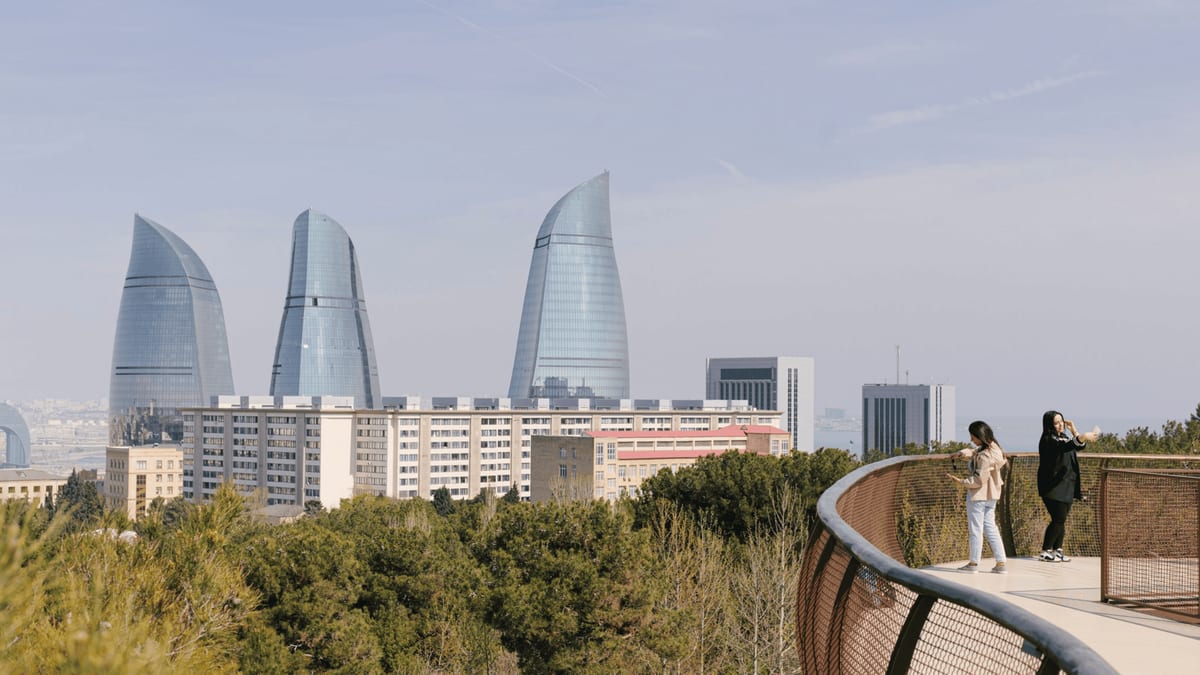
Image by JAMnews
Novruz cancellations point to a fragile tourism rebound
Recent coverage of the Novruz holiday period highlights an alarming pattern for Azerbaijan’s visitor economy. A report focused specifically on the holiday week described around 40% of hotel bookings being cancelled, largely in the final days before arrival. The episode comes just as the sector was trying to consolidate a partial post pandemic recovery.
Separate data from business focused outlets and the National Confederation of Entrepreneurs had already shown that tourist arrivals during March’s Novruz period were weaker than expected, even though overall visitor numbers to Azerbaijan have been climbing compared with 2023. That uneven picture suggests that demand remains highly sensitive to cost, connectivity and regional risk, and that headline growth figures mask serious volatility for hotels and tour operators.
Tourism analysts following the South Caucasus note that Novruz, traditionally a peak travel moment, is turning into a stress test for Azerbaijan’s tourism model. When nearly half of confirmed reservations disappear within days, industry insiders argue that the issue is not just seasonality but a structural mismatch between what the country offers and what price and convenience sensitive travelers now expect.
Cost pressures and weak connectivity drive last minute changes
One of the most frequently cited reasons for the cancellations is the rising cost of getting to and staying in Azerbaijan over the Novruz period. Aviation and business media point to higher airfares across the region amid the wider conflict involving Iran, which has disrupted some routes and pushed up operating costs. Travel focused reporting from the Caucasus also notes that the closure or rerouting of certain regional air corridors has left travelers with fewer direct options and longer, more expensive connections.
Domestic sources describe how these pressures feed directly into family travel decisions. When air tickets are purchased months in advance but hotel prices surge closer to the holiday, the total cost can exceed what regional middle class visitors are willing to spend. For many, a Novruz break in Baku or the mountain resorts stops being a simple celebration and becomes a significant hit to the household budget, making cancellation more likely if cheaper alternatives emerge.
Hotel operators in previous seasons have been criticized in local media for sharply increasing rates during large events such as the Formula 1 Grand Prix or major conferences, and similar concerns resurfaced in the run up to Novruz. Reports of steep price jumps, limited mid range inventory and inconsistent service standards have encouraged some travelers to switch late to destinations perceived as offering better value, including neighboring Georgia or domestic tourism in their home countries.
Regional tensions and war in Iran unsettle travelers
Security perceptions are adding another layer of uncertainty. Azerbaijan is geographically close to the active conflict between Iran and Israel, and Nakhchivan was recently hit by drones during the 2026 Iran war, an incident widely covered in international media. While the strike did not target tourist infrastructure, it has reinforced the sense that the broader region is unstable, a factor that weighs heavily on leisure travel decisions made weeks or months in advance.
Coverage by regional outlets has documented how military action in Iran has already disrupted holiday plans across the South Caucasus. One widely reported story described Azerbaijan’s southern neighbor’s war and associated airspace closures as creating “stagnation” in the tourism sector, with an estimated 30 to 40% drop in occupancy compared with previous periods. In that environment, even travelers who have booked and paid deposits may look for destinations further from perceived flashpoints, pushing cancellation rates higher.
On top of that, long running tensions around the Armenia Azerbaijan border and the legacy of the Nagorno Karabakh conflicts still shape how some international travelers view the country. Publicly available travel advisories from several states continue to flag specific regions of Azerbaijan as higher risk. Although the main tourist zones, including Baku and popular resorts, remain calm, generalized warnings can have a chilling effect on first time visitors who are unfamiliar with the local geography and choose to avoid the country altogether.
Market concentration leaves Azerbaijan exposed
The Novruz cancellations have also underlined how dependent Azerbaijan has become on a small number of key source markets. Industry reporting over the past year shows that travelers from Russia, the Gulf states, Central Asia and, until recently, India have provided a large share of inbound arrivals. When any one of these markets weakens for political, economic or reputational reasons, the impact on hotels and tour firms is immediate.
Coverage of political friction between Russia and Azerbaijan last year, for example, noted that Russian industry representatives were already seeing bookings to Azerbaijan fall by around 40% at one point. More recently, widely publicized calls for boycotts in India led several major Indian travel agencies to scale back or remove Azerbaijan packages, cutting into a once fast growing stream of visitors.
Government aligned statistics still point to overall annual growth in inbound tourism and optimistic medium term forecasts for visitor spending. Yet the Novruz episode illustrates how a portfolio heavily weighted toward a few markets can produce headline growth alongside sharp local shocks. When cancellations spike simultaneously in more than one core market, hotels in Baku and regional centers can move from high expected occupancy to empty rooms in a matter of days.
Service quality and reputation risks push tourists elsewhere
Beyond geopolitics and air routes, visitor experience is emerging as another pressure point. Surveys of foreign tourists published by local English language media highlight recurring frustrations with inconsistent service standards, limited foreign language skills among front line staff and perceived overcharging in some tourist areas. While many respondents rate their trips as good or excellent, a significant minority describe the experience as only average or poor, raising questions about repeat visits.
Individual accounts shared on travel forums and social platforms speak of issues such as aggressive taxi practices, confusing pricing and pressure to book tours through particular operators. Although such complaints are not unique to Azerbaijan, they can accumulate into a reputational drag, especially when contrasted with neighboring destinations that promote more transparent, customer centric tourism offerings.
For a holiday like Novruz, when travelers expect a relaxed and festive break, reports of logistical hassles or unexpected expenses may be enough to nudge would be visitors toward alternatives. With Georgia and other nearby destinations working actively to position themselves as accessible, good value and easy to navigate, Azerbaijan risks losing out in the regional competition for short break and holiday traffic.
What the Novruz shock means for future seasons
The wave of Novruz cancellations is now being interpreted by many analysts as an early warning rather than a one off anomaly. If underlying structural issues remain unaddressed, similar patterns could reappear around upcoming peak periods, including the summer season and major international events hosted in Baku.
Tourism experts commenting on the latest data argue that Azerbaijan will need to focus on three main fronts to stabilize bookings: improving connectivity and price transparency in air travel, broadening its mix of source markets, and raising standards in accommodation and visitor services. Without visible progress on these fronts, the risk is that travelers will continue to see Azerbaijan as a destination that is attractive in theory but complicated and costly in practice, especially in times of geopolitical tension.
With regional competition intensifying and conflicts nearby reshaping flight patterns and traveler psychology, Novruz has become a litmus test for how resilient Azerbaijan’s tourism sector really is. The 40% cancellation figure suggests that resilience is still a work in progress, and that the country will have to work harder to convert curiosity into confirmed, and kept, bookings.