

More news on this day
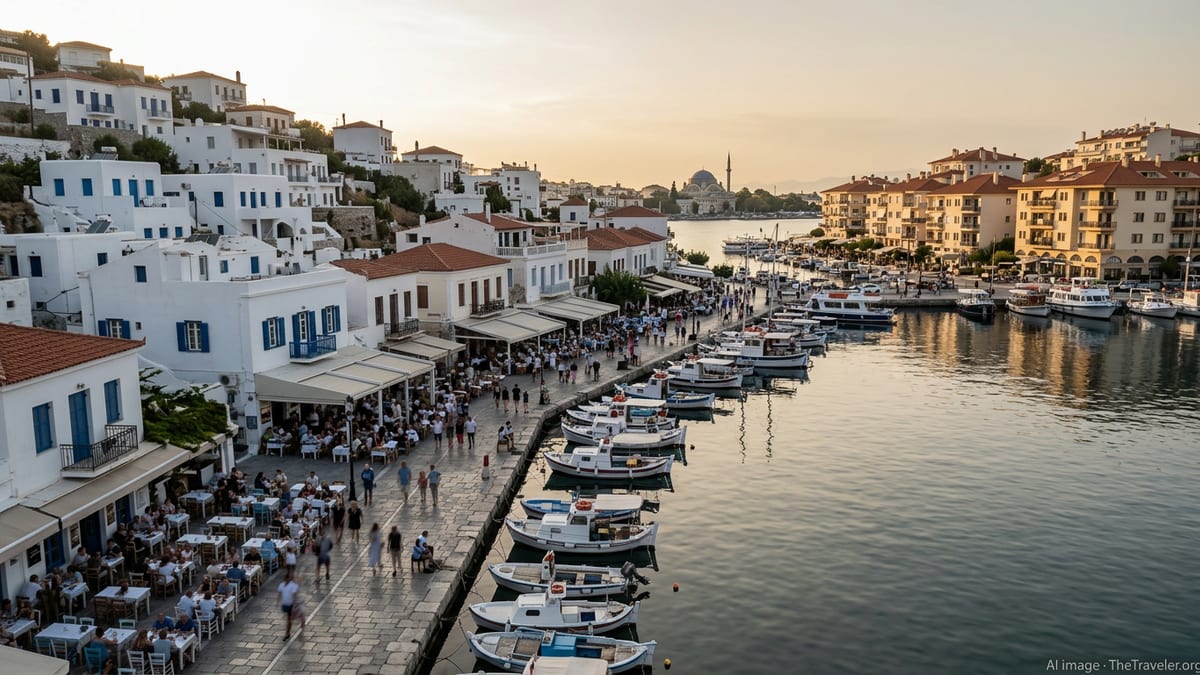
Escalating tensions and disrupted air corridors in parts of the Middle East are accelerating a sharp shift in leisure travel demand, with Turkey, Greece and Spain emerging as leading “escape” destinations for tourists seeking stability, sunshine and accessible flights for the 2026 peak season.
Get the latest news straight to your inbox!
Middle East Disruptions Push Demand West
Recent months have seen renewed geopolitical tensions, rerouted air traffic and sporadic security advisories across parts of the Middle East, prompting many travelers to reconsider itineraries that would previously have included destinations such as Israel, Lebanon or Gulf stopovers. Publicly available aviation data and travel-industry reporting indicate that some long-haul routes that once crossed conflict-affected airspace have been diverted, lengthening flight times and complicating multi-country trips built around regional hubs.
As a result, Mediterranean destinations perceived as politically stable and easy to reach are absorbing a growing share of demand. Industry analyses point to a clear reorientation of package holidays and cruise programs toward western and central Mediterranean ports, with Turkey’s Aegean coast, the Greek islands and Spain’s archipelagos among the primary beneficiaries. This shift is aligning with a broader post-pandemic trend in which travelers prioritize perceived safety, straightforward air connections and flexible booking conditions.
Tour operators and online platforms are also reshaping their product mix in response. Published schedules show additional capacity into Antalya, Dalaman, Athens, Heraklion, Palma de Mallorca and the Canary Islands from major European markets for summer 2026, while some itineraries that previously combined Middle Eastern city breaks with beach stays are being reconfigured as all-Mediterranean routes.
Spain Breaks Records as Capacity Tightens
Spain enters 2026 from a position of exceptional strength. National statistics released in early 2026 show the country welcomed around 96 to 97 million international visitors in 2025, a new all-time high and a clear increase on 2024’s already record figures. Tourism-related income climbed in parallel, underscoring Spain’s status as one of the world’s top-earning destinations.
The surge is especially evident in established coastal and island hotspots. Data and industry commentary highlight Catalonia, the Balearic Islands and the Canary Islands as stand-out performers, with sun-and-sea tourism driving hotel occupancy and short-term rental demand to new peaks. In several resort zones, local media reports describe pressure on accommodation supply in peak months, with booking windows stretching further in advance as travelers lock in holidays earlier.
For travelers looking to switch away from Middle Eastern routes in 2026, this environment means less last-minute flexibility. Published booking trends for recent seasons indicate that peak-summer flights into Spanish gateways such as Barcelona, Malaga, Palma and Tenerife can reach high load factors months ahead of departure. Travelers aiming to pivot itineraries from affected Middle East routes to Spanish beaches are therefore being advised by widely available consumer travel guidance to secure dates and price points as early as possible.
Greece Rides Record Tourism Wave
Greece is also experiencing a powerful tourism upswing that predates the latest disruptions but is now being reinforced by diverted demand. Sector data compiled by Greek research bodies and international organizations show that 2024 marked a record year for arrivals and receipts, with international visitors surpassing pre-pandemic levels. Subsequent reporting for 2025 points to another step up, with inbound travel traffic close to 38 million and tourism revenues at historic highs.
The country’s extended season strategy is proving timely. Figures for 2024 and 2025 highlight not only strong summer peaks but also double-digit growth in shoulder months, as travelers from Europe, the United Kingdom and North America opt for April, May, September and October stays. This pattern dovetails with the current shift away from more volatile Middle Eastern itineraries, enabling visitors to secure Mediterranean sun without the perceived risks associated with certain regional flashpoints.
Greek destinations benefiting most prominently include the Cyclades, Crete, Rhodes and the Ionian Islands, along with city breaks in Athens and Thessaloniki that combine cultural sightseeing with easy onward island connections. As airline schedules increasingly channel capacity into these hubs for 2026, publicly available booking data suggest that highly sought-after island properties, especially waterfront boutique hotels and villas, are being reserved further ahead than in previous years.
Turkey’s Coastal Resorts Capture Price-Sensitive Travelers
Turkey’s southwestern and Aegean coasts are emerging as a compelling alternative for price-conscious travelers deterred by both Middle East disruptions and rising costs in some European markets. Industry reports describe Antalya, Bodrum, Marmaris and Fethiye as key winners, with strong demand from the United Kingdom, Germany, Russia and Central and Eastern Europe. All-inclusive resorts and large-scale coastal hotels are particularly attractive to families seeking predictable costs amid broader economic uncertainty.
While Turkey borders several regions affected by geopolitical tensions, its principal holiday corridors along the Turquoise Coast remain far from active conflict zones and are marketed heavily on their resort infrastructure, beaches and established charter operations. Airline and tour operator schedules for the upcoming high season show additional seats on leisure routes into Antalya and Dalaman, suggesting confidence that tourists will continue to treat these areas as distinct from nearby trouble spots.
Turkey’s relative price advantage is another draw. Currency dynamics in recent years have made accommodation, dining and on-the-ground services comparatively affordable for many foreign visitors. In the context of higher airfares on some rerouted Middle East and long-haul services, this cost competitiveness is reinforcing the country’s appeal as a substitute destination for travelers reconsidering itineraries that once included Red Sea or Levantine resorts.
Why Travelers Are Urged to Book Early
The convergence of record-setting visitor numbers in Spain and Greece with strong demand for Turkey’s coastal resorts is creating a tighter market across the eastern and western Mediterranean. Global tourism data for 2025 indicate that international arrivals reached about 1.52 billion worldwide, surpassing previous records and confirming that the post-pandemic recovery has shifted into a new phase of growth. In this context, shifting demand away from parts of the Middle East is not reducing overall travel, but rather redistributing it toward already busy destinations.
For individual travelers, the practical implication is limited availability and upward price pressure in peak months if bookings are delayed. Analyses of recent summer seasons in Spain and Greece show that late planners often face higher airfares, fewer non-stop options and constrained choice of well-located accommodation. In some Spanish and Greek resorts, public debate about overtourism and housing pressures is also prompting tighter regulation of short-term rentals, which may further cap supply.
With airlines and tour operators now finalizing capacity for the 2026 high season, the current pattern suggests that travelers looking to “escape chaos” by pivoting from Middle Eastern routes to Turkey, Greece or Spain should secure core elements of their trip as soon as possible. Early bookings not only improve access to preferred dates and properties, but can also lock in prices before further seasonal increases, particularly on popular island and coastal routes where demand is forecast to remain intense.