

More news on this day
UK rail operators are escalating efforts to curb what industry figures have described as “completely bonkers” levels of ticket fraud, as complex fare structures, split-ticketing tools and digital loopholes fuel a rise in revenue loss across the network.
Get the latest news straight to your inbox!
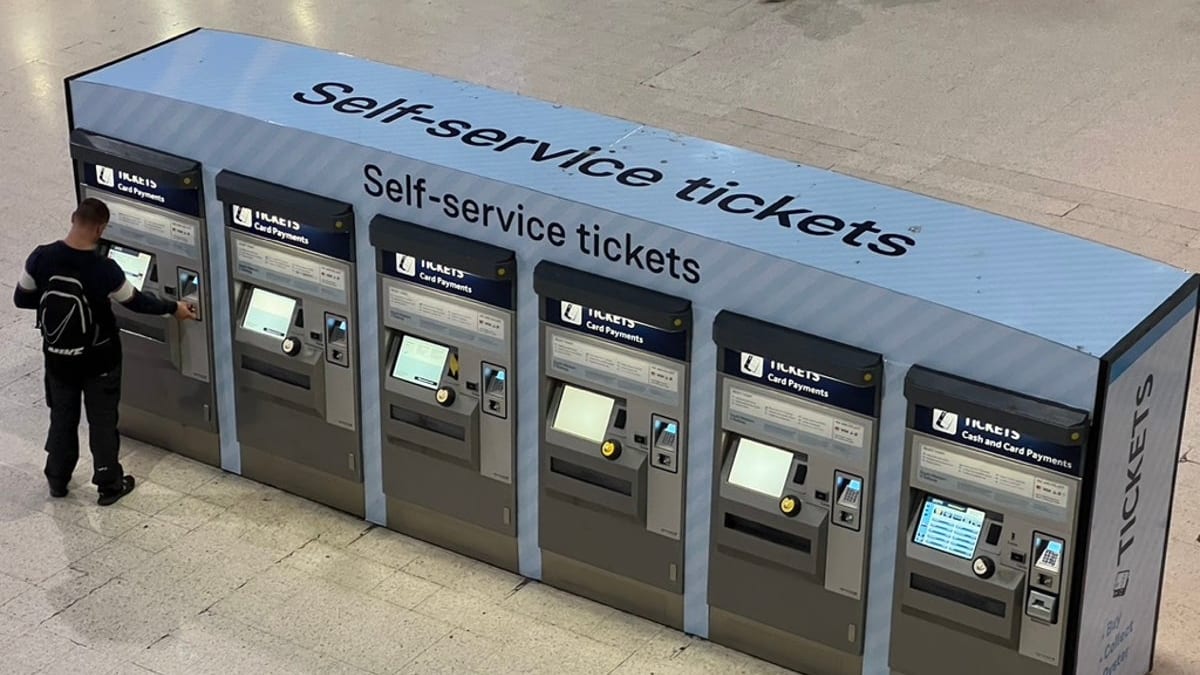
Image by The Independent News & Advice
Rising fraud in a system built on complexity
Published coverage of recent prosecutions and enforcement activity indicates that ticket fraud on Britain’s railways now spans everything from straightforward fare dodging to highly organised scams exploiting gaps in digital systems. Cases reported in national and regional media include long term “doughnutting,” where travellers buy short tickets at each end of a journey while riding without a valid fare in the middle, and the creation of fraudulent season tickets or rovers using stolen or manipulated equipment.
Industry and union reports highlight how the rail network’s notoriously complex fares have created fertile ground for abuse. The same journey can often be made more cheaply by chaining together multiple tickets, a practice known as split ticketing. While split tickets are legal when used correctly, revenue protection teams say that the blurred line between savvy saving and deliberate underpayment makes it harder to distinguish innocent mistakes from calculated fraud.
Audit documents and union submissions published in early 2025 point to third party booking platforms as a common starting point for ticketing irregularities, particularly where apps default to intricate combinations of advance and flexible fares. Passengers can then find themselves travelling on trains their tickets do not technically cover, creating disputes at the gate line and, in some cases, investigations for suspected fraud.
Operators tighten checks and pursue high profile cases
Rail operators across the United Kingdom have started to publicise their enforcement work more aggressively, framing it as a defence of honest passengers. One franchise in the south east reported recovering more than £1 million from fraud cases over a recent 12 month period, alongside a reduction of ticketless travel by over 40 per cent compared with 2017. Another operator’s crackdowns with dedicated security teams generated hundreds of thousands of pounds in penalty income in under a year, according to company and industry summaries.
Court reports show that individuals found to have systematically abused the system are now being handed substantial bills and, in some instances, bans from the rail network. In one widely discussed case, a commuter from a high value home county repeatedly used a doughnutting ruse to avoid thousands of pounds in season ticket costs. Public records indicate that the fraud, valued at close to £6,000, led to a fraud conviction and a prohibition on rail travel.
These headline cases are paired with lower profile, data led investigations. Revenue protection teams have begun examining patterns of travel linked to specific customer accounts, including those on third party platforms, to identify journeys that appear inconsistent with the tickets purchased. Letters inviting passengers to explain anomalies, referenced in consumer forums, suggest that operators are systematically mining historic data rather than relying solely on random checks at stations.
Digital platforms under scrutiny over split tickets
The rapid shift to online and app based ticketing has changed how fraud is committed and detected. Research and consultation responses published by transport unions in early 2025 argue that some third party retailers make it easier for determined passengers to game the system. Concerns centre on the ability to buy very short tickets on the move if staff are spotted on board, or to rely on complex split itineraries that push the limits of validity rules.
Consumer complaints shared on public forums over the past year show another side of the problem: passengers sold itineraries involving split tickets that turn out not to be valid for the train they board. In these cases, travellers have reported facing penalty fares despite having followed guidance from an app. While such incidents may not constitute deliberate fraud by the passenger, they feed wider frustration about opaque rules and inconsistent enforcement.
In response, some booking platforms have introduced more prominent warnings around split ticket combinations, emphasising that all legs of a journey must align with timetable and route restrictions. Industry briefings indicate that major retailers are also running regular fraud audits on customer accounts and, where necessary, passing concerns to train operators for investigation. The result is a tightening loop of scrutiny that extends beyond the station barrier and into customers’ digital histories.
Technology race: contactless, GPS and smarter gates
While enforcement teams focus on past journeys, the rail industry is investing heavily in technology designed to close loopholes before they can be exploited. Government backed initiatives such as the expansion of contactless pay as you go to dozens of additional stations in the south east aim to reduce reliance on paper tickets and traditional magnetic stripes, which are more vulnerable to misuse and counterfeiting.
Project documentation and government announcements show that by 2025 and into 2026, more suburban and commuter stations around London are being fitted with validators that allow passengers to tap in and out with bank cards or smart devices. Because these systems calculate fares automatically based on actual travel, they are seen as a way to limit practices like doughnutting and incomplete ticketing, while producing richer data for spotting unusual patterns.
Industry commentary also points to trials of app based pay as you go products that use GPS to cross check the route a passenger has taken with the fare charged. Advocates argue that such tools could eventually make complex paper itineraries and multiple split tickets unnecessary, simultaneously delivering best value fares and shrinking the space for abuse. However, privacy concerns and the need for nationwide interoperability mean that widespread adoption is likely to be gradual.
Balancing deterrence, fairness and passenger trust
The clampdown on ticket fraud reflects mounting pressure on rail finances as operators seek to rebuild ridership in the wake of the pandemic and industrial disruption. Revenue lost to fare evasion and fraud ultimately has to be covered by higher fares or public subsidy, a point repeatedly made in corporate statements and government briefings. Tougher enforcement, including the use of civil penalties and criminal prosecutions, is presented as a way to protect both taxpayers and paying customers.
At the same time, watchdogs and passenger groups warn that an overly punitive approach in a confusing system risks alienating travellers and undermining confidence in digital ticketing. Cases where customers receive fines after relying on third party apps, or where rules are interpreted inconsistently between operators, have prompted calls for clearer information at the point of sale and simpler fare structures.
Proposals linked to ongoing rail reform debates include streamlining ticket types, expanding tap in and tap out systems beyond the south east, and creating a unified set of retail standards that all booking platforms must follow. For now, the combination of audits, smarter gates and headline prosecutions signals that those attempting “completely bonkers” ticket scams face a shrinking set of options, while ordinary passengers are left negotiating a system still catching up with its own technology.