

Riding the train in Japan is one of the country’s essential travel experiences. From sleek Shinkansen bullet trains sprinting between megacities to humble local lines winding through rice fields and fishing towns, the rail network is dense, punctual and beginner friendly. This guide brings together the latest practical information to help you understand Japan’s train system, choose the right tickets or passes, and travel confidently on both high speed and local services.
Understanding Japan’s Rail Network Today
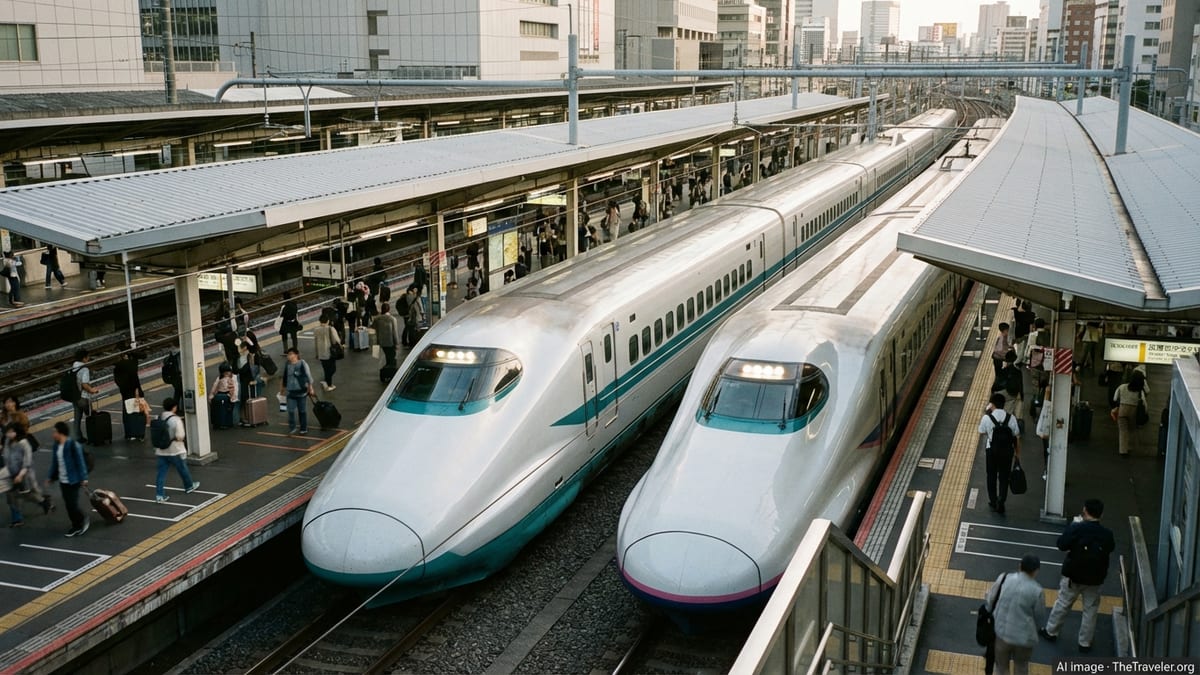
Japan’s rail system is a mix of nationwide high speed Shinkansen routes and a vast web of local, rapid and limited express trains. The backbone is the Shinkansen network, which links Tokyo with major cities including Osaka, Kyoto, Hiroshima, Fukuoka and regional hubs in Tohoku, Hokuriku and Kyushu. Lines such as the Tokaido Shinkansen between Tokyo and Osaka remain among the busiest high speed corridors in the world, with trains departing every few minutes at peak times.
Alongside the Shinkansen, conventional narrow gauge lines form an intricate mesh of urban commuter routes and rural branches. These are run by the regional Japan Railways (JR) companies and hundreds of private or third sector operators. For most visitors, this means you will often mix Shinkansen rides with shorter hops on JR local lines, metro systems and private railways, especially around Tokyo, Kansai, Nagoya and Fukuoka.
JR companies have begun gradually adjusting fares and revising rail pass prices after decades of stability, with modest increases scheduled or proposed in several regions from 2025 and 2026 onward. While base fares remain reasonable relative to service quality, it is more important than ever to choose the right mix of point to point tickets, IC cards and rail passes rather than assuming a national pass always offers the best value.
Despite these changes, what has not shifted is Japan’s reputation for punctuality and reliability. Delays of more than a few minutes are still treated as unusual, timetables are planned to tight connections, and even remote local lines typically operate to a clear and predictable schedule. For travelers used to long waits or frequent disruptions, the consistency can be a pleasant surprise.
Shinkansen Bullet Trains: Lines, Trains and Seating
The Shinkansen, often simply called the bullet train, is Japan’s high speed rail system. Core routes include the Tokaido Shinkansen between Tokyo and Shin Osaka, the Sanyo Shinkansen extending to Hiroshima and Hakata, and the Kyushu Shinkansen continuing south toward Kagoshima. Other major lines connect Tokyo with northern regions such as Tohoku and Hokkaido, Niigata via the Joetsu Shinkansen, and Nagano and Kanazawa via the Hokuriku Shinkansen.
Most Shinkansen trains offer three seat classes: Ordinary, roughly equivalent to standard economy; Green Car, a roomier first class style carriage with wider seats and more legroom; and on some routes a premium Gran Class with even more spacious seating and enhanced onboard service. For most travelers, Ordinary class is more than comfortable enough, with generous recline, tray tables, power outlets on newer trains and reliable air conditioning.
Within each class you will choose between reserved and non reserved seats. Non reserved cars are first come, first served and are common on popular routes such as Tokyo to Kyoto. Reserved seats guarantee a specific seat and car on a specific train and are strongly recommended during peak holiday periods and busy commuting hours. Many foreign visitors now use online reservation systems or smartphone apps to secure seats before arriving on the platform.
A few Shinkansen services, such as the fastest Nozomi on the Tokaido line and Mizuho on the Sanyo and Kyushu lines, are not fully covered by the main national rail pass and may require supplements or separate tickets. When comparing travel times, note that the difference between the fastest and next fastest categories is often only several minutes on major city pairs, so you can often save money by taking a slightly slower but fully covered service.
Local, Rapid and Limited Express Trains
Beyond the Shinkansen, Japan’s conventional trains are divided into several broad types that appear on timetables and departure boards. Local trains stop at every station and are the backbone of everyday commuting and access to smaller towns. Rapid or express trains skip some minor stops to shorten journey times, while limited express services stop only at major stations and often require an additional surcharge on top of the base fare.
For visitors, local and rapid services are especially important within big metropolitan regions. In Tokyo, JR lines such as the Yamanote, Chuo and Sobu connect districts and link with subways and private railways. In Kansai, JR’s Osaka Loop Line and lines to Kyoto, Nara and Kobe are supplemented by private networks like Hankyu, Hanshin, Kintetsu and Keihan. Learning the basic naming conventions for these trains will help you quickly understand departure boards and pick the fastest option covered by your ticket or pass.
Limited express trains often provide comfortable, reserved seating with large windows, luggage racks and sometimes dedicated luggage areas or Green Car sections. They are crucial for reaching onsen towns, coastal resorts and rural destinations not directly served by Shinkansen. Examples include services connecting Osaka with the Kii Peninsula or Nagoya with the Japan Alps region. If you are planning day trips beyond major cities, build time into your itinerary for at least one scenic limited express ride.
Some of Japan’s most memorable rail experiences are found on local lines that meander along coastlines or through rice paddies and mountain valleys. These trains may be infrequent, with only a handful of services each day, and may not accept IC cards on every stretch. In such areas it is sensible to check timetables carefully, carry enough cash for tickets and consider regional rail passes that include both local and limited express services.
Tickets, Rail Passes and Recent Price Changes
Travelers in Japan typically combine three main tools: single tickets, rail passes and IC cards. Single tickets, bought from machines or counters, remain straightforward and are often the best option for short hops or occasional long distance journeys. Fares are distance based and machines usually offer English language interfaces, making it easy to determine the correct price for your destination.
National and regional rail passes can provide excellent value if you plan to cover large distances in a short period. The main nationwide Japan Rail Pass is available only to temporary visitors and comes in 7, 14 and 21 day versions in Ordinary and Green Car classes. After a significant price increase in 2023, current prices mean that you often need several long Shinkansen journeys during the validity period to break even, so careful itinerary planning is essential before purchasing.
Regional JR passes have seen their own price revisions but can still be cost effective. Passes focused on areas such as Hokkaido, eastern Honshu, Hokuriku, Kansai, Shikoku or Kyushu are designed for travelers who want to explore one region in depth rather than circling the entire country. Many now include unlimited seat reservations on Shinkansen or limited express services within their zones, and some have been updated to cover new high speed segments that opened in recent years.
From 2025 and into 2026, several JR companies are introducing modest fare increases on some local and Shinkansen routes to fund safety upgrades, infrastructure renewal and rising operating costs. In practical terms this often translates to small adjustments such as base fares rising by around ten yen on busy urban lines or slightly higher surcharges on certain express services. While the changes are noticeable if you compare older guidebooks, they remain modest in absolute terms and do not fundamentally change the value calculation for most visitors.
IC Cards, Digital Tickets and Station Navigation
IC cards are rechargeable smart cards that make riding trains, subways and buses in Japan extremely straightforward. Brands such as Suica, Pasmo, Icoca and others are interoperable in most major cities under a nationwide mutual use scheme, meaning you can tap in and out in Tokyo, Osaka, Fukuoka or Sapporo with the same card. The card automatically deducts the correct fare and handles complicated transfers between lines and operators without any manual fare calculation.
Due to a global semiconductor shortage, sales of some standard anonymous IC cards have been restricted at times, particularly in the Tokyo region. To serve visitors, railway companies now emphasize tourist focused cards like Welcome Suica and Pasmo Passport, as well as digital IC cards stored in smartphone wallets. These options function much like regular IC cards, though tourist variants typically have a fixed validity period and different rules on refunds or deposits, so it is wise to read the conditions when you purchase.
In a few regions, including parts of Kyushu, some local operators have announced plans to phase out acceptance of nationwide IC cards in the mid 2020s due to the cost of system upgrades. In practice, this mainly affects local buses and trams rather than Shinkansen or major JR lines and tends to be limited to specific prefectures. When traveling off the main tourist trail, always confirm whether IC cards are accepted or whether you should be prepared with cash and paper tickets.
Most stations in large cities are clearly signposted in English and Japanese, with electronic departure boards showing train types, car numbers and whether cars are reserved or non reserved. Shinkansen platforms display car line up markings on the ground, helping you queue for the correct door. Smaller rural stations are more basic, sometimes with limited English signage, but even there staff are accustomed to helping visitors. Allow extra time for transfers in very large stations such as Tokyo, Shinjuku, Osaka or Kyoto, where walking between platforms can take longer than you might expect.
Booking Seats, Riding Comfortably and Traveling with Luggage
Seat reservations for Shinkansen and limited express trains can be made at ticket counters, through automated machines and, on many routes, via online services and official apps. When booking, you can request window or aisle seats, specify a seat near luggage racks or ask for seating together with a companion. During peak holiday seasons such as New Year, Golden Week and mid August, reservations for popular routes can sell out quickly, so advance planning is recommended.
Onboard, Shinkansen trains provide a consistently comfortable environment. Carriages are air conditioned, seats recline and legroom is generous compared with typical economy seats on airlines. Power outlets are increasingly standard in both reserved and non reserved cars, especially on newer train sets, and large windows offer broad views of urban landscapes, farmland and mountains. Food and drink can be brought on board, and many stations sell boxed meals known as ekiben, which showcase local specialties and are a highlight of train travel for many passengers.
Traveling with luggage has become a more prominent consideration as visitor numbers have grown and high speed trains have grown busier. On some Shinkansen lines, very large suitcases require advance reservations for dedicated luggage spaces, and oversized baggage may not be allowed in unreserved cars. Overhead shelves can accommodate carry on sized bags, while the space behind the rearmost seats of each car is often used for larger suitcases when available. If you plan to travel with multiple large bags, look into baggage delivery services that transfer luggage between hotels so you can ride trains with smaller day packs.
Etiquette on Japanese trains is generally quiet and orderly. Talking on mobile phones is discouraged inside cars, and most people keep conversations low. Priority seats near doors are reserved for the elderly, pregnant passengers and those with disabilities. Eating is normal on long distance trains but less common and sometimes discouraged on busy urban commuter lines. Observing local behavior and following announcements in English will help you blend in and travel respectfully.
Planning Itineraries and Making Connections
Designing an efficient rail based itinerary in Japan starts with understanding the geography of the Shinkansen network and where you want to spend the most time. Many first time visitors focus on the classic Tokyo–Hakone–Kyoto–Osaka axis linked by the Tokaido Shinkansen, then branch out on conventional lines or regional Shinkansen segments for side trips to places like Kanazawa, Hiroshima, Nikko or the Japanese Alps. Because high speed trains are so fast, you can often base yourself in one city for several nights and take day trips without changing hotels every day.
Online timetable planners and route search apps are widely used by residents and visitors alike to find the fastest or most economical routes across different operators. These tools typically allow you to filter out premium services not covered by passes, prioritize fewer transfers or shorter walking distances and display detailed transfer information. Given occasional timetable revisions and new services introduced in recent years, using up to date digital tools is key to avoiding surprises at the station.
When planning connections, especially between Shinkansen and local lines, remember that Japanese trains are usually extremely punctual but stations can be large. A connection that looks tight on paper may be comfortable in a small regional station but risky in huge complexes where platforms are far apart. As a rule of thumb, allow more transfer time than strictly necessary in unfamiliar stations, particularly if you are carrying luggage or traveling with children.
Seasonal variations also shape how you experience train travel. Ski season brings extra trains and crowds to certain mountain lines, cherry blossom and autumn foliage seasons can make scenic routes extremely popular, and typhoon season in late summer and early autumn can occasionally disrupt services in coastal or mountainous regions. Checking seasonal travel advisories and being flexible on travel days within a trip can help you avoid the most congested times.
The Takeaway
Japan’s train system remains one of the most efficient and enjoyable ways to explore a country. Shinkansen bullet trains connect far flung regions at high speed, while local and limited express lines link cities to onsen towns, mountain resorts and coastal villages. With recent adjustments to fares and rail passes, travelers benefit from taking a more strategic approach: decide which regions matter most to you, run the numbers on passes versus single tickets and mix Shinkansen journeys with slower, scenic rides.
Understanding train categories, seat types, IC cards and basic etiquette will remove most of the anxiety from navigating a foreign rail network. Add a small buffer of time for transfers, stay attentive to signage and announcements, and do not hesitate to ask station staff for help if you feel lost. Whether you are racing between megacities or ambling along a single rural branch line, train travel in Japan rewards curiosity, flexibility and a willingness to look out the window rather than at the clock.
As Japan continues to refine its rail network with new rolling stock, expanded high speed lines and updated digital tools, the overall experience for visitors is likely to remain familiar: clean trains, reliable timetables and a sense that you are moving through the country alongside everyday life. With some planning and an understanding of how the pieces fit together, you can make the most of Japan’s legendary railways on your next trip.
FAQ
Q1. Do I still need a Japan Rail Pass for a two week trip?
For many travelers the main Japan Rail Pass now only pays off if you plan several long Shinkansen journeys within its validity. For itineraries focused on one region, a mix of regional passes and single tickets can be better value.
Q2. Can I ride the fastest Nozomi and Mizuho Shinkansen with a rail pass?
Most standard national passes do not fully cover Nozomi and Mizuho services and may require extra supplements or separate tickets. If you avoid these trains and choose slightly slower categories, you can usually stay within pass coverage without adding much travel time.
Q3. Are IC cards like Suica and Pasmo still useful for visitors?
Yes, IC cards remain extremely convenient for travel in major cities and many regional areas. In a few prefectures some local operators are phasing out acceptance, but nationwide the cards still cover most trains, subways and many buses used by visitors.
Q4. How far in advance should I reserve Shinkansen seats?
Outside major holidays, you can often reserve a day or two in advance or even on the day of travel. For busy periods such as New Year, Golden Week and mid August, book as soon as reservations open or finalize your plans.
Q5. What is the difference between Ordinary, Green Car and Gran Class?
Ordinary is the standard class and is comfortable for most travelers. Green Car offers wider seats and more legroom, while Gran Class, available on select routes, provides even more space and premium service at a significantly higher cost.
Q6. Do I need to book luggage space on the Shinkansen?
On some lines, very large suitcases require advance reservation in designated luggage areas, while standard suitcases and carry on bags can usually be stored in overhead racks or behind the last row of seats. If you travel light you rarely need a formal luggage reservation.
Q7. Are local trains in rural areas covered by regional passes?
Many regional JR passes include both local and limited express services within their coverage area, but some exclude private railways or certain bus connections. Always check the detailed coverage map for a pass before relying on it in rural regions.
Q8. Is it difficult to navigate big stations like Tokyo or Shinjuku?
These stations can be overwhelming at first, but clear bilingual signage, color coded lines and frequent staff assistance desks make them manageable. Allow extra time for transfers and follow overhead signs carefully to move between platforms.
Q9. Can I rely on digital tickets and smartphone IC cards instead of paper?
On many routes you can now use digital Shinkansen reservations and smartphone based IC cards. This is convenient if physical card availability is limited, but it is still wise to carry a backup plan such as cash and the ability to buy paper tickets if needed.
Q10. How often are train services disrupted by weather?
Major disruptions are relatively rare but can occur during typhoon season, heavy snowfall or strong earthquakes. Operators usually suspend or reduce services for safety when severe conditions are forecast, and information boards and announcements provide updates in multiple languages.