

More news on this day
A leading transport regulator is urging airlines to limit disruption for passengers as jet fuel prices spike worldwide, warning that efforts to protect balance sheets through fare hikes and flight cuts must not come at the expense of basic service and reliability.
Get the latest news straight to your inbox!
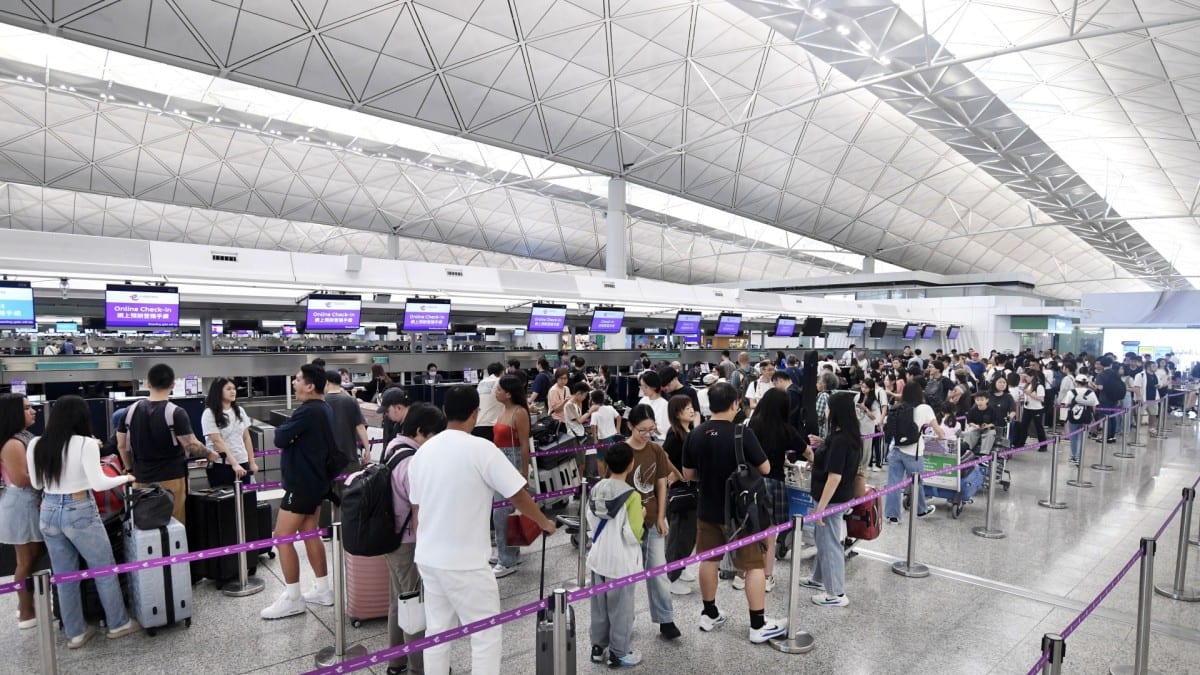
Fuel Costs Surge Amid Geopolitical Turmoil
Global aviation is facing its sharpest fuel shock in years as conflict in the Middle East disrupts oil flows and drives up the cost of jet fuel. Brent crude has climbed rapidly since fighting intensified around Iran, and industry trackers report double digit percentage jumps in aviation turbine fuel at major hubs. Analysts say the recent closure and partial disruption of key maritime energy corridors have tightened supply, leaving airlines exposed to sudden price swings.
Independent aviation data platforms indicate that average jet fuel prices at large airports have risen by around 60 percent in just a few weeks, pushing per gallon costs close to levels not seen since the pandemic era recovery. For many carriers, fuel normally accounts for about a quarter of operating expenses, but that share can rise quickly in periods of extreme volatility, squeezing profit margins on already thinly priced routes.
Industry reports show that network airlines with extensive long haul services are particularly vulnerable, given the higher fuel burn on intercontinental flights. While some carriers hedge a portion of their fuel needs, recent corporate disclosures suggest that hedging programs vary widely, and many airlines remain heavily exposed to spot market prices.
The resulting pressure is feeding through to ticket prices and route planning in key markets across Asia, Europe and the Americas. Trade publications note that several large airline groups have introduced new fuel surcharges or adjusted fare structures for the peak northern summer season, citing the combined impact of higher fuel, insurance and financing costs.
Regulator Calls for Stability in Schedules and Services
Against this backdrop, a prominent transport bureau has issued fresh guidance urging airlines to prioritize schedule stability and minimize disruption for passengers. According to publicly available information, the bureau has called on carriers to avoid last minute mass cancellations and aggressive capacity cuts, and instead use more targeted tools such as fare adjustments, moderated surcharges and temporary network tweaks.
The advisory reflects mounting concern that poorly managed cost responses could trigger a wave of operational issues similar to those seen after the pandemic, when stretched workforces and optimistic scheduling led to widespread delays and cancellations. Policy documents and regulatory filings emphasize that while airlines have commercial freedom to price tickets and adjust networks, they also carry obligations under passenger protection rules and consumer law.
In practical terms, the bureau is encouraging airlines to refine their disruption management strategies, including clearer communication with travelers, earlier notification of changes and more robust rebooking options on affected routes. Recent research in airline operations has highlighted how integrated approaches to fleet and crew recovery can limit knock on effects when schedules are adjusted, reducing missed connections and overnight stranding.
The guidance also signals that regulators are watching how airlines balance cost control with service reliability. Passenger rights advocates have warned that repeated schedule changes, rolling cancellations and opaque surcharge policies can erode trust at a time when travelers are already paying more to fly.
Governments Move to Ease Pressure Without Blocking Market Signals
Several governments are responding to the fuel shock with temporary relief measures for airlines, while stopping short of fully insulating carriers from market prices. In one major aviation market, public documents show that authorities have ordered a 25 percent reduction in certain airport charges for a three month period, explicitly citing the need to offset soaring aviation turbine fuel costs without triggering an abrupt jump in fares.
In the same jurisdiction, the civil aviation ministry has capped the extent to which domestic fuel price increases can be passed through to airlines, limiting hikes in regulated aviation fuel tariffs even as global benchmarks rise. The goal, according to local coverage, is to keep airlines flying and support competition, while giving carriers time to adjust capacity and pricing more gradually.
Other regulators in the Asia Pacific region have moved in the opposite direction, allowing higher passenger fuel surcharges on tickets for a limited booking window. Official notices show that some carriers have been permitted to move to higher surcharge bands, increasing the maximum that can be added per ticket, particularly on international routes. Consumer groups argue that such changes should be accompanied by greater transparency so travelers understand how much of their fare is directly linked to fuel.
At the same time, competition authorities and transport watchdogs in markets such as Australia and the European Union continue to scrutinize airport and air navigation charges, emphasising that any increases should be proportionate and clearly justified. Recent submissions to parliamentary inquiries stress that rising non fuel costs can compound the impact of jet fuel spikes on end ticket prices.
Airlines Restructure Networks, Surcharges and Fleet Plans
Carriers are already reshaping their operations in response to the fuel shock. Published coverage in trade and business media shows that a growing list of airlines has introduced or increased standalone fuel surcharges, particularly on long haul and premium cabin tickets. Some Asia based airlines have roughly doubled their surcharges since mid March, while select European and Middle Eastern carriers have added flat fees to round trip itineraries.
Network strategies are also shifting. A large North American airline has outlined plans to trim about 5 percent of scheduled capacity across upcoming quarters, describing the move as a tactical reduction in temporarily unprofitable flying. In Asia, low cost and hybrid carriers are selectively cutting frequencies on marginal routes or thinning schedules on secondary city pairs, while prioritizing high demand trunk routes where higher fares are more easily absorbed.
Fleet planning decisions are coming under renewed scrutiny as well. Airlines that invested heavily in newer, more fuel efficient aircraft before the latest crisis are now benefiting from lower per seat fuel burn, while operators reliant on older widebody fleets face sharper cost pressures on long haul networks. Analysts note that the current spike may accelerate retirements of less efficient aircraft and strengthen the business case for next generation narrowbodies on medium haul flights.
However, the transport bureau’s guidance underscores that operational resilience must remain at the forefront of any restructuring. Rapid schedule changes, particularly when announced close to departure, can lead to cascading disruption if crew, aircraft positioning and airport handling resources are not carefully coordinated.
Passenger Rights, Transparency and the Summer Travel Outlook
For travelers, the combination of higher fuel costs and regulatory responses is reshaping the air travel landscape ahead of the peak summer season. Industry analysts expect average airfares to rise further in the coming months, with the steepest increases concentrated on long haul routes that consume more fuel and have fewer competing carriers.
In regions with strong passenger protection frameworks, such as Europe, travelers retain rights to care, assistance and, in defined circumstances, compensation when flights are cancelled or significantly delayed for reasons within the airline’s control. Ongoing proposals to update passenger rights regulations aim to clarify how fuel related schedule changes fit within existing rules, reflecting the more volatile operating environment.
The transport bureau’s message aligns with a broader push for transparency. Consumer advocates are calling for clearer breakdowns of taxes, fees and surcharges at the point of sale, so passengers can see how much of the fare reflects fuel related charges. Some airlines have already begun to separate fuel surcharges on receipts and booking confirmations, while others continue to fold them into base fares.
With demand for leisure and family travel still robust, the key question for the months ahead is whether airlines can absorb higher fuel costs without repeating the operational breakdowns of recent years. Regulators are signaling that they expect carriers to plan conservatively, communicate early and use available tools to shield passengers from the most disruptive effects of the fuel shock, even as ticket prices inevitably trend higher.