

More news on this day
Escalating Israeli air and ground operations in Lebanon, coupled with intensified cross-border fire from Hezbollah, have turned much of the country into an active conflict zone, prompting governments to warn travelers to avoid the Levant and raising urgent concerns for civilians caught in a rapidly worsening humanitarian crisis.
Intensifying Military Offensive Across Lebanon
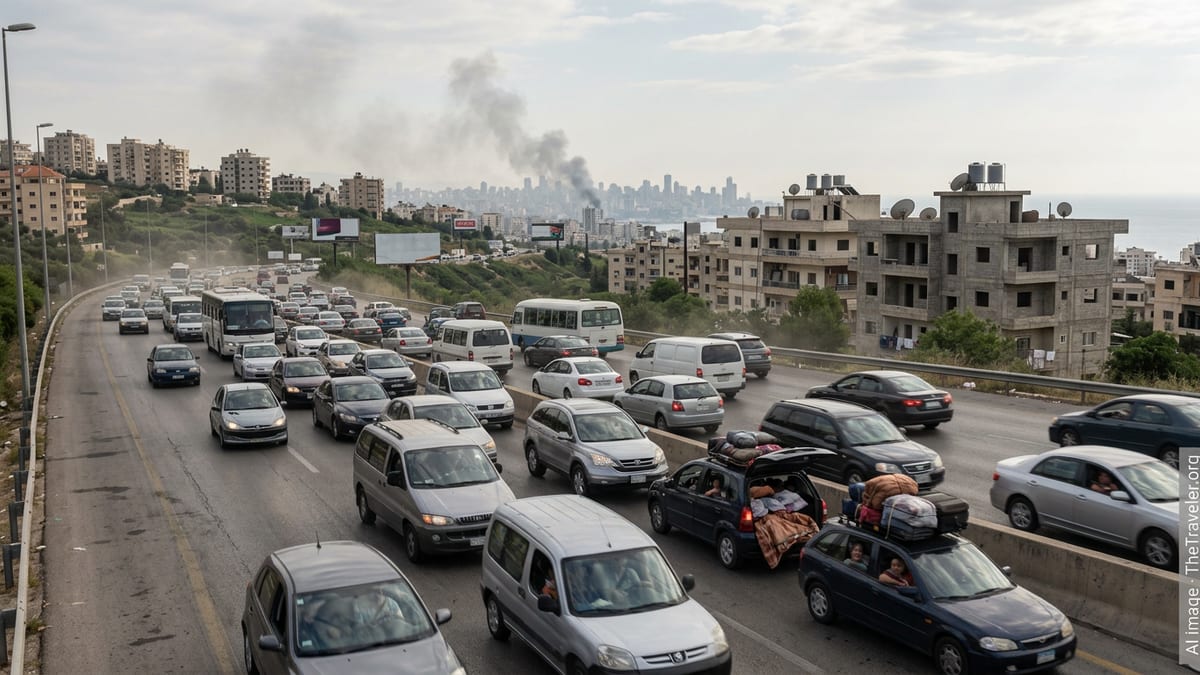
In recent days, Israel has expanded its campaign in Lebanon from targeted strikes to what military officials describe as broad-scale operations against Hezbollah positions. Airstrikes have repeatedly hit Beirut’s southern suburbs, the Bekaa Valley and towns across the south, while artillery fire and drones have added to the sense of constant threat along the border. On March 5 and 6, residents in the capital reported some of the heaviest bombardments since the wider regional crisis erupted, with explosions shaking apartment blocks and sending plumes of smoke over the coastline.
The escalation follows a surge in rocket and drone launches from Hezbollah into northern Israel, part of a wider confrontation linked to the war between Israel, Iran and their respective allies. Israeli authorities say the campaign is aimed at degrading Hezbollah’s military infrastructure and preventing the group from opening a larger northern front. However, the density of Lebanon’s urban neighborhoods and the proximity of military targets to residential areas have resulted in mounting civilian casualties and destruction of homes, shops and public facilities.
Ground maneuvers have also been reported in sections of southern Lebanon, where Israeli forces have pushed beyond previously held positions near the frontier. Lebanese officials say border villages have suffered extensive damage from shelling and aerial bombardment, with roads, electricity networks and agricultural land heavily affected. The growing intensity and geographic spread of the offensive are reshaping the security map of the country and amplifying the risks for anyone attempting to move by road between regions.
Humanitarian Conditions Deteriorate Rapidly
Humanitarian agencies warn that the latest fighting is compounding an already fragile situation in Lebanon, which was grappling with economic collapse and long-term displacement even before this phase of the conflict. United Nations officials and international NGOs report tens of thousands of people fleeing southern districts, the Bekaa and Beirut’s outskirts in just a few days, seeking shelter in schools, unfinished buildings and with relatives in safer neighborhoods. Lebanese authorities estimate that the number of newly displaced has climbed into the tens of thousands, on top of many thousands uprooted during previous rounds of hostilities.
Hospitals and clinics, weakened by years of underfunding and power shortages, are struggling to cope with a surge in trauma cases from shrapnel injuries, burns and building collapses. Medical staff describe operating under air raid sirens, with some facilities forced to move critical units to basements or interior corridors for safety. Damage to roads and bridges, along with intermittent closures of Rafik Hariri International Airport and disruptions at seaports, are complicating the delivery of fuel, medicine and relief supplies.
Aid organizations, including UN agencies and international relief groups, say their teams are operating under severe constraints, citing insecurity on key highways, curfews in some municipalities and the risk of unexploded ordnance in areas hit by cluster munitions or heavy shelling. Humanitarian responders are prioritizing food distributions, clean water, emergency health care and psychosocial support, particularly for children who have experienced repeated displacement and nights in overcrowded shelters. Without an immediate easing of hostilities and predictable access corridors, agencies caution that essential services could be overwhelmed within days.
Travel Warnings and Operational Disruptions
As the conflict has intensified, foreign ministries in North America, Europe and Asia have updated their guidance to citizens, designating Lebanon as an extremely high-risk destination. Several governments, including the United States, advise against all travel, citing the unpredictable security environment, active military operations and the possibility of further regional escalation. Travelers already in the country are being urged to leave if it is safe to do so, while embassies review staffing levels and consular services.
Commercial aviation has been heavily disrupted, with airlines trimming or suspending flights to Beirut as airspace risk assessments change by the hour. Passengers face last-minute cancellations, diversions and lengthy delays, even when flights operate. Overland routes to Syria and onward to other regional hubs remain theoretically possible but are subject to checkpoints, fuel shortages and the threat of renewed strikes on major arteries. Maritime movements in the eastern Mediterranean have also become more sensitive, with shipping operators closely monitoring security advisories.
Travel insurance coverage for Lebanon is increasingly restricted, with many policies excluding war and civil unrest, and some providers declining new coverage altogether. Tour operators and cruise lines have removed Lebanese ports and destinations from itineraries, rerouting journeys to avoid the eastern Mediterranean or replacing Levantine stops with alternative cities further west. For independent travelers, this combination of security, logistical and financial uncertainties has effectively placed Lebanon off the mainstream tourism map for the foreseeable future.
Impact on Everyday Life and the Tourism Sector
For Lebanese residents, the escalation has brought a painful return to wartime routines: stockpiling food, monitoring news of strikes and evacuations, and seeking safer sleeping arrangements away from windows and upper floors. In Beirut, traditionally vibrant districts known for cafes, galleries and nightlife report shuttered storefronts and dramatically reduced foot traffic. Hoteliers say cancellations have wiped out what little international business remained after years of crisis, while domestic guests now consist largely of displaced families from harder-hit areas.
Tourism-related employment, once a mainstay of Lebanon’s coastal cities and mountain resorts, has taken another severe blow. Staff at guesthouses, restaurants, tour companies and transport firms describe immediate income loss as bookings vanish and operations are suspended. Heritage sites and museums have closed for safety, with cultural institutions working to safeguard collections from potential damage or looting amid periods of instability. Seasonal businesses in ski areas and along the Mediterranean shoreline report that even local visitors are staying away, either unable to travel or unwilling to risk being caught on the roads during air raids.
The broader service sector that typically supports travelers, from car rental agencies to local guides and adventure outfitters, is in limbo. Many are attempting to pivot to other forms of work or to contribute to relief efforts, using their vehicles and knowledge of terrain to assist with evacuations and aid deliveries. However, with the national economy already under strain, there are limited safety nets for workers suddenly deprived of wages, and communities that once depended on tourist spending are increasingly reliant on remittances and humanitarian assistance.
Guidance for Travelers and Diaspora Planning Essential Journeys
For those with essential reasons to travel, including humanitarian staff, journalists or members of the Lebanese diaspora attempting to reach family, experts stress the need for meticulous contingency planning. This includes registering with embassies where possible, maintaining multiple communication methods, and having flexible, refundable tickets that can accommodate sudden changes. Security advisers recommend monitoring trusted international news outlets and official government advisories rather than relying solely on social media, where information may be incomplete or inaccurate.
Travel risk analysts also highlight the importance of route mapping within Lebanon, as conditions can vary dramatically between neighborhoods and regions. Journeys that might normally take an hour can stretch much longer due to checkpoints, detours and congestion from mass movements of civilians fleeing threatened areas. Travelers are urged to avoid border areas, military installations, political party offices and large gatherings, all of which face elevated risk during periods of bombardment and heightened tension.
For most leisure travelers, however, the consensus from security professionals and foreign ministries is clear: postpone non-essential trips to Lebanon and the immediate border regions of the Levant until sustained de-escalation is evident. As diplomatic efforts intensify and humanitarian agencies call for ceasefires and safe corridors, the outlook for the coming weeks remains uncertain. Anyone with ties to the region is encouraged to stay closely informed about developments and prepared for the possibility of further rapid shifts in both security dynamics and travel options.