

More news on this day
Travellers heading to or transiting through the United Arab Emirates later this week are being urged to prepare for possible delays as new forecasts point to a fresh spell of heavy rain, strong winds and unsettled weather from Thursday, raising the risk of transport disruption across key hubs.
Get the latest news straight to your inbox!
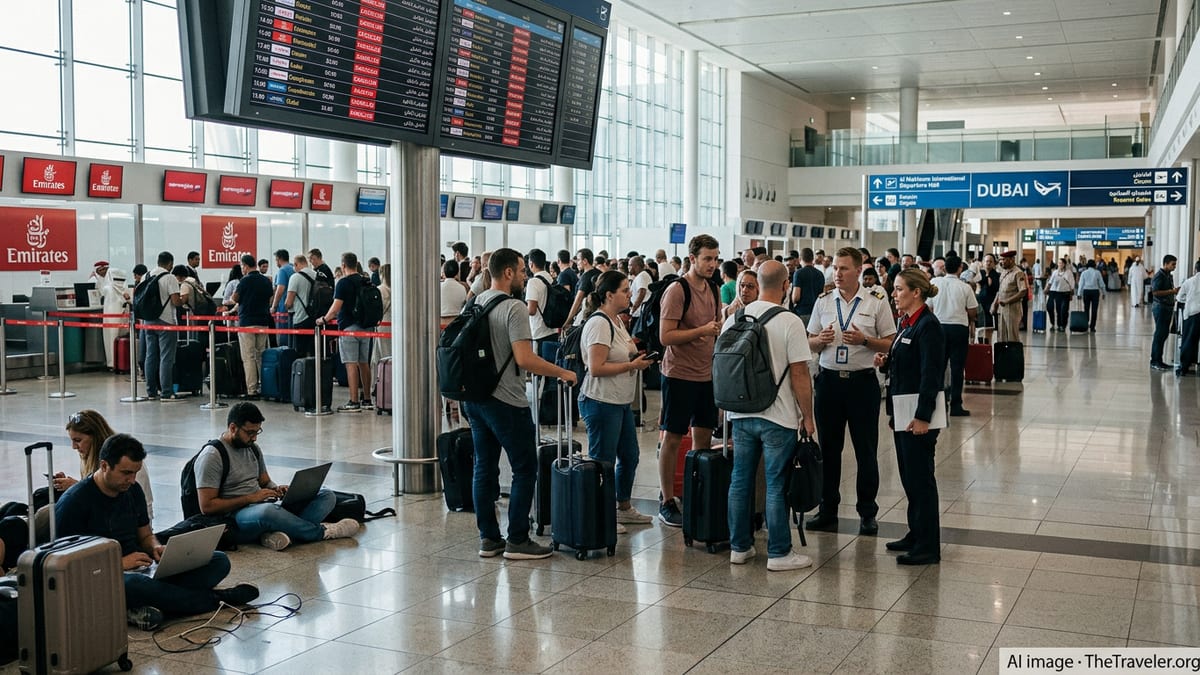
Fresh Round of Unstable Weather Set to Hit From Thursday
Recent forecasts indicate that a new weather system will bring thick cloud cover and bands of rain back to the UAE from Thursday, affecting coastal cities including Dubai and Abu Dhabi as well as parts of the Northern Emirates. Outlooks published by local media report that changing wind patterns and an advancing cloud mass over the Arabian Gulf are expected to trigger showers that may turn heavy at times, particularly in exposed and inland areas.
According to publicly available summaries of the National Centre of Meteorology’s latest bulletins, the country is entering another short period of atmospheric instability following a series of March storms that brought lightning, downpours and a marked drop in temperatures. Forecasts suggest that rain could begin as patchy showers before intensifying in some locations, accompanied by gusty winds that may kick up dust and reduce visibility on major roads.
The renewed warning comes after several weeks of weather volatility across the Gulf region, with neighbouring countries also bracing for thunderstorms and potential flash flooding. For the UAE, the focus is now on the Thursday to weekend window, when the combination of moist air, cooler upper-level conditions and onshore winds is expected to peak.
Weather outlooks referenced in regional coverage describe this as part of a broader late‑winter to early‑spring pattern, when the clash between lingering cool air masses and encroaching heat can produce short, sharp periods of heavy rainfall over the desert terrain.
Risk of Flight Delays and Travel Disruption
The prospect of further heavy rain immediately raises concerns about the impact on air and ground travel, particularly at Dubai International Airport, one of the world’s busiest hubs, and Abu Dhabi International Airport. Aviation industry briefings and recent incident reports show that the country’s airports are highly resilient yet still vulnerable to weather‑related disruption, with dense fog earlier in the year already causing delays, diversions and extended connection times for passengers.
Specialist weather monitoring sites have documented how intense showers and low visibility can slow runway operations, lengthen turnaround times and force aircraft to hold or divert, especially when storms arrive during peak traffic banks. With another period of unstable weather now forecast, airlines are expected to continue urging passengers to monitor flight status closely and allow extra time at the airport in case of schedule changes.
For road users, the combination of heavy rain, standing water and gusty winds can quickly create hazardous conditions on major highways linking Dubai, Abu Dhabi and Sharjah, as well as on routes through the northern and eastern emirates. Coverage of recent storms highlighted instances of cars moving at reduced speeds and localized congestion where drainage struggled to keep up with sudden downpours.
Travel analysts note that even when rainfall totals are modest by global standards, the intensity and short duration of many Gulf storms can temporarily overwhelm urban infrastructure. As a result, travellers transiting between airports, hotels and city centres around the Thursday time frame should build in additional time and be ready for slower‑than‑normal journeys.
Memories of Past Flooding Heighten Concerns
The latest forecast arrives against the backdrop of recent severe flooding in the UAE, particularly the April 2024 event that brought record‑breaking rainfall to Dubai, Sharjah and Al Ain and was widely described in regional assessments as the heaviest downpour in at least 75 years. That system flooded major roads, disrupted public transport, diverted flights and damaged homes and businesses, with insurance and climate reports still citing it as a reference case for extreme Gulf rainfall.
Earlier episodes in 2022 and subsequent years also saw parts of the Northern Emirates experience flash flooding after intense cloudbursts, underlining the sensitivity of low‑lying urban areas to sudden runs of heavy rain. While current forecasts for the upcoming Thursday spell do not yet point to an event on the same scale, the pattern of repeated unstable days is drawing increased scrutiny from climate and risk specialists.
Recent commentaries from weather and catastrophe‑modelling organisations note that warming seas and changing regional circulation patterns are likely contributing to more frequent bursts of intense precipitation across the Arabian Peninsula. For travellers, this translates into a higher probability that itineraries may be affected by short‑notice weather developments, even during periods traditionally considered dry.
Publicly available climate highlights for the UAE have stressed the importance of factoring weather variability into planning for transport, tourism and events, citing recent years as evidence that downpours can now occur outside the narrow window that residents previously associated with rain.
What Travellers Should Expect and How to Prepare
For visitors arriving in the UAE from Thursday onward, the most immediate practical effect of the forecast will be the possibility of slower airport processing, delays in flight rotations and longer journeys between airports and city hotels. Travel advisories and industry guidance generally encourage passengers to check in online where possible, keep airline apps or SMS alerts activated and track real‑time notifications about gate changes or disruptions.
On the ground, travellers can expect wet roads, patchy standing water and occasional reduced visibility during and shortly after downpours, particularly around open desert stretches and construction zones. Rental‑car users and taxi passengers are frequently advised in local guidance to avoid driving through flooded underpasses, maintain generous following distances and be cautious near wadis and low‑lying areas where water can collect quickly.
Tour and excursion operators along the coast and in the mountains may adjust or postpone activities if forecasts point to heavy rain, rough seas or strong winds. Visitors planning desert safaris, hiking trips in the Hajar Mountains or boat tours are encouraged by publicly available safety advice to stay in close contact with operators, confirm arrangements on the day and be ready for schedule changes.
While hotels and airports across the UAE are well equipped to manage short spells of adverse weather, travellers should anticipate that services such as outdoor dining, rooftop pools and beach access could be temporarily limited during periods of heavy rain or high winds. Flexible planning and a buffer in daily schedules remain the best way to absorb any delays without significantly affecting the overall trip.
Outlook for the Days Ahead
Looking beyond Thursday, regional forecasts suggest that unsettled conditions could linger for several days before a more stable pattern re‑emerges. Some models referenced in local reporting indicate the possibility of scattered showers continuing into the weekend, with intensity varying sharply from one emirate to another.
Meteorological updates typically refine these projections as new data arrives, and recent experience has shown that small shifts in storm tracks can make a significant difference to where the heaviest rain falls. Observers therefore recommend that travellers and residents alike keep a close eye on daily bulletins, especially if they have early‑morning flights, long‑distance drives or time‑sensitive events planned.
For now, the key takeaway for anyone travelling to, from or within the UAE later this week is to treat the Thursday forecast as a meaningful signal of possible disruption rather than background noise. With aviation networks across the wider Asia‑Pacific region already stretched by recent weather episodes, even modest delays in one hub can ripple through connecting flights.
By combining up‑to‑date local forecasts with flexible ticketing options and realistic ground‑transport plans, travellers can reduce the likelihood that the coming spell of heavy rain and unstable weather will significantly derail their movements, even as the country once again contends with the challenges of storms over the desert.