

More news on this day
Barcelona, Girona and parts of northern Catalonia are under heightened weather warnings on March 29 as powerful winds linked to a broader storm system sweep the region, disrupting transport links and raising safety concerns for residents and visitors at the start of the spring travel period.
Get the latest news straight to your inbox!
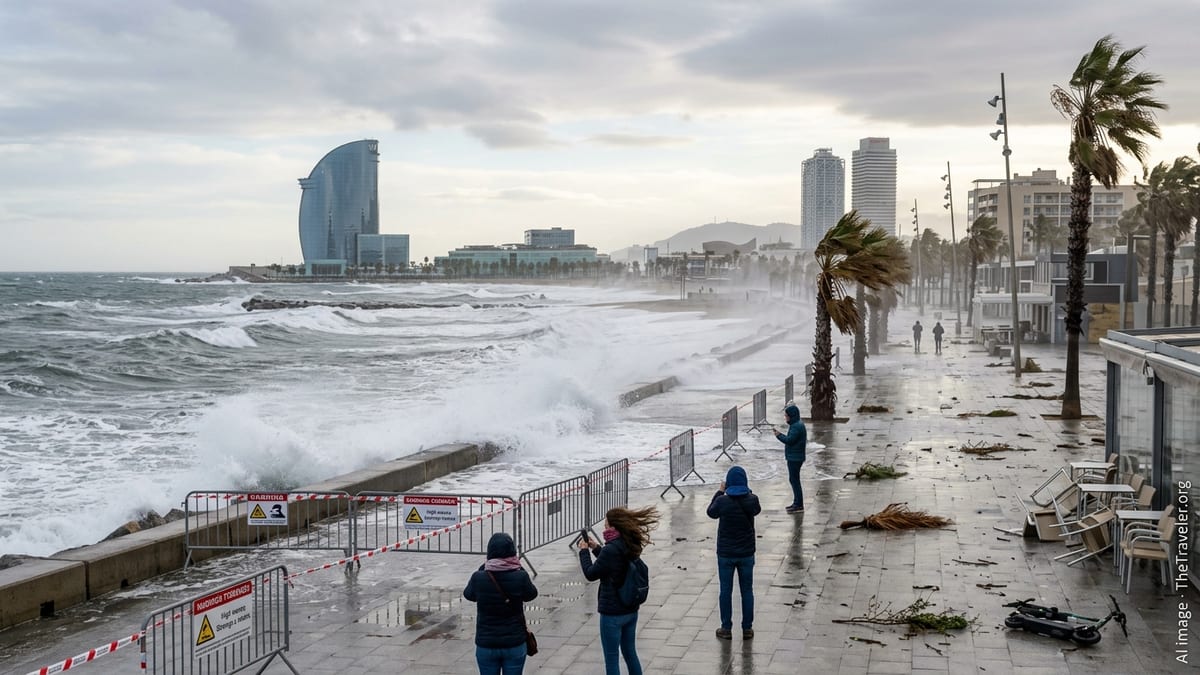
Extreme Wind Episode Grips Northern Catalonia
Publicly available information from Spanish and Catalan outlets indicates that a severe wind episode is affecting much of northern Catalonia on Sunday, with the most intense gusts recorded along the Costa Brava and inland mountain areas. Reports describe gusts reaching up to around 160 kilometres per hour in Portbou in Girona province, with widespread impacts across coastal and pre-Pyrenean zones.
The Catalan Civil Protection plan for high winds, known as Ventcat, remains active as the storm continues to push across the region. Weather services in Catalonia have highlighted a particular focus on the northern and eastern third of the territory, including the Alt Empordà area in Girona and parts of inland Barcelona province, where the strongest gusts and longest-lasting impacts are expected.
According to recent coverage in Spanish media, emergency lines in Catalonia registered hundreds of calls during the morning due to falling trees, damaged structures and objects being blown into public spaces. Several minor injuries have been reported in inland areas after roof elements and metal sheeting were torn loose by the wind, adding to concern over the safety of pedestrians and people moving around cities and towns.
Meteorological analysis published in recent days links the current episode to the active 2025 to 2026 European windstorm season and a sequence of deep low pressure systems moving across the western Mediterranean. Earlier in March, storms such as Regina and Samuel generated strong winds and high seas in northeastern Spain, and the latest system is described as part of that broader unsettled pattern, with repeated high-impact events over Catalonia since late winter.
Barcelona: Coastal City Under Wind and Sea Alerts
In Barcelona, the combination of strong gusts and rough seas has led to multiple precautionary measures across the city. Municipal information channels report fallen branches and occasional toppled trees in parks and on streets, along with temporary closures or partial cordons in some green areas as a preventive step while winds remain strong.
Along the city’s seafront, high waves and intense gusts are creating hazardous conditions on beaches and breakwaters. Previous advisories issued for similar episodes this month have warned of significant risk near the waterline, and the current conditions mirror those concerns, with powerful waves breaking against promenades and harbour infrastructure. Visitors are being urged by local information bulletins to avoid walking on exposed piers, rocky outcrops or closed sections of the waterfront.
Transport in and around Barcelona is also experiencing disruptions. Recent reports from national rail coverage point to suspension or limitation of some regional services that connect the metropolitan area with Girona province, particularly on sections where high viaducts and coastal cuttings are more exposed to crosswinds. Local urban transport within Barcelona is operating, but travellers are being advised to allow extra time and to check real-time updates in case of delays caused by debris on tracks or overhead line issues.
The city’s dense built-up environment can intensify wind effects at street level, especially in narrow corridors between tall buildings. Visitors staying in central districts are being encouraged by public advisories and hotel notices to secure balcony furniture, close shutters where available and keep windows firmly latched while the warning remains in force.
Girona and Costa Brava: Strongest Gusts and Marine Risk
The province of Girona is among the hardest hit areas in the current episode, according to regional press summaries. Monitoring stations in northern coastal towns have registered some of the highest wind speeds, with exposed headlands and hilltops bearing the brunt of the storm. Inland, pre-Pyrenean counties such as Garrotxa and Ripollès are also experiencing intense gusts that can affect road travel and outdoor activities.
Coverage from Spanish newspapers notes that segments of the Figueres to Portbou railway line have been halted or restricted due to safety concerns, reflecting the vulnerability of coastal and cross-border routes to high winds and potential track obstructions. This affects travellers heading from Barcelona through Girona toward the French border, including tourists connecting to international train services.
On the Costa Brava, marine conditions are described as particularly rough. National broadcasters and radio outlets report waves above 2.5 metres, alongside a high risk of heavy seas near rocky coves and smaller ports. Marinas and small harbours along the Girona coastline are operating under caution, and some recreational boating activities appear to be paused or heavily curtailed, with travel advisories recommending that visitors avoid any non-essential outings on the water.
Rural tourism and hiking, which are popular around Girona at this time of year, are also affected. Public information from local councils stresses the risk of falling branches in wooded areas and potential rockfalls on exposed mountain trails. Tourists are being encouraged to postpone excursions in forests and high ridges until conditions improve and updated guidance is issued.
Practical Safety Guidance for Visitors
While Barcelona and Girona remain open to visitors, local safety messages emphasize a cautious approach to sightseeing and outdoor movement until the extreme wind phase passes. Tourists arriving by air or train are advised, through airline and rail operator bulletins, to monitor their booking apps or information boards regularly, as timetables can change at short notice during severe weather.
Travel information platforms in Spain generally recommend staying clear of beachfront promenades, cliffs, viewpoints with minimal barriers and any areas marked with temporary fencing or warning signage. In urban areas, pedestrians are urged to watch for scaffolding, temporary structures, loose signage and construction materials that may be destabilized by sudden gusts.
Accommodation providers in both cities are stepping up their usual rainy-season advice, reminding guests to store items away from balconies, close terrace umbrellas, and avoid drying clothes on lines or racks exposed to the wind. Visitors driving rental cars are encouraged by road safety campaigns to park away from large trees where possible and to be cautious when opening doors in exposed parking lots or viewpoints where crosswinds can be strong.
For those already holding tickets for outdoor attractions, boat tours or high-altitude excursions in the surrounding hills, operators may adjust schedules or cancel outings as conditions evolve. Travellers are encouraged to treat such changes as safety measures rather than inconveniences and to keep flexible plans for indoor alternatives such as museums, galleries and cultural centres.
Outlook for the Coming Days
Forecasts from Spanish meteorological services suggest that the high wind episode over Catalonia is likely to persist into Monday and possibly Tuesday, with a gradual easing from west to east as the low pressure system moves away. However, the pattern of this winter and spring indicates a continued risk of further Atlantic and Mediterranean storms reaching the Iberian Peninsula in the weeks ahead.
Climate and weather reports released in recent months by Spanish institutions have highlighted how repeated storms, heavy precipitation and strong winds are shaping seasonal conditions in Catalonia. The 2025 to 2026 winter and early spring period has already featured several major windstorms, underlining the importance of preparedness for both residents and the increasing number of international visitors.
For travellers planning trips to Barcelona, Girona and the wider Catalan coast, the current situation illustrates the value of checking official weather forecasts and civil protection updates before departure and on arrival. Spring remains an attractive time to visit the region, but itineraries may need to accommodate occasional days dominated by high-impact weather.
Tourism observers note that the region’s infrastructure and services are well practiced in handling such episodes, and most disruptions are temporary. Once the current warnings are lifted and winds ease, transport networks and coastal amenities typically return to normal operating conditions, allowing visitors to resume their exploration of Catalonia’s cities, beaches and mountain landscapes.