

More news on this day
Passengers travelling through Denmark and the United Kingdom on March 29 faced acute disruption as Scandinavian Airlines (SAS) and Virgin Atlantic cancelled 14 flights and delayed nine more, stranding travelers across key hubs including Stockholm, Keflavik, Warsaw, Oslo and Dusseldorf.
Get the latest news straight to your inbox!
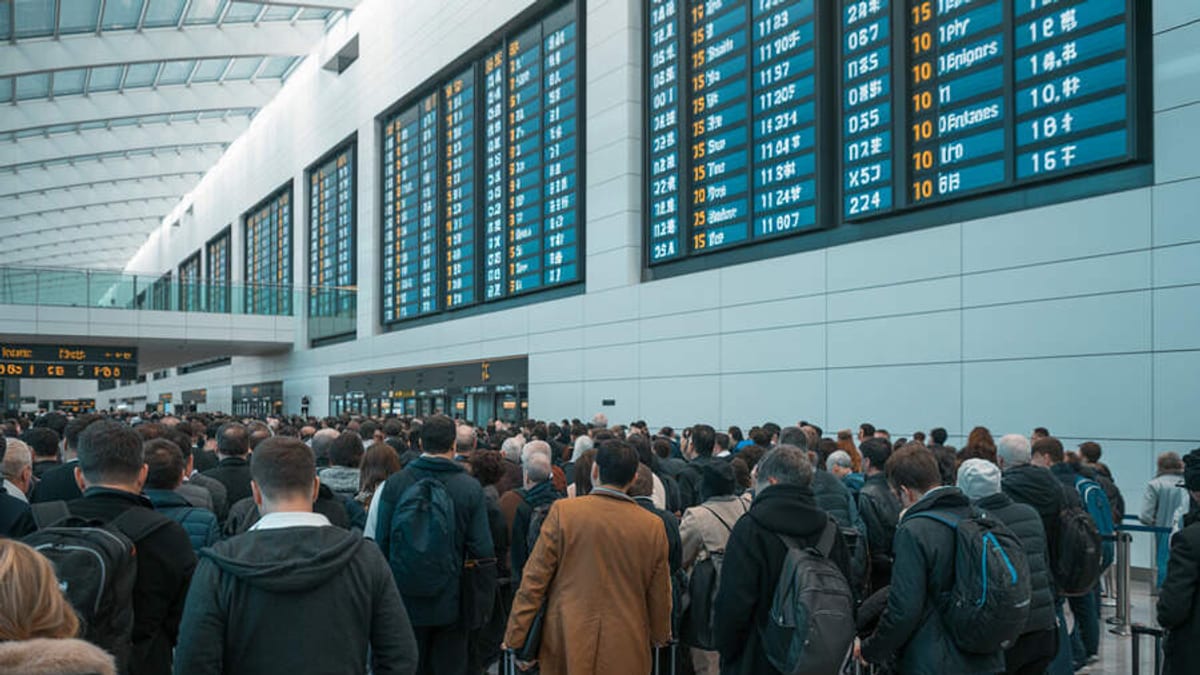
Image by Travel And Tour World
Operational Strain Triggers Wave of Cancellations
Publicly available flight-tracking and schedule data for March 29 point to a concentrated cluster of cancellations and long delays on SAS and Virgin Atlantic services touching Denmark and the UK. The disruption affected both point-to-point and connecting itineraries, leaving passengers with missed onward flights and unplanned overnight stays.
SAS, which operates a dense network linking Copenhagen, Stockholm and Oslo with the rest of Europe, appears to have borne the brunt of the cancellations. Recent weeks have already seen the carrier trim services on selected European routes as it reacts to cost pressures and volatile fuel prices, and reports indicate that several departures between Scandinavian capitals and cities such as Dusseldorf and Keflavik were withdrawn from the schedule at short notice.
Virgin Atlantic, primarily operating long haul from UK airports, also recorded flight cancellations and extended delays, adding to the congestion at departure and arrival terminals. According to published coverage tracking the airline’s status, some transatlantic and connecting services were pulled or rescheduled, contributing to a knock-on effect for passengers trying to reach or transit through the UK.
The combined total of 14 cancellations and nine delays across the two carriers translated into hundreds of disrupted journeys on a single day, highlighting how quickly operational strain at a few hubs can ripple across Europe’s already stretched aviation network.
Key Routes Affected Across Northern Europe
Routes linking the Nordic region with continental Europe and the North Atlantic were among the most significantly affected. Services involving Stockholm, Oslo and Copenhagen form the backbone of SAS’s operation, connecting onward to destinations such as Dusseldorf, Warsaw and Keflavik. Public timetables and recent schedule adjustments show that several of these links have become more vulnerable to disruption when aircraft or crews are out of position.
Flights between Copenhagen and Oslo, as well as services from the Scandinavian capitals to Dusseldorf and Warsaw, were hit with cancellations or lengthy delays, complicating travel plans for both business and leisure passengers. Reports from recent days also describe earlier SAS cancellations on routes between Reykjavik’s Keflavik Airport and Oslo, underscoring how thinly stretched capacity on some Nordic and North Atlantic sectors has become.
In the UK, Virgin Atlantic’s long haul network meant that disruption was felt not only at departure points but also across connecting flows. When a long haul sector is delayed or cancelled, passengers bound for onward European destinations via the UK can be left without realistic same-day alternatives. This dynamic was evident on March 29, with publicly available information showing missed connections and forced rebookings onto later dates.
The pattern of disruption on these routes reinforces concerns among frequent travelers that certain city pairs, particularly those with only a small number of daily frequencies, are more exposed when airlines make last-minute operational cuts.
Knock-On Effects for Stranded Passengers
The immediate consequence of the March 29 disruptions was a familiar scenario of stranded passengers seeking rebooking, accommodation and clarity on their rights. Social media posts and online forums in recent weeks have documented similar experiences on SAS and Virgin Atlantic, with travelers reporting cancellations a few hours before departure, limited rebooking options and long waits for support channels.
When flights involving hubs such as Stockholm, Oslo, Keflavik, Warsaw and Dusseldorf are removed from the schedule, same-day alternatives are often scarce, particularly in shoulder-season periods where frequencies are lower than in summer. Travelers with onward connections, including long haul departures from major airports, may find that the next viable itinerary departs several days later, forcing difficult decisions around accommodation costs and missed events.
Public guidance on European and UK air passenger rights indicates that travelers on affected flights may be eligible for care, assistance and in some cases financial compensation, depending on the cause of the disruption and the notice given. However, online accounts suggest that navigating these frameworks can be complex, and that passengers are frequently required to submit formal claims and, where necessary, escalate disputes to regulators or alternative dispute resolution bodies.
The events of March 29 highlight how even a relatively contained number of cancellations and delays can translate into outsized stress for travelers when support channels are congested and rebooking options are limited.
Weather, Costs and Capacity Behind a Fragile Network
The travel chaos comes against a backdrop of wider pressure on European aviation. The 2025–26 European windstorm season has already seen severe weather episodes disrupt travel across the UK and northern Europe, with strong winds and heavy precipitation periodically forcing airlines and airports to curtail operations. While not every cancellation on March 29 can be directly linked to weather, the season’s volatility has left schedules more fragile and recovery windows narrower.
At the same time, carriers such as SAS are contending with elevated fuel prices and a gradual fleet transition, factors that can prompt last-minute consolidation of services when demand or operating costs shift. Recent commentary in Scandinavian media and traveler communities has pointed to a pattern of selective cancellations on less dense routes, as airlines seek to keep load factors high and reduce exposure on marginal services.
Virgin Atlantic, for its part, is in the midst of a multi-year network adjustment that includes the introduction of new destinations and changes to frequency on established routes. Publicly accessible route maps and timetable updates for 2026 show a continued focus on key long haul markets, which can leave the schedule vulnerable when aircraft rotations are disrupted by technical or weather-related issues.
Combined, these factors create an environment in which relatively small operational shocks, such as a grounded aircraft or an air traffic control restriction, can cascade into widespread cancellations affecting multiple cities within hours.
What Travelers Can Do When Disruption Hits
For passengers caught up in the March 29 disruption and for those planning imminent trips through Denmark, the UK and other affected hubs, travel experts and consumer organizations consistently emphasize preparation and rapid information gathering. Publicly available guidance recommends monitoring airline apps and airport departures boards regularly on the day of travel, as changes can appear with little advance warning.
When a cancellation or long delay occurs, official airline channels such as websites, mobile apps and staffed airport desks are typically the primary avenues for rebooking and assistance. Reports indicate that contacting airlines quickly, and documenting all expenses related to the disruption, can improve the chances of securing reimbursement under European and UK passenger-rights regimes.
Travelers are also advised in consumer-facing guidance to understand the basic contours of their rights before departure, including eligibility for meals, hotel accommodation and alternative transport when flights are cancelled or significantly delayed. In cases where an airline rejects a compensation claim and the passenger believes the decision conflicts with published regulations, escalation to national enforcement bodies or recognized dispute-resolution schemes may be possible.
While the cancellations and delays involving SAS and Virgin Atlantic on March 29 illustrate the persistent fragility of Europe’s air travel network, they also reinforce the importance for passengers of building flexibility into itineraries, allowing extra connection time and keeping critical documents and confirmations easily accessible when plans suddenly change.