

More news on this day
Travelers moving through Phoenix Sky Harbor International Airport this week faced another bruising wave of disruption, as publicly available flight-tracking data indicated roughly 163 delays affecting American Airlines, Southwest Airlines and JetBlue services on key routes to Chicago, New York and Los Angeles.
Get the latest news straight to your inbox!
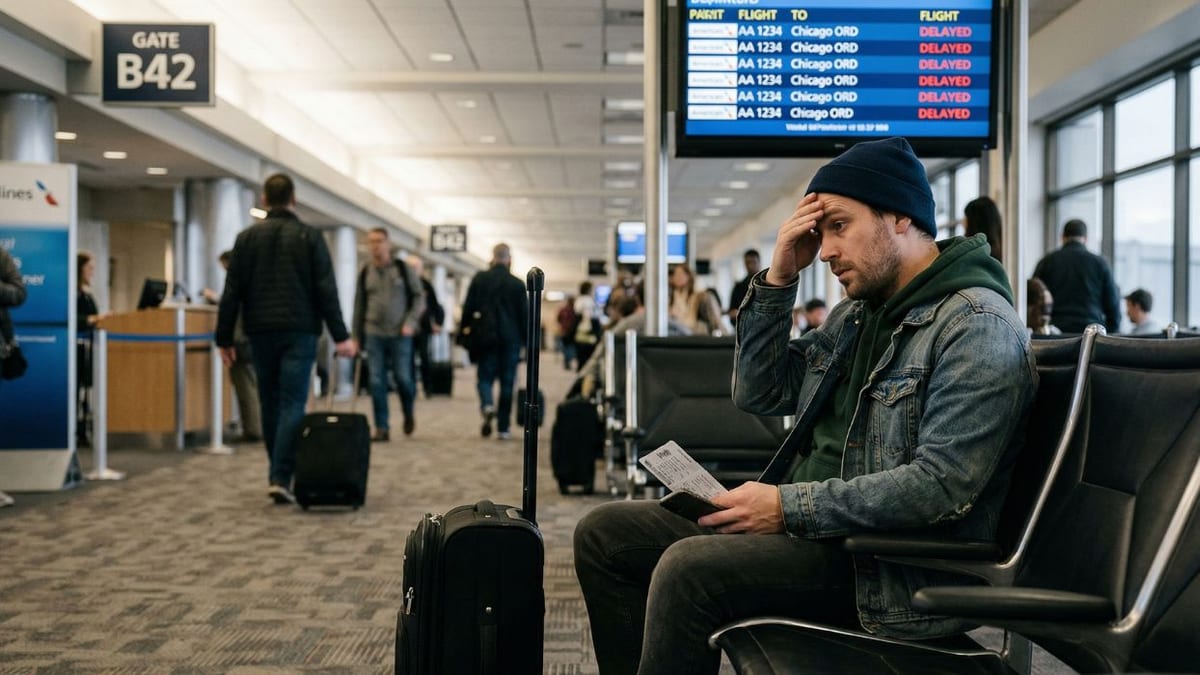
Delays Mount on Key Domestic Corridors
Operational tallies compiled from airport boards and flight-tracking dashboards show that the latest disruption at Phoenix Sky Harbor centered on some of the most heavily used domestic corridors, with American Airlines, Southwest Airlines and JetBlue registering dozens of late departures and arrivals. The combined impact added up to about 163 delayed flights, concentrating the chaos on services linking Phoenix with Chicago, New York and the greater Los Angeles basin.
Reports from aviation focused outlets describe departure screens dominated by yellow and red delay markers as the day progressed, with rolling schedule changes pushing some departures into later evening windows. Travelers bound for Chicago O Hare, New York area airports and Los Angeles International found themselves in extended queues at customer service counters as seats on alternative departures quickly filled.
The timing of the disruption compounded its impact. The latest issues followed a week in which hubs across the United States, including Atlanta, Chicago, New York and Los Angeles, had already logged thousands of delays and hundreds of cancellations, leaving airlines with limited slack in both aircraft rotations and crew availability. With networks already stretched, localized disruption at Phoenix quickly translated into missed connections and onward delays across multiple cities.
Publicly available data from wider national roundups this month points to a pattern in which American and Southwest have repeatedly featured among the carriers with the highest daily delay counts, alongside other major U.S. airlines. The Phoenix episode fits that broader picture, with the three carriers at the center of the Sky Harbor disruption all operating dense schedules into the affected connecting markets.
What Triggered the Sky Harbor Disruption
While a single dominant cause has not been identified in published coverage, the Phoenix disruption appears to reflect a mix of weather related constraints in other parts of the network, high seasonal demand and operational fragility that has been building through the spring travel period. Recent nationwide reports have highlighted the effect of storm systems moving through the Midwest and East Coast, periodically slowing operations at Chicago and New York airports and triggering ground delay programs that ripple across airline schedules.
When those bottlenecks coincide with peak demand days, airlines have little room to recover from an early setback. Industry analyses cited in April travel reporting note that crews are often scheduled close to their legal duty limits, while spare aircraft are limited. A delay on an early morning rotation can therefore cascade through the rest of the day, especially on long haul domestic links such as Phoenix to Chicago and Phoenix to New York that tie into onward evening banks of departures.
Locally, Phoenix Sky Harbor has also been managing periods of roadway and access construction around the airport campus, which city and airport planning documents indicate can slow vehicle traffic approaching the terminals at busy times. While such projects do not directly affect runway capacity, they can lengthen the time it takes passengers to reach check in and security, subtly increasing pressure on already tight departure processes when flights are running behind schedule.
Against that backdrop, the 163 recorded delays in the latest incident are being interpreted by aviation observers as a symptom of a system operating near its limits rather than an isolated failure at a single airport. With Phoenix serving as a major hub for American and an important base for Southwest, any disruption at Sky Harbor is likely to reverberate quickly through both carriers broader domestic networks.
Impact on Travelers to Chicago, New York and Los Angeles
The concentration of delays on routes to Chicago, New York and Los Angeles magnified the consequences for travelers, because each of those cities functions as a critical onward gateway. Passengers connecting in Chicago to Midwest and East Coast destinations, in New York to transatlantic services, or in Los Angeles to West Coast and Pacific routes faced a heightened risk of missed onward flights once Phoenix departures slipped behind schedule.
Published accounts from recent multi airport disruption days describe common scenes that are likely to have been repeated in Phoenix and its destination hubs, including crowded gate areas, long standby lists and rebooked passengers waiting for open seats on late evening departures. For some Phoenix based travelers, delays on the final departures of the night translated into involuntary overnight stays and unplanned expenses for hotels and meals.
Travel data referenced in national roundups this month also indicates that many of the most affected routes are operating close to capacity during the spring period, limiting options for same day rebooking when flights go substantially off schedule. On popular Phoenix to Los Angeles segments where Southwest and American operate dense schedules, even a modest wave of delays can produce knock on crowding as multiple flights depart within compressed time windows.
For travelers starting their journeys in Chicago, New York or Los Angeles and connecting through Phoenix, the disruption also created uncertainty about return and onward legs. Industry advice appearing in recent coverage has emphasized the importance of monitoring inbound aircraft status, building longer connection buffers and considering earlier departures on days when storms or traffic constraints are expected, particularly when itineraries rely on hubs that have seen repeated disruption in recent weeks.
Part of a Wider Pattern of Spring Travel Strain
The events at Phoenix Sky Harbor form part of a broader pattern of strain across the U.S. air travel system in early April 2026. National compilations of flight status data in recent days have pointed to several peaks in disruption, with delays running into the thousands and cancellations numbering in the hundreds at major hubs including Atlanta, Dallas Fort Worth, Chicago O Hare, New York area airports, Miami and Los Angeles.
Analysts cited in financial and travel sector reporting have linked the turbulence to structural factors such as tight staffing levels in both airlines and air traffic control, rising operating costs and robust passenger demand that has pushed airlines to schedule near pre pandemic capacity. When that structural tightness meets adverse weather or localized operational challenges, the result can be multi day sequences of rolling delays similar to those seen around the latest Phoenix incident.
Recent assessments of Easter and early April travel performance indicate that even after specific storms move through, it can take several days for airlines to reposition aircraft and crews, clear maintenance backlogs and restore normal spacing between rotations. In that environment, an airport like Phoenix Sky Harbor, which handles heavy flows of traffic to multiple hubs, remains vulnerable to inherited disruption from other parts of the network.
The week surrounding the Sky Harbor delays has also featured heightened disruption in other regions, including significant numbers of delayed flights reported in Chicago and New York on several days. The close scheduling ties between those hubs and Phoenix on American, Southwest and JetBlue services help explain how conditions elsewhere in the country can quickly translate into travel headaches for passengers flying in and out of Arizona.
What Travelers Can Expect in the Coming Days
Publicly available airport status pages and aviation tracking dashboards indicate that Phoenix Sky Harbor was trending closer to normal operations by late this week, with far fewer active delays compared with the day that saw the 160 plus disruption tally. Even so, national figures suggest that the wider U.S. network remains under pressure, and travel observers are cautioning that further pockets of localized disruption are possible if new weather systems or operational bottlenecks emerge.
For travelers with upcoming itineraries linking Phoenix to Chicago, New York and Los Angeles, the recent episode serves as a reminder to build additional margin into travel plans. Guidance appearing in consumer travel coverage encourages passengers to favor morning departures where possible, keep airline apps and alerts enabled, and review minimum connection times carefully when itineraries involve tight layovers at busy hubs.
Observers also note that flexible ticket policies and same day change options may offer valuable insurance during periods of elevated disruption, particularly on routes like those between Phoenix and the major coastal gateways that have seen repeated pressure this season. Travelers who can shift to earlier flights or adjust their dates by a day may be better positioned to avoid the cascading effects of later day delays.
While the latest turbulence at Phoenix Sky Harbor has eased for now, the underlying conditions that contributed to the 163 delays remain present across much of the U.S. aviation system. As the busy late spring and early summer travel periods approach, both airlines and passengers are likely to face continued tests of flexibility on the nation busiest routes.