

More news on this day
Travelers moving through Phoenix Sky Harbor International Airport on April 11 faced significant disruption as 163 flights were reported delayed and at least two canceled, snarling connections on some of the busiest routes linking the desert hub with major cities across the United States.
Get the latest news straight to your inbox!
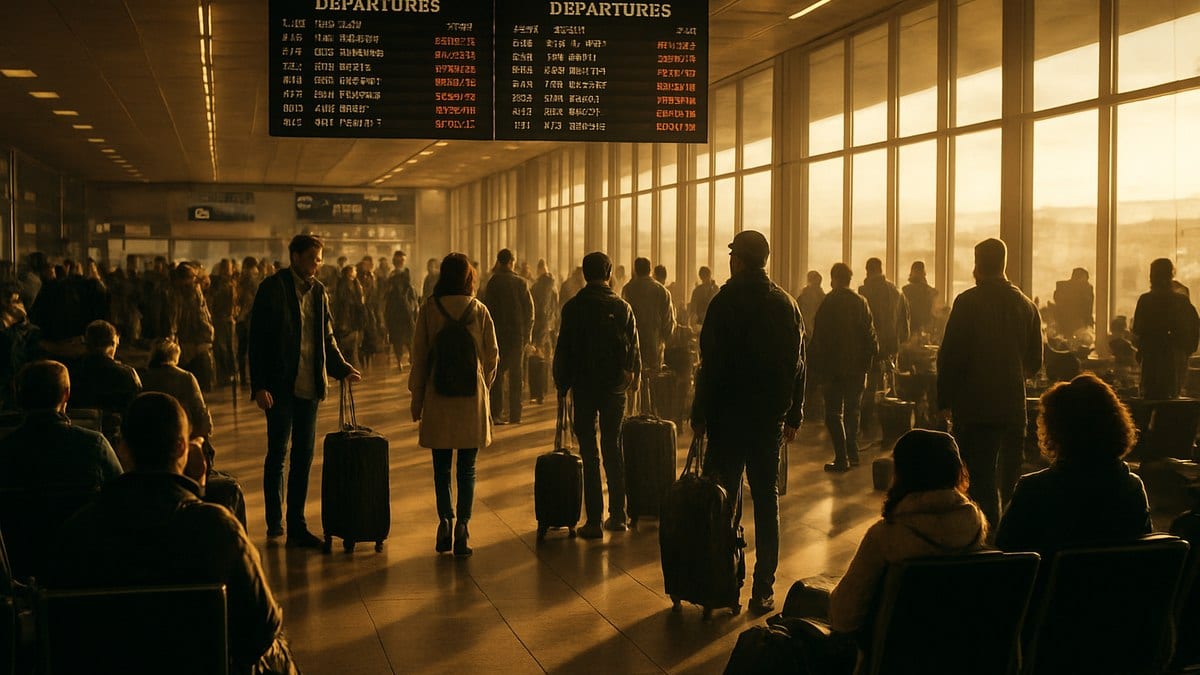
Delays Ripple Across Key Domestic Hubs
Publicly available flight-tracking data and industry coverage indicate that the disruption at Phoenix Sky Harbor affected a broad mix of domestic services, particularly high-volume routes to Chicago, New York and Los Angeles. These corridors are among the busiest from Phoenix, concentrating a large share of both business and leisure traffic.
Reports describe American Airlines, Southwest Airlines and JetBlue among the carriers experiencing extended departure and arrival holds, with aircraft bound for Chicago O’Hare and Midway, New York area airports and Los Angeles International among those most affected. Because many of these flights feed onward connections, delays in Phoenix quickly translated into missed links and last-minute rebookings across the network.
Available schedule data show that airlines lean heavily on Phoenix as a western connecting point, using the airport as a bridge between the Southwest and major Midwestern and East Coast hubs. When departures fall behind schedule in such a node, even moderate holdups can cascade into multi-hour disruptions for travelers making cross-country journeys.
Observers noted that Sky Harbor’s role as a key spoke in several carriers’ national networks helps explain why a delay count in the low hundreds can still have an outsized impact on passengers well beyond Arizona. For many travelers in cities such as Dallas, San Francisco or Denver, the first visible sign of trouble was a gate display referencing a late-arriving aircraft from Phoenix.
Part of a Wider Pattern of US Aviation Strain
The spike in disruptions at Phoenix Sky Harbor comes against a backdrop of elevated delay levels across the United States aviation system in early 2026. Recent incidents at multiple large airports have underscored how quickly a combination of high demand, constrained staffing and localized operational challenges can tip schedules into disarray.
Industry analyses published in recent months highlight that delays tend to cluster at major hubs where aircraft and crews are tightly scheduled. When a single airport experiences a ground stop, low-visibility operations or ramp restrictions, aircraft may be held on taxiways, gates can become blocked and knock-on effects spread along interconnected routes.
According to publicly available federal data and independent research, Phoenix regularly ranks among the nation’s busier airports for passenger volume, making it particularly sensitive to any reduction in airside capacity. When dozens of flights are delayed within a compressed time window, recovery can take hours as airlines work to reposition aircraft and crews while still operating later departures.
Analysts note that Phoenix is not alone. Earlier this year, several other major hubs reported days with unusually high numbers of delayed flights, driven by a mix of weather systems, air traffic management initiatives and staffing shortages. The situation at Sky Harbor on April 11 is being viewed by some observers as another example of how thin operational margins remain across parts of the US system.
Impact on Airlines and Passengers
For airlines operating through Phoenix, the immediate challenge has been absorbing the schedule shock while minimizing knock-on cancellations. Public timetables and operational summaries suggest that on the day of disruption, most affected carriers attempted to keep delayed flights operating rather than trimming departures outright, resulting in rolling delays that stretched into the evening.
For passengers, the practical consequences included missed connections, unplanned overnight stays, long lines at customer service desks and heavy demand for available hotel rooms near the airport. Social media posts and local reports described crowded concourses and departure boards dominated by delay notices, as travelers sought updated departure times and alternate routings.
Travel advocacy organizations and consumer commentators have pointed out that, under current US regulations, airlines are not generally required to provide cash compensation for delays, in contrast with some regimes in Europe. Instead, assistance often comes in the form of meal vouchers, rebooking and, in limited cases, hotel accommodations, depending on carrier policies and the cause of disruption.
Operationally, the episode has also highlighted the strain on airline staff and airport workers, who must manage rebookings, baggage handling complications and a surge in traveler inquiries when schedules start to unravel. Ground-handling companies, security personnel and concession operators all face higher workloads during extended irregular operations.
Why Phoenix Is So Vulnerable to Schedule Shocks
Experts who monitor airport performance note that Phoenix Sky Harbor’s geographic position and route profile contribute to its vulnerability during systemwide stress. Serving as a bridge between the West Coast, the Southwest and a host of Midwestern and Eastern destinations, Phoenix handles a large number of medium and long-haul flights that are tightly timed for connections.
Publicly accessible airport planning documents show that Sky Harbor’s airfield and terminal layout are designed to support dense wave patterns of departures and arrivals throughout the day. When one of these banks is disrupted, it can be difficult to reflow traffic without pushing delay into subsequent periods, especially during peak travel seasons.
Weather in the Phoenix region is typically more stable than at many northern hubs, but summer heat, monsoon-season thunderstorms and occasional dust storms can still constrain operations. At other times of year, disruptions may be tied less to local conditions and more to congestion or adverse weather at outstations, leaving aircraft and crews out of position.
Data compiled by aviation analytics firms in recent years indicate that even on otherwise calm days, a fraction of flights at Phoenix experience moderate delays, a pattern that can intensify quickly when additional stressors appear. The cluster of 163 delays reported on April 11 is being examined in that broader context of how Sky Harbor fits within national delay trends.
Advice and Outlook for Upcoming Travelers
With Phoenix Sky Harbor remaining a crucial transfer point for trips across the western and central United States, travel experts recommend that passengers with upcoming itineraries through the airport build additional buffer time into their plans. Common suggestions in consumer travel guides include favoring longer connection windows and early-day departures, which tend to be less affected by knock-on delays.
Publicly available guidance from airlines and airport partners also emphasizes the importance of monitoring flight status closely in the 24 hours before departure, as schedule adjustments may appear on mobile apps and departure boards before they are widely reported. Travelers are encouraged to check both their departing airport and conditions at key hubs such as Phoenix when planning tight same-day connections.
Some commentators argue that the recent string of high-delay days at US hubs, including Phoenix, could intensify calls for stronger passenger protections or new operational targets. Others point to ongoing infrastructure upgrades, technology investments and staffing initiatives that are intended to make airports more resilient to shocks over the medium term.
For now, those passing through Phoenix Sky Harbor in the wake of the 163-delay episode are likely to encounter an aviation system still working to balance record travel demand with limited slack in schedules. For many travelers, that reality means allowing more time, preparing backup plans and watching departure boards more closely than in years past.