

More news on this day
U.S. air travel is enduring one of its most turbulent winters in years in early 2026, as repeated waves of severe weather, staffing shortfalls and airspace restrictions trigger mass flight cancellations, rolling delays and scenes of overcrowded terminals across the country.
Get the latest news straight to your inbox!
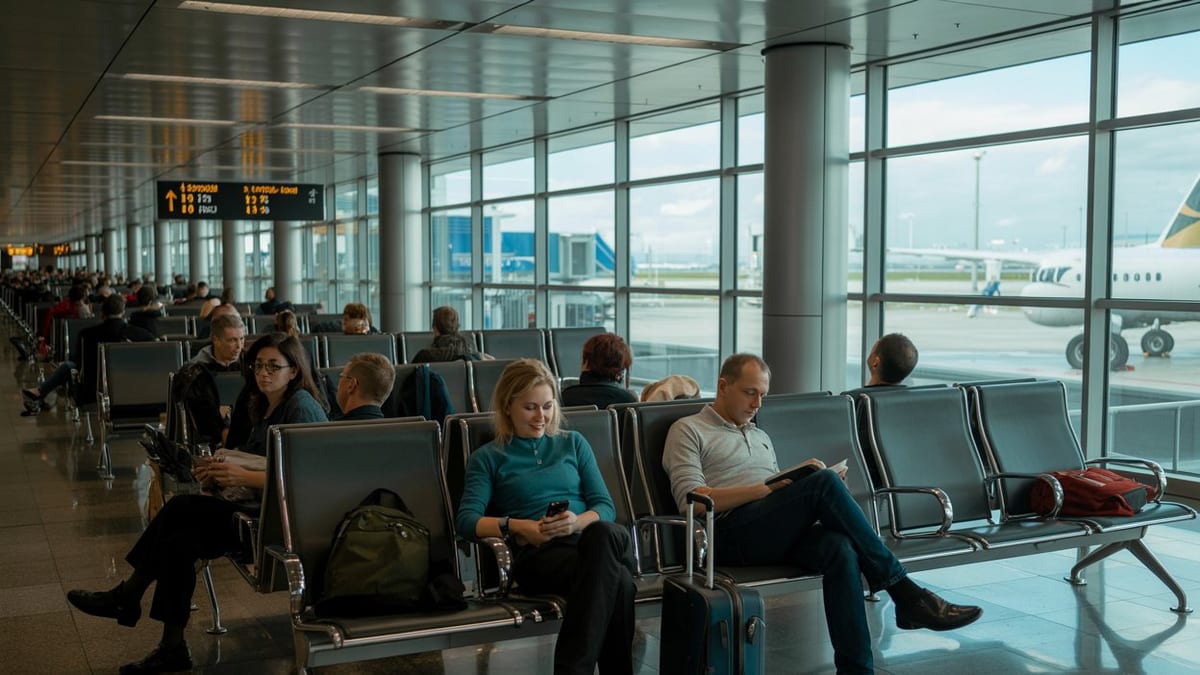
Image by Travel And Tour World
Wave After Wave of Disruptions Across the Winter of 2026
From January through March 2026, publicly available aviation data shows an almost unbroken series of disruption spikes, leaving travelers with little respite between major events. A sprawling winter storm in late January led to what multiple outlets described as the highest level of U.S. flight cancellations since the pandemic period, with more than 11,000 flights scrapped on a single Sunday and thousands more delayed as the system swept from the South into the Northeast.
The January storm, widely referred to by media as Winter Storm Fern, hit large hubs including Atlanta, New York area airports and Washington, D.C., forcing airlines to ground aircraft and suspend operations for stretches of the weekend. Reports indicate that some airports saw close to half of scheduled departures canceled, overwhelming rebooking systems and leaving passengers sleeping in terminals or scrambling for alternative transport.
Even after skies began to clear, operational ripples continued. Airlines needed days to reposition aircraft and flight crews, and data compiled by flight-tracking services showed elevated levels of delays persisting into the following workweek. The pattern set a tone for what has become a winter defined less by one-off events and more by sustained pressure on the entire U.S. aviation network.
February’s Blizzard, Staffing Strains and Security Closures
February brought little relief. A powerful blizzard that pounded the Northeast from February 22 to 24 led to thousands of additional cancellations, particularly at Boston Logan and other New England and Mid-Atlantic airports. According to published summaries of FlightAware data, a single day of the storm saw more than 6,000 U.S. flights canceled and hundreds more delayed, as whiteout conditions, high winds and heavy snowfall made operations unsafe across a broad region.
The same period was marked by broader strains on the aviation ecosystem. A prolonged federal government funding dispute led to a partial shutdown that, according to widely circulated reporting, contributed to staffing shortfalls at security checkpoints. George Bush Intercontinental Airport in Houston emerged as a high-profile example, with publicly available information indicating that only a fraction of security lanes were staffed on some days, resulting in wait times that stretched toward four hours and forcing some travelers to miss flights even where aircraft were operating.
Security-related airspace restrictions added another layer of complexity. Temporary closures over portions of Texas and New Mexico in February effectively halted operations at El Paso International and disrupted routes across the region. Flight-tracking and scheduling data showed diversions, cancellations and lengthy reroutes as airlines adjusted to the sudden loss of key corridors, adding to the perception of a system under sustained stress.
March Storms Extend the Chaos Into Spring
By March, travelers hoping for calmer conditions instead encountered fresh turbulence. A series of March weather systems, including a significant blizzard across parts of the Upper Midwest and High Plains and a separate tornado outbreak tied to heavy snow in the Rockies, again disrupted air travel at major hubs. Public data for early and mid-March shows Denver International Airport, Minneapolis–Saint Paul and Chicago-area airports among those absorbing heavy delays and cancellations as snow, ice and strong winds moved through.
On peak days in mid-March, independent travel sites and aviation trackers reported hundreds of cancellations and thousands of delays nationwide, with Minneapolis, Chicago, Atlanta and New York once again among the hardest-hit metropolitan areas. For passengers, the practical impact was familiar: rolling gate changes, departure times that slipped repeatedly, and connections that evaporated as inbound aircraft arrived hours behind schedule or not at all.
Additional disruption spikes around March 18 added to the instability. Aggregated figures cited by travel industry outlets indicated that more than a thousand flights were canceled and several thousand delayed in a single day, underscoring how quickly adverse weather in a few regions can cascade across the tightly connected U.S. network.
Major Airlines and Hubs Under Sustained Pressure
The burden of 2026’s travel chaos has fallen heavily on the country’s largest carriers and hubs. Publicly available airline performance snapshots and industry analyses indicate that American Airlines, Delta Air Lines, United Airlines, Southwest Airlines and JetBlue have all experienced repeated waves of cancellations and delays as storms and knock-on effects spread across their networks.
Hub airports such as Atlanta, Dallas–Fort Worth, Chicago O’Hare, New York’s LaGuardia and Newark, Boston Logan, Denver and Minneapolis–Saint Paul feature prominently in disruption tallies. When winter storms or strong wind events hit these locations, airline schedules across the country can quickly unravel as missed rotations leave aircraft and crews out of position for subsequent flights.
Industry commentary suggests that while weather remains the primary trigger, structural factors are amplifying the impact. Airlines are operating with tight schedules and high aircraft utilization after years of rebuilding demand, leaving limited slack to absorb irregular operations. At the same time, staffing remains fragile in certain functions, from ground handling to customer service, making recovery slower once a major event hits.
What Travelers Are Facing on the Ground
For travelers, the numbers translate into very real, often repeated hardship. Reports from airports across the United States describe packed concourses, long lines at customer service desks and phone support systems straining under the volume of rebooking requests. Even on days when outright cancellations are lower, elevated delay counts mean missed connections, disrupted itineraries and unexpected overnight stays.
Published coverage from travel and aviation outlets highlights a common pattern: passengers reaching their departure airport on time only to encounter rolling schedule changes as crews and aircraft arrive late from other disrupted stations. In many cases, a single missed connection can add 12 to 24 hours to a journey, particularly where limited frequencies or full flights leave few immediate alternatives.
Flexible travel policies have provided some relief. Many carriers have periodically issued weather-related waivers allowing passengers to change flights without standard fees during the worst outbreaks, and some have offered vouchers or expanded customer support channels. However, these measures cannot fully offset the capacity crunch when large parts of the system are affected at once.
With spring travel and the busy summer season approaching, analysts and travel planners are watching closely to see whether operational resilience improves or whether the pattern of 2026 so far foreshadows another year in which U.S. air travel remains vulnerable to every major storm and shock.