

More news on this day
Saudi Arabia’s main airports are experiencing mounting disruption as major regional and international airlines grapple with a volatile security environment and shifting airspace closures across the Middle East, leading to crowded terminals, rolling delays, and short-notice cancellations, according to coverage highlighted by Travel and Tour World (TTW).
Get the latest news straight to your inbox!
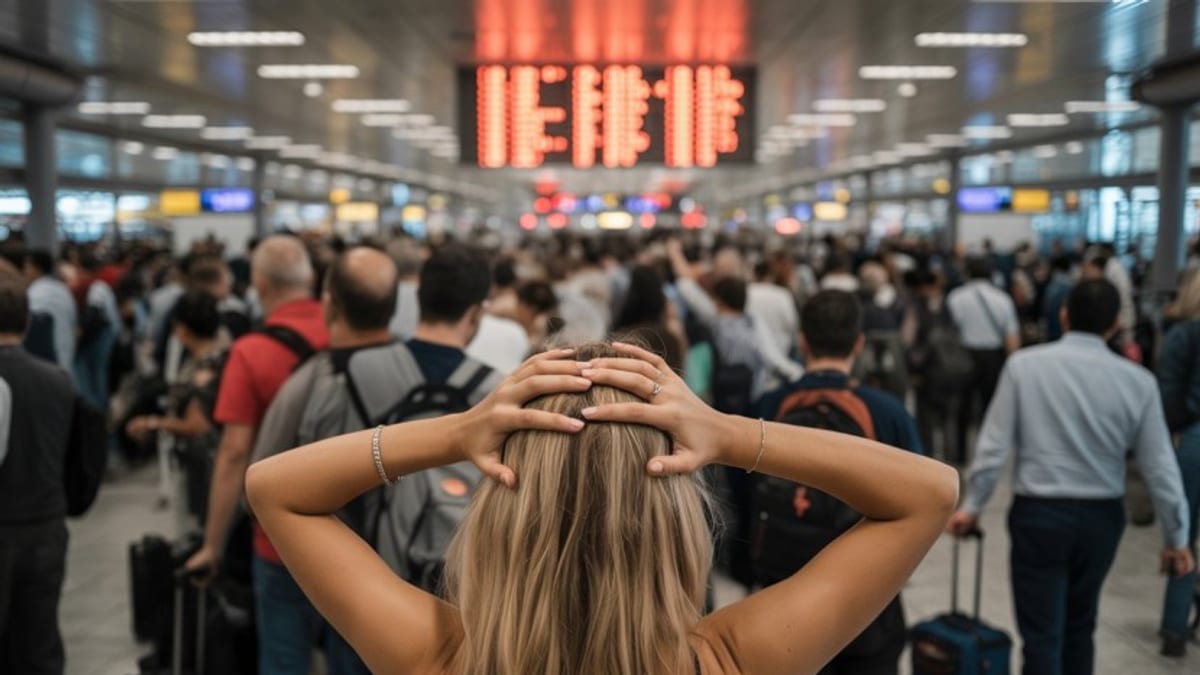
Image by timeskuwait.com
Saudi Hubs Strain Under Surging Rerouted Traffic
Riyadh, Jeddah, and Dammam have become critical pressure points in the current aviation crisis as neighboring states impose partial or full airspace closures, pushing more traffic into Saudi air corridors. Publicly available industry briefings describe Saudi airspace as one of the few major east–west routes that remains broadly open, concentrating long-haul flows over the kingdom and intensifying congestion at its primary hubs.
Flight-tracking data and airline advisories indicate that carriers operating between Europe or North America and South or Southeast Asia are adding extra flying time to skirt restricted zones. Those longer routings have reduced schedule resilience, leaving little margin to recover from operational hiccups and increasing the likelihood of knock-on delays across Saudi arrival and departure banks.
The strain is particularly visible during peak pilgrimage and school holiday periods, when demand for travel to Saudi Arabia is already elevated. With aircraft and crews operating at or near maximum utilization, disruptions elsewhere in the region are quickly cascading into late departures, extended ground holds, and missed connections for passengers transiting Saudi airports.
Reports cited by TTW describe scenes of crowded check-in halls and busy rebooking counters as travelers attempt to adjust plans after last-minute schedule changes. While core airport facilities remain functional, the compressed traffic patterns have amplified pressure on security, immigration, and baggage-handling operations.
Major Carriers Cut, Reroute, and Compress Schedules
Across the region, major Gulf and Asian carriers have implemented sweeping schedule changes in response to the evolving security situation, with Saudi destinations featuring prominently in their advisories. Public documentation from airlines and aviation authorities shows that multiple operators have suspended or curtailed services to several Middle Eastern hubs, while maintaining a reduced but still significant presence in Saudi Arabia.
This patchwork of suspensions, reroutes, and capacity cuts has produced an uneven picture for travelers. Some long-haul services to Riyadh and Jeddah continue to operate near schedule, while others face repeated retimings as airlines adjust flight paths on short notice. In certain cases, carriers appear to be consolidating passengers onto fewer frequencies, resulting in fuller aircraft and limited options for those seeking alternatives when flights run late.
Low-cost and network airlines alike are recalibrating their Saudi operations in real time. Budget carriers serving short- and medium-haul routes into Dammam and Riyadh have issued travel alerts and narrowed their destination lists, while full-service airlines from Europe and Asia are revising connection windows at their home hubs to account for longer sector times over Saudi airspace.
According to industry-focused coverage, this blend of cautious routing and constrained capacity is expected to keep flight schedules fragile through at least the end of March, with the potential for further volatility if regional conditions deteriorate or new restrictions are introduced.
Passengers Face Missed Connections, Stranded Trips, and Rising Costs
For travelers, the operational complexity has translated into personal disruption at scale. Social media posts and traveler forums referenced by TTW recount itineraries unraveling after initial delays departing Europe or Asia led to missed connections in Riyadh or Jeddah, forcing overnight stays or multi-stop reroutings via secondary airports.
Some passengers report repeated pushes of departure times, followed by short-notice cancellations when crews reached duty-time limits or connecting sectors failed to arrive. Others describe arriving in Saudi Arabia to find onward regional flights full for several days, as airlines prioritize stranded customers and operate with constrained aircraft availability.
This uncertainty has driven up last-minute fares on still-operating routes around the Gulf, particularly for journeys linking Saudi Arabia with the United Arab Emirates, Qatar, and Bahrain. Publicly available fare-tracking data and anecdotal accounts suggest steep price spikes on the limited inventory that remains, especially in premium cabins and on flights timed to connect with long-haul services.
Travel insurers and consumer advocates are reminding passengers to review policy language closely, as compensation rules vary widely depending on jurisdiction, point of departure, and whether a disruption is classified as security-related. With many travelers booking complex multi-ticket itineraries involving separate low-cost segments, questions over responsibility for missed onward flights have become more frequent.
Operational Outlook Remains Uncertain as Security Risks Persist
While Saudi airspace remains open and its airports operational, government travel advisories and aviation risk assessments emphasize that conditions can change quickly. Publicly available assessments highlight the possibility of intermittent air traffic restrictions around key Saudi cities in response to missile and drone threats elsewhere in the region, which could trigger further flow-control measures and last-minute airspace reroutings.
Airport authorities and airlines are continuing to refine their contingency plans, including dynamic slot management, expanded use of remote stands, and flexible crew positioning to cope with irregular operations. However, industry briefings note that no amount of planning can fully offset the impact of widespread regional airspace closures on schedule reliability.
Analysts cited across trade and mainstream coverage suggest that airlines may need weeks to restore stable timetables even if tensions ease, given the backlog of displaced passengers, aircraft out of position, and crews nearing regulatory duty limits. For Saudi Arabia’s airports, which sit at the crossroads of many of these flows, that implies a prolonged period of heightened operational stress.
For now, TTW and other travel publications are advising passengers bound for or transiting through Saudi Arabia to build in generous connection times, monitor flight status frequently, and remain prepared for itinerary changes at short notice, as the kingdom’s airports work through an exceptionally turbulent chapter in global aviation.