

More news on this day
European air travel has been hit by a fresh bout of disruption as 79 flights operated by Lufthansa, easyJet and Scandinavian carrier SAS were cancelled across multiple countries, compounding a week of mounting delays and schedule cuts at some of the region’s busiest hubs.
Get the latest news straight to your inbox!
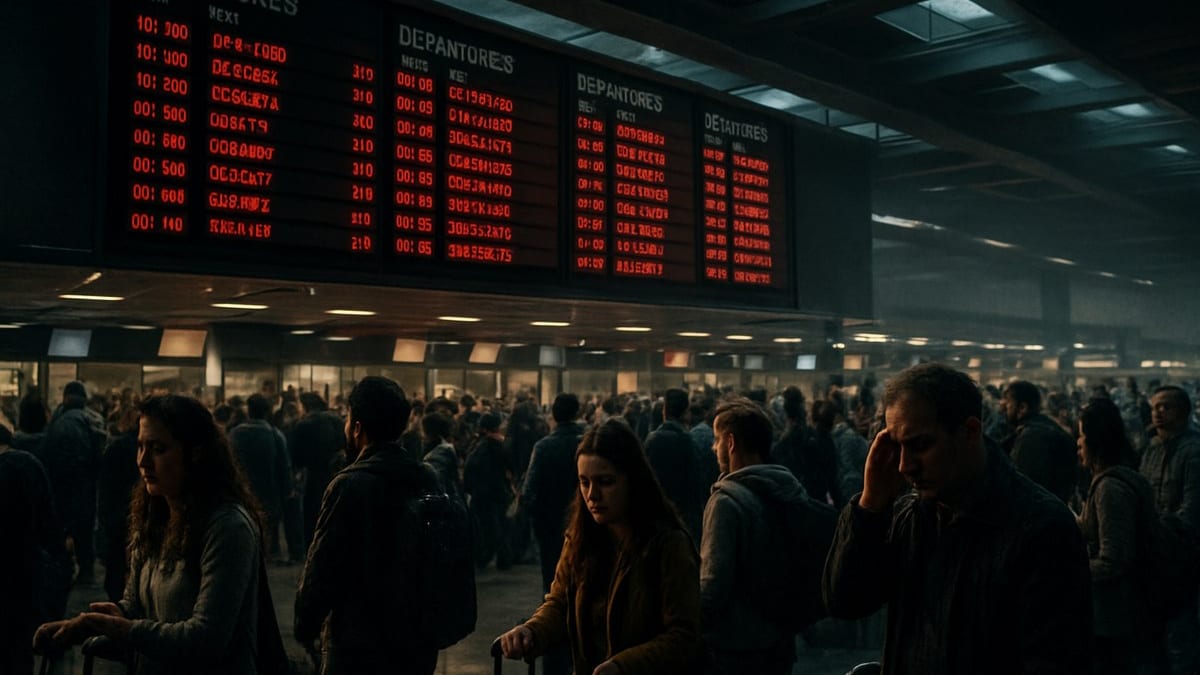
Fresh Cancellations Hit Key European Hubs
The latest wave of cancellations is concentrated at major airports in Germany, France, Italy and the Nordic region, where Lufthansa, easyJet and SAS operate dense short haul networks. Tracking data and published airport statistics indicate that a total of 79 flights from these three carriers have been removed from Friday and weekend schedules, with knock on delays for connecting passengers.
Frankfurt and Munich remain particular flashpoints for Lufthansa, which is still working through the effects of recent crew walkouts and operational bottlenecks. Publicly available information for services into and out of the two hubs on 10 and 11 April shows dozens of rotations scrubbed or retimed, with several of the 79 cancellations linked to aircraft and crew being out of position after earlier strikes.
In France, disruption continues to ripple through Paris, Nice and other major cities following a separate cluster of cancellations and delays earlier in the week. Data compiled from airport boards and industry reports points to Lufthansa and easyJet pulling a series of France bound and intra European flights, including services to Nice and Marseille, as carriers adjust capacity to cope with staff shortages and congested airspace.
Across Scandinavia, SAS has trimmed frequencies on selected regional and European routes, contributing to the overall tally of 79 flights. Schedule changes on services linking Copenhagen, Oslo and Stockholm with continental hubs such as Frankfurt and Amsterdam have created additional complexity for passengers relying on tight connections.
Strikes, Staffing and Skies Under Pressure
The latest cancellations come against a backdrop of overlapping pressures on Europe’s aviation system. In Germany, recent industrial action among cabin crew at parts of the Lufthansa Group has already triggered the cancellation of hundreds of flights in early April, leaving airlines with limited flexibility to recover when fresh issues arise.
Elsewhere, air traffic control staffing constraints and localized strikes continue to affect the predictability of flight plans, particularly in southern Europe. Reports from Italy highlight how recent walkouts among controllers led to extensive disruption at airports in Milan, Rome and Venice, where Lufthansa and easyJet both operate key routes that feed into their broader European networks.
Capacity challenges are being felt in the skies as well as on the ground. Industry analyses show that airlines have rebuilt much of their pre pandemic schedules, but recruitment and training of pilots, crew and ground handlers have not always kept pace. This imbalance is making carriers more vulnerable to cascading delays when even a small number of flights are disrupted by weather, technical inspections or industrial action.
For SAS and other Nordic operators, the strain is particularly evident on high frequency routes where aircraft are scheduled to perform multiple sectors per day. When one leg is cancelled or heavily delayed, it can quickly impact subsequent departures, contributing to the accumulation of disrupted flights across the region.
Passenger Impact Across Short and Medium Haul Routes
The 79 cancelled flights are primarily short and medium haul services, but their impact is being felt well beyond the immediate point to point markets. Many affected sectors serve as feeder flights into long haul departures or onward European connections, meaning missed links and extended travel times for passengers who are still able to travel.
Travellers on Lufthansa face particular challenges at hub airports where banks of arrivals and departures are timed to optimize connections. When a cluster of feeder flights is removed from the schedule, passengers can be left with long waits for the next available option or rebooked via alternative hubs such as Zurich, Vienna or Brussels, adding further pressure to neighboring networks.
easyJet’s point to point model offers fewer through ticket connections, but the airline’s heavy presence at airports like Berlin, Milan and French coastal cities means that entire city pairs can temporarily lose service when flights are withdrawn. This is especially disruptive for leisure travelers who may have planned short weekend breaks or time sensitive events.
For SAS customers, reduced frequencies on key Nordic and intra European routes can mean fewer same day alternatives when a flight is cancelled. Passengers connecting from smaller regional airports may find that the next viable option departs the following day, necessitating overnight stays or significant changes to itineraries.
What the Disruptions Reveal About Europe’s Fragile Recovery
The latest cancellations underline how fragile Europe’s aviation recovery remains in early 2026. While passenger demand has largely rebounded on many routes, the system’s resilience is being tested by the combined effects of industrial disputes, airspace constraints and lingering staffing gaps across airlines and service providers.
Operational performance data released in recent months shows that even large legacy carriers such as Lufthansa and established low cost operators like easyJet are still wrestling with punctuality and reliability challenges. Scandinavian carrier SAS, which has been undergoing restructuring, is similarly balancing efforts to streamline its network with the need to maintain connectivity across its core markets.
Industry observers note that these disruptions can erode passenger confidence at a time when airlines are counting on strong spring and summer demand. Repeated episodes of cancellations and delays may encourage some travelers to build in longer buffers between flights, opt for direct services where possible or consider rail alternatives on shorter cross border routes.
The pattern emerging from this week’s events suggests that while large scale shutdowns are less common than during the peak of the pandemic and immediate recovery phase, localized clusters of cancellations such as the 79 flights pulled by Lufthansa, easyJet and SAS can still cause significant inconvenience and economic loss.
How Travelers Can Respond to Ongoing Volatility
For passengers facing cancellations in the current environment, publicly available guidance from regulators and consumer organizations emphasizes the importance of monitoring flight status closely and acting quickly when schedules change. Airlines typically update digital channels first, so checking apps and airport boards before departing for the terminal can save time and reduce stress.
Under European Union passenger rights rules, many travelers on cancelled flights may be entitled to rerouting, refunds or, in some circumstances, compensation, depending on the cause and notice period of the disruption. However, applying these protections in practice can be complex, particularly when multiple factors such as strikes, weather and air traffic control limitations are involved.
Travel experts recommend that passengers build additional flexibility into itineraries that rely on critical connections, especially when transiting through known congestion points such as Frankfurt, Paris or major Italian hubs. Booking slightly longer layovers, avoiding the last flight of the day where possible and keeping essential items in carry on baggage can help mitigate the impact of unexpected changes.
With further industrial negotiations and infrastructure upgrades still in progress across Europe’s aviation sector, the recent cluster of 79 cancellations affecting Lufthansa, easyJet and SAS serves as another reminder that travelers should remain prepared for short notice disruption during the busy spring and summer travel period.