

More news on this day
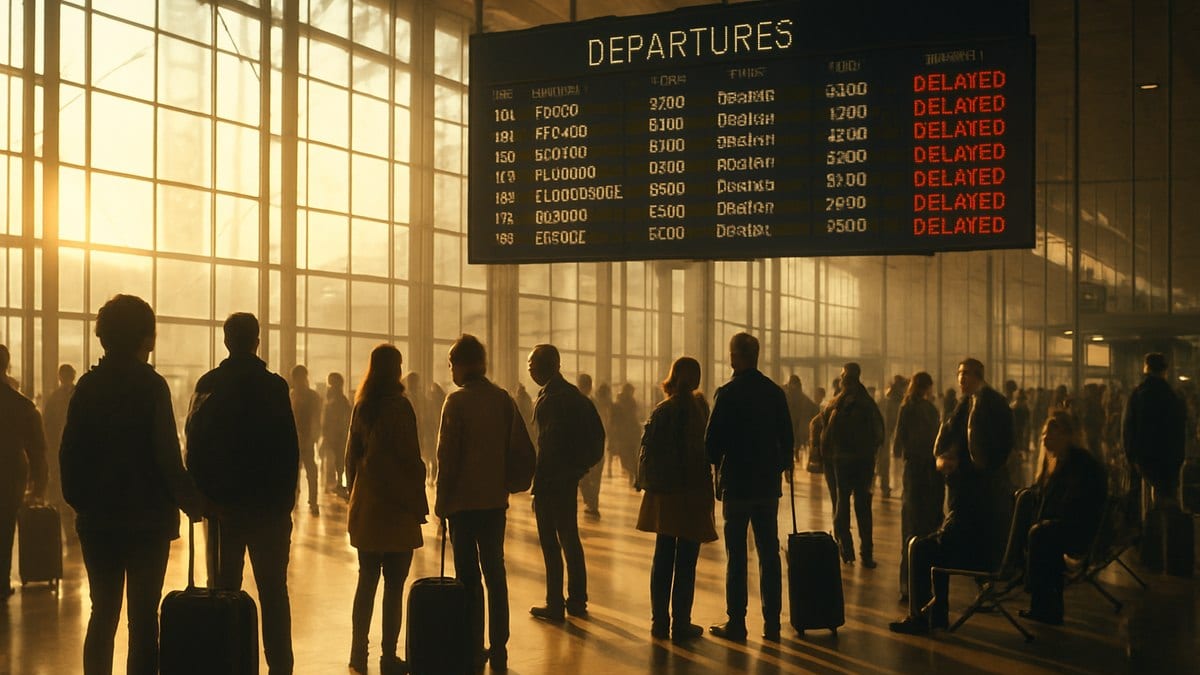
Weekend air travel across the United States was hit with fresh disruption on April 11 as Phoenix Sky Harbor International Airport reported 163 delayed flights and two cancellations, snarling connections at one of the country’s key desert hubs.
Get the latest news straight to your inbox!
Spike in delays ripples across U.S. network
Publicly available flight tracking data for April 11 shows Phoenix Sky Harbor among the more heavily affected U.S. airports, with 163 delayed flights and a small number of cancellations concentrated over several hours. The disruption affected both departures and arrivals, creating rolling knock-on effects for aircraft and crews scheduled to operate onward legs.
Industry dashboards tracking national operations indicate that the Phoenix problems formed part of a broader pattern of irregular operations across the country, with thousands of delayed flights recorded nationwide on the same day. While the overall national picture involved multiple hubs registering higher than usual disruption, Sky Harbor’s tally stood out given its typically solid on-time performance profile.
Comparisons with earlier operational data suggest that the April 11 disruption represented a noticeable departure from the airport’s usual metrics, where a large majority of flights tend to leave within modest delay windows. The imbalance between delays and the relatively low number of cancellations in Phoenix also differed from major winter disruption events earlier in the year, which skewed more heavily toward outright flight cuts at several U.S. hubs.
Published coverage notes that American Airlines, Southwest Airlines and JetBlue were among the carriers most exposed to the Phoenix delays, particularly on key domestic links to Chicago, New York, Los Angeles, Dallas and San Francisco. Many of these routes function as vital connectors in airline networks, amplifying the impact of schedule changes on passengers traveling beyond the immediate Phoenix market.
Operational factors behind the Phoenix bottleneck
Reports compiled from flight tracking platforms and airport status tools point to a mix of operational pressures behind the April 11 disruption at Sky Harbor. Late arriving aircraft, tight crew availability and periods of congestion on departure and arrival flows all appear to have contributed to rolling schedule slippage rather than a single prolonged ground stop.
Federal aviation status pages did not show a sustained, formal ground delay program in effect at Phoenix for much of the afternoon, suggesting that airlines and air traffic managers were instead dealing with a series of shorter-lived constraints. These kinds of intermittent slowdowns can be harder for passengers to interpret, as departure boards may shift in smaller increments even as overall delays accumulate.
Broader industry reporting for the same day highlights that multiple U.S. airports were coping with challenging conditions, including weather and traffic management initiatives in other parts of the network. When big hubs elsewhere reduce arrival rates or experience their own delays, aircraft and crews bound for Phoenix can start the day behind schedule, feeding into a cascade of knock-on disruptions even if local conditions in Arizona remain relatively stable.
Analysts also note that Phoenix’s role as a western connecting point for several major airlines increases its vulnerability to timing shocks. When flights from other regions arrive late, tight turnarounds can quickly unravel, particularly during busy weekend travel periods when aircraft utilization is high and spare capacity is limited.
Impact on passengers and airline operations
The 163 delayed flights recorded at Phoenix Sky Harbor translated into significant inconvenience for travelers attempting to begin vacations, return home or make onward connections. Published accounts describe passengers facing missed links to major hubs, extended waits in terminals and unplanned overnight stays as schedules slipped into the evening.
For airlines, even a single day of elevated delays can produce substantial cost and complexity. Research on previous disruption events at Phoenix has illustrated how dozens of delayed flights can quickly generate six-figure operational impacts when fuel consumption, crew positioning, maintenance windows and customer care expenses are tallied. The April 11 pattern of widespread delays without large numbers of cancellations suggests a focus on keeping aircraft and crews moving, but at the price of longer journey times for many customers.
Airport operations also face strain when significant portions of the schedule run late. Gate occupancy can become compressed as arriving aircraft have fewer open stands, ramp activity intensifies and passenger flows through security, concessions and baggage claim become less predictable. While Sky Harbor has invested in infrastructure and process improvements to handle growth, sudden spikes in delays can still push systems close to capacity.
Observers point out that disruption of this kind has broader competitive implications as well. In an environment where airlines and airports are increasingly ranked and compared on on-time performance, a high-profile day of delays at a major hub can influence traveler perceptions, even if underlying statistics show reliable operations over the longer term.
How travelers can navigate disruption days
Consumer advice emerging from coverage of the Phoenix delays emphasizes preparation and flexibility for anyone traveling through busy hubs during volatile periods. Travel and aviation outlets recommend checking flight status frequently using airline apps and airport tools, as schedules can change several times before departure on disruption-heavy days.
Passengers are also encouraged to understand airline policies on delays and cancellations, including options for free same-day changes, overnight accommodation, meal vouchers and refund rights in cases of significant schedule changes. Many carriers publish detailed guidance in their contracts of carriage and customer service plans, outlining what support is available in specific scenarios.
Travel specialists suggest that, when possible, passengers with critical connections or time-sensitive plans may want to favor earlier departures in the day, leaving more room to rebook if the first segment is delayed. Allowing generous connection windows, particularly when moving through congested hubs, can also provide a buffer when disruptions like those seen in Phoenix ripple through the network.
Finally, observers highlight the value of monitoring conditions not only at departure and arrival airports but also at key hubs feeding into an itinerary. The Phoenix episode on April 11 illustrates how nationwide operational stress can manifest in concentrated pockets of disruption, even where local weather appears benign. Staying informed about national patterns can help travelers anticipate where trouble spots may emerge.
Phoenix delays in the wider national context
The Sky Harbor disruption unfolded against a backdrop of elevated operational strain across U.S. aviation. Industry statistics for April 11 point to several thousand delayed flights and more than one hundred cancellations nationwide, underscoring the extent to which carriers and airports continue to grapple with tight schedules and intermittent weather and traffic challenges.
Reports focusing on Phoenix’s role within this national picture characterize the airport as both a victim of wider network pressures and a significant contributor to passenger disruption totals on the day. While not the single most affected airport in terms of raw numbers, Sky Harbor’s delays carried outsized visibility because of its importance to several large domestic networks and its reputation for relatively strong on-time performance in recent years.
Historical comparisons indicate that Phoenix is no stranger to disruption driven by external factors, from winter storms affecting distant hubs to summer heat and monsoon activity closer to home. However, the April 11 episode stands out for its scale during what would ordinarily be a routine spring weekend, raising fresh questions about how resilient U.S. aviation infrastructure remains to cumulative, multi-airport stress.
As airlines and airports digest the data from April’s irregular operations, analysts will be watching closely to see whether Phoenix’s April 11 delays are treated as an isolated episode or a signal of deeper capacity challenges. For travelers, the takeaway is more immediate: even at airports known for punctuality, a single day can bring extensive travel chaos when conditions across the wider system align in the wrong way.