

More news on this day
European air travel has been hit by a fresh bout of disruption, with 79 flight delays and nine cancellations reported across hubs in Spain, Greece, Germany and Denmark, stranding passengers and stretching already fragile airline operations at the height of the spring travel period.
Get the latest news straight to your inbox!
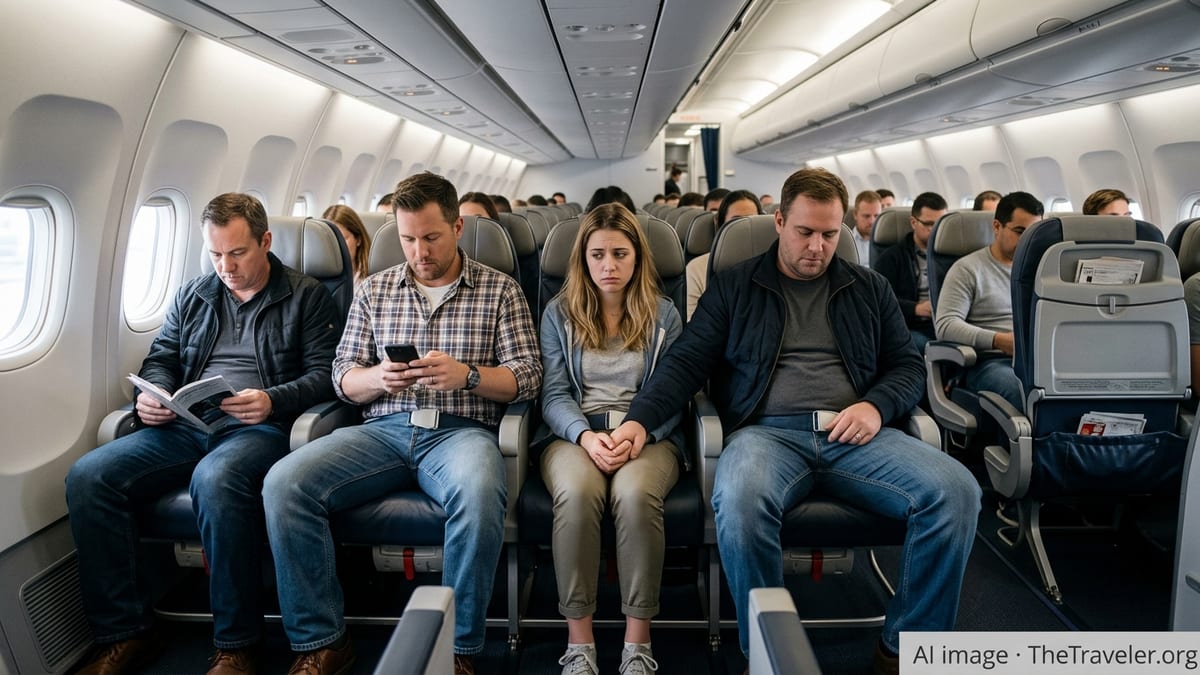
Disruptions Concentrated at Key Holiday and Transit Hubs
Reports from flight tracking platforms and regional aviation coverage indicate that the latest wave of disruption is clustered around major leisure and transit airports, including coastal gateways in Spain, island hubs in Greece and primary connection points in Germany and Denmark. The combined 79 delays and nine cancellations are affecting both short haul and medium haul services, complicating connections for passengers traveling within Europe and onward to long haul routes.
In Spain, congestion at popular departure points serving the Mediterranean and Canary Islands has added to mounting pressure on carriers already navigating busy school holiday schedules. Passengers on intra-European routes operated by easyJet and other low cost airlines have faced extended waits on the ground, missed connections and last minute gate changes, according to publicly available operational data.
Greece, where airports on islands such as Crete and other Aegean destinations are gearing up for peak season, has also seen knock on effects. Data from live departure boards show stretched turnaround times for several carriers, with easyJet and other European airlines experiencing delays on services linking Greek holiday destinations to major cities in Germany, the Nordic region and the United Kingdom.
In Germany and Denmark, the disruption has been felt most acutely at large transfer hubs and Scandinavian gateways. Lufthansa and SAS, both key players in connecting northern and central Europe, have logged a mixture of delayed departures and targeted cancellations as they navigate a tight operating environment that has left little margin for recovery when problems arise.
Major Carriers Under Pressure as Delays Outpace Cancellations
While the headline numbers for this incident include nine outright cancellations, the broader impact has come from the 79 delays that have rippled through airline schedules over several hours. Analysts note that delays often prove more disruptive than cancellations, as late arriving aircraft and crews cascade through subsequent rotations across the day.
Lufthansa, which has been at the center of several recent disruption episodes linked to strike action and staffing constraints, continues to experience punctuality challenges on both domestic German routes and cross border services. Publicly available timetable performance data in recent months has shown the carrier absorbing a significant share of delays at major German hubs, and the latest figures suggest that trend is persisting as travel demand rises.
easyJet, one of Europe’s largest low cost operators, remains highly exposed to congestion at busy holiday airports in Spain and Greece as well as at major Western European hubs. Previous operational reports from large airports have highlighted the airline’s vulnerability to ground handling bottlenecks and air traffic control restrictions, resulting in elevated levels of late departures when conditions tighten.
SAS, which links Scandinavia with southern European destinations, is also part of the current disruption picture, with individual cancellations and a cluster of delays affecting routes between Denmark, Germany and popular leisure airports. Observers point out that even relatively small numbers of delayed sectors can strand travelers in transit if those flights are carrying connecting passengers onward to Greece or Spain.
Knock On Effects for Stranded Passengers Across Four Countries
The immediate consequence of the latest disruptions has been a sharp rise in stranded and severely delayed passengers at airports in Spain, Greece, Germany and Denmark. Travelers have reported long queues at service desks, difficulty securing same day rebooking and uncertainty over hotel and meal support as airlines attempt to manage limited spare capacity during a busy travel window.
In Spain and Greece, delayed departures from island and coastal airports are particularly problematic because of the limited number of late evening alternatives. Once an afternoon or early evening flight falls significantly behind schedule or is cancelled, passengers may be forced to remain overnight, competing for last minute accommodation as local hotels fill with disrupted travelers.
In Germany and Denmark, where airports such as Frankfurt, Munich and Copenhagen act as major transfer points, the cumulative effect of 79 delays has disrupted carefully timed international connections. Passengers arriving late from Mediterranean destinations have missed onward flights to northern Europe and transatlantic services, prompting a wave of rebooking requests and additional pressure on airline call centers and airport staff.
With multiple carriers involved, from network airlines such as Lufthansa and SAS to low cost operators including easyJet, the disruption is being felt across different segments of the market. Families returning from holidays, business travelers and backpackers on multi leg itineraries have all been caught up in the delays, underlining the broad reach of even a relatively contained operational shock.
Underlying Causes Range from Staffing Strains to Congested Airspace
Published aviation coverage across Europe in recent days has consistently pointed to a mix of operational stress factors behind recurring episodes of travel chaos. Airlines and airports are still contending with staffing levels that lag behind robust post pandemic demand, while air traffic control centers in key regions continue to operate under heavy pressure, especially during periods of adverse weather.
Germany in particular has experienced repeated disruption linked to industrial action and crew shortages, impacting Lufthansa and associated carriers at major hubs. While the latest 79 delays and nine cancellations span multiple airlines and countries, they are unfolding against a backdrop of prior mass cancellations in which German airports have played a central role, creating a fragile recovery environment.
Southern Europe and the Mediterranean, including Spain and Greece, are grappling with seasonal surges that magnify the impact of any disruption. When a single early rotation is delayed, tight aircraft and crew schedules leave limited room to recover, leading to rolling delays throughout the day. High utilization models at low cost carriers compound this effect, as aircraft are scheduled on back to back sectors across several countries.
In Denmark and the wider Nordic region, SAS and partner airlines operate dense networks that connect smaller regional airports to larger hubs. Any congestion at Copenhagen or other key Scandinavian gateways can quickly spill over into the broader European network, affecting flights to Germany, Spain and Greek holiday destinations that rely on punctual inbound aircraft and rested crews.
What Travelers Can Do as Disruptions Persist
Consumer advocates and travel experts responding to recent waves of disruption across Europe note that passengers affected by delays and cancellations in Spain, Greece, Germany and Denmark should familiarize themselves with their rights under European air passenger protection rules. Regulation EC 261 sets out entitlements to care, assistance and, in specified circumstances, financial compensation, depending on the length of delay, flight distance and underlying cause.
Travelers currently facing extended waits are advised in public guidance materials to secure written confirmation of the delay or cancellation from their airline, keep receipts for meals and accommodation, and monitor rebooking options via mobile applications or airline self service tools, which can often move faster than crowded airport desks. Many carriers also provide options to reroute passengers via alternative hubs where capacity is available.
Looking ahead, analysts following recent patterns of disruption caution that Europe’s air travel system remains vulnerable to further bouts of chaos as the summer high season approaches. The combination of strong demand, constrained staffing, ongoing industrial disputes and congested airspace suggests that even localized problems can quickly escalate into multi country events that strand passengers across several nations.
For now, travelers planning trips through Spain, Greece, Germany or Denmark are being encouraged in publicly available travel advisories to build additional time into connections, avoid the tightest possible layovers and monitor flight status closely in the 24 hours before departure. The latest cluster of 79 delays and nine cancellations serves as another reminder that Europe’s aviation recovery is still navigating a turbulent path.