

More news on this day
Comfortable travel outfits have become a social media staple, but aviation safety guidance is drawing renewed attention to one popular in-flight clothing choice that could turn a survivable emergency into a life-changing disaster.
Get the latest news straight to your inbox!
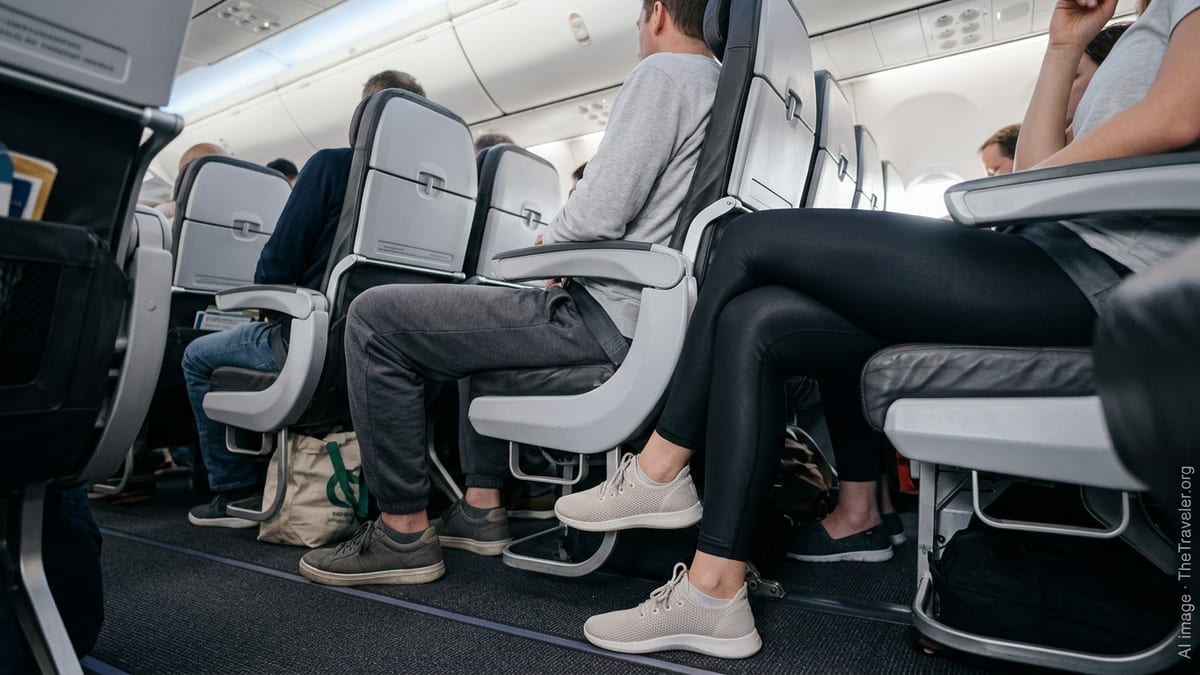
The Viral Plane Outfit Trend Facing New Scrutiny
Leggings, yoga pants and other tight, synthetic athleisure pieces have become the unofficial uniform of modern air travel. Airport terminals are filled with passengers in stretchy polyester or nylon blends, often paired with oversized hoodies and slip-on shoes. The look is practical, packable and widely promoted by influencers as the ultimate long-haul uniform.
Yet publicly available aviation safety guidance paints a far more complicated picture. Materials commonly found in popular travel leggings and activewear can behave unpredictably in extreme heat, particularly during a cabin fire or emergency evacuation. Safety documents note that synthetic fibers such as polyester, nylon and rayon can melt when exposed to high temperatures, fusing to the skin and worsening burn injuries.
This disconnect between viral outfit trends and conservative safety recommendations is prompting renewed discussion about what passengers should really wear at 35,000 feet. While the risk of a serious in-flight fire remains low, experts emphasize that clothing choice can influence how severe injuries become when accidents or evacuations occur.
The emerging message from safety-focused organizations is not about fashion policing but about risk management. The comfort benefits of sleek synthetics are clear, but so are the potential tradeoffs if something goes wrong mid-flight.
Why Synthetic Leggings Can Turn Dangerous in a Fire
Fire safety research conducted for aviation regulators has repeatedly highlighted the behavior of clothing fabrics in intense heat. Testing described in industry publications shows that non fire-treated synthetic materials commonly used in apparel ignite relatively quickly and often continue to burn after the heat source is removed. In some cases, fabrics worn close to the skin have been found to shrink or melt when exposed to high temperatures.
A safety guide for airline passengers notes that synthetics such as polyester, nylon and rayon, especially in fine hosiery or lightweight activewear, may soften and melt when heated. When this occurs during a fire, molten fabric can adhere to the skin, deepening burns and complicating medical treatment. Natural fibers like cotton, wool, denim and leather, while not fireproof, generally char rather than melt and can offer better protection in a brief, high-heat exposure.
For everyday travelers, the implication is that figure-hugging leggings and yoga pants made primarily from synthetic fibers may be one of the least protective options in a worst-case scenario. Their close fit leaves little insulating air between fabric and skin, and their fiber content can contribute to more severe thermal injuries if flames or superheated air are involved.
Air medical and flight crew safety guidance further emphasizes the role of base layers. Specialist organizations advise that synthetic undergarments made of polyester, polypropylene and nylon should be avoided in high-risk aviation environments because they can melt and become embedded in the skin. While passengers are not held to the same standards as professional crews, the underlying physics of fabric behavior apply across the cabin.
The Hidden Risks of Tight Clothing at 35,000 Feet
Fire is not the only concern linked to popular plane outfits. Medical advice for long-haul travel frequently highlights the risk of deep vein thrombosis, a type of blood clot that can develop in the legs during extended periods of sitting. Prolonged immobility, dehydration and certain health conditions all play a role, but clothing can also influence circulation.
Health organizations and travel medicine specialists generally recommend either loose, unrestricted clothing or dedicated medical-grade compression garments used correctly. Very tight, non-medical leggings or shapewear that constrict at the waist, thighs or calves can potentially increase discomfort and discourage movement during flight, both of which work against clot-prevention strategies.
Passenger guidance often endorses a combination of properly fitted compression socks and looser trousers rather than stacking multiple tight layers on the legs. The goal is to support venous return without creating pressure points or restricting blood flow. In contrast, fashion-focused outfits that rely on snug, high-compression athleisure from waist to ankle may prioritize silhouette over circulation.
For many travelers, the convenience of wearing the same leggings to the gate, onto the aircraft and straight into a workout or city exploration is part of the appeal. Medical and safety considerations suggest a more nuanced approach: garments designed for athletic performance on the ground may not be ideal when movement is constrained for hours in a pressurized cabin.
What Safety Guidance Suggests Passengers Wear Instead
A number of passenger safety resources converge on a similar set of recommendations for travel clothing. They advise choosing garments made primarily from natural fibers such as cotton, wool, denim and leather, which generally provide better resistance to heat and do not melt into the skin. Long trousers and long sleeves are often encouraged to protect more of the body from potential abrasions, hot surfaces or spilled liquids during an evacuation.
Roomy, breathable clothing that allows for easy movement down narrow aisles and over seat rows is also a recurring theme in safety literature. Fabrics that are neither overly tight nor dangerously loose help minimize snagging on armrests, seatbelts or exposed hardware if passengers need to exit quickly. Lightweight layers are recommended so travelers can adapt to varying cabin temperatures without resorting to restrictive outerwear.
Footwear guidance aligns with this practical mindset. Enclosed, low-heeled shoes made of leather or sturdy fabric are widely preferred over sandals, high heels or flimsy slides, which may need to be removed before using an evacuation slide. Being able to walk quickly across debris, hot tarmac or wet surfaces is a core consideration, and footwear that stays securely on the foot is seen as critical.
For those concerned about circulation, travel health information typically supports the use of properly sized compression socks, especially on longer flights, combined with regular in-seat exercises and brief walks when safe to do so. Pairing these socks with looser trousers or joggers rather than tight leggings can help balance comfort, style and medical prudence.
Balancing Comfort, Style and Safety in the Air
The growing disconnect between influencer-endorsed “airport looks” and conservative aviation safety advice leaves many passengers unsure of what matters most. In practical terms, the risk of being caught in a severe in-flight fire is low, and most journeys pass without incident. For many travelers, that reality helps justify prioritizing comfort and aesthetics over rare worst-case scenarios.
Safety specialists counter that clothing choices are one of the few variables passengers can control before boarding. In the unlikely event of an accident or rapid evacuation, decisions made at the closet or suitcase stage can influence injury patterns in ways that cannot be changed at altitude. Even small shifts, such as swapping synthetic leggings for cotton joggers or trading open-toed sandals for lace-up sneakers, can tip the balance toward better protection.
Ultimately, the emerging consensus from publicly available research and guidance is not that leggings or yoga pants should be banned from cabins, but that travelers should understand their limitations. Choosing natural fibers where possible, avoiding extremely tight synthetic garments against the skin and ensuring shoes and layers are evacuation-ready all form part of a more informed approach.
As air travel continues to rebound and social media keeps celebrating curated airport style, the discussion around what to wear in the sky is likely to intensify. Passengers weighing their next plane outfit may find that a slightly less streamlined look offers a meaningful safety margin if their flight does not go entirely to plan.