

Georgia welcomes millions of visitors each year with its mix of big-city energy, coastal marshes, mountain towns, and small Southern cities. For most travelers, trips are trouble-free, but understanding local safety issues will help you make smarter decisions, whether you are exploring downtown Atlanta, driving across the state, or vacationing on the coast during hurricane season. This guide offers a practical, up-to-date look at what visitors should know about travel safety in Georgia, from crime and road conditions to weather, health, and emergency preparedness.
Overall Safety Picture in Georgia
Georgia is generally considered a safe state for visitors, with most trips focused on well-traveled destinations such as Atlanta, Savannah, Augusta, Athens, the Golden Isles, and the North Georgia mountains. Tourism is a major part of the economy, and local authorities and businesses have strong incentives to keep visitor areas welcoming and secure. That said, Georgia has pockets of higher crime, heavy traffic corridors, and weather-related risks, so it pays to stay informed and prepared.
Crime patterns vary widely between urban centers, suburbs, and rural communities. In major cities, property crime such as car break-ins and theft from vehicles is more common than violent crime for visitors, especially around busy commercial districts, attractions, and large events. Smaller cities and resort areas typically report lower crime but still advise basic precautions such as locking vehicles and being aware of surroundings at night.
State and local agencies in Georgia place strong emphasis on traffic safety and emergency preparedness, particularly around holiday travel periods and hurricane season. Recent public safety campaigns from the Georgia Department of Public Safety have highlighted speeding, impaired driving, and distracted driving as leading causes of serious crashes, reflecting risks that travelers can directly control by driving conservatively and planning routes ahead of time.
For most travelers who stick to established visitor districts, use reputable transportation, secure their belongings, and remain situationally aware, Georgia offers a relatively low-risk environment. Thinking of safety as a normal part of trip planning, rather than a reason to avoid travel, will help you enjoy the state with confidence.
Staying Safe in Atlanta and Other Cities
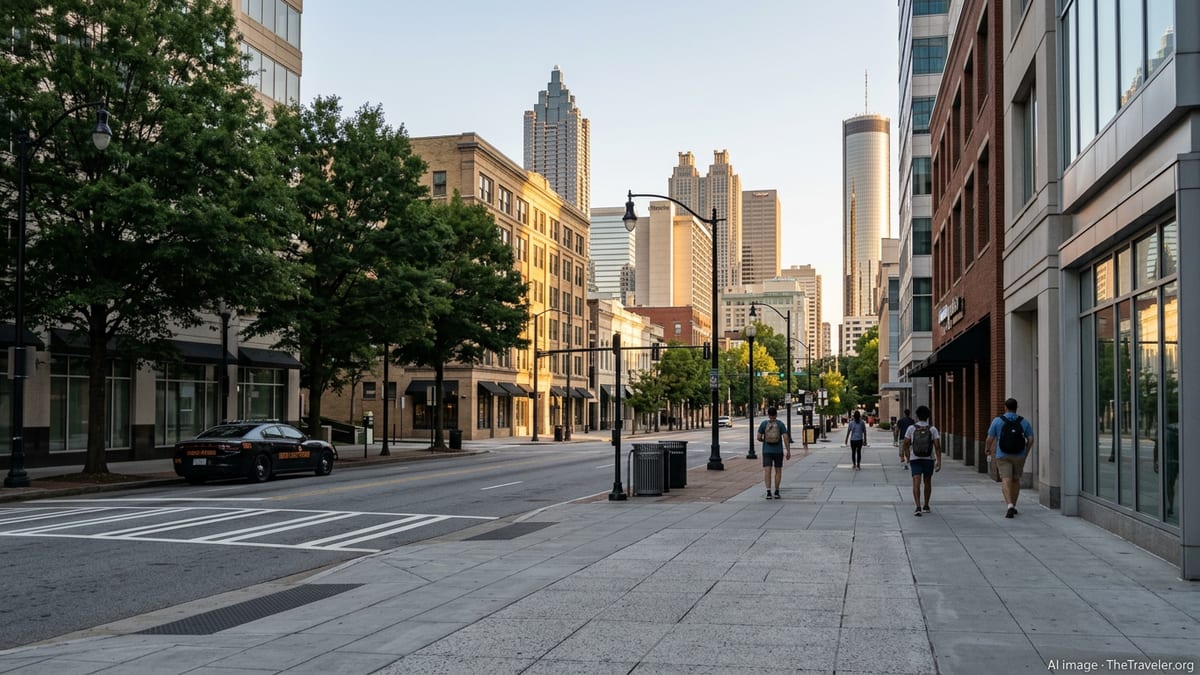
Atlanta is Georgia’s primary gateway and the state’s most complex urban environment from a safety standpoint. Visitors typically spend time in areas such as Downtown, Midtown, Buckhead, the BeltLine corridor, and nearby intown neighborhoods. These districts see consistent police presence and heavy foot traffic, especially around major attractions like the Georgia Aquarium, World of Coca-Cola, and professional sports venues, which helps deter serious crime during the day and evening hours.
For travelers, the most common issues in Atlanta involve car-related crime and opportunistic theft. Parking decks and surface lots near attractions and nightlife areas can be targets for break-ins, particularly when valuables are left visible. Local advice is simple but effective: avoid leaving anything in your vehicle, especially luggage, backpacks, shopping bags, or electronics, and always lock doors and close windows. Choosing well-lit, busy parking areas close to your destination further reduces risk.
Like many large U.S. cities, Atlanta has neighborhoods with higher violent crime rates, often away from typical tourist paths. Visitors do not need to memorize local boundaries, but they should pay attention to their environment, especially at night. Favor main streets and well-traveled sidewalks, avoid isolated areas of parks or trails after dark, and trust your instincts if a situation feels uncomfortable. Using official rideshare pickup points, licensed taxis, or hotel-arranged transportation is advisable late at night.
Other Georgia cities, including Savannah, Augusta, Columbus, Macon, and Athens, share similar patterns: historic or entertainment districts with strong patrols and visitor infrastructure alongside residential areas with more variable conditions. In Savannah, for example, the historic district, riverfront, and Forsyth Park area are heavily visited and generally feel comfortable, though visitors should still mind belongings and be cautious around late-night bar scenes. In any city, asking hotel staff about streets to avoid after dark and preferred routes back to your accommodations is a practical way to tailor safety choices to local realities.
Road Safety, Driving Conditions, and Holiday Travel
Many visitors experience Georgia primarily from behind the wheel, whether driving the busy interstates around Atlanta or exploring coastal and mountain highways. Road safety is a central concern for state authorities, and recent holiday weekends have seen hundreds of crashes and multiple fatalities statewide. Law enforcement reports consistently link serious crashes to speeding, impaired driving, and failure to obey traffic laws, underscoring the importance of cautious, defensive driving.
Interstates such as I-75, I-85, I-20, and the Perimeter (I-285) around Atlanta can be congested, especially during rush hours, holiday periods, and major events. Aggressive lane changes, high speeds, and tailgating are not uncommon. Visitors unfamiliar with local traffic patterns may feel pressured to keep pace, but the safest approach is to maintain moderate speeds, use the right or middle lanes when possible, and plan extra time for urban driving. Using navigation apps to anticipate exits and lane changes reduces sudden maneuvers that can cause collisions.
Outside metropolitan areas, Georgia’s rural highways and two-lane roads introduce different risks, including higher-speed head-on collisions, wildlife crossings, and limited lighting at night. Long stretches between services are common in parts of South and Southwest Georgia. Travelers should keep fuel levels above a quarter tank, avoid driving fatigued, and watch for slow-moving farm equipment, particularly during planting and harvest seasons.
Holiday and vacation travel periods such as Memorial Day, Independence Day, Labor Day, and major college football weekends see increased enforcement from the Georgia State Patrol. This means more sobriety checkpoints and speed enforcement, but it also provides a stronger safety net for drivers in distress. If you need help on the road, dialing 911 connects you to local emergency services; in many areas, motorists can also reach state patrol through posted roadway numbers. Wearing seat belts at all times, securing children in appropriate restraints, and never driving after drinking remain the most effective ways for visitors to avoid serious incidents.
Weather Hazards, Hurricanes, and Coastal Risks
Georgia’s climate is generally mild, but the state faces significant weather-related risks that travelers should take seriously. Along the coast, the main concerns are hurricanes and tropical storms that can bring damaging winds, flooding rain, and storm surge. Hurricane season runs from June 1 through November 30, with the most active months typically late summer and early fall. Recent storms have led to widespread damage, debris, and prolonged power outages across coastal counties.
State and local agencies treat coastal evacuation as a high priority. The Georgia Department of Transportation and the state’s emergency management agency publish guidance on evacuation routes, travel conditions, and road closures when storms threaten. Causeways to barrier islands and low-lying marsh roads can become impassable quickly during heavy rain and surge, so “waiting to see” is not a safe strategy. Visitors staying on the coast should monitor local news and weather, follow evacuation orders promptly, and move inland well before conditions deteriorate.
Georgia health officials maintain a hurricane registry for coastal residents with significant mobility or medical challenges who lack personal evacuation support. While this program is aimed at residents rather than short-term visitors, it illustrates the seriousness with which state agencies approach storm safety. Travelers with disabilities or chronic medical needs should factor evacuation logistics into their choice of lodging, considering ground-floor or elevator access, backup power, and proximity to medical facilities when visiting during hurricane season.
Inland, visitors may encounter severe thunderstorms, flash flooding, and occasional tornadoes, especially during spring and summer. Heavy downpours can quickly create hazardous driving conditions on interstates and back roads. If you are caught in torrential rain, slowing down significantly, increasing following distance, and avoiding flooded roadways are essential steps. Never attempt to drive through standing water on unfamiliar roads, as washouts and deep ditches may be hidden beneath the surface.
Health, Outdoor Safety, and Seasonal Concerns
Health-related risks in Georgia are similar to those in other southeastern states and rarely deter visitors, but thoughtful preparation will make your trip more comfortable and safer. Summers are hot and humid across most of the state, with high heat indexes that can lead to dehydration, heat exhaustion, or heat stroke, especially for travelers not accustomed to the climate. Wearing light, breathable clothing, drinking water regularly, and taking breaks in air-conditioned spaces are simple but important precautions, particularly when walking through cities like Atlanta or Savannah.
Georgia’s outdoor attractions, from mountain trails to coastal marshes, offer rich experiences along with predictable natural hazards. Mosquitoes and ticks are present in wooded and grassy areas, and a small number of them may carry illnesses. Travelers can reduce exposure by using insect repellent, wearing long sleeves and pants in brushy environments, and checking for ticks after hikes. In coastal waters and tidal creeks, paying attention to currents, posted warnings, and local advice helps visitors avoid rip tides or unsafe swimming conditions.
Seasonal pollen levels are another factor for sensitive travelers. Spring and early summer can bring very high pollen counts, especially from pine and other trees, which may aggravate asthma or allergies. Visitors with respiratory conditions should pack necessary medications and consider checking local air quality and pollen forecasts when planning outdoor activities. Urban pollution levels in Georgia’s largest cities can also rise during hot, stagnant weather, so pacing physical exertion on high-index days is prudent.
Medical care in Georgia is widely available in major metropolitan areas, regional centers, and many smaller cities. However, access in remote rural areas and on barrier islands may be more limited. Travelers with complex health needs should map the nearest hospitals and urgent care clinics to their destinations and confirm that their health insurance covers out-of-network or out-of-state care. Carrying a basic travel health kit with personal medications, over-the-counter remedies, and key medical documents can help manage minor issues without unnecessary stress.
Personal Security, Lodging, and Nightlife
Personal security for visitors in Georgia tends to revolve around the same core behaviors that work in any large U.S. state: staying aware, avoiding high-risk situations, and keeping valuables secure. Hotels in established districts of Atlanta, Savannah, and other major destinations usually have good security practices, including staffed front desks, surveillance cameras, and controlled access to guest floors. Choosing well-reviewed properties in central areas reduces the likelihood of encountering poorly lit surroundings or persistent loitering near entrances.
At any accommodation, it is wise to use interior locks, store passports and major valuables in room safes when available, and avoid propping doors open. When returning to your lodging late at night, especially in urban areas, consider using a rideshare or taxi rather than walking long distances through quiet streets. If a parking area feels isolated or poorly lit, ask staff about alternatives or escorts, particularly if you are carrying luggage or equipment.
Georgia’s nightlife can be vibrant, from rooftop bars in Midtown Atlanta to live music venues in Athens and historic pubs in Savannah. These environments are usually safe for visitors who follow basic precautions. Keep drinks in sight, avoid accepting beverages from strangers, and plan your transportation home before you start the evening. Groups are generally safer than solo outings in unfamiliar districts, and designating a sober member to manage rides and navigation further reduces risk.
Petty scams aimed at tourists are relatively uncommon in Georgia compared with major global tourist hubs, but travelers should still be skeptical of unsolicited “help” with transportation or financial transactions. Use official ticket offices, recognized tour companies, and established rental counters whenever possible. When in doubt, seek advice from hotel concierges or visitor centers, who are familiar with legitimate local operators and current issues.
Using Public Transport and Rideshares
Public transportation options in Georgia vary by region, with the most extensive network around Atlanta. The Metropolitan Atlanta Rapid Transit Authority operates rail lines and buses that serve many key visitor destinations, including downtown, Midtown, and the airport. Stations and trains see regular use by commuters and travelers, and daytime travel is generally straightforward. As in other cities, travelers should keep bags close, avoid displaying large amounts of cash, and remain attentive to their surroundings, especially during off-peak hours.
Outside the capital region, many Georgia cities rely primarily on buses and limited local services. Schedules may be less frequent in evenings and on weekends, so visitors should confirm return options before venturing far from their accommodations by bus. When using public transit in unfamiliar neighborhoods, staying on main routes and planning transfers in advance helps minimize the need to linger at isolated stops.
Rideshare services such as app-based car hires are widely used in Georgia’s larger cities and popular tourist towns. These services provide a flexible alternative to driving, particularly when nightlife, tight parking, or complex one-way street grids are concerns. Safety practices include confirming the vehicle’s license plate and driver details in the app before getting in, sitting in the back seat, and sharing trip details with a trusted contact when traveling alone or late at night.
Traditional taxis and hotel shuttles also play a role in moving visitors safely, especially between airports, major hotels, and convention centers. Official taxi stands at airports and major hotels are the best places to secure licensed vehicles, and travelers should avoid unmarked cars offering rides. In smaller towns and rural areas without robust rideshare coverage, arranging transportation through accommodations or local operators in advance can help prevent last-minute scrambling or unsafe hitchhiking attempts.
The Takeaway
Traveling in Georgia is, for most visitors, a safe and rewarding experience filled with cultural attractions, coastal landscapes, and welcoming communities. Understanding the state’s main risks, from urban property crime and heavy traffic to hurricanes and summer heat, allows you to make informed choices without sacrificing the spontaneity and pleasure of exploration. By blending common-sense personal security habits with attention to local advisories, you can navigate both big cities and small towns with confidence.
Before your trip, take time to review weather forecasts for your destination, especially along the coast during hurricane season, and map out your driving routes with realistic travel times. On the ground, secure your vehicle and belongings, favor busy and well-lit areas, and follow the lead of locals in responding to storms, road closures, or unusual events. When questions arise, hotel staff, visitor centers, and local authorities are valuable resources who can provide up-to-date guidance tailored to your specific plans.
Safety in Georgia, as in any destination, is a shared responsibility. State and local agencies work year-round on road enforcement, emergency planning, and public health, but travelers play a key role by following laws, respecting warnings, and planning ahead. With modest preparation and a mindful approach, you can focus on what brings people back to Georgia again and again: its cities, coastlines, music, food, and the easygoing hospitality that defines the Peach State.
FAQ
Q1. Is Georgia generally safe for tourists?
Yes. Most visitors to Georgia experience a safe trip, especially when staying in established visitor areas, securing valuables, and following normal urban safety precautions.
Q2. Which areas in Georgia should travelers be most cautious about?
Travelers should be most cautious in certain urban neighborhoods with higher crime rates, isolated areas late at night, and anywhere parking lots or vehicles are left unattended with valuables inside.
Q3. Is downtown Atlanta safe to walk around?
Downtown Atlanta is busy and well-patrolled during the day and early evening. At night, it is wise to stay on main streets, avoid isolated blocks, and consider rideshares for longer walks.
Q4. How safe is it to drive in Georgia?
Driving is the main way to get around, but high speeds, congestion around Atlanta, and rural two-lane roads require defensive driving, obeying limits, and avoiding distractions or impairment.
Q5. What should I know about hurricane season on the Georgia coast?
Hurricane season runs from June through November. Visitors should monitor forecasts closely, follow local instructions, and evacuate early if ordered, especially from barrier islands and low-lying areas.
Q6. Are public transportation and rideshares safe in Georgia?
Public transit and rideshares are widely used and generally safe. Confirm vehicle details, keep belongings close, and be more cautious when traveling alone at night or in unfamiliar districts.
Q7. What health risks should I consider when visiting Georgia?
Key considerations include heat and humidity in warmer months, seasonal pollen, insect bites outdoors, and ensuring you have access to needed medications and nearby medical facilities.
Q8. Is it safe to explore Georgia’s rural areas and small towns?
Yes. Rural communities and small towns are typically quiet and welcoming. Plan fuel stops, avoid driving fatigued or very late on dark roads, and be prepared for limited services in remote areas.
Q9. How can solo travelers stay safe in Georgia?
Solo visitors should share itineraries with someone at home, stay in central, well-reviewed accommodations, avoid excessive alcohol, and rely on reputable transportation, especially after dark.
Q10. What should I do in an emergency while traveling in Georgia?
Call 911 for police, fire, or medical emergencies. Contact your hotel, tour operator, or rental company for additional support, and follow instructions from local authorities during severe weather or other incidents.