

Hawaii is one of the world’s dream destinations, and for most visitors, trips to the islands are trouble free. Still, this is a remote Pacific state with powerful oceans, active volcanoes, recovering wildfire zones, and unique cultural expectations. Understanding the real risks and how to manage them will help you travel confidently, respect local communities, and avoid preventable emergencies during your island escape.
Understanding Today’s Safety Landscape in Hawaii
Hawaii consistently ranks as one of the safer states in the United States in terms of violent crime, and incidents involving visitors are relatively rare compared with the total number of arrivals each year. For most travelers, the greatest risks are not crime but natural hazards such as strong surf, rip currents, steep trails, volcanic air pollution, and tropical sun exposure. Treating Hawaii as a serious outdoor destination, rather than just a beach resort, is the first step toward staying safe.
Visitor numbers have rebounded strongly in recent years, and local agencies have updated many safety programs in response. The Hawaii Tourism Authority, county governments, lifeguard services, and park agencies now emphasize visitor education as a primary tool for preventing accidents. You will see more safety signage at beaches and trailheads, expanded warning messaging in rental cars and hotels, and campaigns encouraging visitors to “know before you go” and to travel mindfully.
At the same time, the islands are recovering from the devastating 2023 Maui wildfires and adapting to ongoing volcanic activity on Hawaii Island. Some areas remain off limits or subject to special rules for health, safety, and cultural reasons. Travelers should understand that conditions can change quickly, from temporary road closures to new park restrictions, especially around active lava and burn zones. Checking official local updates shortly before and during your trip is essential.
Hawaii’s small size and limited infrastructure also mean that individual emergencies can put pressure on local resources. Helicopter rescues on popular hikes, near-shore drownings, and medical calls at crowded viewpoints are not uncommon. By choosing activities suited to your skills and fitness, and by respecting closures and posted warnings, you help protect both yourself and the communities hosting you.
Ocean Safety: The Most Important Topic for Visitors
For many travelers, the ocean is the main reason to visit Hawaii, yet it is also where the most serious accidents occur. Drowning is a leading cause of visitor fatalities, particularly among people who are inexperienced in ocean conditions or overestimate their swimming ability. Hawaiian waters can look calm from shore while hiding strong currents, shorebreak waves, and sudden depth changes just a few steps from the beach.
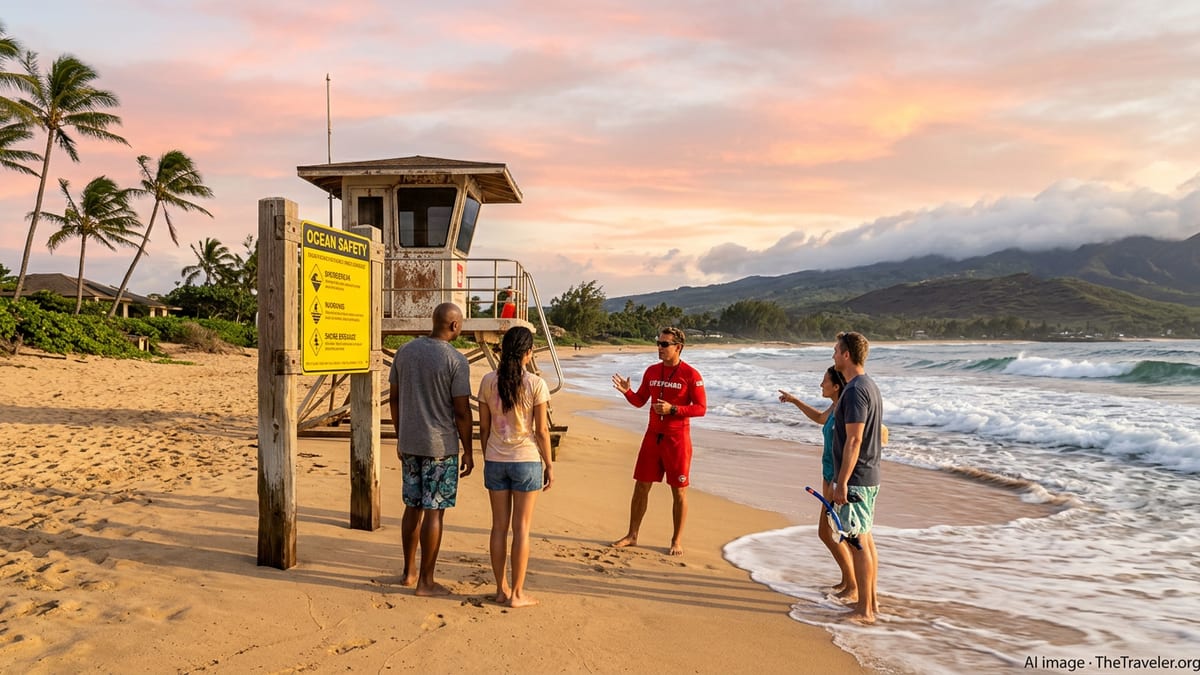
Lifeguards repeatedly stress one simple rule: when in doubt, do not go out. Swim at lifeguarded beaches whenever possible, and talk to the lifeguards before entering the water. They understand that many visitors are unfamiliar with the local hazards at each site and can explain where rip currents form, which areas to avoid, and whether conditions are suitable for your skill level on that particular day. If there is no lifeguard on duty, be significantly more cautious and consider limiting yourself to shallow wading.
Currents, waves, and shorebreak can change within minutes with incoming swells or shifting winds. Injuries often happen when people turn their backs to the ocean for photos, stand too close to wet rocks, or underestimate the power of a single unexpected wave. Avoid walking out onto black lava rocks or coastal ledges where waves can crash without warning, and never climb over railings or ignore “No Access” or “High Surf” signs for a better viewpoint.
Snorkeling is another area where visitors may underestimate risks. Even in seemingly calm bays, swimmers can become fatigued, disoriented, or anxious, especially when using unfamiliar equipment. Choose locations that match your comfort level, stay close to shore, and never snorkel alone. Many recent safety campaigns in Hawaii emphasize the importance of using high-visibility flotation devices, like snorkeling vests or pool noodles, particularly for older travelers or anyone with limited swimming experience.
Sharks, Marine Life, and Staying Smart in the Sea
Shark incidents in Hawaii receive intense media attention, but they remain rare relative to the number of people who enter the water each year. Local research indicates that a small number of bites occur annually across all the islands, with tiger sharks responsible for many of the more serious cases. Rather than avoiding the ocean entirely, visitors are encouraged to follow a set of practical precautions that significantly reduce already low risks.
Safety guidance generally advises against swimming or surfing at dawn, dusk, or at night, when visibility is lower and some shark species are more active. You should also avoid murky water, river mouths following heavy rain, and areas where fish are being cleaned or bait is present. In some years, scientists note a seasonal uptick in shark incidents during late summer and fall, coinciding with tiger shark behavior offshore. For casual swimmers and snorkelers, this mainly reinforces the value of staying in clear, shallow water at guarded beaches and following lifeguard advice.
Hawaii’s marine life includes many other creatures that can cause injury if disturbed. Coral cuts can easily become infected, sea urchin spines can lodge deeply in feet, and a few species of jellyfish and other stinging invertebrates appear inshore on predictable moon cycles. Local news outlets and park agencies often publicize “box jellyfish days” on Oahu’s south shore and elsewhere. Hotels and lifeguard stands may post notices when conditions are unfavorable for swimming, and visitors are wise to heed those warnings.
Simple habits make a big difference: wear protective water shoes on rocky entries, never touch turtles, monk seals, or coral, and give all marine animals plenty of space. Federal and state laws protect many species in Hawaii, and harassing them can lead not only to bites or strikes but also to significant fines. Keeping your distance is both safer and more respectful.
Beaches, Hiking Trails, and Natural Hazards on Land
Hawaii’s landscapes invite exploration, from waterfall hikes to coastal cliff walks and rainforest ridges. Yet these same environments present serious hazards, particularly for visitors who may not be accustomed to tropical terrain or who underestimate their difficulty. Falls from cliffs, flash floods in narrow valleys, heat exhaustion, and getting lost on unmarked trails are among the most frequent issues that require search and rescue responses.
Many of Hawaii’s most photogenic viewpoints sit at the edge of steep drop-offs or unstable ground. Park and trail managers install railings, fencing, and clear signs in the highest-risk areas, but social media has encouraged some travelers to climb beyond barriers or seek out unofficial “secret” spots. Doing so can put you on eroding slopes, crumbly volcanic rock, or muddy ledges that can give way without warning. Staying on official, designated trails and within signed viewpoints is one of the most effective ways to prevent accidents.
Weather is another important factor. Tropical downpours can transform a gentle stream into a hazardous torrent within minutes, especially in narrow gulches. Hikers have been swept away while crossing streams or lingering at the base of waterfalls during sudden surges. If clouds are building upstream, if rain is forecast, or if the water begins to change color or rise, leave immediately and move to higher ground. Avoid hiking into slot canyons or deep valleys when heavy rain is expected anywhere in the watershed.
Heat, humidity, and sun exposure can also catch visitors off guard, even on cloudy days. Trails that appear short on a map may climb steeply, with little shade and reflective lava or dry grass amplifying the heat. Start early in the morning, carry more water than you think you need, wear sun protection, and be honest about your fitness level. If you feel dizzy, nauseated, or unusually fatigued, it is safer to turn around than to push on for a view or a summit.
Volcanoes, VOG, and Wildfire Recovery Zones
Volcanoes are central to Hawaii’s identity and one of its most dramatic attractions. On Hawaii Island, Kilauea has continued cycles of activity in recent years, with notable eruptions sending lava fountains high above the summit and drawing visitors to Hawaiʻi Volcanoes National Park. While most viewing is carefully managed within established overlooks, volcanic landscapes still present distinct hazards, including unstable new rock, hidden cracks, high heat, and airborne gases.
Local emergency and health agencies highlight volcanic smog, or vog, as a primary concern when eruptions or strong emissions are underway. Vog is a haze of sulfur dioxide and fine particles that can travel downwind from Kilauea and Mauna Loa to other islands. Sensitive groups, including people with asthma, heart or lung disease, older adults, and young children, may experience respiratory irritation or worsening symptoms during vog episodes. Travelers in these categories should monitor local air quality information, limit strenuous outdoor activity when conditions are poor, and keep appropriate medications close at hand.
At ground level, visitors must strictly obey closures around active vents, lava flows, and unstable craters. Park rangers and scientists continually monitor the terrain, and areas can open or close quickly in response to shifting conditions. Entering closed zones, walking onto new lava without guidance, or venturing close to cliff edges and cracks is both illegal and extremely dangerous. Rockfalls, collapses, and sudden gas bursts have caused serious injuries and fatalities in the past.
Wildfire is another evolving hazard in Hawaii. The catastrophic Lahaina fire of August 2023 was a stark reminder that the islands are vulnerable to fast-moving blazes driven by dry vegetation and strong winds. As of early 2026, recovery in West Maui continues, and parts of Lahaina remain restricted for health, safety, and cultural reasons. Even where visitors are now allowed, local leaders ask for quiet respect: avoid disaster sightseeing, do not fly drones over affected neighborhoods, and follow all posted instructions. When you travel near burn zones on any island, be aware of potential dust, unstable ground, and heavy reconstruction traffic.
Crime, Personal Security, and Respectful Conduct
Compared with many mainland destinations, Hawaii’s overall crime rates are moderate, and violent incidents involving tourists are relatively uncommon. Petty crime, especially theft from unattended vehicles, is the main concern in popular visitor areas. Rental cars left with valuables visible inside are an easy target in parking lots near beaches, trailheads, and scenic overlooks.
Basic precautions go a long way. Do not leave bags, electronics, or passports in your car, even for a short stop. If you must store items, keep them out of sight in the trunk before you arrive at your destination rather than in the parking lot. Lock your vehicle and choose well-used, visible parking areas when possible. At your accommodation, use in-room safes for documents and keep balcony doors secured when you are away.
At night, treat Hawaii as you would any unfamiliar city or town. Stick to well-lit streets, be cautious with excessive alcohol use, and avoid confrontational situations. Party zones in Waikiki and other resort areas are usually safe but can see occasional incidents, particularly late at night. Traveling with companions, watching your drinks, and having a clear plan to return to your hotel are simple ways to reduce risk.
Respectful behavior is also a form of safety. Many high-tension situations arise when visitors trespass on private property to reach waterfalls or viewpoints, ignore kapu (forbidden) signs at sacred sites, or fly drones near homes and cultural locations. Listening when locals or landowners ask you not to enter an area is as important as following official government rules. It protects both you and the community from conflict or escalation.
Health, Medical Care, and Emergency Preparedness
Hawaii offers modern medical facilities, but its remote location and limited capacity in some areas mean that serious emergencies can be logistically complex. On the major islands, there are hospitals and urgent care clinics, but rural regions and outer islands may have fewer services. If you have chronic health conditions, plan ahead by carrying sufficient medication, a summary of your medical history, and the contact details for your doctors at home.
Travel health concerns in Hawaii center on sun exposure, dehydration, water-related injuries, and minor environmental irritants. The tropical sun is intense even on overcast days, and sunburns severe enough to require medical treatment are common among visitors. Wearing broad-spectrum sunscreen, reapplying regularly, using sun-protective clothing, and seeking shade during midday hours can spare you a painful interruption to your trip.
Tap water is generally safe to drink, and staying well hydrated is especially important if you are hiking, snorkeling, or surfing. Alcohol and recreational drug use can significantly increase your risk of drowning or injuring yourself in the ocean or on trails. Authorities in Hawaii repeatedly warn against mixing intoxicants with water activities or cliff-jumping, noting that many incidents involve impaired judgment and reduced coordination.
Before your trip, confirm that your health insurance provides coverage in Hawaii and consider travel insurance that includes medical evacuation, particularly if you plan remote activities or inter-island adventures. Save local emergency numbers in your phone, including the statewide 911 system and your hotel’s front desk. When you arrive, take a few minutes to identify emergency exits, nearest clinics or hospitals, and evacuation signage for tsunamis or other natural hazards posted in coastal areas.
Visiting With Aloha: Cultural Respect and Community Safety
Safety in Hawaii is not only about avoiding accidents; it also involves how visitors engage with local culture and communities. The concept of aloha encompasses love, respect, and mutual care, and traveling with aloha means considering how your actions affect the people who call the islands home. This has become especially important in the aftermath of recent wildfires and ongoing debates about the impact of tourism on housing, infrastructure, and local life.
One key aspect of respectful travel is listening to Native Hawaiian voices and honoring sacred places. Many heiau (temples), burial grounds, and culturally significant sites are interwoven with the modern landscape, sometimes hidden in plain sight near resorts or popular beaches. When signage instructs you not to enter, to stay on marked paths, or to refrain from climbing on certain rocks or structures, those directions are often rooted in both safety and cultural protection.
Community leaders also emphasize the importance of supporting local businesses, especially in areas still recovering from disasters. Choosing locally owned restaurants, shops, and tour operators helps keep money in the community and can deepen your understanding of the islands. These businesses are also excellent sources of practical safety advice, from the best times to drive certain roads to honest assessments about whether a hike or surf break matches your level.
Finally, remember that Hawaii’s infrastructure carries the combined load of residents and millions of annual visitors. Traffic congestion, crowded parking, and pressure on parks and beaches can create daily stress for locals. Obey parking rules, respect residential neighborhoods, keep noise down at night, and pack out your trash. Thoughtful behavior reduces friction and contributes to an environment where both visitors and residents feel safer and more at ease.
The Takeaway
Traveling safely in Hawaii is less about avoiding danger altogether and more about understanding the environment, respecting its power, and listening to the people who know it best. The majority of serious incidents involving visitors stem from a handful of recurring patterns: underestimating the ocean, ignoring warning signs on trails and cliffs, pushing beyond personal limits, and treating local rules as suggestions rather than essential guidance.
If you choose lifeguarded beaches, hike on official trails suited to your fitness, remain alert to weather and volcanic conditions, and follow community instructions in wildfire recovery zones, you will have greatly reduced your risk. Combining this approach with common-sense personal security habits and a spirit of cultural respect allows you to relax and focus on the experiences that make Hawaii extraordinary.
In the end, Hawaii’s greatest safety resource is information. Take time to read posted signs, ask questions of lifeguards, park rangers, and local guides, and keep an eye on official advisories during your stay. By traveling with awareness and aloha, you can enjoy the islands’ beaches, mountains, and cultural treasures while helping to protect them for everyone who will follow.
FAQ
Q1. Is it safe to visit Hawaii in 2026 given recent wildfires and volcanic activity?
Yes, it is generally safe to visit in 2026. Most resort areas and major attractions are open, though some wildfire recovery zones and certain volcanic areas have special restrictions. Always check local advisories and follow posted rules.
Q2. How dangerous is the ocean in Hawaii for casual swimmers and families?
The ocean can be hazardous if you are inexperienced or overlook conditions. Most accidents involve strong currents, shorebreak, or fatigue. Choose lifeguarded beaches, ask lifeguards about conditions, stay close to shore, and avoid rough surf.
Q3. Should I worry about sharks when swimming or surfing in Hawaii?
Shark incidents are rare compared with the number of people in the water. You can further reduce risk by avoiding murky water, river mouths after rain, and swimming at dawn, dusk, or night. Always follow local advice and warning signs.
Q4. Are volcanic eruptions a serious risk for visitors?
Volcanic activity is closely monitored, and access to hazardous areas is restricted. If you stay in open, managed viewing zones, respect closures, and pay attention to air quality alerts for vog, the risk to most visitors is low.
Q5. Is crime a major concern for tourists in Hawaii?
Violent crime against visitors is uncommon. The main issue is theft from unattended vehicles. Do not leave valuables in your car, lock doors, and park in visible areas. Use hotel safes for important documents.
Q6. What are the biggest hiking dangers I should be aware of?
Falls from cliffs, slippery or muddy trails, flash floods, heat, and getting lost are primary risks. Stay on official trails, avoid hiking in heavy rain, start early, bring plenty of water, and match hikes to your fitness level.
Q7. How can I protect my health while traveling in Hawaii?
Use strong sun protection, drink plenty of water, avoid mixing alcohol or drugs with ocean and hiking activities, and bring needed medications. Consider travel insurance and know where the nearest medical facilities are on each island.
Q8. Is it appropriate to visit areas affected by the Maui wildfires?
Some areas remain restricted, while others welcome visitors under specific guidelines. Follow all official rules, avoid disaster sightseeing, behave quietly and respectfully, and support local businesses that are part of the recovery.
Q9. What should I do if I encounter dangerous conditions at a beach or trail?
If conditions look unsafe or you feel unsure, do not proceed. Ask a lifeguard, ranger, or local authority for advice, and be willing to change plans. Turning back is a smart, not shameful, decision in Hawaii’s powerful natural environments.
Q10. How can I travel with aloha and help keep communities safe?
Respect local culture and sacred sites, obey signs and closures, keep noise and litter under control, drive considerately, and support local businesses. Traveling with humility and awareness contributes to both safety and goodwill.