

Malaysia remains one of Southeast Asia’s most popular destinations, attracting millions of visitors with its beaches, rainforests and diverse cities. For most travelers, trips are trouble free, yet questions about safety are understandable in any unfamiliar country. Understanding the real risks, how local authorities manage them and what you can do to stay aware will help you enjoy Malaysia with confidence in 2026.
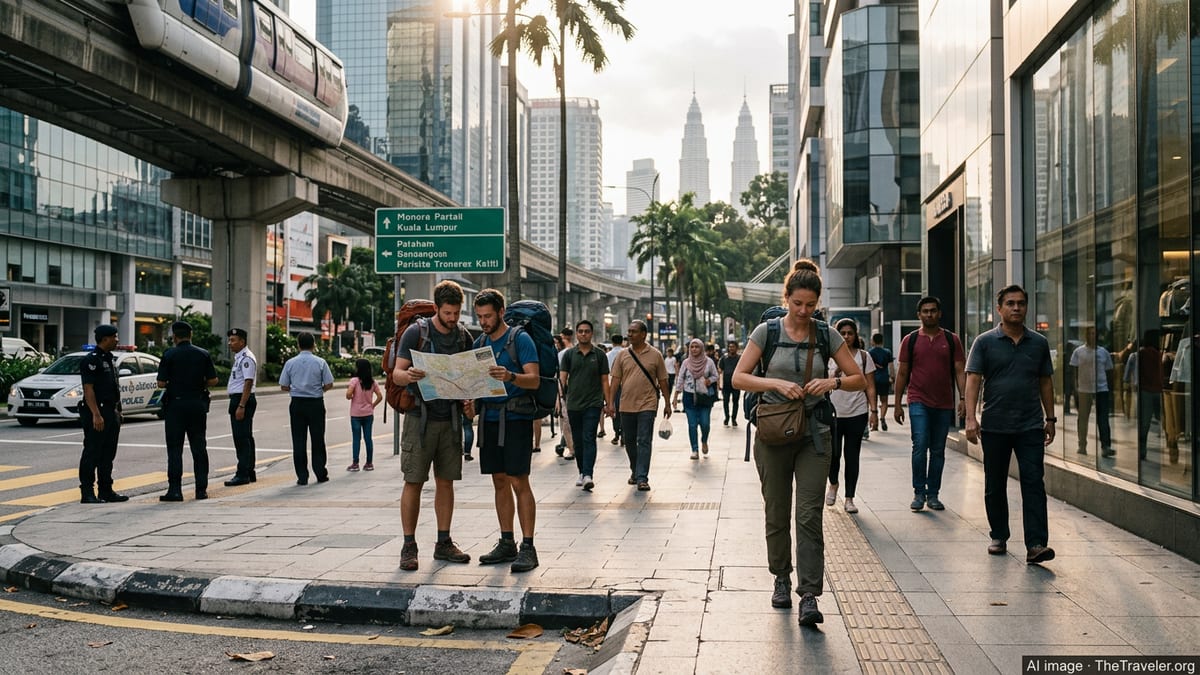
How Safe Is Malaysia in 2026?
Overall, Malaysia is considered a relatively safe destination for international visitors. Several governments, including the United States and Australia, currently advise travelers to exercise normal safety precautions, which is their lowest or near lowest risk category. That reflects a situation where serious incidents affecting tourists are uncommon, but where routine urban risks such as petty crime and traffic accidents still require attention.
Tourism is central to Malaysia’s economy, and authorities have repeatedly stressed that maintaining a safe environment for visitors is a priority. Ahead of Visit Malaysia Year 2026, police and tourism officials have announced increased patrols and security at major tourist hotspots, especially in Kuala Lumpur, Penang, Malacca, Langkawi, and Sabah’s resort islands. These measures are designed to reassure both domestic and foreign travelers as arrivals climb back to and beyond pre pandemic levels.
That said, no country is risk free. Like any fast developing nation with crowded cities and busy roads, Malaysia sees a mix of day to day issues: opportunistic theft, road crashes, weather related disruptions, industrial incidents and, more rarely, violent crime or security related events. For travelers, the key is not to be alarmed but to be informed, follow local advice and take the same sensible precautions you would in any large city worldwide.
Perceptions of safety also vary by traveler profile. Solo female travelers often report feeling more comfortable in Malaysia than in many other parts of the region, citing the generally polite culture and visible security presence. However, some do mention unwanted attention or verbal harassment in busy nightlife districts or on public transport at night. Being aware of surroundings, avoiding isolated areas after dark and choosing well reviewed accommodation can help reduce these discomforts.
Crime, Scams and Personal Security
Violent crime against tourists is relatively rare in Malaysia, but it does occur. The more common risks for visitors are petty theft, bag snatching and pickpocketing in crowded areas such as popular markets, transport hubs and busy shopping streets. Incidents are more frequently reported in larger cities, particularly Kuala Lumpur, Johor Bahru and parts of Penang, although they can happen anywhere there are crowds and distracted travelers.
Bag snatching by thieves on motorcycles has been an issue in some urban areas. Travelers have reported bags or phones being grabbed from pedestrians standing close to the curb. To reduce risk, carry bags across your body on the side away from traffic and keep phones and cameras secured when near roads. Avoid displaying large amounts of cash or expensive jewelry, and use hotel safes for passports and spare cards where possible.
Scams are an evolving concern, particularly around airports, tourist districts and online. Recent years have seen reports of fake tour agencies, accommodation that does not exist, unofficial taxi drivers quoting inflated prices, and online phishing sites that imitate official platforms such as the Malaysia Digital Arrival Card. To protect yourself, book tours and transfers with well established operators, confirm details with your hotel or tourism offices, and access official forms only through government or airline communications rather than search engine ads or random links.
Online financial and investment scams have also increased, targeting both locals and foreigners through messaging apps and social media. While most travelers are unlikely to be drawn into complex fraud schemes during a short visit, be wary of strangers offering investment advice, currency deals or get rich quick opportunities. If an offer requires handing over your passport, full card details or large sums of cash, take it as a warning sign.
Regional Differences and Security Hotspots
Risk levels within Malaysia are not uniform. Most of Peninsular Malaysia, including Kuala Lumpur, Penang, Malacca, the Cameron Highlands and the east coast beach towns, is regarded as low risk for terrorism and kidnapping, although routine crime and traffic hazards still apply. Tourist infrastructure is well established in these regions, and police patrols are visible in popular areas.
In contrast, some parts of eastern Sabah, particularly coastal areas and islands near maritime borders, carry a higher security profile due to a history of kidnappings and criminal activity linked to groups based in the southern Philippines. Many foreign governments advise travelers to reconsider non essential travel to specific islands and waters off the eastern coast of Sabah, and to use only licensed operators with clear safety procedures if visiting permitted areas.
The Malaysian government has deployed additional security forces, maritime patrols and coastal monitoring to reduce these risks and protect tourism hubs such as Sandakan and the diving sites around Sipadan and Mabul. Travelers planning trips to Sabah’s east coast should check the latest advice from their own foreign ministry and speak with reputable local operators who stay current on security conditions and restrictions.
Urban security can also fluctuate with events. Large political gatherings, protests or high profile court cases occasionally take place in Kuala Lumpur or state capitals. These are usually peaceful but can cause temporary congestion or heightened police presence. As with any large crowd, it is wise to keep a distance from demonstrations, monitor local news and follow the directions of police or security staff.
Road Safety, Transport and Adventure Activities
Road safety is one of the most significant objective risks in Malaysia. The country records a high number of traffic accidents each year, reflecting heavy vehicle use, mixed road conditions and variable driving standards. Urban congestion, speeding on highways, sudden lane changes and motorbikes weaving through traffic all contribute to a driving environment that may feel intense for visitors from countries with stricter enforcement or lower traffic density.
Self driving is common among tourists exploring Peninsular Malaysia, but it should be approached with caution. If you rent a car or scooter, choose a reputable company that maintains its fleet, inspect the vehicle for safety issues, and ensure you have the correct license and insurance. Avoid driving at night in rural areas where lighting can be poor and stray animals or pedestrians may be on the road. During major holidays such as Hari Raya and Chinese New Year, traffic volumes surge and accident numbers typically rise, so consider adjusting travel dates or schedules to avoid peak periods.
Public transport in Kuala Lumpur, including the LRT, MRT and monorail systems, is generally safe and efficient, with security cameras and staff present at major stations. As with any crowded environment, keep valuables close and be alert to pickpockets, particularly during rush hours. Long distance buses are a popular and inexpensive way to travel between cities, but safety standards and driver fatigue can vary. Consider using well known bus companies, travel during daylight where possible and avoid operators that appear to overload vehicles or drive aggressively.
Adventure and marine activities require particular care. Malaysia’s islands and highlands are prime spots for diving, snorkeling, white water rafting and jungle trekking. Incidents in recent years, including tourist drownings and boat accidents, have prompted renewed scrutiny of safety practices. Travelers should verify that operators are licensed, check that life jackets and equipment are in good condition, and confirm that briefings on weather, currents and emergency procedures are provided. In the rainforest, use certified guides, register your trek where required, and be realistic about your fitness level and the remoteness of the route.
Health, Climate and Natural Hazards
Malaysia’s tropical climate brings heat, humidity and intense rainfall that can catch unprepared visitors off guard. Dehydration, heat exhaustion and sunburn are common issues for travelers who underestimate the impact of walking in hot, humid conditions, especially in cities or on the coast. Drink plenty of water, wear light clothing, use sunscreen and take regular breaks in the shade or air conditioned spaces, particularly in the early afternoon when temperatures peak.
Heavy rains and thunderstorms are frequent, especially during monsoon seasons which vary by coast. These can cause localized flooding, landslides in hilly areas and temporary disruption to transport networks. Urban flash floods occasionally affect parts of Kuala Lumpur and other cities, creating traffic chaos and waterlogged streets. Travelers should monitor weather forecasts, follow local advice on flood prone areas, and avoid driving or walking through moving floodwaters. In some years, regional forest fires can lead to haze and reduced air quality; travelers with respiratory issues should monitor air quality information and plan accordingly.
Food and water hygiene in Malaysia is generally good in established hotels and restaurants, but stomach upsets are still one of the most common health complaints among visitors. Street food is a highlight of Malaysian culture and is widely enjoyed, but it is wise to choose busy stalls with high turnover and watch how food is handled and stored. Tap water quality can differ by region; many visitors prefer bottled or filtered water for drinking, while using tap water for brushing teeth is usually acceptable in urban areas.
Medical facilities in major cities such as Kuala Lumpur, Penang and Johor Bahru are of a high standard, with modern private hospitals and English speaking staff. In smaller towns and rural areas, facilities can be more limited. Comprehensive travel insurance that covers medical treatment, evacuation and adventure activities is highly recommended. Bring any prescription medications you need, along with a copy of your prescription, and keep essential medicines in your cabin baggage in case of delays or lost luggage.
Respecting Laws, Customs and Local Norms
Malaysia’s legal system combines civil law with elements of Islamic law applying to Muslim citizens in personal and religious matters. Visitors are generally subject to civil law, but should be aware of strict regulations around drugs, public order and modesty in certain contexts. Drug offenses carry very severe penalties, including lengthy prison sentences and, for trafficking of certain quantities, the possibility of capital punishment. Travelers must never carry packages for others or attempt to bring prohibited substances into the country.
Alcohol is legal in most of Malaysia, except in some predominantly conservative districts, but public drunkenness, disorderly conduct and drink driving are taken seriously by authorities. Nightlife areas in Kuala Lumpur and other cities operate with relatively relaxed social norms, but visitors should still behave respectfully, avoid confrontation and comply with instructions from police or venue security. Possession or public display of items considered offensive to religion or royalty can also cause problems, so exercise discretion with clothing slogans and political symbols.
Malaysia is a multicultural and majority Muslim country, and modest dress is appreciated in many settings, particularly in rural areas and when visiting mosques, temples or government buildings. In cities, casual Western clothing is widely accepted, but carrying a scarf or shawl for covering shoulders and avoiding very revealing outfits away from beach resorts can help you feel more comfortable and reduce unwanted attention. Affectionate behavior in public is usually fine in a low key way, but explicit displays can draw criticism.
Photography is generally welcome in public spaces and tourist sites, but ask permission before photographing individuals, especially in villages, markets and places of worship. Some government facilities, military sites and security checkpoints prohibit photography. If you are unsure, check for signs or ask an official. Respecting local customs not only reduces the chance of misunderstandings with authorities, it also contributes to more positive interactions with the people you meet.
Digital Safety, Money and Document Security
As in many connected countries, digital and card related fraud is a growing issue in Malaysia. Public Wi Fi is widely available in hotels, cafes and malls, but networks may be insecure. To protect your data, avoid accessing sensitive accounts on open networks, use a reputable virtual private network if possible, and keep your devices updated with the latest security patches. Be cautious of unsolicited messages, emails or QR codes that prompt you to enter personal information or payment details.
ATMs are common in cities and tourist areas, and most major cards are accepted in hotels, larger restaurants and shopping centers. However, card skimming and theft can occur. Use machines attached to banks or inside secure locations where possible, cover your PIN when entering it and monitor your account for unusual transactions. Carry a mix of cards and cash, split between different bags or pockets, so that losing one item does not leave you completely without funds.
Keep physical documents secure at all times. Malaysian law requires you to be able to show identification, and travelers are advised to carry a copy of their passport photo page, along with a digital copy stored securely online. Many visitors leave the original passport in a hotel safe and carry a photocopy day to day, retrieving the original when needed for money exchange or hotel check in. If your passport is lost or stolen, report it promptly to the local police and contact your embassy or consulate in Kuala Lumpur or the nearest mission.
Ride hailing apps are widely used in Malaysia and generally considered safer and more transparent than hailing taxis off the street, because fares are fixed in the app and journeys are logged. Still, double check the license plate and driver details before getting into a vehicle, share your trip with a trusted contact when traveling alone at night, and sit in the back seat. For unmetered taxis, agree the fare in advance or ask your hotel to book on your behalf.
The Takeaway
For the vast majority of visitors, Malaysia is a welcoming, rewarding and safe destination. Crime affecting tourists tends to be opportunistic rather than targeted, health risks are manageable with basic precautions, and local authorities are actively working to strengthen security and safety standards as tourism numbers grow. Understanding the specific risks that do exist, from urban petty crime and traffic accidents to regional security considerations in parts of Sabah, enables you to plan sensibly rather than worry unnecessarily.
The most effective safety strategies in Malaysia are practical and straightforward: stay aware of your surroundings, take care of your belongings, use reputable operators, respect local laws and cultural norms, and keep informed about any regional advisories or weather disruptions. Combine these habits with comprehensive travel insurance and a flexible attitude, and you will be well positioned to enjoy Malaysia’s cities, islands and highlands with confidence.
With thoughtful preparation and a realistic view of the risks, Malaysia offers much more to delight than to fear. From street food adventures and jungle treks to island sunsets and historic quarters, you can experience the country’s diversity while staying secure, connected and in control of your travel choices.
FAQ
Q1. Is Malaysia safe for solo female travelers?
Malaysia is generally considered safe for solo female travelers, especially in popular tourist areas, but it is wise to avoid isolated places at night, dress modestly in conservative areas and use reputable transport and accommodation.
Q2. Are there any areas in Malaysia tourists should avoid?
Most of Peninsular Malaysia is low risk, but some coastal and island areas in eastern Sabah carry higher security advisories; check the latest guidance from your government and local operators before visiting.
Q3. How common is petty crime like pickpocketing?
Petty crime such as pickpocketing and bag snatching occurs mainly in busy urban and tourist areas, but it is not pervasive; keeping valuables secure and staying alert in crowds significantly reduces your risk.
Q4. Is it safe to use public transport in Kuala Lumpur?
Yes, the LRT, MRT and monorail systems are generally safe and well used by locals, though you should watch your belongings during busy periods and be cautious late at night like in any big city.
Q5. Can I drink tap water in Malaysia?
Tap water quality varies by region; many visitors choose bottled or filtered water for drinking, while using tap water for brushing teeth in major cities is usually considered acceptable.
Q6. What should I do if my passport is lost or stolen?
Report the loss immediately to the local police to obtain a report, then contact your embassy or consulate in Malaysia for replacement documents and follow their instructions for travel arrangements.
Q7. Are taxis and ride hailing apps safe?
Ride hailing apps are widely used and generally safe; confirm the vehicle and driver details before boarding, sit in the back seat and consider sharing your trip details with a trusted contact.
Q8. How serious is the risk of terrorism in Malaysia?
The overall risk is assessed as low but not negligible, with heightened concern in parts of eastern Sabah; staying informed and following local security advice is recommended, especially in border regions.
Q9. Do I need any special vaccinations to visit Malaysia?
Routine vaccinations should be up to date and additional vaccines may be recommended depending on your itinerary and activities, so it is best to consult a travel health professional several weeks before departure.
Q10. Is Malaysia safe during the monsoon season?
Travel is possible during monsoon periods, but heavy rain can cause flooding, rough seas and transport delays, so you should monitor forecasts, be flexible with plans and follow local weather and safety advice.