

Portugal consistently ranks among the safest destinations in Europe, drawing visitors with its Atlantic coastline, historic cities, and relaxed pace of life. While most trips are trouble-free, understanding how safety works on the ground in Portugal can help travelers avoid problems and respond calmly if something does go wrong. From petty theft in crowded trams to seasonal wildfire risks in rural areas, being prepared is the key to enjoying the country with confidence.
How Safe Is Portugal Overall?
Portugal currently carries a low-level travel advisory from several governments, reflecting its reputation as a generally safe and stable country. Violent crime against visitors is uncommon and tends to be isolated, while the most frequent issues tourists encounter involve petty theft, such as pickpocketing and bag snatching in busy urban areas. Police presence is visible in major cities, and authorities take safety in tourist districts seriously.
The country benefits from strong institutions, a relatively low rate of gun ownership compared with many destinations, and a well-regulated tourism industry. Hotels, licensed tour operators, and major attractions are subject to safety inspections and emergency planning. When problems do occur, they are usually opportunistic rather than targeted, and simple precautions are often enough to reduce risk.
That said, no destination is completely risk-free. Large visitor numbers in Lisbon, Porto, and the Algarve create opportunities for thieves, and isolated incidents of serious crime sometimes make headlines, particularly late at night around nightlife areas. Travelers should treat Portugal like any busy European destination: relaxed but alert, especially in crowds, entertainment districts, and transport hubs.
Natural hazards deserve attention too. In recent years, Portugal has experienced intense summer heat and significant wildfires, particularly in central and northern regions and, at times, on islands such as Madeira. These events rarely affect city breaks directly, but they can disrupt road, rail, and air travel, and they highlight the importance of monitoring local conditions when planning rural hikes or driving routes.
Crime, Scams and How to Avoid Them
The most common safety issue for visitors in Portugal is petty crime. Pickpocketing and bag theft often occur in crowded locations such as historic neighborhoods, popular viewpoints, markets, beaches, and major transport hubs. Classic hot spots in Lisbon include the Baixa and Rossio areas, trams serving tourist routes, and metro stations where passengers cluster around doors. In Porto, busy riverfront promenades and train stations attract similar activity.
Thieves typically work in teams and rely on distraction. One person may bump into a traveler, ask a question, or create a minor commotion while an accomplice lifts a wallet or phone. Crowded trams, especially older, compact ones, are particularly attractive to pickpockets because passengers are tightly packed and focused on staying upright. Keeping bags zipped, carried in front, and secured with a strap across the body makes theft much harder.
Visitors may also encounter low-level scams aimed at extracting quick cash. These can include people circulating fake petitions and then pressing for donations, individuals posing as charity workers, or unofficial “helpers” at ticket machines and parking meters who request a tip or try to skim card details. Rental cars with visible luggage inside, particularly at viewpoints or coastal car parks, are another target, as thieves can break a window and be gone within seconds.
More serious incidents, such as late-night muggings, are comparatively rare but do occur, often in the early hours around nightlife zones or quieter side streets. Alcohol and isolation tend to be common factors. While such attacks attract significant media attention, they remain the exception rather than the rule. Sticking to well-lit routes, traveling in groups after dark, and avoiding arguments with would-be thieves significantly reduce the chance of harm.
Staying Safe in Cities, Nightlife Areas and on Transport
Most travelers begin in cities like Lisbon or Porto, where everyday awareness goes a long way. During the day, central districts are busy and generally safe, although you should still keep bags closed and valuables out of sight. Using a hotel safe for passports and spare cards is advisable, carrying only what you need for the day. When taking photos or checking maps, step out of the flow of people rather than stopping abruptly in a crowd, which is when thieves may move in.
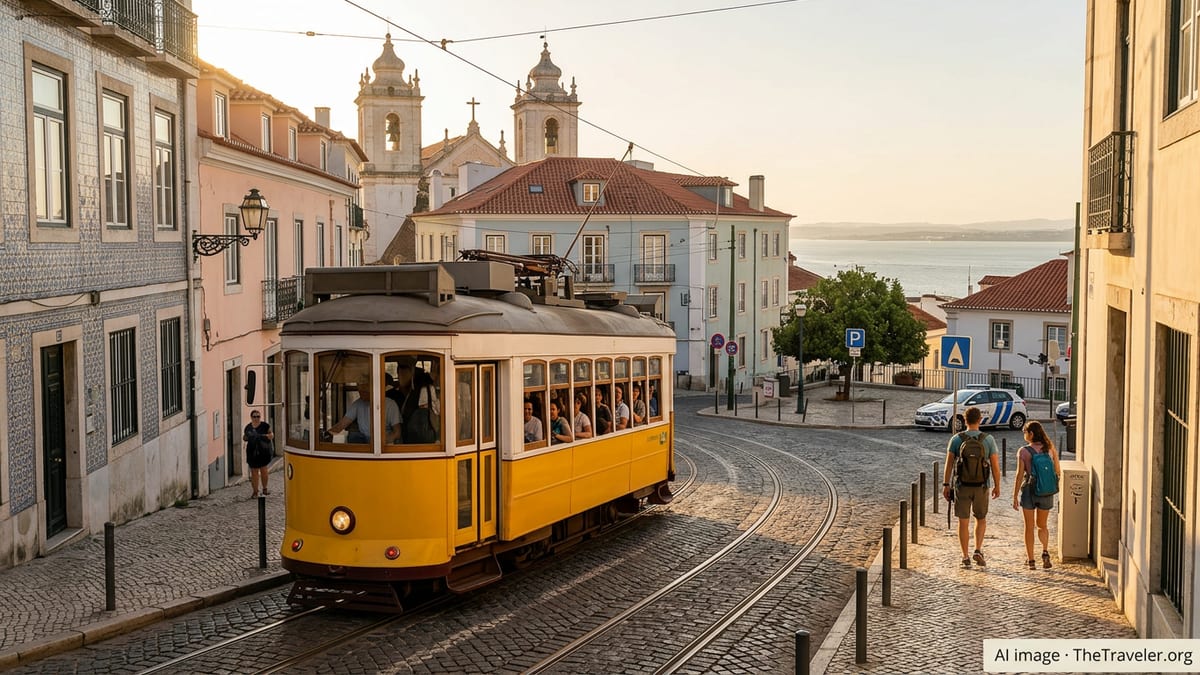
Public transport is widely used by locals and visitors and is considered reliable and safe, but crowded conditions can create vulnerability. On traditional tram lines that are popular with tourists, try to avoid peak times when carriages are packed. Stand or sit away from doors if possible, as some thieves wait until the doors open, snatch a phone or bag, and step off just as the tram departs again. On the metro or suburban trains, keep backpacks in front and avoid displaying high-value electronics near carriage doors.
At night, entertainment districts in Lisbon, Porto, and resort towns along the Algarve are lively and usually welcoming. Problems are more likely in the early hours, especially where alcohol and drugs are involved. Drink-spiking has been reported on occasion, so treat your beverage as you would in any major city: watch it being poured, keep it with you, and decline drinks from strangers if you are not comfortable. If someone in your group feels unwell unexpectedly, seek medical help rather than assuming they have simply drunk too much.
Using licensed taxis or established ride-hailing apps is a straightforward way to move around after dark, especially if you are unfamiliar with the area. Official taxis should use the meter; if a driver refuses, tries to negotiate an unusually high fixed fare, or behaves in a way that feels off, it is acceptable to step out and choose another vehicle. At larger stations and airports, follow signs to the official taxi ranks rather than accepting unsolicited offers from drivers who approach you inside the terminal.
Roads, Beaches, Outdoor Activities and Seasonal Hazards
Portugal’s varied landscapes invite road trips, hikes, and time on the water, all of which are generally safe when approached with preparation and respect for the environment. Roads are of good quality overall, but driving in historic centers and mountain regions can be challenging due to narrow streets, tight bends, and unfamiliar traffic patterns. Take extra care with speed on rural roads, where locals may drive faster than visitors expect and livestock or cyclists can appear suddenly.
Parking security is an important consideration. Rental cars that look obviously new or carry company stickers are easy to spot, and thieves may watch for visitors leaving bags in trunks before heading to the beach or a viewpoint. Whenever possible, leave luggage at your accommodation rather than in vehicles, and if you must travel with bags, keep them out of sight before you arrive at your final parking spot. Avoid leaving anything of value in a car overnight.
On the coast, lifeguarded beaches are the safest choice, particularly during the busy summer season when Atlantic swells and rip currents can be strong. Obey flag systems and local warnings; if a red flag is raised, do not enter the water. Sun exposure and heat are also significant factors, especially during heatwaves when temperatures in inland areas and cities can climb well above typical summer levels. Hydration, sunscreen, and shade breaks are essential, and older travelers or those with health conditions should pay particular attention to signs of heat exhaustion.
Wildfires have become a recurring seasonal hazard, especially in central and northern regions and in wooded rural areas. In some recent years, fires have led to evacuations, road closures, and disruption to rail and air services. While tourist cities are rarely directly affected, smoke and heat can impact air quality and visibility. If you plan hiking, rural stays, or drives through forested areas between late spring and early autumn, monitor local news, follow any road closure notices, and heed instructions from authorities or accommodation hosts. Avoid lighting campfires, obey burn bans, and never discard cigarettes outdoors.
Health, Emergency Services and Insurance Considerations
Portugal has a well-regarded healthcare system, and visitors who fall ill or have an accident can expect competent treatment, especially in urban hospitals and clinics. In remote rural zones or on islands, response times may be longer simply because of distance. For any life-threatening emergency, dial 112, which is the national number for ambulance, fire, and police, and which typically offers operators who can communicate in English in tourist areas.
Common health issues for travelers include dehydration, sunburn, minor injuries from slips on cobblestones, and stomach upsets. Tap water is widely considered safe to drink in most urban areas, although some visitors prefer bottled water due to taste differences or local plumbing conditions. Pharmacies are easy to find and are often the first stop for minor ailments; pharmacists can advise when you need to see a doctor rather than treating yourself.
Travel insurance that covers medical treatment and, ideally, medical evacuation is highly recommended. Even though healthcare costs in Portugal may be lower than in some other countries, private hospitals, specialized treatment, or emergency transport can still be expensive without coverage. Insurance is also valuable for non-medical events such as trip interruptions related to wildfires, strikes, or other disruptions beyond your control. Check policy details carefully to understand any exclusions relating to extreme weather or pre-existing conditions.
Personal safety planning should also include secure storage of documents. Keeping passport copies separate from the originals, backing up digital scans, and carrying only one credit or debit card day-to-day limits the impact if your wallet or bag is lost or stolen. In the event of theft, file a police report as soon as possible, both to support any insurance claim and to cancel cards. Your embassy or consulate can usually help arrange replacement travel documents and provide guidance on the local process.
Digital Safety, Accommodation Security and Booking Smart
As in many countries, digital scams are an increasing part of the risk landscape in Portugal. Travelers may encounter fraudulent accommodation listings, look-alike booking sites, or fake customer service contacts requesting payment details. Authorities have highlighted a rise in cases where visitors transfer money to supposed landlords or hosts for holiday rentals that either do not exist or are not actually managed by the person advertising them, especially in high-demand destinations and during peak season.
To reduce this risk, favor established platforms and reputable agencies, and be cautious if a host asks you to move communication or payment outside an official booking system. Requests to pay via bank transfer or messaging apps, especially to foreign accounts, should be treated with skepticism, particularly if combined with pressure tactics like “one last available week” or unusually low prices. If something about a listing seems inconsistent, such as mismatched photos and descriptions, consider alternative options even if it means spending more.
Once in Portugal, accommodation safety is generally solid, especially in hotels and registered guesthouses, which must meet legal standards for fire safety and security. Always familiarize yourself with exit routes, keep your room locked, and use any available safe for passports, jewelry, and electronics. In apartment-style rentals, check that doors and windows close and lock properly, particularly on ground floors or balconies that can be accessed from outside.
On the digital side, public Wi-Fi in cafés, hotels, and airports is convenient but not always secure. Avoid accessing sensitive accounts such as online banking on unsecured networks, and consider using a virtual private network if you rely heavily on public connections. As with any destination, be cautious about what you share on social media in real time; broadcasting your exact location and routine can unintentionally make you easier to target if someone with bad intentions is watching.
Respecting Local Laws, Culture and Everyday Etiquette
Staying safe in Portugal also means understanding and respecting local laws and cultural norms. Drug laws are more nuanced than many visitors realize. While Portugal is often described as having decriminalized personal drug use, this does not mean drugs are legal, and possession can still lead to administrative penalties. Buying or using illicit substances also brings you into contact with people involved in crime, increasing the risk of robbery, assault, or arrest.
Alcohol is widely available, and the social culture is relaxed, but public drunkenness can quickly become a safety issue. Police have the authority to intervene if behavior becomes disruptive or dangerous. In busy nightlife districts, fights and accidents are more likely near closing time, so it is sensible to leave venues before streets empty out entirely and to steer clear of any altercations. Being polite, speaking calmly, and avoiding confrontation usually helps de-escalate tense situations.
Culturally, Portugal is friendly but more reserved than some neighboring countries. Loud, aggressive behavior, especially late at night in residential areas, is frowned upon and can attract negative attention. Modest dress is appreciated in religious sites and small towns, although beachwear is normal on the coast and in resort areas. Following posted signs, respecting queue systems, and asking before photographing private property help maintain good relations with locals.
Traffic rules and enforcement are another area where visitors should pay attention. Speeding, drink-driving, and using a mobile phone while driving are taken seriously and subject to fines or more severe penalties. If you are renting a scooter or bicycle, wear a helmet where required, understand local traffic flow, and remember that drivers may not anticipate inexperienced riders in busy urban streets. Being predictable and cautious on the road is as much about protecting yourself as it is about following the law.
The Takeaway
Portugal offers a combination of safety, hospitality, and natural beauty that makes it a favorite for first-time and seasoned travelers alike. Most visitors experience nothing more serious than a lost metro ticket or a bit of sunburn, and the overall risk profile is lower than in many comparable destinations. However, complacency is never a friend of safe travel, and a few simple habits can make all the difference.
By guarding against petty theft in crowded spaces, choosing secure accommodation, and exercising common-sense caution in nightlife areas, visitors can dramatically reduce their exposure to crime. Staying informed about seasonal hazards such as heatwaves and wildfires, and preparing with appropriate insurance and backup plans, adds another layer of resilience. Respecting local laws and customs not only avoids legal problems but enriches the travel experience.
Travel safety in Portugal is ultimately about balance: staying aware without becoming anxious, and planning thoughtfully without losing the spontaneity that makes travel rewarding. With basic precautions and an informed approach, travelers can enjoy Portugal’s cities, coasts, and countryside with confidence, focusing on memorable experiences instead of potential problems.
FAQ
Q1. Is Portugal safe for solo travelers, including women traveling alone?
Portugal is generally considered safe for solo travelers, including women, provided normal precautions are taken. Staying in well-reviewed accommodation, avoiding deserted streets late at night, and keeping valuables secure greatly reduces the risk of problems.
Q2. Which areas in Portugal should tourists be more cautious in?
Visitors should be especially alert in busy urban areas and transport hubs, such as central Lisbon and Porto, crowded trams, metro stations, and nightlife districts, where pickpocketing and occasional late-night incidents are more common.
Q3. How common is pickpocketing in Portugal’s public transport?
Pickpocketing is relatively common on crowded trams, buses, and metro lines popular with tourists. Using a cross-body bag, keeping it in front, and avoiding displaying phones near doors significantly lowers the risk.
Q4. Are taxis and ride-hailing services safe in Portugal?
Licensed taxis and reputable ride-hailing services are widely regarded as safe. Ensure the meter is used for taxi rides, avoid unmarked cars, and decline unsolicited offers from drivers inside terminals or on the street.
Q5. What should I do if my passport or wallet is stolen?
If your documents or money are stolen, report the theft to the local police as soon as possible, contact your bank to block cards, and reach out to your embassy or consulate for help with emergency travel documents.
Q6. How serious are wildfire and heat risks for tourists?
Wildfire and heat risks mainly affect rural and forested areas during the warmer months. City breaks are usually less impacted, but travelers planning hikes or road trips should monitor local news, heed official warnings, and avoid outdoor exertion during extreme heat.
Q7. Is tap water safe to drink in Portugal?
Tap water in most urban areas of Portugal is generally considered safe to drink, though some visitors prefer bottled water due to taste. If in doubt, ask your accommodation host or choose sealed bottled water.
Q8. Are there specific scams targeting tourists in Portugal?
Common scams include distraction-based pickpocketing, fake charity petitions, unofficial “helpers” at ticket machines, and fraudulent holiday rental or booking websites. Being skeptical of unsolicited offers and paying only through trusted channels helps avoid these.
Q9. Do I need special vaccinations or health precautions to visit Portugal?
Most travelers do not require special vaccinations beyond routine immunizations to visit Portugal. Standard health precautions such as good hand hygiene, sun protection, and travel insurance with medical coverage are usually sufficient.
Q10. Is it safe to drive in Portugal as a visitor?
Driving in Portugal is generally safe for experienced drivers, especially on major roads and highways. Take extra care on rural and mountain roads, obey speed limits, avoid driving after drinking alcohol, and never leave valuables visible in parked vehicles.