

Kingston is the energetic heart of Jamaica, a city where music, food and culture are as intense as the Caribbean sun. It is also a destination that demands thoughtful preparation. Crime levels remain high by international standards, and some neighborhoods experience serious gang related violence. Yet thousands of visitors pass through Kingston every year without incident, especially those who stay aware, choose their base carefully and follow local advice. This guide brings together current information and practical safety strategies so you can experience Kingston’s creativity and warmth while reducing avoidable risks.
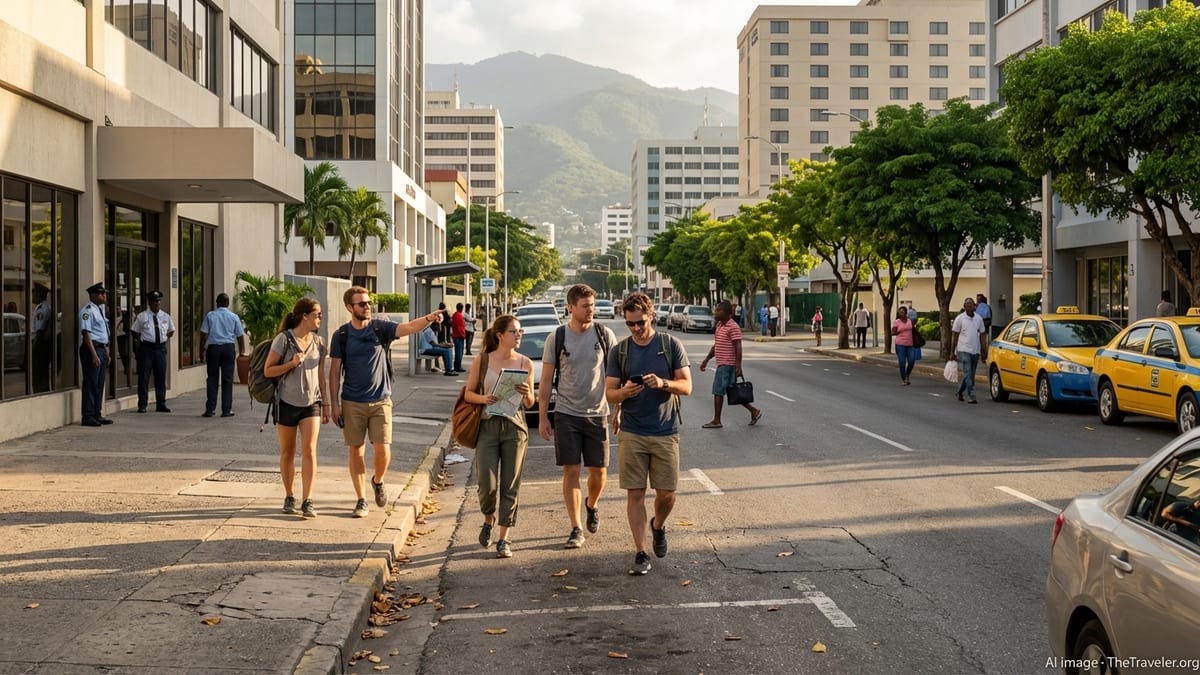
Understanding Kingston’s Current Safety Picture
Kingston is a city of contrasts. Leafy suburbs in the uptown area and coastal districts like New Kingston and parts of St Andrew sit not far from inner city communities affected by gang activity and long term social challenges. International advisories highlight Jamaica’s high rates of violent crime, particularly in Kingston, Montego Bay and other urban centers. At the same time, authorities point to recent declines in serious crime and increased security presence in key tourist and business districts. For visitors, the reality lies somewhere between the alarming headlines and the lived experience of residents who navigate the city every day.
Most serious violent crimes are concentrated in specific neighborhoods that travelers have no reason to visit, including parts of downtown Kingston and several inner city communities frequently named in foreign government advisories. Tourists are far more likely to encounter petty theft, opportunistic robbery or scams than targeted violent attacks. That said, robberies can escalate if a victim resists, and firearms are not uncommon. This is why many official advisories stress situational awareness, conservative behavior and the importance of avoiding known high risk areas, especially after dark.
Local authorities periodically respond to spikes in violence with measures such as curfews or enhanced security operations in parts of Kingston and surrounding parishes. These actions are typically focused on specific streets or blocks rather than the entire city, and visitors staying in established hotels may notice little more than additional police patrols. However, they can cause traffic disruption and sudden changes in access to certain areas. Checking with your hotel, local contacts or tour operator about the current security picture just before and during your stay is a smart habit.
It is also important to keep health and emergency services in perspective. Jamaica’s medical facilities range from basic public hospitals to better equipped private clinics, but emergency response times and specialist care may not match standards in North America or Europe. Travelers are strongly advised to carry comprehensive travel insurance that covers medical treatment and evacuation, and to bring sufficient supplies of prescription medication, as some drugs can be more difficult or slower to source locally.
Choosing Safer Areas and Accommodation
Where you stay in Kingston has a major impact on your overall sense of security. Most visitors are best served by choosing well established hotels or guesthouses in areas such as New Kingston, parts of St Andrew, or other business and tourism oriented districts where there is a visible security presence and easy access to services. Larger hotels typically have controlled access, security staff, cameras and safe deposit boxes, which collectively reduce your exposure to opportunistic crime.
Before booking, read recent guest reviews to see what people say about the surrounding neighborhood, not only the property itself. Look for comments about walking around in the evening, the presence of security, and how staff handle safety questions. When in doubt, contact the hotel directly and ask about their security measures, whether they arrange trusted airport transfers and which nearby areas guests are advised to avoid. Properties that answer transparently and in detail are generally preferable.
Visitors unfamiliar with Kingston are usually better off avoiding budget accommodations in little known residential areas, even if they seem like a bargain. Some short term rentals marketed online may be located close to high crime neighborhoods or lack adequate locks, lighting or perimeter security. If you choose an apartment or villa, verify that it has solid doors, barred or secure windows, a safe for valuables and 24 hour contact with the host or management. In villa style properties, ask whether there is an on site caretaker or security guard.
Regardless of where you stay, treat your accommodation as your personal security hub. Always lock doors and windows, keep balcony doors secured when you are not present, and store passports, backup cards and extra cash in a safe or hidden location. When staff need to enter your room, such as for cleaning or maintenance, it is prudent to be present if possible and to keep portable valuables out of obvious sight. These simple precautions reduce the likelihood of theft and contribute to a more relaxed stay.
Navigating Kingston’s Neighborhoods and Getting Around
Kingston’s layout can feel confusing to first time visitors. The city sprawls from the harbor and historic downtown area inland toward the foothills, with a patchwork of commercial centers, residential neighborhoods and inner city communities in between. Understanding where you should and should not go is one of the most important safety steps you can take. Uptown areas and business districts where embassies, banks and corporate offices cluster are generally safer for casual daytime exploration than inner city neighborhoods that foreign advisories explicitly flag as high risk.
Visitors are strongly advised to avoid wandering through unfamiliar parts of downtown Kingston or inner city communities, especially on foot and especially after dark. Neighborhoods that are frequently cited as having elevated crime levels may be close to areas of genuine cultural interest, such as music studios or historical sites, but that proximity can be deceptive. If you want to explore beyond standard tourist routes, arrange to go with a reputable local guide or licensed tour operator who understands the current security dynamics and can steer you away from trouble spots.
Transportation choices also matter. Public buses can be crowded and are commonly discouraged for foreign visitors because of pickpocketing, harassment and the possibility of being stranded in unsafe areas if routes or schedules change. Instead, use licensed taxis, hotel arranged drivers or trusted ride services recommended by your accommodation. Confirm the fare or meter use before departure, and avoid sharing taxis with strangers. At night, door to door transportation is generally safer than walking, even for short distances.
If you plan to rent a car, think carefully about your comfort with local driving conditions, which include aggressive driving styles, varied road quality and limited signage. Many official advisories recommend that visitors unfamiliar with Kingston avoid driving in the city. If you do choose to drive, keep doors locked, windows up and valuables out of sight. Stick to main roads, avoid inner city shortcuts that navigation apps might suggest, and do not stop in poorly lit or deserted areas. In case you miss a turn, continue to a busy, well lit area before pulling over to reorient yourself.
Street Smarts, Personal Security and Money Handling
Practicing basic street smarts will go a long way toward keeping you safe in Kingston. Dress modestly and avoid wearing expensive jewelry or watches in public. Flashy displays of wealth, including high end cameras and phones, can attract unwanted attention in any big city, and Kingston is no exception. Carry only what you need for the day, and leave passports, backup cards and extra cash secured at your accommodation. In crowded markets, busier streets or events, keep your bag zipped, held in front of you or across your body, and consider using a simple, non flashy daypack.
When moving around the city, maintain a confident but relaxed demeanor. Walk with purpose, avoid staring at your phone while on the street, and stay attentive to who is around you. If someone is persistently trying to engage you in conversation, sell you something aggressively, or steer you toward an isolated area, it is acceptable to decline firmly and keep moving or step into a busy shop or hotel lobby. Alcohol and late night partying can lower your guard, so be especially careful when leaving bars or events. Plan your route home in advance and avoid walking alone after dark.
ATM use and money handling deserve particular care. Use machines inside banks, shopping centers or secure hotel lobbies rather than freestanding ATMs on quiet streets. Avoid withdrawing large sums at once or counting cash in public view. Cover the keypad while entering your PIN, and be aware of anyone standing unusually close. Where possible, pay by card in reputable establishments, but keep your card in sight or use contactless payment to reduce the chance of skimming. Be cautious about accepting help from strangers at ATMs or currency exchanges.
If you are confronted in a robbery attempt, most security professionals and foreign advisories emphasize that you should not resist physically. Hand over your valuables promptly and focus on getting away to a safe, populated location. Property can be replaced, but escalation can lead to serious injury if a weapon is involved. Once safe, report the incident to the police and your embassy or consulate, and notify your bank to block cards. While such situations are still relatively rare for tourists compared with the number of visits, having a mental plan for how you would respond can help you stay calmer under pressure.
Nightlife, Beaches and Social Situations
Kingston’s nightlife is one of its biggest draws. From small sound system sessions to polished live music venues and rooftop bars, the city offers a spectrum of experiences. Many visitors enjoy these safely by making conservative choices about where they go, how they drink and how they get home. Stick to well known venues recommended by trusted locals, your hotel or established guides, and avoid informal street parties in unfamiliar neighborhoods without local hosts you absolutely trust. Travel to and from nightlife spots by registered taxi or prearranged driver rather than walking, even over short distances.
Drink awareness is crucial. There have been reports in Jamaica of travelers being targeted after having their drinks spiked, including in resort areas. To reduce this risk, order your own drinks, watch them being poured, and keep them with you at all times. Do not accept open drinks, food, gum or cigarettes from strangers or casual acquaintances, no matter how friendly they seem. Pace your alcohol intake so that you remain aware of your surroundings and able to make clear decisions. If you or a travel companion begin feeling unusually disoriented or unwell, seek help from trusted staff immediately, return to a safe place, and consider contacting medical services.
While Kingston is not primarily a beach destination in the way that north coast resorts are, you may still visit waterside areas or make day trips to nearby beaches. The same principles apply: keep valuables to a minimum, watch your belongings when you swim, and avoid beaches at night when they can be isolated and poorly lit. In social settings, look out for your travel companions and agree on simple check in routines, such as messaging when you arrive back at your accommodation. Groups are generally less vulnerable than people who are alone, especially after dark.
Romance scams and transactional relationships can also present risks. Be cautious about new acquaintances who quickly express strong affection, request money, or pressure you into visiting private locations. Sharing intimate photos or personal financial information can leave you vulnerable to extortion. Approach relationships with the same caution you would at home, and remember that your status as a visitor may attract both genuine interest and opportunistic behavior.
Health, Emergencies and Local Laws
Preparing for health and emergency scenarios is as much a part of safe travel to Kingston as crime awareness. Jamaica has capable medical professionals, but emergency response and hospital capacity can be stretched, and some facilities may not match the standards travelers expect at home. Private hospitals and clinics in or near Kingston generally offer higher quality care, but treatment can be expensive and payment is often required up front. Travel insurance that includes medical coverage and medical evacuation is therefore essential rather than optional.
Pack a personal medical kit that includes any prescription medications in original labeled containers, plus copies of your prescriptions. Add basic supplies such as pain relief, antiseptic, bandages, rehydration salts and any over the counter medicines you commonly use. While many medications are available locally, specific brands or formulations may be harder to obtain quickly. If you have a chronic condition, discuss your travel plans with your doctor before departure and carry a brief medical summary in case of emergencies.
In an emergency in Jamaica, the police can be contacted by dialing 119, and ambulance or fire services by dialing 110. Response times can vary, so if you are able to reach a nearby hospital or clinic safely by private transport or taxi, that may in some situations be quicker. Foreign embassies and consulates in Kingston can provide guidance, contact family members, and help you understand local procedures if you are a victim of crime, involved in an accident or facing legal difficulties. Before traveling, note your embassy’s contact information and keep it accessible offline.
Respect for local laws is another key safety factor. Jamaica has strict penalties for drugs, including small amounts of illegal substances, and penalties for firearms and ammunition are severe. Even stray bullets or spent shells forgotten in luggage can result in arrest. Immigration and customs officers conduct thorough checks, and pleading ignorance is unlikely to help. Public use of offensive language, disorderly conduct, or disruptive behavior can also bring unwanted attention from law enforcement. Familiarize yourself with current entry rules, any remaining health related protocols and local regulations before you travel, and follow instructions from authorities promptly and calmly.
Planning, Insurance and Digital Preparedness
Thoughtful planning provides a strong foundation for a safer trip to Kingston. Before you depart, review the latest official travel advisories from your home government, paying particular attention to maps or lists of specific neighborhoods that are designated as higher risk. These documents are updated regularly to reflect changing conditions, including any local curfews or security operations. Cross check this information with guidance from reputable guidebooks, established travel sites and recent traveler reports to build a realistic picture of what to expect.
Comprehensive travel insurance should cover medical care, evacuation, trip interruption and theft of belongings. Read the policy closely to understand what is and is not included, and carry both digital and printed copies of your documents. Store scanned copies of your passport, visas, credit cards and key phone numbers in a secure cloud folder or encrypted app so you can access them if your physical documents are lost or stolen. Make a note of the emergency contact number for your insurer, and know what documentation they will require if you need to make a claim.
Digital safety and connectivity also play a role in physical safety. Consider getting a local SIM card or an e SIM with reliable data so you can use navigation, contact your accommodation, or call for help if needed. At the same time, be cautious about oversharing real time location information or detailed plans on public social media, which can inadvertently signal where you are staying or when your accommodation is empty. Use strong screen locks and enable the ability to remotely wipe your phone in case it is stolen.
On arrival in Kingston, take a few minutes to align your plans with current conditions. Confirm airport transfer details in advance, avoid using unmarked or unofficial taxis from the arrivals area, and agree with your driver on the destination and fare before leaving. Once at your accommodation, ask staff for an up to date briefing on which areas are considered safe for walking during the day, which should be avoided, and how they recommend guests move around at night. Incorporate their advice into your daily itinerary, and remain flexible in case conditions change during your stay.
The Takeaway
Visiting Kingston can be a rewarding experience for travelers who appreciate its cultural depth, musical heritage and authentic urban energy. At the same time, the city’s security challenges are real and should not be minimized. High crime rates in specific neighborhoods, variable policing practices and limitations in emergency services mean that Kingston is not a destination for carefree, unplanned wandering. Instead, it is best approached with clear eyes, realistic expectations and a structured safety plan.
By choosing well located accommodation with good security, relying on trusted transportation, staying out of known high risk areas, and practicing low profile street behavior, most visitors can significantly reduce their exposure to trouble. Layering this with comprehensive insurance, basic health precautions and respect for local laws creates a strong safety net. The goal is not to travel in fear, but to manage risk calmly so that you remain free to enjoy the city’s food, music, art and people.
Ultimately, whether Kingston is the right destination for you right now depends on your personal risk tolerance, travel experience and reasons for visiting. For some, the combination of urban grit and creative energy is exactly what they seek, provided they can navigate it carefully. For others, a more resort oriented destination may feel more comfortable. Whatever you decide, letting accurate, up to date information and thoughtful preparation guide your choices is the safest way to travel.
FAQ
Q1. Is Kingston safe for tourists right now?
Kingston presents higher security challenges than many Caribbean cities, but many visitors have trouble free stays by sticking to safer areas, avoiding high risk neighborhoods and following conservative safety practices.
Q2. Which parts of Kingston should visitors avoid?
Travelers are generally advised to avoid inner city neighborhoods and sections of downtown that are frequently linked to gang activity and violent crime, especially at night, and to follow current guidance from their embassy and accommodation.
Q3. Can I walk around Kingston during the day?
In busier uptown and business districts, daytime walking on main streets is usually acceptable if you stay aware, keep valuables discreet and avoid wandering into unfamiliar side streets or inner city areas.
Q4. Is public transportation safe in Kingston?
Public buses can be crowded and unpredictable, and many foreign advisories recommend that visitors use licensed taxis, hotel cars or reputable ride services instead, particularly at night.
Q5. What should I do if I am robbed?
If you are confronted, prioritize your safety, do not resist, hand over valuables promptly, move to a safe populated place, and then contact police, your embassy and your bank to report the incident.
Q6. How important is travel insurance for Kingston?
Travel insurance is strongly recommended because emergency response and medical care may be limited or require upfront payment, and evacuation or private treatment can be expensive without coverage.
Q7. Are hotels in Kingston generally safe?
Well established hotels and guesthouses in business and tourist districts usually have stronger security, controlled entry and safes for valuables, and are considered safer than isolated or budget properties in little known areas.
Q8. Is it safe to enjoy Kingston’s nightlife?
Many visitors enjoy Kingston’s nightlife safely by choosing reputable venues, watching their drinks, avoiding excessive alcohol, staying with trusted companions and using door to door taxis rather than walking.
Q9. What health precautions should I take before visiting?
Consult your doctor about recommended vaccines, pack necessary prescription medicines and a basic medical kit, arrange travel insurance with medical coverage, and stay informed about any current health advisories for Jamaica.
Q10. How can I stay updated on safety conditions while in Kingston?
Monitor your home country’s travel advisories, sign up for any available alert programs, follow reliable local news, and ask your hotel or local contacts for updates on curfews, protests or security operations.