

More news on this day
Travelers eyeing Cuba this spring face a rapidly evolving crisis in the national power grid, with electricity gradually returning in parts of Havana while large areas of the country remain subject to daily blackouts that in some cases approach 20 hours without service.
Get the latest news straight to your inbox!
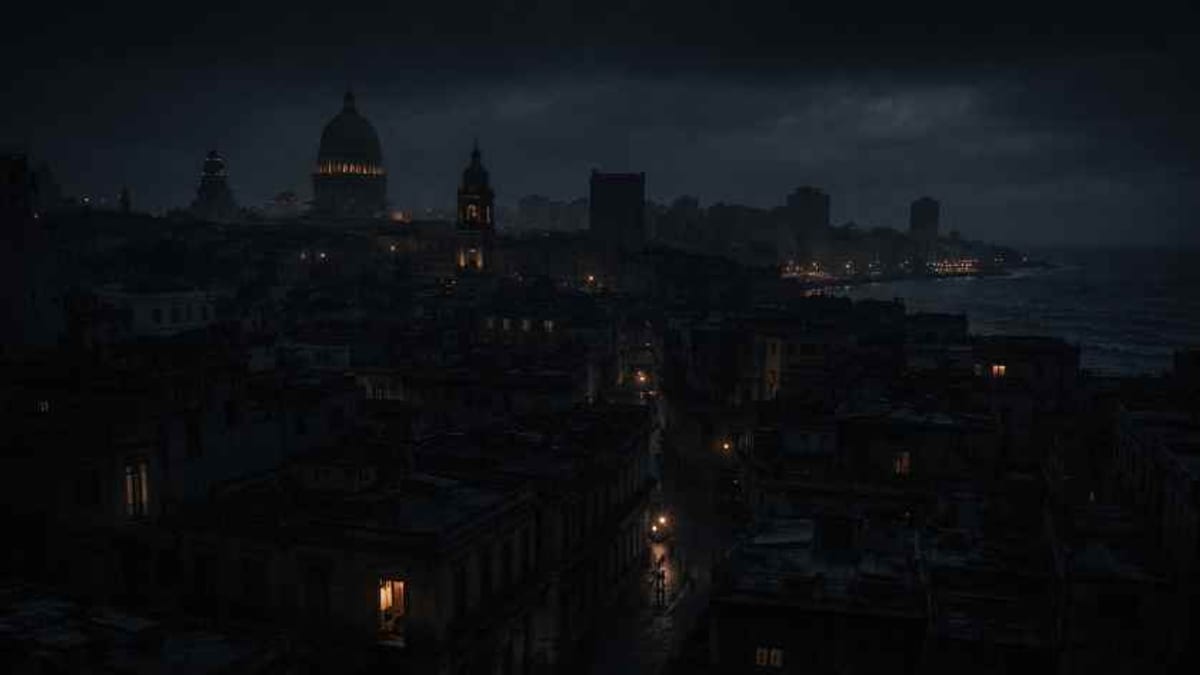
Image by Travel And Tour World
Havana Sees Partial Recovery After Multiple Grid Collapses
Publicly available information from recent coverage shows that Cuba has suffered several nationwide grid failures in March 2026, leaving much of the island without electricity for extended periods. Reports describe at least three total collapses of the national system within a matter of weeks, affecting millions of residents across all provinces.
By March 18, some outlets reported that power was slowly returning in the capital. Data from the state utility cited in international coverage indicated that roughly half of Havana’s households had seen at least partial restoration at various points, even as the wider grid remained unstable. In practical terms, travelers arriving in the city may find core districts, key hotels and some hospitals reconnected earlier than many outlying neighborhoods.
However, this recovery is fragile. Reports following the March 21–22 collapse indicate that only a fraction of Havana’s residents initially had power restored, underscoring that the capital’s apparent rebound is incomplete and vulnerable to renewed outages. Short periods of normality can be followed by sudden cuts, often without much warning.
Visitors should therefore expect a patchwork situation in Havana: some areas illuminated and operating relatively normally, others falling back into darkness for many hours at a time. Even in zones where service has resumed, the risk of additional interruptions remains high.
Nationwide Blackouts Stretch Toward 20 Hours a Day
Beyond Havana, the outlook is significantly more severe. Regional and international media describe long, recurring power cuts in provincial cities and rural areas, in many cases approaching or exceeding 18 to 20 hours per day without electricity. One prominent Spanish-language report characterized the current pattern as “larguísimos apagones” lasting up to 20 hours, noting that such schedules have become routine in parts of the country.
These extended blackouts are not limited to isolated communities. Coverage referencing the national utility’s data highlights persistent generation deficits and fuel shortages that leave the grid unable to meet demand across multiple provinces simultaneously. In practice, this has turned electricity into a scarce resource distributed in short windows, rather than a continuous service.
For travelers, that reality has immediate consequences. Air conditioning, refrigeration, elevators, electronic payment systems and lighting may all fail for most of the day in many destinations outside the capital’s better-supplied districts. Even where backup generators exist, fuel constraints mean they may only run for limited periods, prioritized for essential operations.
This pattern of prolonged daily cuts also affects digital connectivity. Mobile phone towers, Wi‑Fi hotspots and fixed-line internet connections often depend on the grid or on scarce diesel for generators, leading to unstable or non-existent service throughout long stretches of the day and night.
Impact on Essential Services, Transport and Tourism Infrastructure
The power crisis is overlapping with a wider energy shortage that has sharply reduced mobility within Cuba. Local reporting in mid-March described bus networks in some provinces operating only a handful of routes, with most public transport suspended due to lack of fuel. Travelers may find it difficult to move between cities or even within urban areas, particularly after dark.
Accommodation standards are also under strain. While major hotels and some private rentals in Havana and key resort areas often have generators, their ability to guarantee round-the-clock electricity and water pressure is increasingly uncertain. Fuel scarcity can limit generator use to a few hours, and some smaller guesthouses may not have backup systems at all.
Health services are a critical concern. International reports note that hospitals have been prioritized during restoration phases, yet they, too, rely heavily on backup power and face the same fuel constraints as other facilities. Travelers with medical conditions that depend on refrigeration, electrical equipment or climate control should evaluate these risks carefully before deciding to travel.
Food supply and storage are also affected. Prolonged outages compromise refrigeration in homes, shops and restaurants, heightening the risk of spoilage. Visitors may encounter reduced menu options, shorter service hours and abrupt closures linked to local power cuts.
Social Tension and Safety Considerations for Visitors
Media coverage from mid-March documents growing public frustration with the energy situation, including small demonstrations and pot-banging protests in several cities. While these events have generally been limited in size and duration, they signal a tense atmosphere that visitors should take into account when planning activities, particularly at night or in crowded urban areas.
Blackouts can also affect basic safety conditions. Street lighting often fails for long periods, especially outside central tourist zones, making it more difficult to move around after dark. Traffic signals may stop working, increasing road risks for pedestrians, cyclists and motorists alike. In residential neighborhoods, stairwells and corridors in apartment buildings may be unlit for many hours.
Crime reporting is difficult to verify in real time, but the combination of economic stress, darkness and reduced public transport can create opportunities for petty theft and scams targeting both locals and visitors. Travelers are likely to be better off remaining in well-lit, busier districts and limiting movements during the late-night hours when power is out.
Visitors should also be prepared for abrupt changes in local conditions. Protests, fuel deliveries, grid repairs and new outages can all alter the situation in a matter of hours. Monitoring recent news reports and seeking up-to-date information from airlines and accommodation providers before and during a trip is advisable.
Practical Guidance for Travelers Considering Cuba Now
Given the persistence of long daily blackouts across much of Cuba, travelers contemplating imminent trips should conduct a detailed risk assessment. Reports indicate that while parts of Havana are seeing a gradual return of electricity, much of the island continues to endure extremely long power cuts and chronic fuel shortages.
Those who decide to travel despite these conditions may wish to prioritize lodging that can document the presence of functional backup generators and water storage, and that is located in central, well-served districts. Packing battery-powered lights, power banks and essential medications that do not require continuous refrigeration can help mitigate some immediate challenges.
Flexibility will be important. Flight schedules, domestic transport, guided excursions and even basic services can be disrupted on short notice by new outages or fuel constraints. Travelers should be ready for itinerary changes, delays and cancellations that are outside the control of tour operators and hotels.
Ultimately, publicly available information as of late March points to an energy crisis that remains unresolved, with Havana experiencing a partial and uneven recovery while many other regions continue to face daily blackouts approaching 20 hours. Anyone planning a visit in the coming days and weeks should factor these conditions into their decisions about timing, routing and trip length.